

A MIG welder is a versatile tool that can weld a variety of materials. In this guide, you’ll learn what metals you can weld with a MIG welder, along with practical tips to improve your welding projects and ensure strong, clean joins.
Key Takeaways
- Versatility: MIG welders can handle many metals, making them suitable for a wide range of projects.
- Common materials: Steel, stainless steel, and aluminum are the primary materials you can weld with a MIG welder.
- Ease of use: MIG welding is beginner-friendly due to its automatic wire feeding and straightforward setup.
- Preparation is key: Proper cleaning and preparation of materials improve weld quality.
- Safety first: Always wear protective gear to avoid hazards like sparks, fumes, and UV exposure.
- Limitations: Certain materials, like cast iron or very thick metals, may require specialized welding methods.
Introduction
If you’re new to welding or considering a MIG welder for your projects, you might wonder, what can you weld with a MIG welder? The truth is, MIG welders are incredibly versatile and can handle a variety of metals. They are popular among hobbyists, fabricators, and professionals because of their ease of use and clean results.
In this guide, we’ll explore the materials suitable for MIG welding, how to set up your machine, tips for achieving strong welds, and common projects you can tackle. Whether you’re repairing a fence or building a metal sculpture, understanding what you can weld with a MIG welder is the first step to success.
What Metals Can You Weld with a MIG Welder?
1. Steel
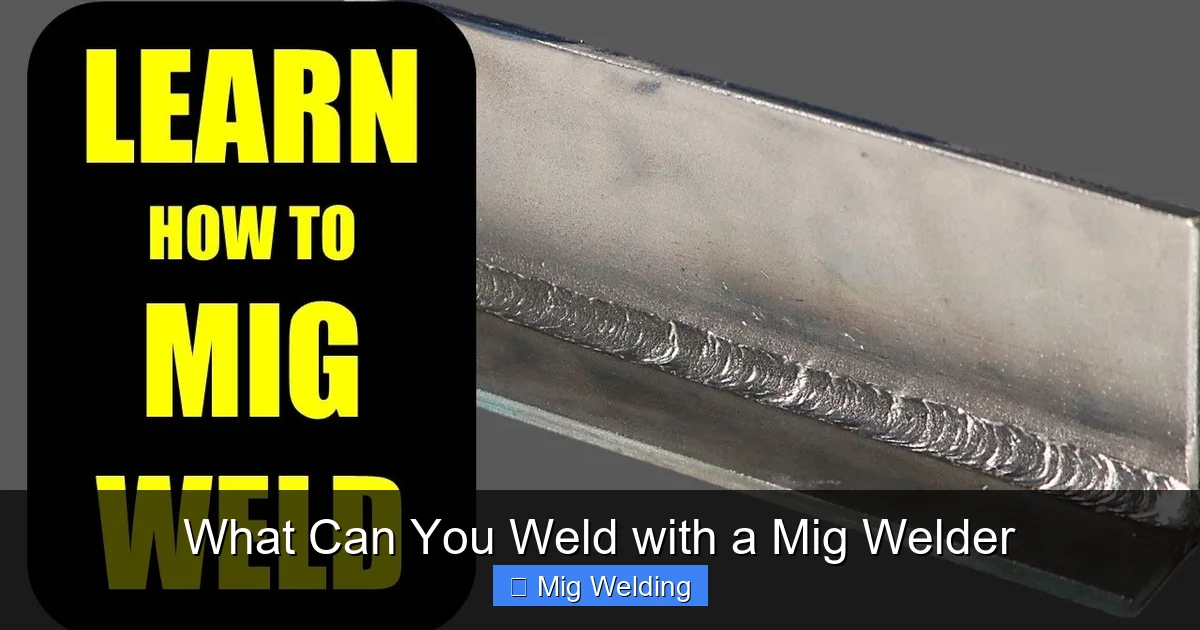
Steel is the most common material welded with a MIG welder. It’s affordable, readily available, and easy to work with. You can weld different types of steel, including low-carbon mild steel and high-strength structural steel.
Visual guide about What Can You Weld with a Mig Welder
Image source: i.ytimg.com
Tip: Use a shielding gas like 75% argon and 25% CO2 for smooth, strong welds on steel.
2. Stainless Steel
Stainless steel is another popular material for MIG welding. It offers corrosion resistance and a clean finish, making it ideal for kitchen equipment, automotive parts, and medical tools.
Tip: Use a pure argon or argon-rich shielding gas to prevent contamination and maintain the stainless steel’s properties.
3. Aluminum
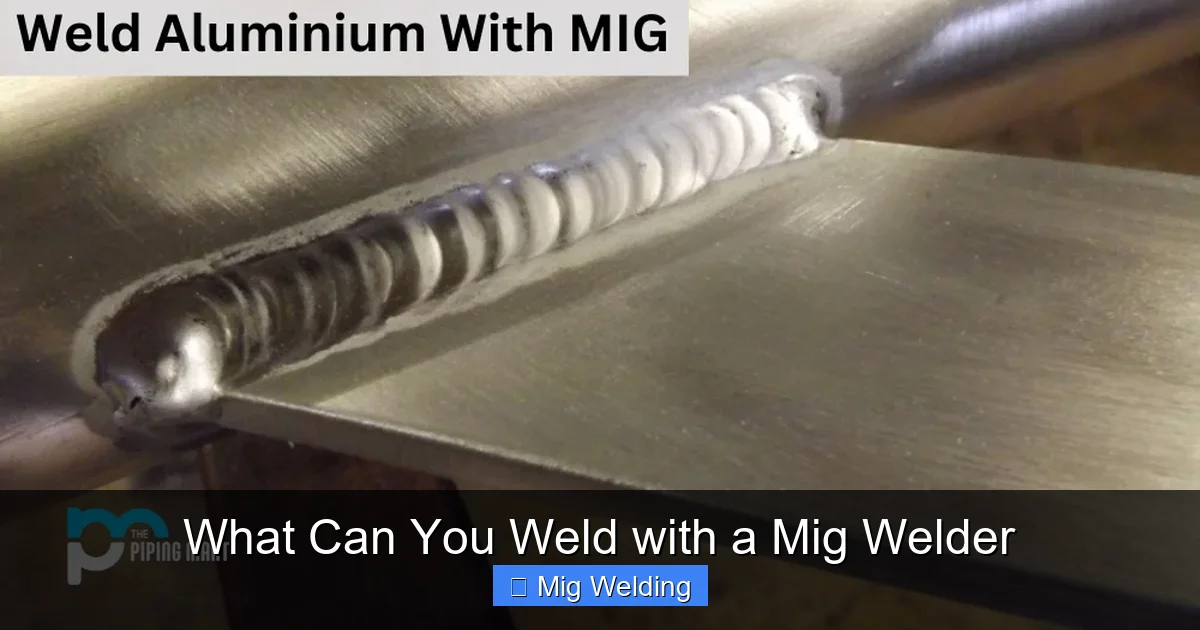
Aluminum is a lightweight, corrosion-resistant metal used in aircraft, automotive, and hobby projects. MIG welding aluminum requires specific settings and a spool gun or a push-pull torch to handle the soft, heat-sensitive material.
Tip: Use pure argon gas and clean aluminum thoroughly before welding for the best results.
4. Other Metals and Alloys
While MIG welding primarily works with steel, stainless steel, and aluminum, it can also weld other metals like copper, brass, and certain alloys, but these often require specialized wires and gases. For these, TIG welding might be a better choice.
Preparing Your Materials for MIG Welding
1. Clean the Metal Surface
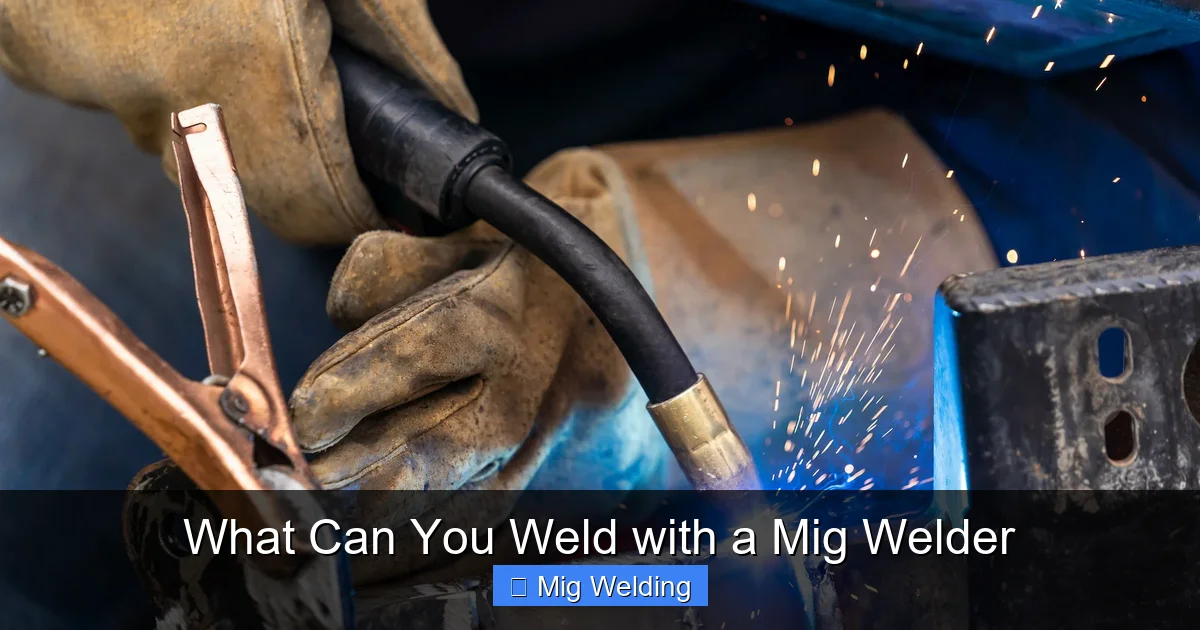
Remove rust, paint, oil, and dirt from your metal surface. Use a wire brush, grinder, or chemical cleaner for best results. Clean surfaces ensure proper fusion and strong welds.
Visual guide about What Can You Weld with a Mig Welder
Image source: workshopedia.com
2. Fit and Clamp the Pieces
Ensure your pieces are properly aligned. Use clamps to hold the parts steady during welding. Good fit-up reduces gaps and improves weld quality.
3. Choose the Right Wire and Gas
Select the appropriate wire type and diameter for your material. For steel, a .030-inch or .035-inch wire works well. For aluminum, use a spool gun with a compatible aluminum wire. Set your shielding gas correctly—CO2 or a mix of argon and CO2 for steel, pure argon for aluminum.
Setting Up Your MIG Welder
1. Select the Correct Settings
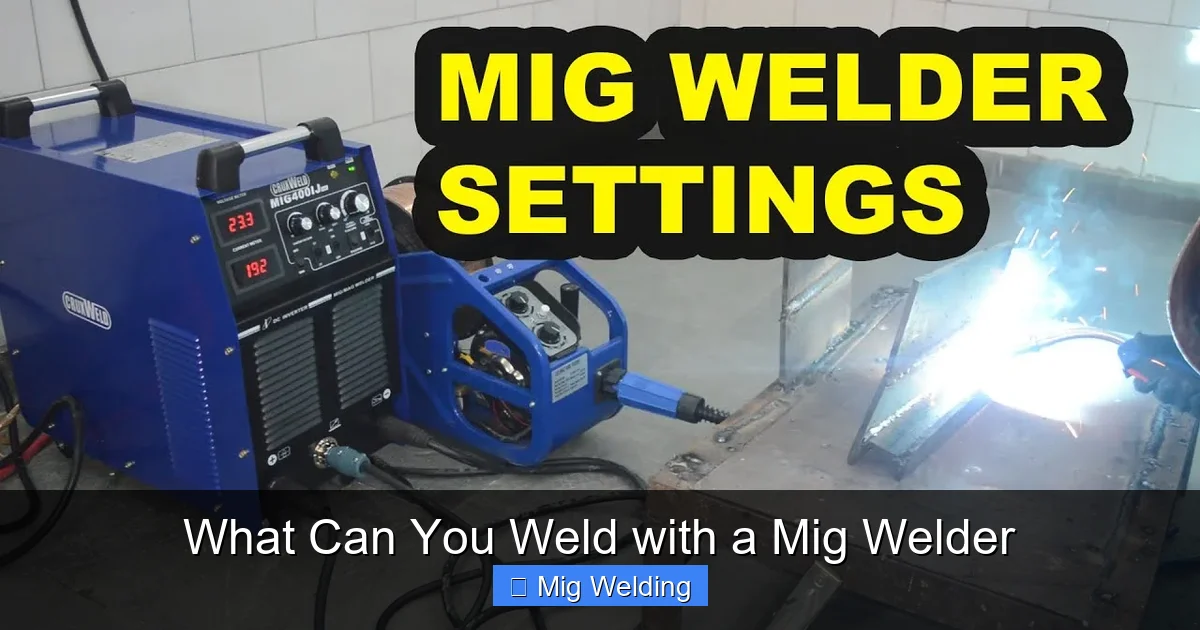
Adjust voltage and wire feed speed based on your material thickness and wire type. Consult your machine’s manual for specific charts. Too high voltage or wire speed can cause spatter; too low results in weak welds.
Visual guide about What Can You Weld with a Mig Welder
Image source: i.ytimg.com
2. Safety Gear and Workspace
Wear a welding helmet, gloves, long sleeves, and protective clothing. Ensure your workspace is well-ventilated to avoid fumes. Keep a fire extinguisher nearby.
Welding Techniques and Tips
1. Maintain Proper Travel Speed
Move your welding gun steadily along the joint. Too slow causes excessive heat and burn-through; too fast results in weak welds.
2. Keep a Consistent Arc Length
Maintain the wire tip close to the workpiece, about 1/8 inch, to ensure stable arc and good penetration.
3. Use Proper Technique for Different Materials
For steel, a weaving motion can help fill gaps. Aluminum often requires a steady, drag-type technique. Practice on scrap before working on your project.
Common MIG Welding Projects
- Fence Repairs: Welding broken or loose fence posts and panels.
- Automotive Repairs: Fixing rusted panels, exhaust systems, or custom parts.
- Metal Furniture: Creating or repairing tables, chairs, or garden furniture.
- Hobby Projects: Building sculptures, frames, or metal art pieces.
- Structural Repairs: Reinforcing or fixing metal beams and supports.
Troubleshooting Common MIG Welding Issues
- Porosity or Holes: Usually caused by contaminated surface or insufficient shielding gas. Clean surfaces thoroughly and check gas flow.
- Spatter: Adjust voltage and wire speed. Use a proper shielding gas and keep a steady travel speed.
- Incomplete Penetration: Increase voltage or wire feed speed. Ensure proper fit-up of materials.
- Burn-Through: Use lower heat settings or thinner wire for thinner materials.
Conclusion
MIG welding is a versatile, user-friendly method suitable for welding many metals, especially steel, stainless steel, and aluminum. With proper preparation, settings, and technique, you can achieve strong, clean welds for a variety of projects. Always prioritize safety and practice on scrap pieces before tackling your main project. Happy welding!
Final Tips
- Practice consistently to improve your skills.
- Invest in good safety gear to protect yourself.
- Keep your workspace clean and organized.
- Experiment with different settings to find what works best for your materials.
