

Choosing the right welding gloves is crucial for safety and performance. TIG welding gloves prioritize dexterity and precision, while MIG welding gloves focus on heat resistance and durability. This guide helps you pick the best gloves for your welding style.
Key Takeaways
- TIG gloves are thinner and more flexible: Designed for precision work, they allow better finger control and tactile feedback, ideal for detailed welding tasks.
- MIG gloves are thicker and more heat-resistant: Built to handle high heat and spatter, they offer superior protection during heavy-duty welding.
- Material matters: TIG gloves often use goat or deerskin for softness, while MIG gloves use cowhide or pigskin for durability and heat resistance.
- Fit and comfort are essential: A snug fit prevents hand fatigue and improves control, especially during long welding sessions.
- Reinforced palms and fingers enhance longevity: Look for extra padding in high-wear areas to extend glove life.
- Choose based on your welding process: Match your gloves to your welding method—TIG for detail, MIG for power and protection.
- Always prioritize safety standards: Ensure gloves meet ANSI or EN safety certifications for reliable protection.
Introduction: Why Welding Gloves Matter
Welding gloves are more than just hand protection—they’re a critical part of your welding gear. Whether you’re working on a delicate TIG weld or a heavy-duty MIG project, the right gloves can mean the difference between a clean finish and a painful burn. But with so many options on the market, how do you choose?
In this guide, we’ll break down the key differences between TIG and MIG welding gloves. You’ll learn what makes each type unique, how to pick the best gloves for your needs, and why using the wrong pair can hurt your work—and your hands. By the end, you’ll know exactly which gloves to grab for your next welding job.
Understanding TIG vs MIG Welding
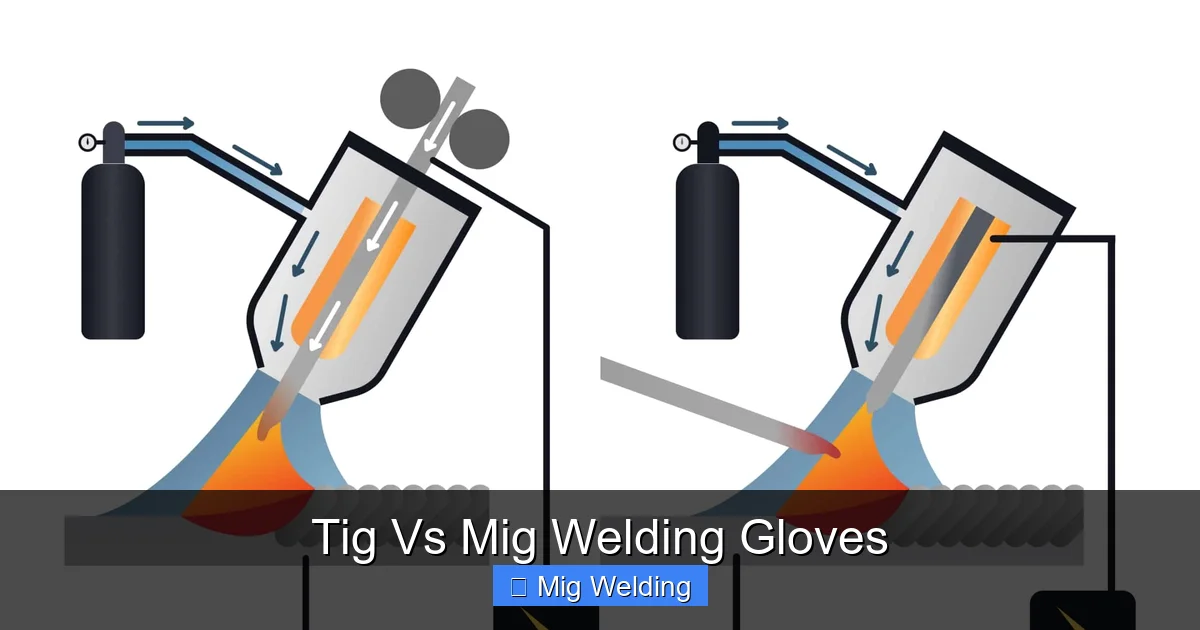
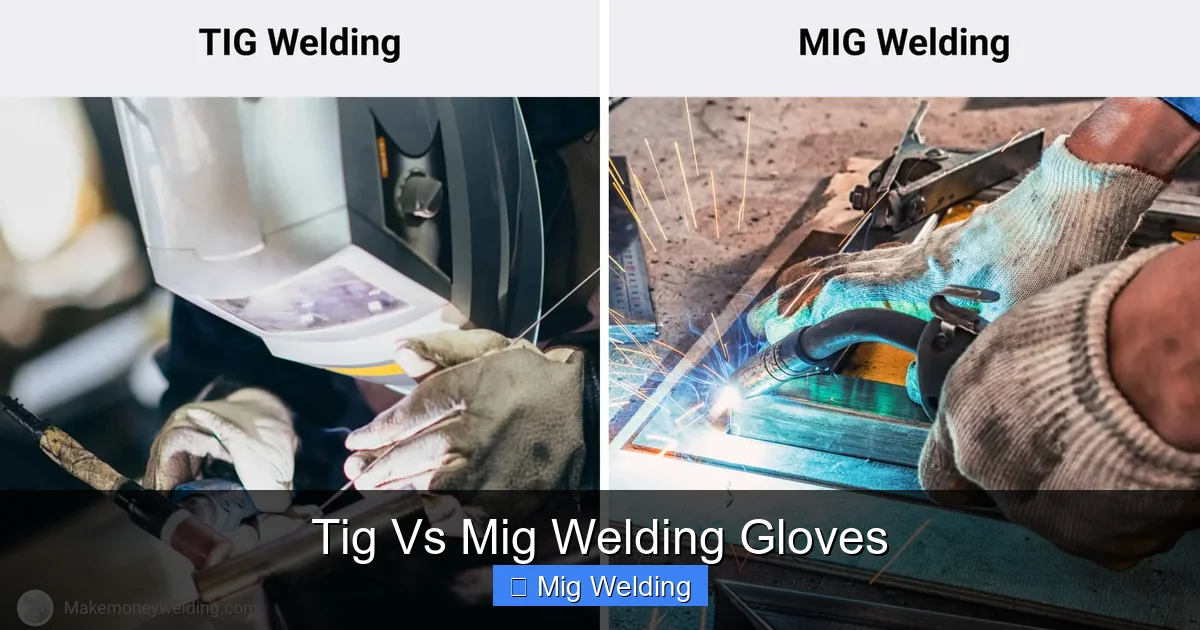
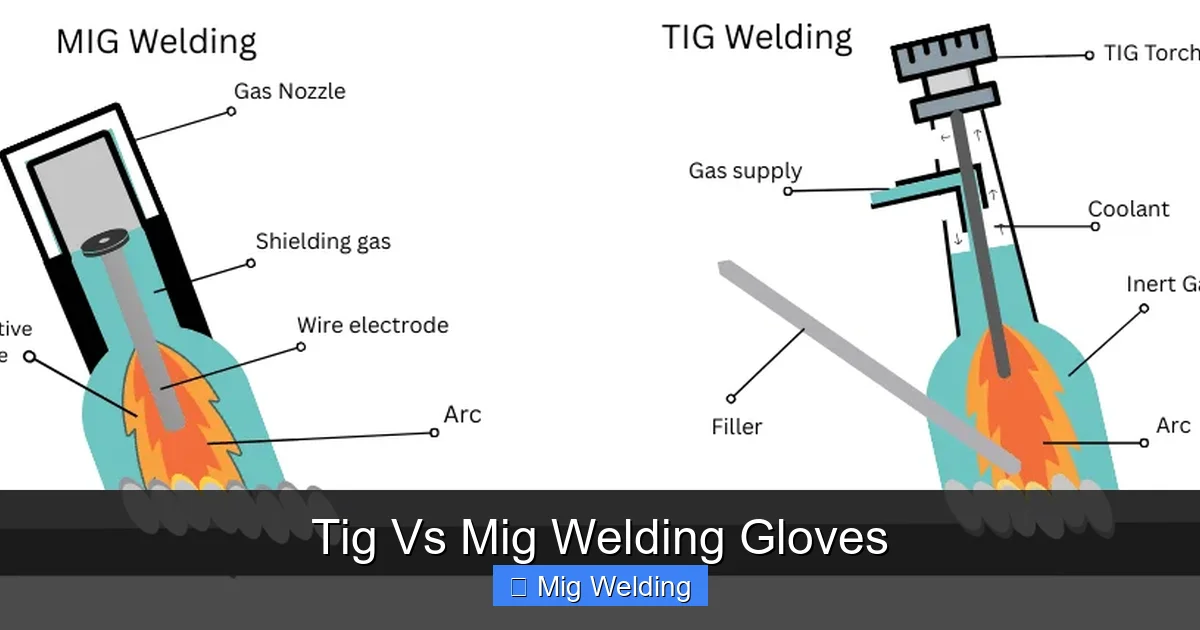
Before diving into gloves, it helps to understand the welding processes themselves. TIG (Tungsten Inert Gas) welding uses a non-consumable tungsten electrode and requires precise control. It’s often used for thin materials like aluminum or stainless steel and demands steady hands and fine motor skills.
Visual guide about Tig Vs Mig Welding Gloves
Image source: makemoneywelding.com
MIG (Metal Inert Gas) welding, on the other hand, uses a wire feed system and is faster and more aggressive. It’s great for thicker metals and high-volume work but generates more heat and spatter. These differences directly influence glove design.
Why Process Affects Glove Choice
TIG welding calls for gloves that let you feel the torch and filler rod. You need to make tiny adjustments, so flexibility and sensitivity are key. MIG welding, however, involves higher amperage and more splatter. Here, protection from heat and abrasion takes priority over fine touch.
TIG Welding Gloves: Precision Over Protection
TIG gloves are built for control. They’re typically thinner, lighter, and more form-fitting than MIG gloves. This allows welders to handle small parts, manipulate the torch, and feed filler rod with accuracy.
Visual guide about Tig Vs Mig Welding Gloves
Image source: proleantech.com
Key Features of TIG Gloves
- Thinner leather: Usually 2–3 oz goat or deerskin for softness and flexibility.
- Pre-curved fingers: Designed to mimic a natural grip, reducing hand strain.
- Shorter cuffs: Often 4–6 inches long, focusing protection on the hand rather than the forearm.
- Minimal insulation: Less bulk means better dexterity but less heat shielding.
Best Materials for TIG Gloves
Goatskin is a top choice because it’s soft, durable, and offers excellent tactile feedback. Deerskin is even softer and great for detailed work, though it may wear faster. Some TIG gloves also use kangaroo leather for an ultra-light feel.
When to Use TIG Gloves
Use TIG gloves for:
- Aluminum or stainless steel welding
- Thin-gauge materials
- Automotive or aerospace work
- Artistic or decorative welding
If you’re working on a motorcycle frame or a custom exhaust, TIG gloves are your best bet.
MIG Welding Gloves: Built for Tough Jobs
MIG gloves are the workhorses of the welding world. They’re thicker, heavier, and designed to withstand intense heat, sparks, and metal spatter. While they may not offer the same finesse as TIG gloves, they provide unmatched protection.
Key Features of MIG Gloves
- Thicker leather: Typically 4–6 oz cowhide or pigskin for durability.
- Reinforced palms and fingers: Extra layers in high-wear areas prevent burns and tears.
- Longer cuffs: Often 8–10 inches to protect the forearm from sparks and heat.
- Heat-resistant lining: Some include flame-resistant materials like Kevlar or cotton for added safety.
Best Materials for MIG Gloves
Cowhide is the most common material—tough, affordable, and highly resistant to abrasion. Pigskin is another option; it’s softer than cowhide but still durable and breathable. For extreme conditions, look for gloves with split leather, which offers excellent heat resistance.
When to Use MIG Gloves
Use MIG gloves for:
- Structural welding
- Thick steel or iron
- High-amperage projects
- Outdoor or industrial environments
If you’re building a trailer or welding heavy machinery, MIG gloves are the way to go.
How to Choose the Right Gloves for Your Welding Style
Now that you know the basics, it’s time to pick the right pair. Here’s a step-by-step guide to help you decide.
Step 1: Identify Your Primary Welding Process
Ask yourself: Do you mostly TIG or MIG weld? If you do both, consider owning two pairs. Many professional welders keep separate gloves for each process.
Step 2: Consider the Material You’re Welding
Thin materials like sheet metal? Go with TIG gloves. Thick steel or cast iron? Choose MIG gloves. The material thickness affects heat output and spatter levels.
Step 3: Evaluate Fit and Comfort
Try gloves on before buying. They should fit snugly but not tightly. Your fingers should reach the tips without stretching the leather. A good fit prevents blisters and improves control.
Step 4: Check for Reinforcements
Look for double-stitched seams and reinforced palms. These features extend glove life and improve safety. Avoid gloves with glued seams—they can come apart under heat.
Step 5: Look for Safety Certifications
Make sure your gloves meet safety standards like ANSI/ISEA 105 or EN 388. These ratings indicate protection levels for cut, puncture, heat, and flame resistance.
Practical Tips for Using Welding Gloves
Even the best gloves won’t help if you don’t use them properly. Follow these tips to get the most out of your gear.
Keep Gloves Clean and Dry
Welding spatter and oil can degrade leather over time. Wipe gloves down after each use and store them in a dry place. Avoid soaking them in water—this can cause shrinkage or cracking.
Inspect Before Each Use
Check for holes, thinning leather, or loose stitching. Damaged gloves won’t protect you. Replace them as soon as you notice wear.
Use the Right Glove for the Task
Don’t use TIG gloves for MIG welding—they’ll burn through quickly. Likewise, MIG gloves can make TIG work frustrating due to their bulk. Match the glove to the job.
Break In New Gloves
New leather gloves can be stiff. Wear them around the shop for short periods to soften them up. Avoid using heat to speed up the process—it can damage the leather.
Troubleshooting Common Glove Problems
Even with the best care, issues can arise. Here’s how to handle common problems.
Gloves Feel Too Stiff
This is normal with new leather gloves. Wear them during light tasks to break them in. You can also use a leather conditioner, but avoid over-moisturizing.
Gloves Get Hot Too Fast
If your hands are sweating or feeling heat, your gloves may be too thin for the job. Switch to a thicker pair or one with better insulation.
Gloves Wear Out Quickly
Frequent burns or tears usually mean the gloves aren’t suited to your welding process. Re-evaluate your choice—maybe you need a heavier-duty MIG glove or a more durable TIG option.
Cuffs Are Too Short
If sparks are hitting your forearm, your cuffs aren’t long enough. MIG gloves should cover at least 8 inches up your arm. Consider adding a leather sleeve for extra protection.
Top Brands to Consider
Not all welding gloves are created equal. Here are a few trusted brands known for quality and performance.
- Miller Electric: Offers a wide range of TIG and MIG gloves with excellent fit and durability.
- Lincoln Electric: Known for heavy-duty MIG gloves with reinforced protection.
- Revco (Black Stallion): Popular for stylish, high-performance gloves with great dexterity.
- Wells Lamont: Affordable options with solid construction for hobbyists and pros.
Read reviews and try a few brands to see which fit your hands best.
Conclusion: Match Your Gloves to Your Welding
Choosing between TIG and MIG welding gloves isn’t just about comfort—it’s about safety, precision, and efficiency. TIG gloves give you the control needed for fine work, while MIG gloves provide the protection required for heavy-duty jobs. By understanding your welding process, material, and personal needs, you can select the perfect pair.
Remember: the best gloves are the ones that fit well, protect effectively, and help you do your best work. Invest in quality, maintain them properly, and always prioritize safety. Whether you’re crafting a delicate sculpture or building a steel frame, the right gloves will keep your hands safe and your welds strong.
