
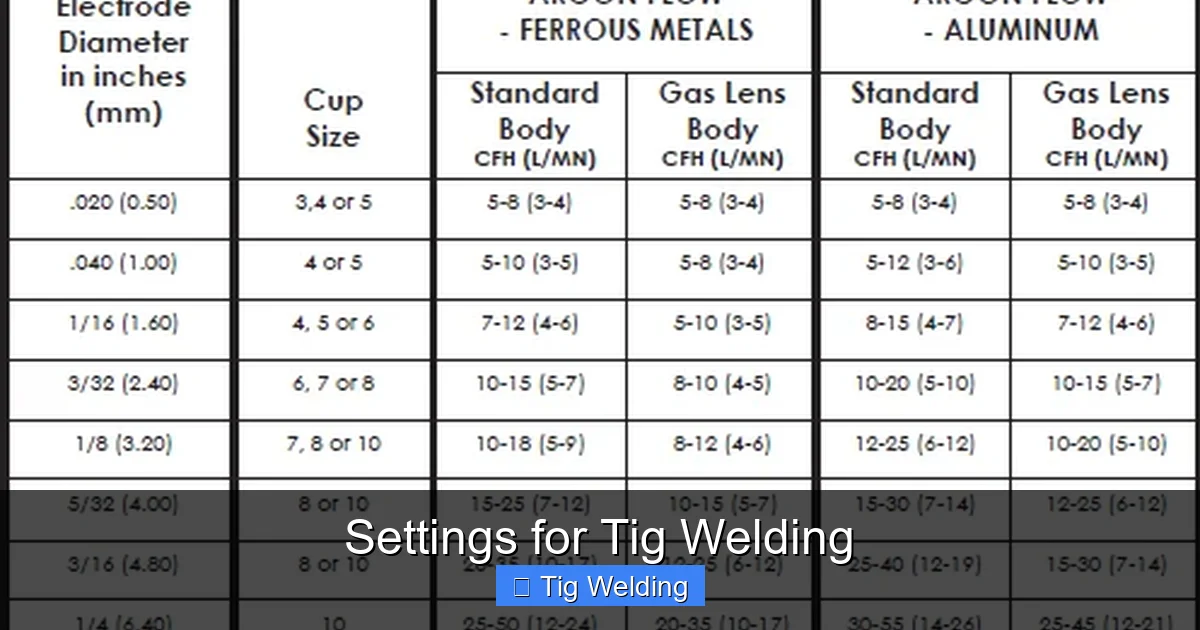
Proper TIG welding settings are crucial for quality welds and efficiency. This article covers essential parameters like amperage, torch angle, and filler metal, helping both beginners and experienced welders optimize their process for various materials and projects.
Key Takeaways
- Amperage Control: Adjust amperage based on material thickness for clean, strong welds.
- Torch Angle: Maintaining the correct angle ensures proper heat distribution and bead shape.
- Filler Metal Selection: Use compatible filler metals to prevent weaknesses and ensure weld integrity.
- Shielding Gas Settings: Proper gas flow and type prevent contamination and porosity.
- Travel Speed: Consistent speed affects bead quality and penetration.
- Material Type & Thickness: Settings vary significantly between aluminum, steel, and stainless steel.
Quick Answers to Common Questions
Question 1?
What is the best amperage setting for welding thin steel?
For thin steel, keep amperage between 10-50 amps to prevent burn-through while ensuring proper penetration.
Question 2?
How does torch angle affect TIG welding?
The torch angle influences heat distribution and bead shape; typically, a 15° to 20° angle leaning in the direction of travel provides the best results.
Question 3?
What type of shielding gas is recommended for TIG welding aluminum?
Pure argon is preferred for aluminum because it provides the necessary heat and shielding quality.
Question 4?
How does travel speed impact weld quality?
Maintaining a steady, appropriate travel speed ensures good penetration and bead appearance; too fast can cause weak welds, too slow can cause burn-through.
Question 5?
Can I use the same TIG settings for stainless steel and carbon steel?
No, stainless steel requires lower amperage and specific gas mixes, while carbon steel often needs higher amperage and different shielding gas considerations.
📑 Table of Contents
Introduction
If you’re into TIG welding, you know that getting the right settings is essential for a successful weld. Unlike other welding methods, TIG (Tungsten Inert Gas) welding requires precise control of various parameters to produce high-quality, clean, and strong joints. Whether you’re a beginner or a seasoned pro, understanding the key settings and how to adjust them can make a huge difference in your results.
In this guide, we’ll walk through the main TIG welding settings, explain why they matter, and offer practical tips to help you optimize your setup. From choosing the right amperage to controlling your torch angle, you’ll learn how to tailor your process to different materials and project needs.
Understanding the Basics of TIG Welding Settings
What is TIG Welding?
TIG welding is a versatile and precise welding technique that uses a tungsten electrode to produce the weld. An inert gas, usually argon, shields the weld area from contamination. It’s favored for its clean welds, fine control, and ability to weld thin materials.
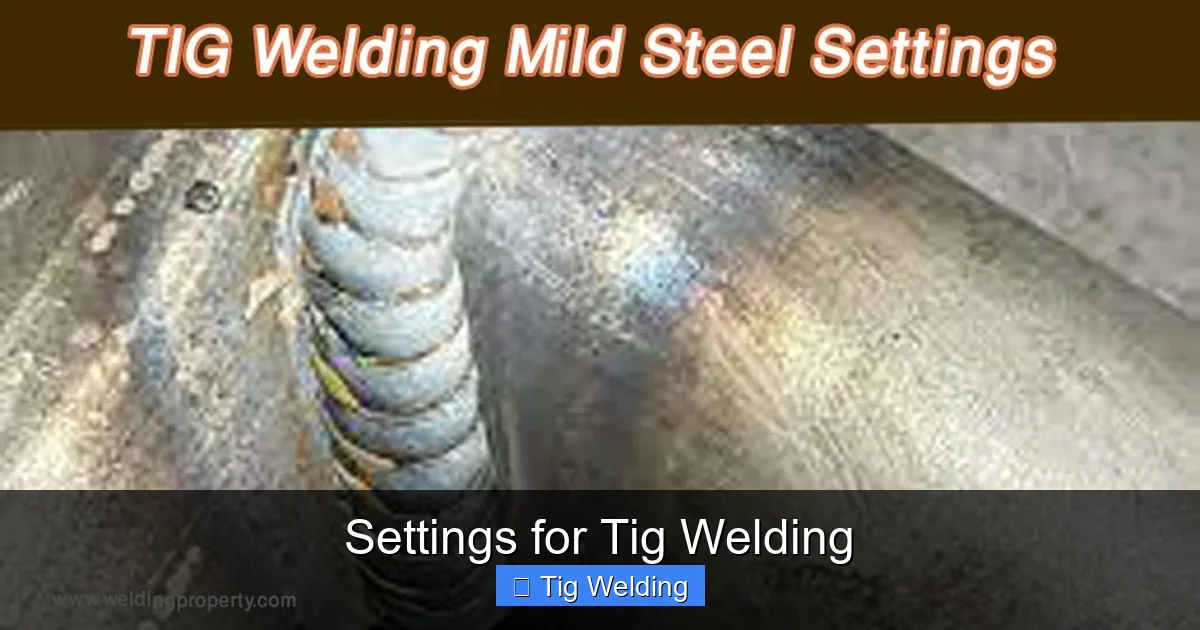
Visual guide about Settings for Tig Welding
Image source: weldinginto.com
Because of its precision, TIG welding requires adjustments to several critical settings to ensure optimal results. These include amperage, torch angle, filler metal feed, shielding gas flow, and travel speed.
Key TIG Welding Settings and How to Adjust Them
1. Amperage (Current)
Amperage controls the heat generated during welding. Too low, and the weld won’t penetrate properly; too high, and you risk burning through the material or creating a messy weld bead.
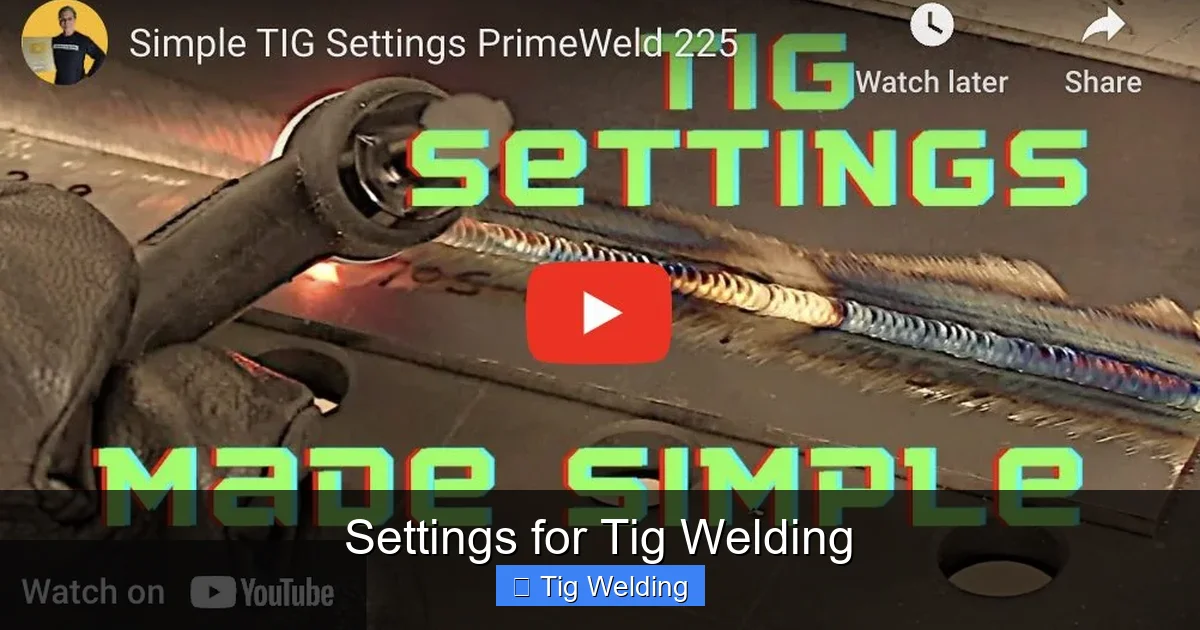
Visual guide about Settings for Tig Welding
Image source: weldingtipsandtricks.com
- For thin materials: Use lower amperage, typically between 10-50 amps.
- For thicker metals: Increase amperage proportionally, often up to 200+ amps for heavy steel or aluminum.
- Practical tip: Start with a setting about 10 amps below what you estimate, then adjust as needed based on the weld quality.
2. Torch Angle and Distance
The torch angle affects heat distribution and bead shape. The most common angle is between 15° and 20°, leaning slightly in the direction of travel.
- Optimal angle: Keep the torch at about 15° from perpendicular to the workpiece.
- Distance from the workpiece: Maintain about the diameter of the tungsten electrode away from the metal surface, usually 1/8 inch or less.
- Tip: Too close can cause sticking; too far, can lead to poor arc stability.
3. Filler Metal Feed Rate
Filler metal is added manually or automatically, depending on the setup. The rate should match the welding speed to prevent excess buildup or insufficient fill.
- Tip: Feed filler smoothly at a steady pace, generally just ahead of the arc.
- For thin materials: Use minimal filler to avoid burn-through.
- For thicker sections: Increase the filler feed rate to ensure proper fill and penetration.
4. Shielding Gas Flow and Type
Pure argon or argon-helium blends are common for TIG welding. Proper flow rate prevents contamination but shouldn’t cause turbulence.
- Flow rate: Typically between 15-20 cubic feet per hour (CFH).
- Tip: Use a gas lens or diffuser for smoother flow, especially on larger projects.
5. Travel Speed
Travel speed impacts bead appearance and penetration. Moving too fast results in weak welds; too slow causes excessive heat and burn-through.
- General rule: Maintain a steady, consistent pace, roughly matching your filler feed rate.
- Tip: Practice on scrap to find the optimal speed for your material and amperage settings.
Adjusting Settings for Different Materials
Welding Steel
Steel generally requires moderate amperage, around 60-150 amps depending on thickness. Use pure argon or a mix with CO2 for good shielding.
Welding Aluminum
Aluminum needs higher amperage due to its thermal conductivity, often 80-200 amps. Use pure argon and a clean tungsten electrode for best results.
Welding Stainless Steel
Stainless steel is more heat-sensitive. Keep amperage lower, around 50-120 amps, and use a specialized gas mix like 98% argon with 2% oxygen.
Practical Tips for Perfect TIG Welds
- Prepare your materials: Clean thoroughly to remove oxidation, oil, or dirt.
- Use the right tungsten electrode: Thoriated, ceriated, or lanthanated tungsten for specific metals.
- Practice consistency: Maintain steady hand movements and uniform parameters.
- Monitor your gas flow: Ensure continuous shielding for a crack-free weld.
- Adjust as you go: Fine-tune amperage and travel speed based on weld appearance.
Conclusion
Getting the right settings for TIG welding is a combination of understanding your materials, equipment, and desired outcome. It’s not just about turning dials—you need to observe and adjust as you go. With practice and knowledge, you can produce beautiful, high-quality welds that last.
Remember, every project may require slight adjustments, so don’t be afraid to experiment until you find the perfect combination. Happy welding!
Frequently Asked Questions
What is the optimal amperage for TIG welding different materials?
The amperage varies based on material thickness: typically 10-50 amps for thin metals, 60-150 amps for steel, and up to 200+ amps for thick aluminum. Always adjust based on your specific project.
How do I choose the right tungsten electrode for TIG welding?
Choose thoriated, ceriated, or lanthanated tungsten depending on the material. Thoriated is common for steel, while ceriated or lanthanated works well for aluminum and stainless steel. Ensure the tungsten is properly sharpened for a stable arc.
What role does shielding gas play in TIG welding?
Shielding gas prevents contamination of the weld pool. Proper flow rate (usually 15-20 CFH) and gas type (argon or helium blends) are essential for a clean, strong weld.
Why is torch angle important in TIG welding?
The torch angle affects how heat is distributed. Maintaining about 15° to 20° in the direction of travel helps create a smooth, even bead and proper penetration.
How can I improve my TIG welding results as a beginner?
Practice on scrap materials, keep your workspace clean, and start with basic settings. Focus on maintaining a steady hand and consistent travel speed for the best results.
What are common mistakes to avoid in TIG welding?
Common mistakes include improper torch angle, inconsistent filler feed, incorrect gas flow, and not cleaning materials beforehand. Avoid these to ensure high-quality welds.
