
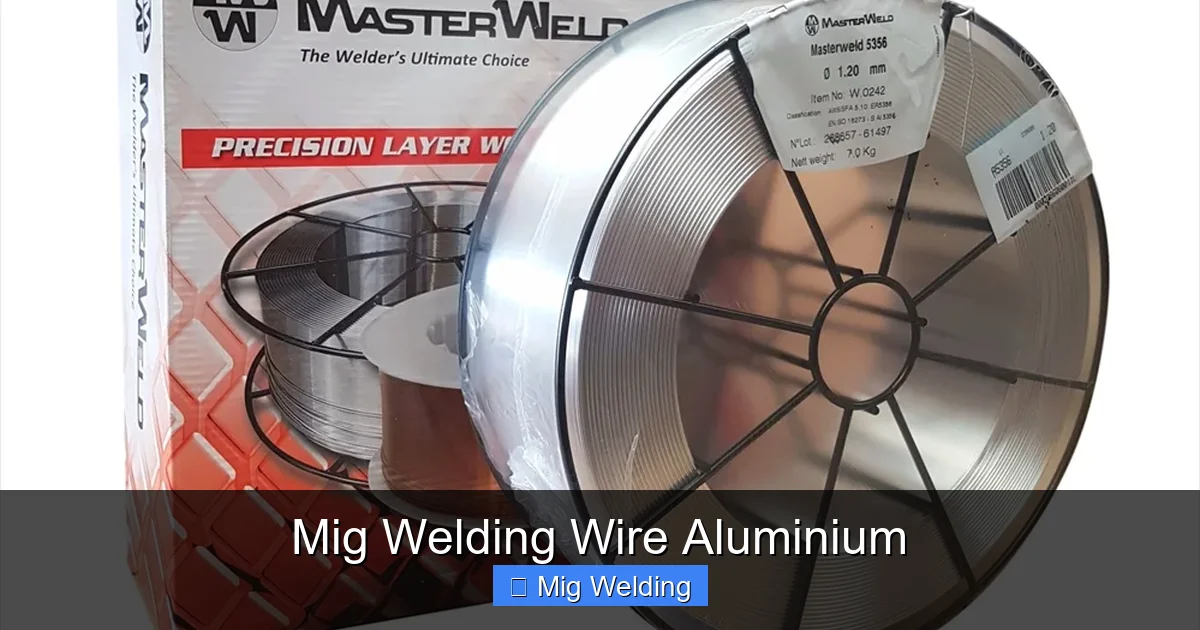
This guide walks you through everything you need to know about MIG welding wire aluminium, from selecting the right wire and gas to setting up your machine and mastering clean welds. Whether you’re a beginner or improving your skills, you’ll gain practical tips for strong, professional results.
Key Takeaways
- Use the right wire type: ER4043 and ER5356 are the most common aluminium welding wires—choose based on strength, color match, and application.
- Cleanliness is critical: Aluminium oxidizes quickly; always clean the base metal and wire before welding to avoid contamination.
- Use 100% argon shielding gas: This ensures proper arc stability and prevents porosity in your welds.
- Adjust wire feed speed and voltage: Aluminium requires higher travel speeds and precise settings to prevent burn-through.
- Use a spool gun or push-pull system: These reduce wire feeding issues caused by aluminium’s soft, flexible nature.
- Practice on scrap metal first: Aluminium behaves differently than steel—build confidence with test welds before tackling real projects.
- Watch for common defects: Porosity, lack of fusion, and wire jamming are frequent issues—learn how to spot and fix them.
Introduction: Why MIG Welding Aluminium Is Worth the Effort
MIG welding aluminium might seem intimidating at first, but with the right tools and techniques, it’s totally doable—even for hobbyists. Aluminium is lightweight, corrosion-resistant, and widely used in automotive, marine, and fabrication work. However, it behaves very differently from steel. It melts faster, conducts heat more efficiently, and is prone to oxidation. That’s why choosing the correct MIG welding wire aluminium and mastering the process is essential.
In this guide, you’ll learn how to select the best wire, set up your MIG welder, prepare your materials, and execute clean, strong welds. We’ll also cover common mistakes and how to avoid them. By the end, you’ll feel confident tackling aluminium projects with precision and control.
Step 1: Choose the Right MIG Welding Wire for Aluminium
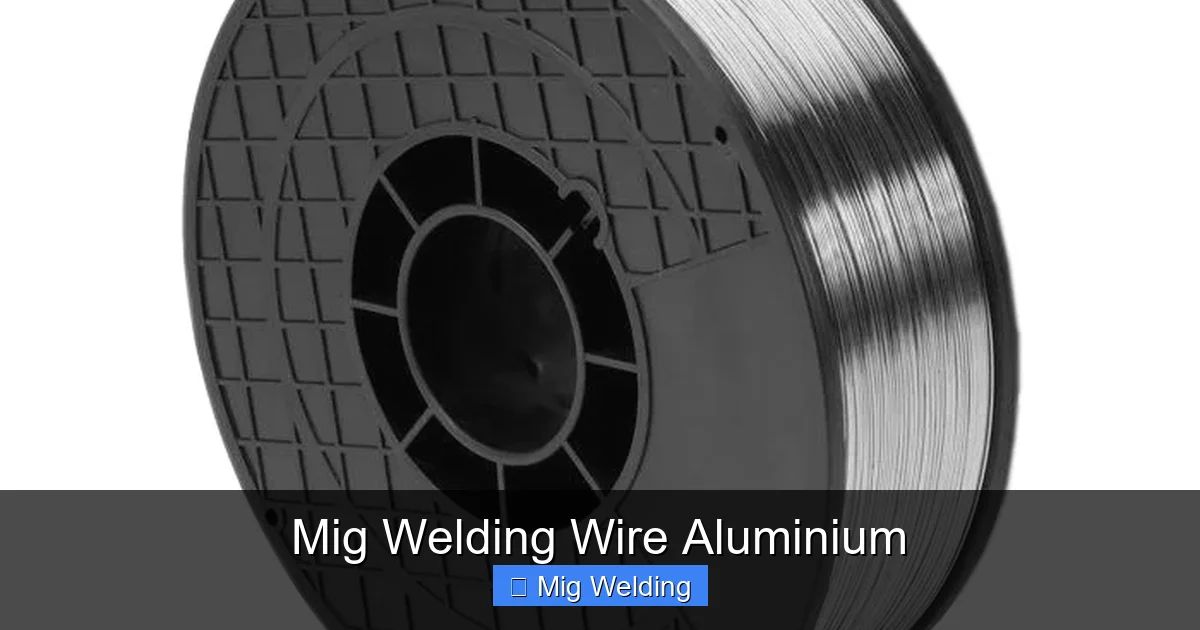
Visual guide about Mig Welding Wire Aluminium
Image source: deltawelding.com.my
Not all aluminium wires are created equal. The two most popular types are ER4043 and ER5356. Each has unique properties that make it better suited for specific jobs.
ER4043 Aluminium Wire
This is a silicon-alloyed wire that flows smoothly and produces welds with a slightly dull, gray finish. It’s great for general-purpose welding and works well on a variety of aluminium alloys, including 6061. ER4043 has good crack resistance and is easier to use for beginners because it’s more forgiving with heat input.
ER5356 Aluminium Wire
Made with magnesium, ER5356 offers higher tensile strength and a brighter, more polished appearance after welding. It’s ideal for structural applications and welding 5000-series alloys. However, it can be more prone to cracking if the base metal isn’t clean or if heat control is poor.
Tip: Match your wire to the base metal when possible. If you’re unsure, ER4043 is a safe all-around choice.
Step 2: Prepare Your Equipment
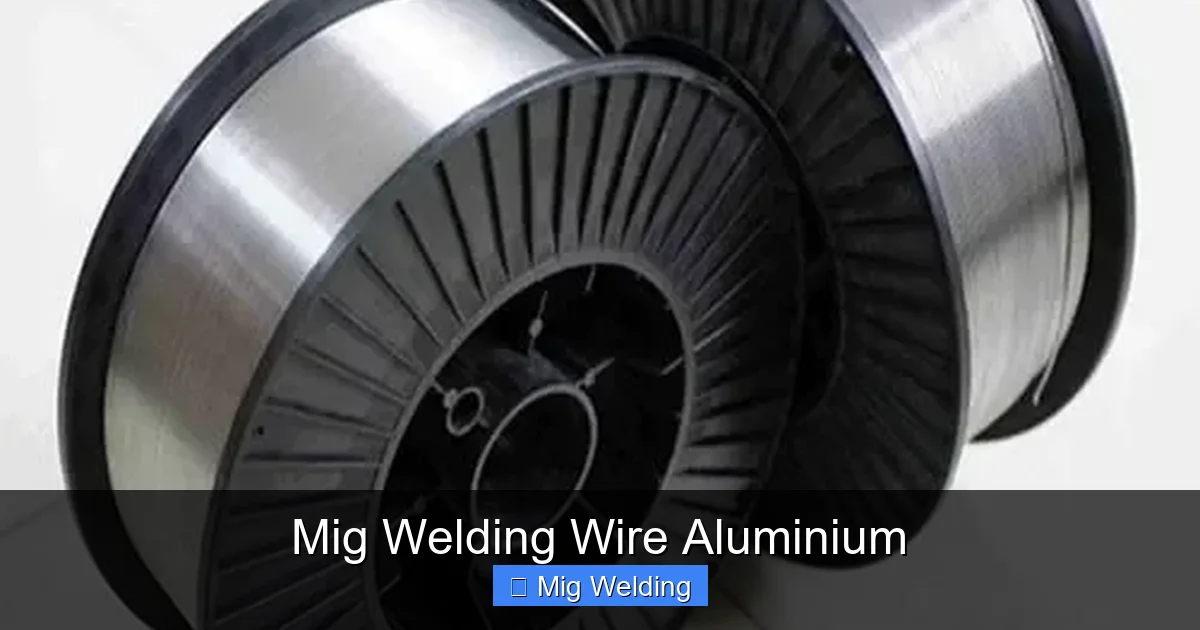
Visual guide about Mig Welding Wire Aluminium
Image source: 5.imimg.com
Aluminium welding demands specific gear adjustments. Standard MIG setups for steel won’t cut it.
Use a Spool Gun or Push-Pull System
Aluminium wire is soft and bends easily, which can cause birdnesting or jamming in standard MIG guns. A spool gun holds a small spool of wire right at the gun, reducing feeding distance. A push-pull system uses a motor in the gun to pull the wire while the feeder pushes it—this gives smooth, consistent delivery.
Switch to U-Groove Drive Rolls
Standard V-groove rolls can pinch and deform aluminium wire. U-groove rolls provide even pressure without crushing the wire. Always use non-metallic liners (like Teflon) to reduce friction.
Upgrade Your MIG Gun Liner
Steel liners cause too much drag. Replace it with a plastic or Teflon liner designed for aluminium wire.
Step 3: Set Up Your MIG Welder
Aluminium requires different settings than steel. Here’s how to dial in your machine.
Use 100% Argon Shielding Gas
Never use CO2 or argon-CO2 mixes—they cause excessive spatter and porosity. Pure argon (at 20–30 CFH flow rate) provides a stable arc and clean welds.
Adjust Voltage and Wire Feed Speed
Start with the manufacturer’s recommended settings for your wire diameter (typically 0.035” or 0.045”). Aluminium needs higher wire feed speeds and lower voltage compared to steel. For example, a 0.035” wire might run at 300–450 IPM and 18–22 volts. Always test on scrap first.
Use DCEN (Direct Current Electrode Negative)
This is the standard polarity for MIG welding aluminium. Make sure your machine is set to DCEN, not DCEP.
Step 4: Clean the Base Metal and Wire
Aluminium forms a thin oxide layer the moment it’s exposed to air. This oxide has a much higher melting point than the base metal and can ruin your weld.
Clean the Workpiece
Use a stainless steel wire brush (dedicated only to aluminium) to scrub the surface. Follow up with acetone or a specialized aluminium cleaner to remove oils and grease. Never use the same brush on steel—cross-contamination causes weld defects.
Clean the Wire
Even new wire can have surface contaminants. Wipe it with a clean cloth and solvent before loading. Store wire in a dry, sealed container to prevent moisture absorption.
Step 5: Master the Welding Technique
Aluminium welds best with a push technique—point the gun 10–15 degrees in the direction of travel. This helps the gas shield protect the molten pool and improves visibility.
Maintain a Short Arc Length
Keep the gun close to the workpiece (about ¾ inch). A long arc causes spatter and poor penetration.
Use a Steady, Fast Travel Speed
Aluminium conducts heat quickly, so slow travel can lead to burn-through. Move smoothly and consistently. If the weld looks ropey or uneven, adjust your speed or voltage.
Watch for the “Tornado” Effect
A good aluminium weld has a smooth, rippled appearance—like a tornado. If it’s flat or bubbly, you may have contamination or incorrect settings.
Step 6: Troubleshooting Common Problems
Even experienced welders run into issues. Here’s how to fix the most common ones.
Porosity (Tiny Holes in the Weld)
Caused by moisture, oil, or poor gas coverage. Solution: Clean the metal thoroughly, check gas flow, and ensure no drafts are blowing away the shield.
Lack of Fusion
The weld doesn’t bond properly to the base metal. Often due to low heat or incorrect angle. Increase voltage slightly and use a consistent push angle.
Wire Feeding Problems (Birdnesting, Jamming)
Usually from incorrect drive rolls, dirty liners, or too much tension. Switch to U-groove rolls, clean the liner, and reduce tension.
Burn-Through
Happens with thin materials or too much heat. Reduce voltage, increase travel speed, or use a heat sink (like copper backing bar).
Step 7: Post-Weld Care and Finishing
After welding, let the piece cool naturally. Quenching can cause cracking. Once cool, you can clean the weld with a wire brush or sand it for a smoother finish. For cosmetic projects, consider chemical polishing or anodizing to enhance appearance.
Conclusion: Practice Makes Perfect
MIG welding aluminium takes patience and practice, but the results are worth it. Start with clean materials, the right wire, and proper machine settings. Use a spool gun, pure argon, and a steady hand. Don’t get discouraged by early mistakes—every pro welder started somewhere. With time, you’ll develop the feel for aluminium and produce strong, clean welds every time. Remember: MIG welding wire aluminium is just one piece of the puzzle. Success comes from combining the right tools, techniques, and attention to detail.
