
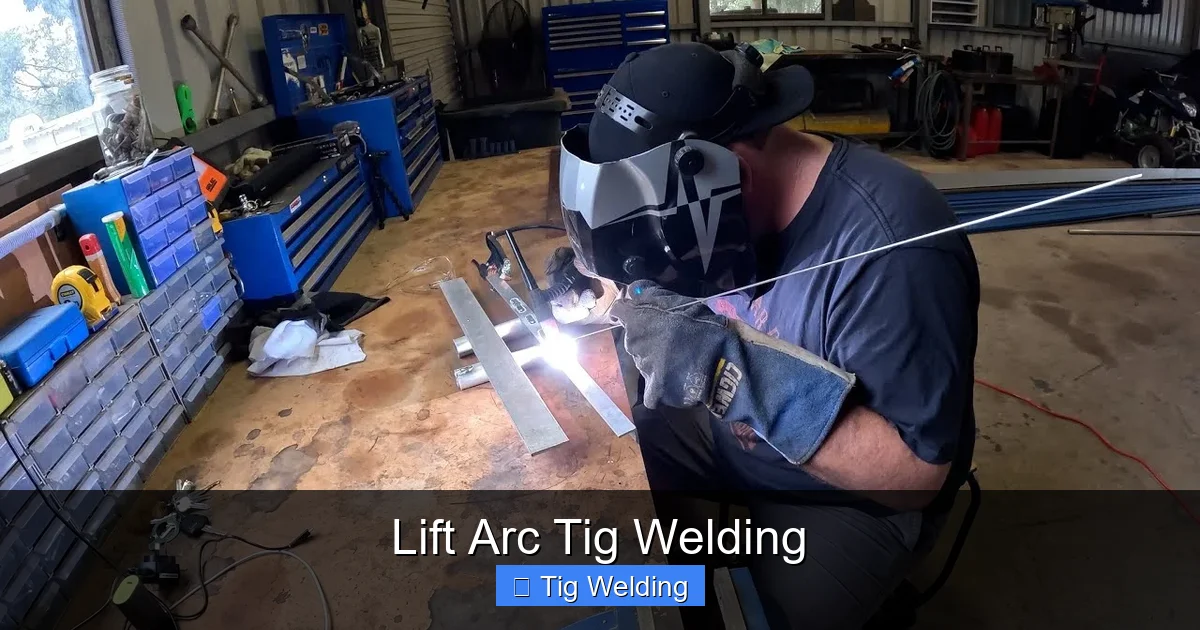
Lift Arc TIG Welding is a user-friendly method that simplifies the starting process for TIG welding. By lifting the torch close to the workpiece, it automatically initiates the arc, making it ideal for beginners and professionals alike. This technique enhances safety, reduces contamination, and improves weld quality.
Key Takeaways
- Ease of Use: Lift Arc TIG welding simplifies arc initiation, making it accessible for beginners.
- Automatic Arc Start: The technique automatically starts the arc when the torch is lifted close to the workpiece.
- Reduced Contamination: Minimizes tungsten inclusions and contamination, resulting in cleaner welds.
- Enhanced Safety: Less chance of accidental arc strikes, protecting both the welder and the workpiece.
- Versatility: Suitable for various materials including stainless steel, aluminum, and more.
- Cost-Effective: Eliminates the need for high-frequency start systems, reducing equipment costs.
Quick Answers to Common Questions
Question 1?
What is lift arc TIG welding?
Lift arc TIG welding is a method where the arc is initiated by lifting the tungsten electrode away from the workpiece, automatically starting the weld without high-frequency systems.
Question 2?
Is lift arc TIG welding suitable for beginners?
Yes, lift arc TIG welding is ideal for beginners because it simplifies the arc starting process and reduces the risk of contamination.
Question 3?
What are the main advantages of lift arc TIG welding?
It offers easier arc initiation, reduces contamination, increases safety, and lowers equipment costs.
Question 4?
Can lift arc TIG welding be used on all materials?
No, it works best on metals like stainless steel and aluminum, but may not be suitable for all materials or welding positions requiring precise control.
Question 5?
What tips can improve lift arc TIG welding success?
Practice on scrap, maintain proper contact, control the lift smoothly, and keep the tungsten clean for the best results.
📑 Table of Contents
Introduction to Lift Arc TIG Welding
Welding is an essential skill in many industries, from construction to manufacturing. Among the various welding techniques, TIG (Tungsten Inert Gas) welding stands out for its precision and clean results. Within TIG welding, there are different methods to start the arc, and one popular approach is the Lift Arc TIG Welding method.
Lift Arc TIG welding is favored by many welders because it simplifies the arc starting process, especially for beginners. Instead of using high-frequency or scratch-start methods, lift arc welding uses a simple technique where the welder lifts the torch to initiate the arc. This makes the process safer, more reliable, and easier to control.
What Is Lift Arc TIG Welding?
Definition and Basic Concept
Lift Arc TIG welding is a technique where the welder starts the arc by physically lifting the tungsten electrode close to the metal surface. When the tungsten touches or nearly touches the workpiece, lifting it slightly initiates the arc automatically. This method eliminates the need for high-frequency start systems, making it a straightforward process.
Visual guide about Lift Arc Tig Welding
Image source: i.ebayimg.com
It’s called “lift arc” because the arc begins as the electrode is lifted away from the workpiece after contact, creating an electrical connection that starts the weld. This process is particularly useful for thin materials or delicate surfaces where high-frequency starts might cause damage or contamination.
How Does Lift Arc TIG Welding Work?
The Step-by-Step Process
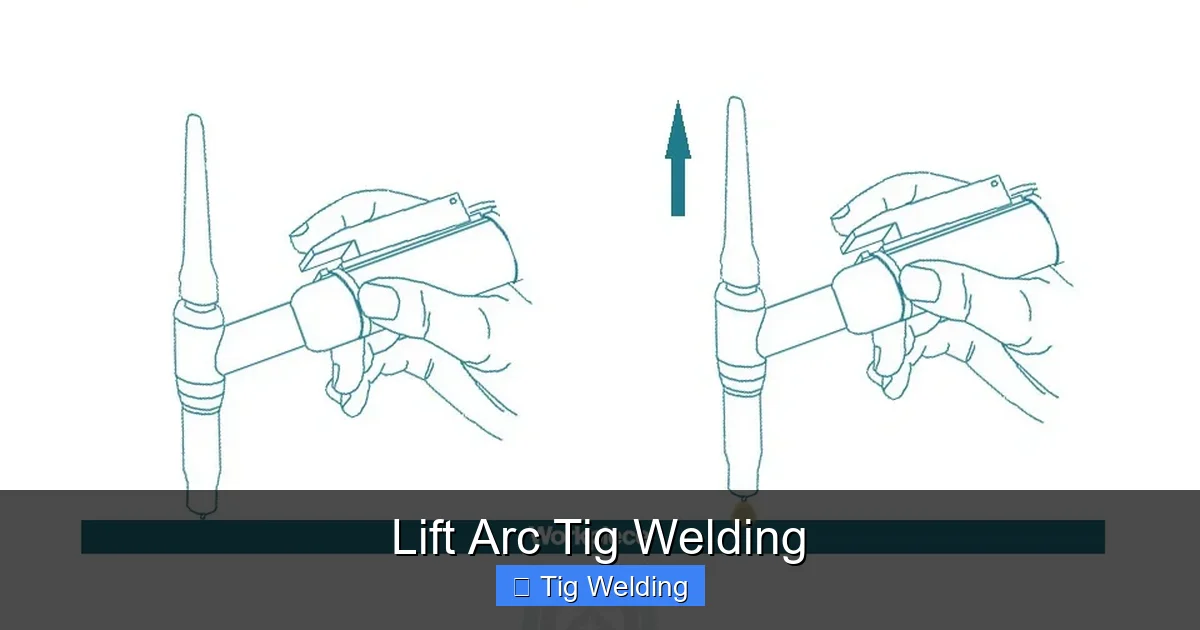
- Positioning: The welder positions the tungsten electrode just above the workpiece, ready to make contact.
- Contact: The tungsten touches the metal surface, completing the electrical circuit.
- Lifting: The welder gently lifts the torch away from the surface, which initiates the arc automatically.
- Welding: The arc stabilizes, allowing the welder to proceed with welding as usual.
This process is quick, intuitive, and reduces the chances of accidental arc strikes that can damage the workpiece or cause safety hazards.
Visual guide about Lift Arc Tig Welding
Image source: weldingpros.net
Advantages of Lift Arc TIG Welding
Why Choose Lift Arc?
- Simpler Start: No need for complex high-frequency start systems, making it easier for beginners.
- Less Contamination: Reduces tungsten inclusions, leading to cleaner welds.
- Safer Operation: Less risk of electric shock or accidental arc strikes.
- Cost Savings: Equipment without high-frequency start modules tends to be less expensive.
- Better Control: Allows for precise arc initiation, especially on thin or delicate materials.
- Compatibility: Works well with most inverter power sources used in modern TIG welders.
Challenges and Limitations
What to Watch Out For
- Learning Curve: While easier than some methods, beginners still need practice to perfect lift arc initiation.
- Material Restrictions: Not suitable for all materials or welding positions, especially where precise arc control is needed.
- Equipment Compatibility: Some older TIG welders may not support lift arc technology without modifications.
- Welding Technique: Improper lifting can cause inconsistent arc starts or tungsten contamination.
Practical Tips for Using Lift Arc TIG Welding
Getting Started
- Practice on Scrap: Before working on your main project, practice lift arc initiation on scrap metal to get comfortable.
- Maintain Proper Contact: Ensure the tungsten touches the workpiece gently but firmly to start the arc smoothly.
- Control the Lift: Lift the torch steadily to maintain a stable arc and avoid sudden jumps that can cause weld defects.
- Use the Right Settings: Adjust your machine’s amperage and polarity according to the material you’re welding.
- Keep the Tungsten Clean: Regularly clean and dress the tungsten to prevent contamination and ensure reliable arc starts.
Applications of Lift Arc TIG Welding
Where Is It Used?
Lift arc TIG welding is versatile and finds applications across various industries:
Visual guide about Lift Arc Tig Welding
Image source: i.ytimg.com
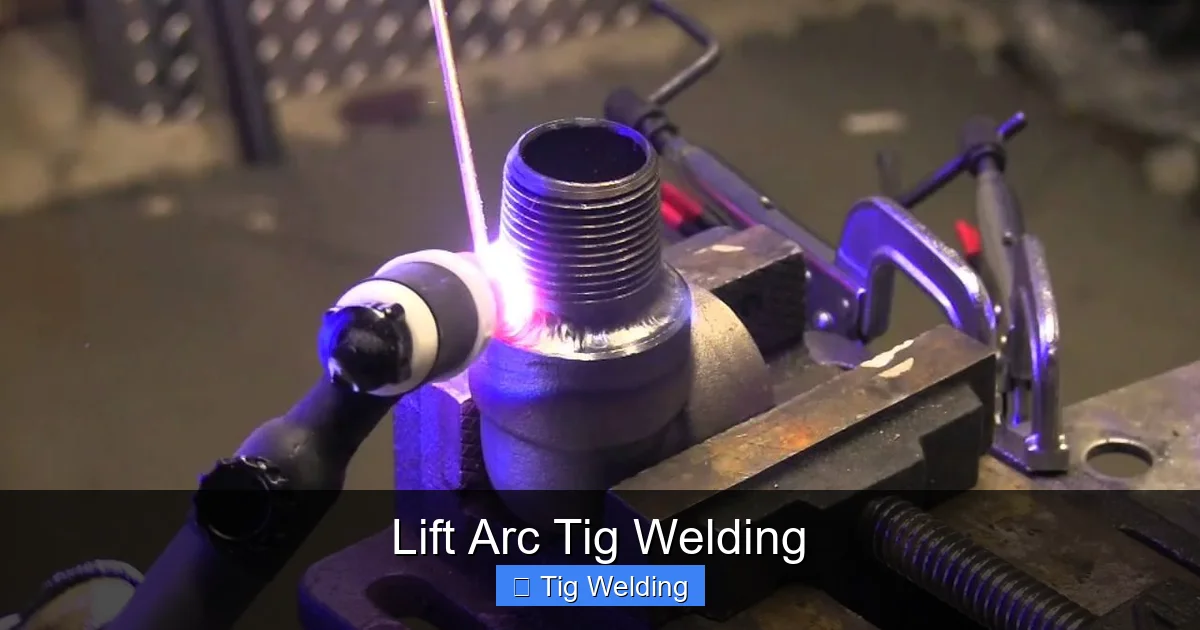
- Aerospace: Welding delicate components where contamination control is critical.
- Automotive: Repair work and fabrication involving thin metals.
- Art and Fabrication: Creating detailed or intricate metal artwork requiring precise control.
- Maintenance: Repairing thin-walled pipes, tanks, or other delicate structures.
Its ease of use and safety features make it a popular choice for both industrial and hobbyist welders.
Conclusion
Lift Arc TIG Welding offers a straightforward, safe, and effective way to start a TIG weld. Especially suitable for beginners or projects involving thin or sensitive materials, this technique reduces contamination risks and simplifies the welding process. As technology advances, lift arc systems are becoming more common and affordable, making TIG welding more accessible than ever. Whether you’re a hobbyist or a professional, mastering lift arc TIG welding can significantly improve your welding experience and results.
Final Thoughts
If you’re looking to improve your TIG welding skills or simplify your workflow, consider integrating lift arc technology into your toolkit. With practice, you’ll enjoy cleaner welds, better control, and safer operation. Remember, like any skill, mastering lift arc TIG welding takes patience and practice, but the results are well worth the effort.
Frequently Asked Questions
What is lift arc TIG welding?
Lift arc TIG welding is a technique where the welder starts the arc by lifting the tungsten electrode close to the workpiece, which automatically initiates the weld. It eliminates the need for high-frequency start systems, making it simpler and safer.
How does lift arc TIG welding differ from traditional TIG starting methods?
Traditional methods often use high-frequency or scratch-start techniques to initiate the arc. Lift arc welding, on the other hand, relies on physically lifting the electrode to start the weld, reducing equipment complexity and contamination risks.
What equipment is needed for lift arc TIG welding?
Most modern inverter TIG welders support lift arc functionality. Ensure your machine has this feature, as older models may not be compatible without upgrades.
Is lift arc TIG welding safe for thin materials?
Yes, it is especially safe for thin and delicate materials because it offers greater control and reduces the chance of damaging the workpiece through accidental high-frequency strikes.
Can I switch between lift arc and high-frequency start on the same welder?
Many multi-process TIG welders allow switching between different arc starting methods. Check your machine’s manual to see if this feature is supported and how to toggle between modes.
What are some common mistakes to avoid in lift arc TIG welding?
Avoid lifting the tungsten too quickly or too abruptly, as it can cause arc instability. Also, ensure proper contact and cleanliness of the tungsten to prevent contamination and inconsistent starts.
