

Learning to MIG weld is a great skill for beginners interested in metalwork. This guide covers essential safety tips, equipment setup, and welding techniques to help you start welding with confidence. Whether you’re working on DIY projects or small repairs, you’ll find practical advice to get you started.
How to MIG Weld for Beginners
Ready to dive into welding? MIG welding is one of the easiest types of welding for beginners to learn. It’s quick, clean, and versatile. In this guide, you’ll learn everything you need to start MIG welding confidently. From safety tips to practical techniques, let’s get you welding!
Key Takeaways
- Understanding MIG welding: MIG (Metal Inert Gas) welding is a simple and versatile process suitable for beginners.
- Safety first: Always wear proper safety gear, including a welding helmet, gloves, and protective clothing.
- Equipment setup: Properly set up your welder, including selecting the right wire, gas, and voltage settings.
- Preparing your workspace: Ensure a clean, well-ventilated area free of flammable materials.
- Basic technique: Practice maintaining a steady hand, proper wire feed, and correct travel speed for clean welds.
- Troubleshooting: Learn common issues like porosity or weak welds and how to fix them.
- Practice makes perfect: Start with scrap metal, practice your technique, and gradually take on more complex projects.
1. Understanding MIG Welding
What is MIG Welding?
MIG (Metal Inert Gas) welding, also called GMAW (Gas Metal Arc Welding), uses a continuous wire feed to join metals. A shielding gas protects the weld from contamination. It’s popular because it’s fast, produces neat welds, and is suitable for a variety of metals.
Why Choose MIG Welding?
- Easy for beginners to learn
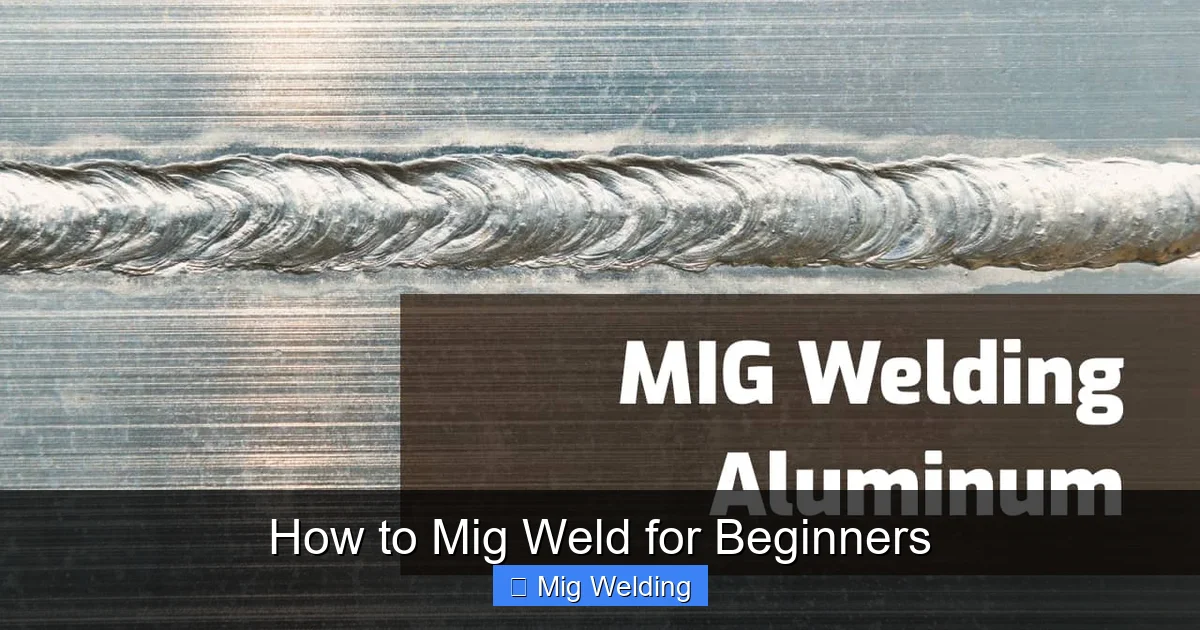
- Works on many metals like steel, aluminum, and stainless steel
- Fast and efficient process
- Less cleanup compared to other welding methods
2. Safety First
Protect Yourself
Welding produces bright light, UV rays, and fumes. Always wear:
Visual guide about How to Mig Weld for Beginners
Image source: i.ytimg.com
- Welding helmet: To protect your eyes and face from sparks and UV rays.
- Gloves: Heavy-duty, flame-resistant gloves to protect your hands.
- Protective clothing: Long sleeves, pants, and closed-toe shoes.
- Respirator or ventilation: To avoid inhaling fumes, work in a well-ventilated area or use a respirator.
3. Gathering Your Equipment
Essential Tools and Supplies
- MIG welder: Choose a machine suitable for beginners, usually with adjustable settings.
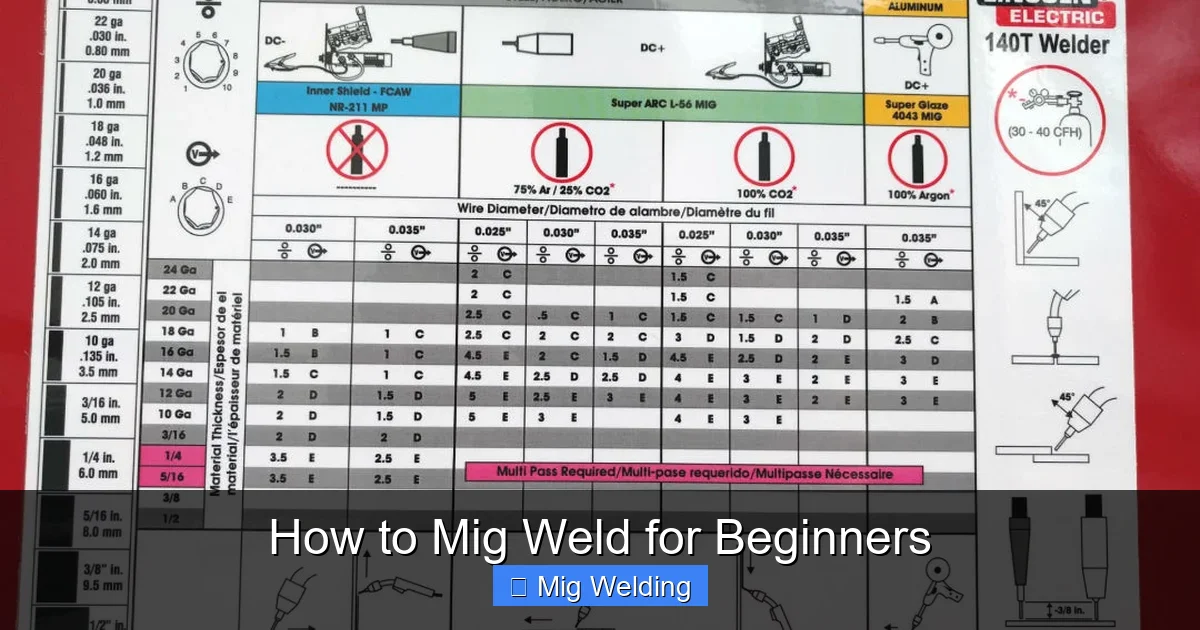
- Wire: Solid wire, typically 0.030″ or 0.035″ diameter for steel.
- Shielding gas: Usually 75% Argon / 25% CO2 for steel; pure argon for aluminum.
- Welding helmet: Auto-darkening helmets are user-friendly.
- Ground clamp: Connects the welder to your workpiece.
- Chipping hammer and wire brush: For cleaning welds.
4. Preparing Your Workspace and Materials
Safety and Cleanliness
Choose a clean, dry, and well-ventilated area. Remove any flammable materials. Set up a sturdy worktable and ensure good lighting.
Visual guide about How to Mig Weld for Beginners
Image source: weldguru.com
Visual guide about How to Mig Weld for Beginners
Image source: 021208.com
Preparing Metal Pieces
- Clean the metal surface thoroughly to remove rust, paint, or oil.
- Clamp your workpieces securely to prevent movement.
5. Setting Up Your MIG Welder
Adjusting the Machine
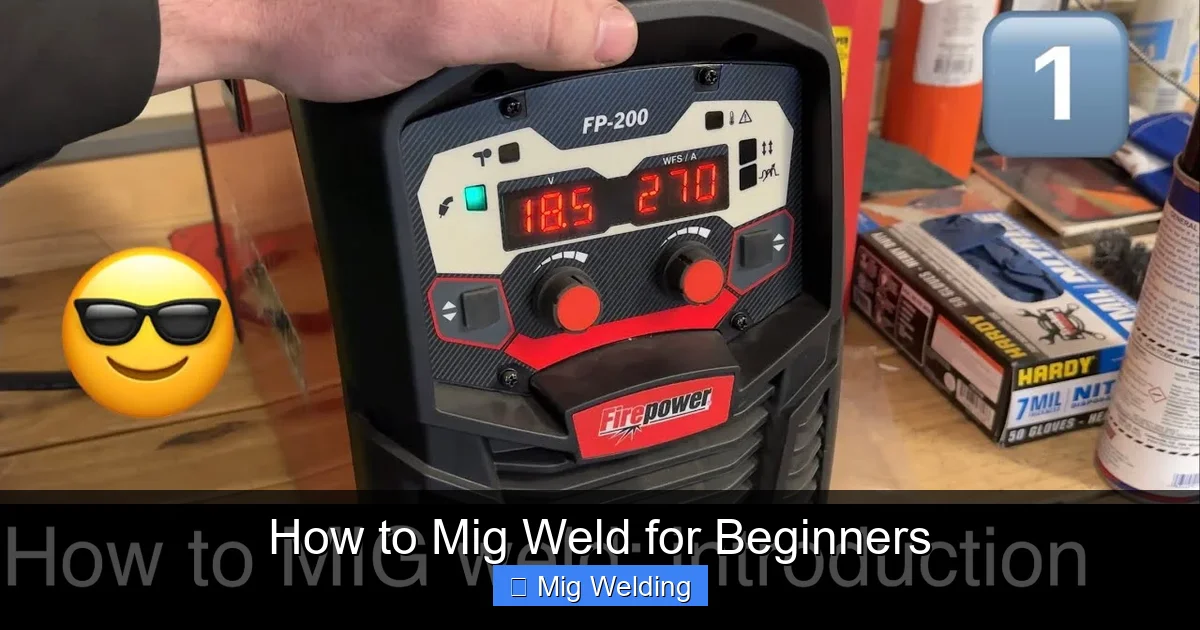
- Wire feed speed: Set according to the wire diameter and material thickness. Usually, a moderate speed works for beginners.
- Voltage: Adjust based on the thickness of your metal. Refer to the welder’s manual for specific settings.
- Gas flow rate: Typically 20-25 CFH (cubic feet per hour). Adjust if you notice porosity or excessive spatter.
Connecting Components
- Insert the wire spool into the machine.
- Attach the wire feed gun, ensuring proper connection.
- Connect the grounding clamp to your workpiece or worktable.
- Connect the gas hose to the regulator and cylinder.
6. Basic MIG Welding Technique for Beginners
Practice in a Safe Area
Start with scrap metal pieces to get comfortable with the process. Use the following steps:
Step-by-Step Welding
- Position your work: Clamp your metal securely and wear your safety gear.
- Set your stance: Keep your feet shoulder-width apart for stability.
- Hold the gun: Grip it firmly but comfortably with your dominant hand.
- Begin welding: Pull the trigger to start the wire feed. Keep the nozzle about ¼ inch from the metal surface.
- Move steadily: Maintain a consistent travel speed. A slow, steady pace produces cleaner welds.
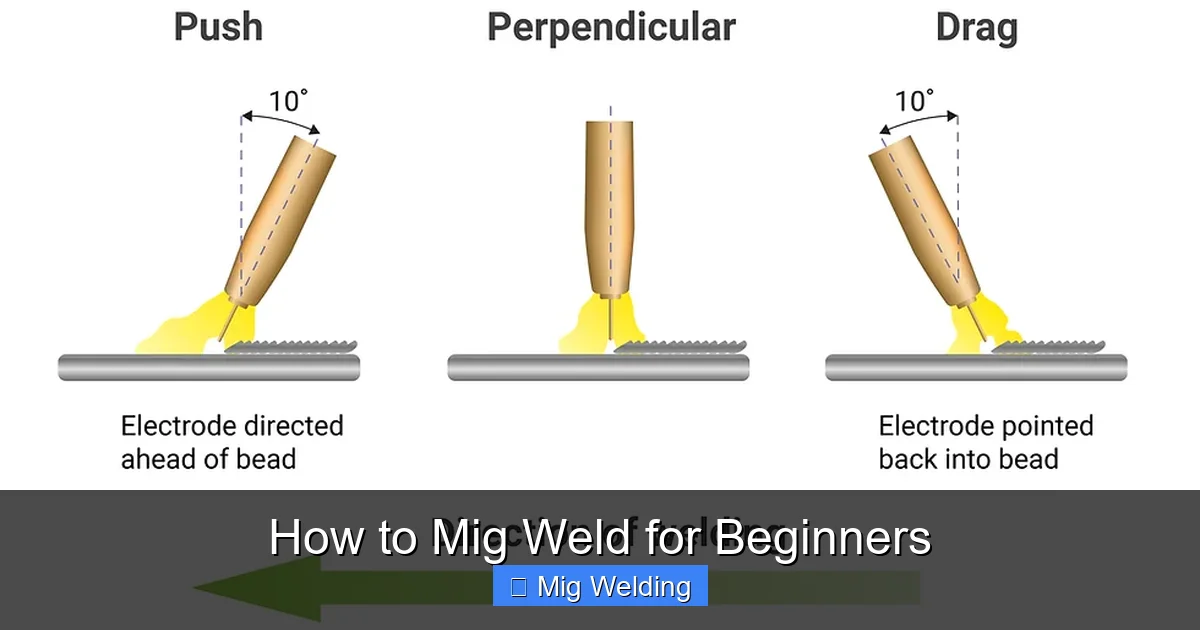
- Maintain an angle: Keep the gun at about 10-15 degrees from perpendicular to the workpiece.
Tips for Better Welds
- Keep a steady hand—practice smooth, even movements.
- Adjust your speed if you see spatter or weak welds.
- Practice in different positions—flat, horizontal, and vertical.
7. Troubleshooting Common Issues
Porosity or Holes in Welds
Often caused by contaminated metal or incorrect gas flow. Clean your metal thoroughly and check your gas flow rate.
Weak or Inconsistent Welds
Check your wire feed and voltage settings. Ensure your gun is at the correct angle and you’re moving steadily.
Spatter Excess
Reduce the voltage or increase the gas flow. Make sure your wire is compatible with your machine and metal.
8. Practice, Patience, and Progress
Start small, practice regularly, and don’t get discouraged. Welding is a skill that improves over time. Experiment with different settings and techniques to find what works best for you.
9. Final Tips for Beginners
- Always wear safety gear—never compromise on safety.
- Use scrap metal to practice before working on your project.
- Read your welder’s manual thoroughly.
- Join online forums or local classes for additional tips and guidance.
Conclusion
Learning to MIG weld as a beginner can be rewarding and fun. With the right safety precautions, proper equipment setup, and plenty of practice, you’ll be welding confidently in no time. Remember, patience and persistence are key. Happy welding!
