

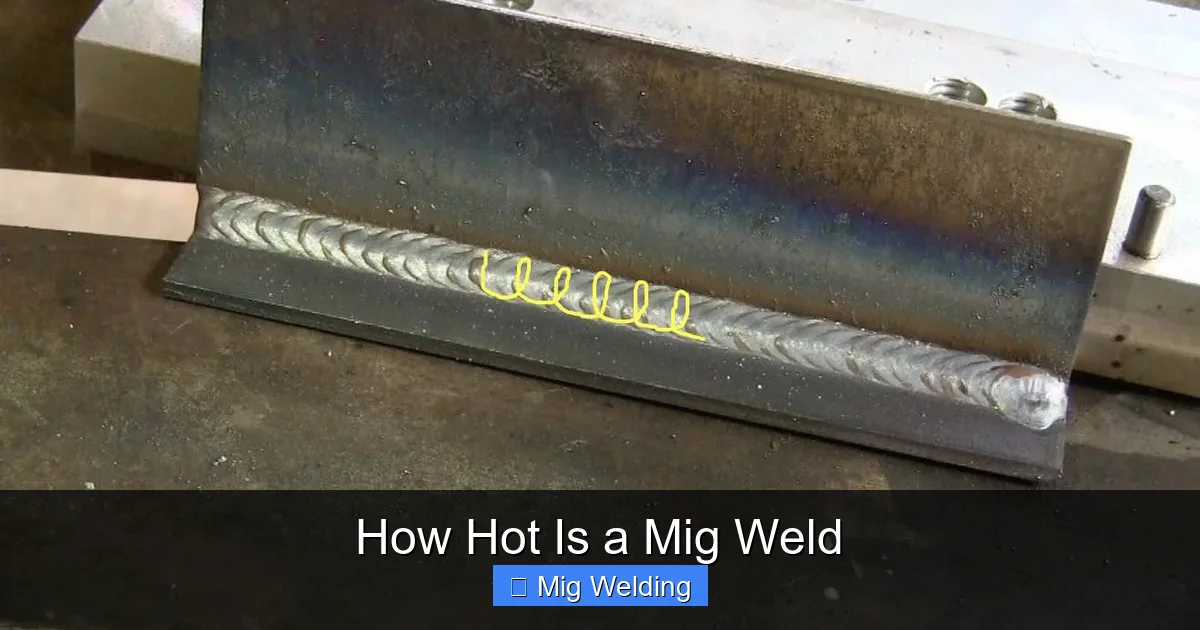
MIG welding generates extreme heat—up to 6,000°F (3,315°C)—at the arc point. This guide explains how temperature varies by material, settings, and technique, and why managing heat is crucial for strong, clean welds.
Key Takeaways
- MIG welding arcs reach up to 6,000°F (3,315°C): This extreme heat melts metal instantly, creating a strong bond between materials.
- Heat varies by material thickness and type: Thinner metals heat up faster and may warp if not controlled properly.
- Voltage and wire speed affect temperature: Higher settings increase heat output—adjust based on your project needs.
- Proper ventilation and PPE are essential: The intense heat produces harmful fumes and bright UV light—safety first.
- Preheating may be needed for thick or high-carbon metals: This reduces cracking and improves weld integrity.
- Cooling rate impacts weld strength: Slow cooling helps prevent brittleness, especially in structural applications.
- Use temperature-indicating sticks or infrared thermometers: These tools help monitor heat during critical welds.
How Hot Is a MIG Weld? A Complete Guide to Understanding Welding Temperatures
If you’re new to MIG welding or just curious about the science behind the spark, you’ve probably wondered: *How hot is a MIG weld, really?* The short answer? Extremely hot—up to 6,000°F (3,315°C) at the arc. But that’s just the beginning. In this guide, we’ll break down everything you need to know about MIG welding temperatures, from how heat is generated to how it affects your weld quality, safety, and technique.
Whether you’re welding thin sheet metal or thick steel plates, understanding heat is key to strong, clean, and safe welds. We’ll walk you through the science, the settings, and the best practices so you can weld with confidence.
What Is MIG Welding and How Does It Generate Heat?
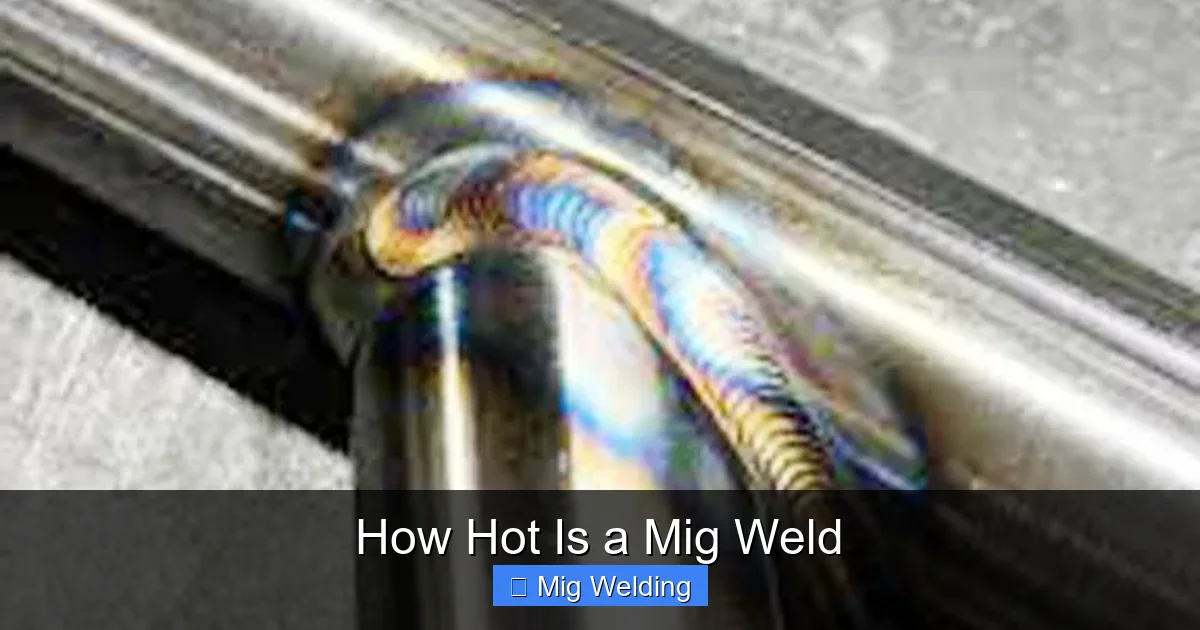
Visual guide about How Hot Is a Mig Weld
Image source: weldingproperty.com
MIG stands for Metal Inert Gas welding, also known as Gas Metal Arc Welding (GMAW). It uses a continuous wire electrode fed through a welding gun, which melts and fuses metal pieces together. A shielding gas—usually a mix of argon and CO₂—protects the weld pool from contamination.
The heat comes from an electric arc that forms between the wire electrode and the workpiece. When you pull the trigger on your MIG welder, electricity jumps the gap, creating a superheated plasma arc. This arc is where the magic—and the extreme heat—happens.
The Science Behind the Arc
The electric arc in MIG welding is essentially a controlled lightning bolt. It concentrates electrical energy into a tiny point, generating temperatures that can exceed 6,000°F (3,315°C). For comparison, the surface of the sun is about 10,000°F—so your welder is producing nearly two-thirds of that heat in a small, focused area.
This intense heat instantly melts the base metal and the filler wire, forming a molten pool called the weld puddle. As the puddle cools, it solidifies into a strong joint.
Temperature Ranges in MIG Welding
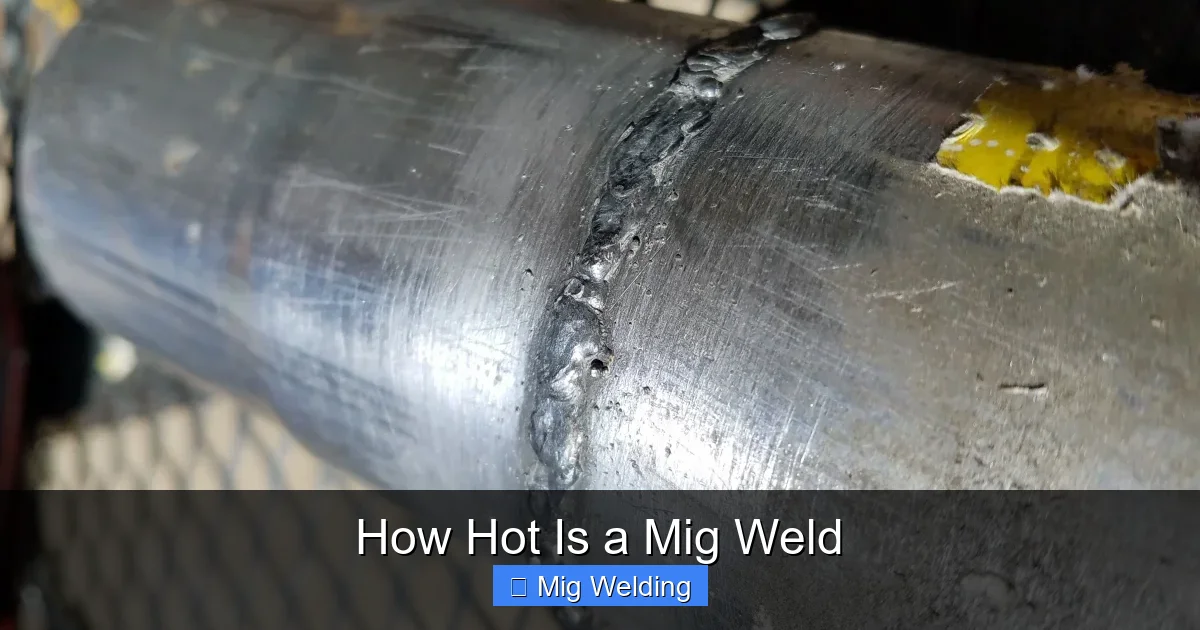
Visual guide about How Hot Is a Mig Weld
Image source: beginnerweldingguide.com
Not all MIG welds are created equal—and neither are their temperatures. The actual heat depends on several factors, including material, thickness, voltage, wire speed, and travel speed.
Average Arc Temperature
The core of the electric arc can reach:
- 5,500°F to 6,000°F (3,038°C to 3,315°C)
This is consistent across most MIG welding setups, regardless of material. However, the heat affected zone (HAZ)—the area around the weld that gets heated but not melted—varies widely.
Material Melting Points
Different metals melt at different temperatures, which affects how much heat is needed:
- Mild steel: ~2,500°F (1,371°C)
- Stainless steel: ~2,550°F to 2,600°F (1,399°C to 1,427°C)
- Aluminum: ~1,220°F (660°C)
- Cast iron: ~2,060°F (1,127°C)
Even though the arc is hotter than all of these, the actual welding temperature at the joint is closer to the metal’s melting point—plus some extra for fusion.
Heat Affected Zone (HAZ) Temperatures
The HAZ can reach temperatures between 1,000°F and 2,000°F (538°C to 1,093°C), depending on proximity to the arc. This zone is critical because rapid heating and cooling can change the metal’s microstructure, leading to brittleness or warping.
Factors That Influence Welding Heat
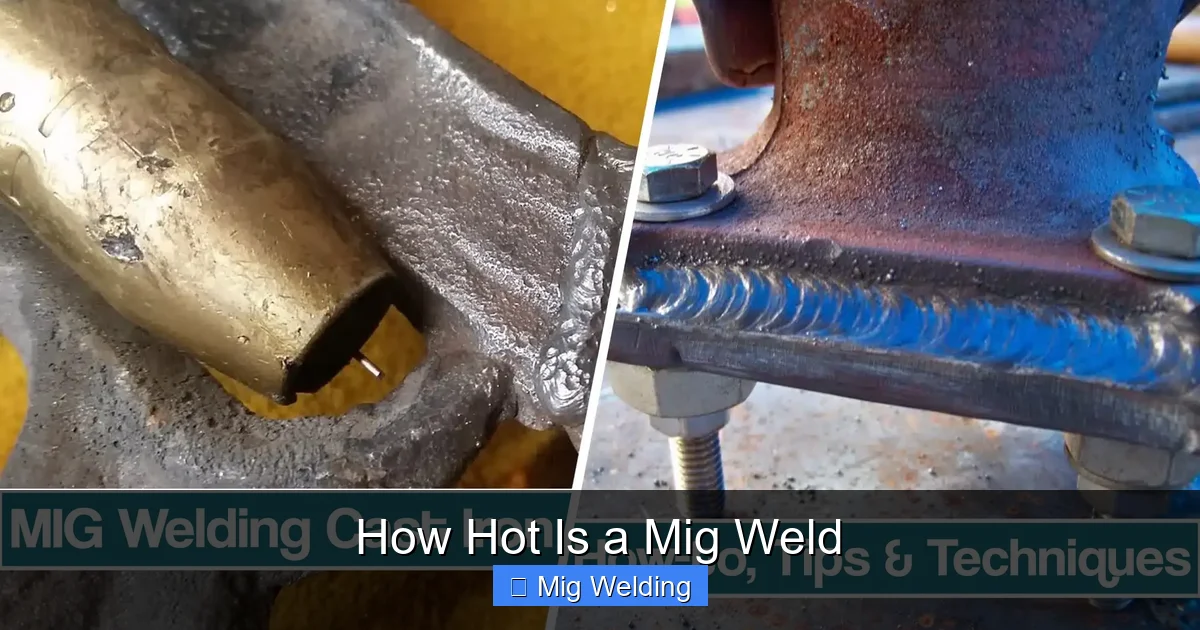
Visual guide about How Hot Is a Mig Weld
Image source: weldingpros.net
Understanding what controls heat helps you adjust your technique for better results.
Voltage Settings
Higher voltage = more heat. Most MIG welders have a voltage dial (usually 14–30 volts). For thin materials like 18-gauge steel, use lower voltage (14–16V). For ¼-inch steel, go higher (22–26V).
Wire Feed Speed (WFS)
Wire feed speed controls how much filler metal enters the weld. Faster WFS increases deposition rate and can add heat, but too fast can cause spatter and poor fusion.
Travel Speed
Moving too slowly puts too much heat into one spot, risking burn-through. Moving too fast doesn’t allow enough heat for proper penetration. Aim for a steady, consistent pace.
Material Thickness and Type
Thicker metals absorb and dissipate heat more slowly, so they require higher heat input. Aluminum, for example, conducts heat away quickly, so you may need higher voltage and faster travel to maintain the weld pool.
Joint Design and Fit-Up
Tight gaps and proper fit-up help distribute heat evenly. Gaps that are too wide can lead to lack of fusion, requiring more heat and increasing distortion risk.
How to Control Heat for Better Welds
Too much heat can warp metal, burn through thin sections, or create weak welds. Too little heat leads to lack of fusion. Here’s how to get it just right.
Use the Right Settings
Start with your welder’s recommended settings for your material and thickness. Most modern MIG welders have preset charts. Adjust in small increments and test on scrap metal.
Practice Proper Technique
Maintain a 30–45 degree gun angle and keep the nozzle ½ inch from the workpiece. Use a consistent travel speed—about 6–10 inches per minute for most applications.
Use Intermittent Welding (Stitch Welding)
For thin metals or long seams, weld in short bursts with cooling time in between. This reduces overall heat input and prevents warping.
Preheat When Necessary
Thick materials (over ½ inch) or high-carbon steels benefit from preheating to 300°F to 500°F (149°C to 260°C). This slows cooling and reduces cracking risk.
Use Heat Sinks
Copper or aluminum blocks placed near the weld absorb excess heat. This is especially useful for thin sheet metal or precision work.
Monitor with Temperature Tools
Use temperature-indicating sticks (like Tempilstiks) or an infrared thermometer to check surface temps before, during, and after welding. This is crucial for preheating and post-weld heat treatment.
Safety Considerations When Working with Extreme Heat
MIG welding isn’t just hot—it’s dangerous if you’re not careful. Always prioritize safety.
Wear Proper PPE
- Welding helmet with auto-darkening lens: Protects eyes from UV/IR radiation.
- Fire-resistant clothing: Leather apron, gloves, and long sleeves.
- Respirator or fume extractor: Welding fumes contain toxic metals like manganese and chromium.
- Closed-toe shoes and hearing protection: Full-body protection is a must.
Ensure Proper Ventilation
Weld in a well-ventilated area or use an exhaust system. Fumes can cause “metal fume fever”—a flu-like illness with fever, chills, and nausea.
Keep a Fire Extinguisher Nearby
Sparks and spatter can travel up to 35 feet. Have a Class ABC fire extinguisher ready and remove flammable materials from the area.
Avoid Burns and Eye Damage
Never touch the weld or electrode immediately after welding—they can stay hot for minutes. And never look at the arc without a helmet—UV exposure can cause “welder’s flash” (photokeratitis).
Troubleshooting Common Heat-Related Welding Problems
Even experienced welders run into heat issues. Here’s how to fix them.
Burn-Through (Holes in the Metal)
- Cause: Too much heat on thin material.
- Solution: Reduce voltage, increase travel speed, use a lower wire feed speed, or switch to a smaller diameter wire.
Lack of Fusion
- Cause: Insufficient heat or incorrect technique.
- Solution: Increase voltage slightly, slow travel speed, ensure proper gun angle, and clean base metal.
Warping or Distortion
- Cause: Uneven heating and cooling.
- Solution: Use clamping, tack welds, stitch welding, or preheating. Weld symmetrically when possible.
Excessive Spatter
- Cause: High voltage, incorrect wire stick-out, or dirty metal.
- Solution: Adjust voltage, keep wire stick-out under ¾ inch, and clean metal with a wire brush or grinder.
Cracking in the Weld or HAZ
- Cause: Rapid cooling, high carbon content, or hydrogen contamination.
- Solution: Preheat, use low-hydrogen wire, and control cooling rate with insulation or post-heating.
Conclusion: Mastering Heat in MIG Welding
So, how hot is a MIG weld? The arc hits up to 6,000°F—hot enough to melt steel in an instant. But the real skill isn’t just handling that heat—it’s controlling it. By understanding how voltage, wire speed, material, and technique affect temperature, you can produce strong, clean, and safe welds every time.
Remember: heat management is the difference between a warped, cracked mess and a professional-grade weld. Use the right settings, practice good technique, and always prioritize safety. With time and attention, you’ll not only understand how hot your MIG weld gets—you’ll master it.
Whether you’re fixing a trailer, building a frame, or crafting art, controlling heat is your superpower. Now go weld with confidence.
