

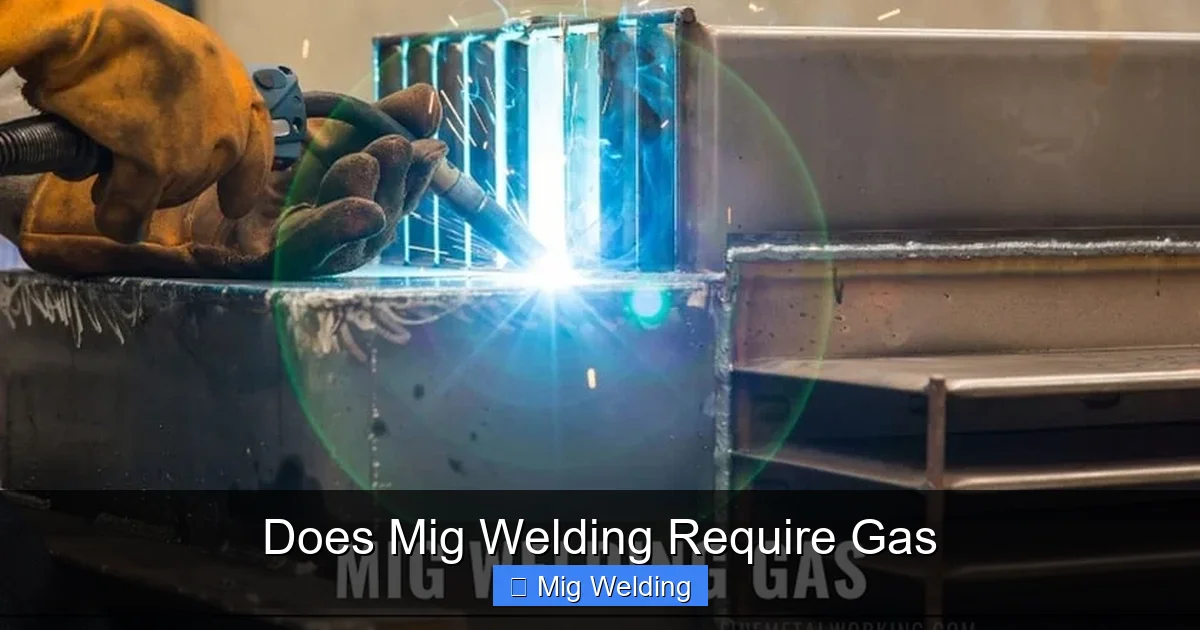
Does MIG Welding Require Gas?
If you’re new to welding, one of the common questions is whether MIG welding requires gas. The answer depends on the type of MIG welding you’re doing. In this guide, we’ll explore what MIG welding is, when it needs shielding gas, and how to choose the right method for your project.
Key Takeaways
- MIG welding typically requires shielding gas: The gas protects the weld from contamination, resulting in cleaner, stronger welds.
- Flux-cored MIG welding can be gasless: It uses a special wire with flux that shields the weld without external gas, ideal for outdoor or windy conditions.
- Choosing between gas and gasless methods depends on the environment: Gasless welding is better outside, while gas-shielded MIG offers cleaner, neater welds indoors.
- Gas types matter: Different gases like argon, CO2, or a mix influence weld quality and appearance.
- Proper equipment setup is key: Use the correct wire, gas, and settings for your specific welding method to ensure good results.
- Safety precautions are important: Always wear proper gear and work in well-ventilated areas when MIG welding, whether gasless or gas-shielded.
What Is MIG Welding?
MIG welding, or Metal Inert Gas welding, is a popular welding process that uses a continuous wire electrode fed through a welding gun. The process melts the wire and joins metals together. It’s favored for its speed, ease of use, and versatility.
Most MIG welders use shielding gas to protect the weld pool from contamination. This shielding gas creates a protective atmosphere around the weld, resulting in cleaner and stronger welds. But is gas always necessary? Not always. Let’s find out.
Does MIG Welding Require Gas?
1. Gas-Shielded MIG Welding
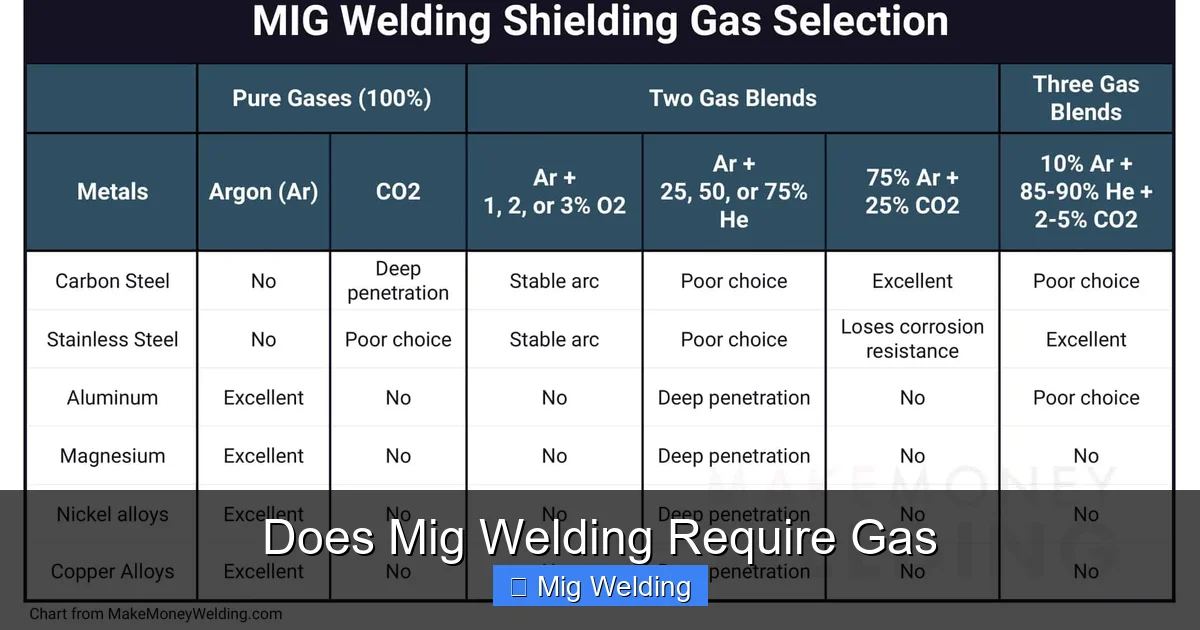
In standard MIG welding, shielding gas is essential. The gas protects the molten weld pool from atmospheric contamination, especially oxygen and nitrogen, which can cause defects like porosity or weak welds.
Visual guide about Does Mig Welding Require Gas
Image source: makemoneywelding.com
This method uses different types of gases, including:
- Argon: Often used for welding non-ferrous metals like aluminum.
- Carbon Dioxide (CO2): Cheaper and provides deeper penetration, common in steel welding.
- Gas mixtures: Combining argon and CO2 for better weld quality and appearance.
In this setup, the gas is supplied from a cylinder and flows around the wire, shielding the weld as it forms.
2. Gasless MIG Welding (Flux-Cored Arc Welding)
Gasless MIG welding, or flux-cored arc welding (FCAW), does not require external shielding gas. Instead, it uses a special wire that contains flux. The flux produces a shielding gas and slag to protect the weld pool.
This method is popular for outdoor welding or windy conditions because it isn’t affected by gusts of wind that can blow away external gas shields.
While it’s called “gasless,” it actually produces its own shielding gases during the process.
Advantages and Disadvantages of Gas vs. Gasless MIG Welding
Gas-Shielded MIG Welding
- Pros: Produces cleaner, smoother welds with minimal slag, ideal for indoor use.
- Cons: Requires gas cylinders, which can be costly and cumbersome. Not suitable outdoors in windy conditions.
Gasless MIG Welding
- Pros: No need for external gas, easier setup outdoors, good for thick materials.
- Cons: Produces more slag, which needs cleaning, and may result in less neat welds.
When Should You Use Gas or No-Gas MIG Welding?
Choosing between gas and no-gas MIG welding depends on your working environment and project requirements:
Visual guide about Does Mig Welding Require Gas
Image source: weldingproperty.com
Visual guide about Does Mig Welding Require Gas
Image source: minoo-cn.com
- Indoor welding: Gas-shielded MIG is preferred for clean, high-quality welds.
- Outdoor welding: Flux-cored (gasless) welding is better due to wind resistance.
- Thin materials: Gas-shielded MIG provides cleaner and more precise welds.
- Thick or rusty materials: Flux-cored welding can handle dirtier, thicker metals more effectively.
How to Set Up MIG Welding for Gas or No-Gas Methods
1. Equipment Needed
- For gas-shielded MIG: MIG welder, shielding gas cylinder, appropriate wire.
- For gasless MIG: MIG welder set for flux-cored wire, flux-cored wire spool.
2. Setting Up for Gas-Shielded MIG
- Attach the gas cylinder: Connect the regulator and ensure tight seals.
- Set the flow rate: Usually 20-30 CFH (cubic feet per hour), depending on the material.
- Choose the right wire and voltage: Follow your welder’s specifications.
3. Setting Up for Gasless MIG
- Insert flux-cored wire: Load the spool into your welder.
- Adjust the voltage and wire feed: Refer to the manufacturer’s guidelines.
- Set shielding gas options: Turn off or disconnect gas lines.
Practical Tips for MIG Welding
- Clean your metals: Remove rust, paint, or dirt for better results.
- Maintain proper distance: Keep the welding gun about ¼ inch from the workpiece.
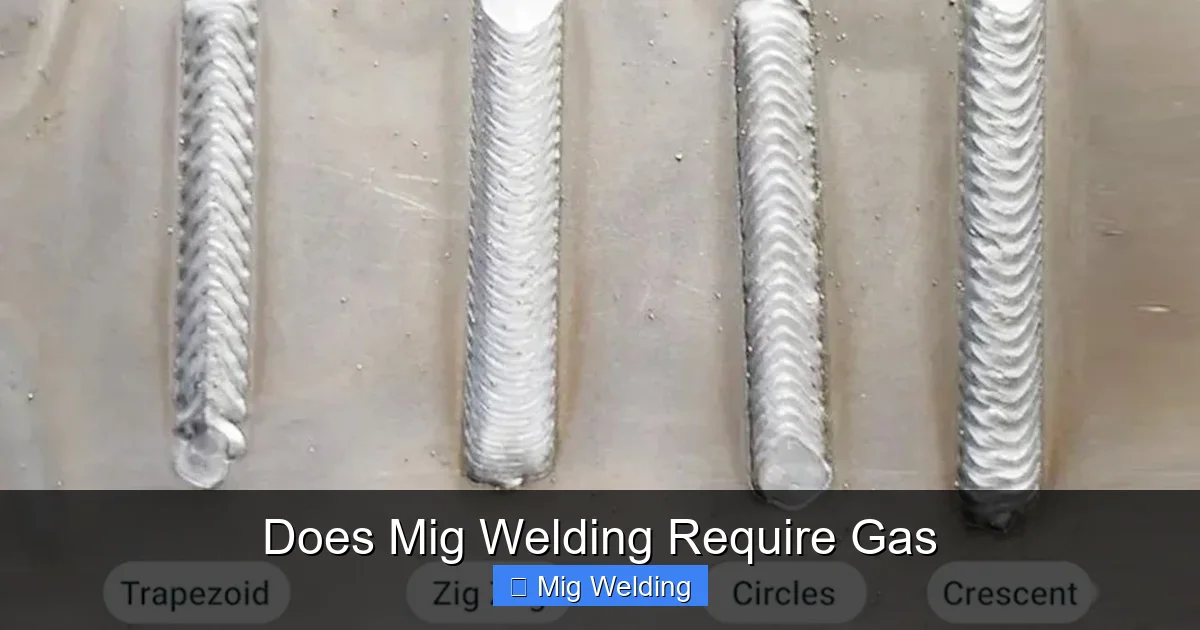
- Use the right speed: Move steadily to avoid weak or overlapping welds.
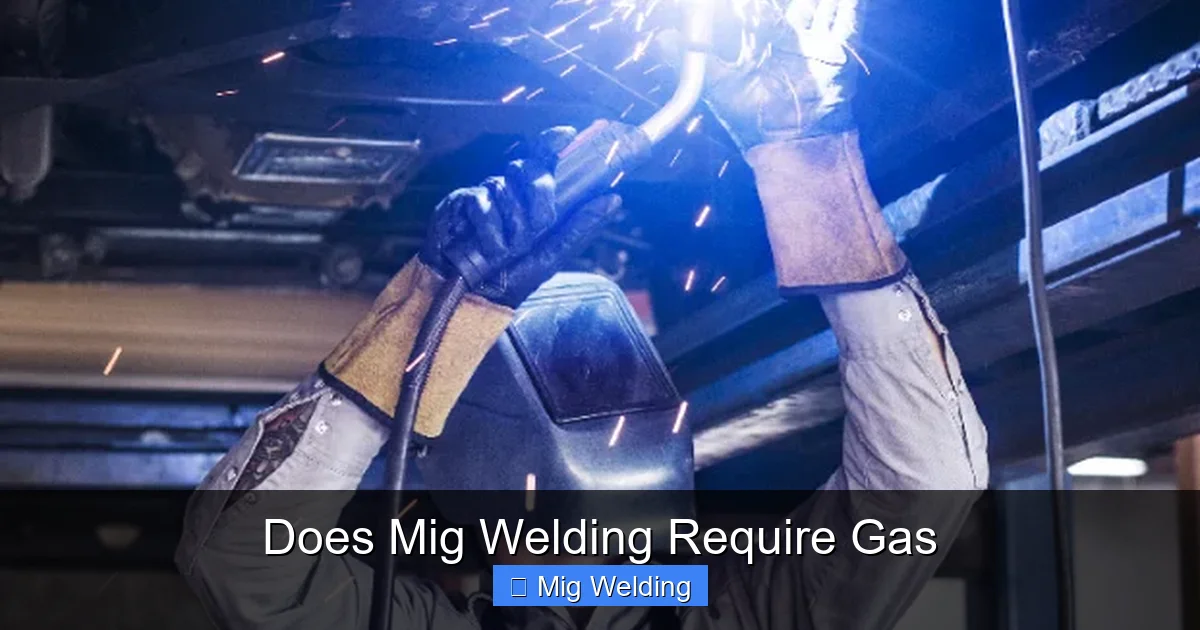
- Practice safety: Wear appropriate gear, including gloves, helmet, and ventilation.
Troubleshooting Common MIG Welding Issues
Porosity or Holes in Welds
Usually caused by contaminated gas or dirty metals. Ensure proper cleaning and check gas flow.
Inconsistent Weld Bead
Maintain a steady hand and consistent travel speed. Check wire feed settings.
Spatter Excess
Adjust voltage and wire feed. Use the correct shielding gas or flux wire.
Conclusion
In summary, MIG welding generally requires shielding gas for the best results. However, flux-cored wire allows for gasless welding, making it more versatile for outdoor or windy conditions. Understanding your project needs and environment will help you decide which method to use. With the right setup and safety precautions, you can achieve strong, clean welds whether you choose gas-shielded or flux-cored MIG welding.
Additional Resources
For detailed equipment setup and safety tips, consult your welder’s manual or seek guidance from professional welders.
