
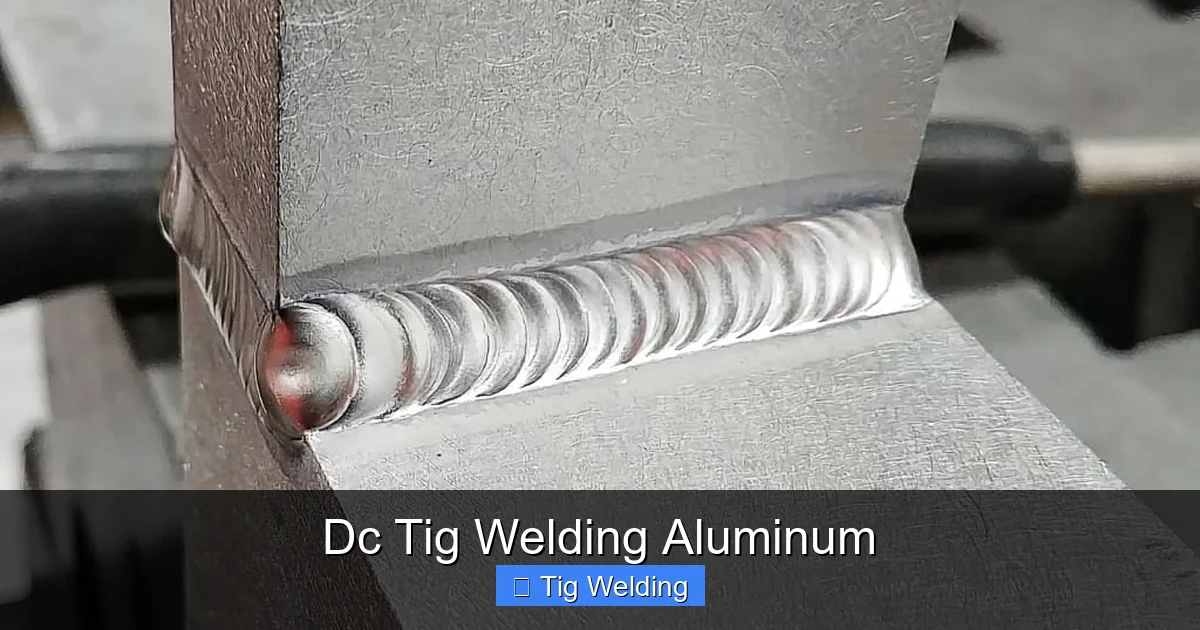
DC TIG welding aluminum can be challenging but rewarding with the right techniques and equipment. Understanding the process and best practices ensures strong, clean welds on aluminum parts. Whether you’re a hobbyist or professional, mastering DC TIG welding aluminum opens up new possibilities for precision welding projects.
Key Takeaways
- DC TIG welding is suitable for aluminum: While traditionally AC is preferred, DC TIG can be used for specific aluminum welding applications.
- Prepping aluminum is crucial: Proper cleaning and preparation prevent contamination and ensure high-quality welds.
- Electrode choice matters: Use a tungsten electrode suited for DC welding, such as thoriated or lanthanated, for better arc stability.
- Control heat input: Managing heat is vital to prevent warping and melting through when welding aluminum with DC TIG.
- Shielding gas is essential: Use pure or high-purity argon to protect the weld pool from oxidation and contamination.
- Practice and patience: Achieving quality aluminum welds with DC TIG takes time and consistent technique refinement.
Quick Answers to Common Questions
Question 1?
Can I weld aluminum with DC TIG welding?
Yes, although AC TIG is preferred, DC TIG can be used for aluminum in certain situations, especially with proper prep and technique.
Question 2?
What equipment do I need for DC TIG welding aluminum?
You’ll need a DC-capable TIG welder, suitable tungsten electrodes, pure argon shielding gas, and aluminum filler rods.
Question 3?
How do I prepare aluminum for DC TIG welding?
Clean thoroughly with a wire brush and chemical cleaners, remove oxide layers, and ensure proper fit-up and clamping.
Question 4?
What settings should I use for DC TIG welding aluminum?
Start with low amperage based on thickness, maintain a steady arc, and adjust as needed. Use a 15-20 degree electrode angle and appropriate filler feed.
Question 5?
What are common issues when welding aluminum with DC TIG and how to fix them?
Oxide contamination and porosity are common. Use proper cleaning, maintain shielding, and control heat input to prevent these problems.
📑 Table of Contents
- Introduction to DC TIG Welding Aluminum
- Understanding the Basics of TIG Welding
- DC vs. AC TIG Welding for Aluminum
- Equipment Needed for DC TIG Welding Aluminum
- Preparation of Aluminum for DC TIG Welding
- DC TIG Welding Techniques for Aluminum
- Common Challenges and How to Overcome Them
- Conclusion: Mastering DC TIG Welding Aluminum
Introduction to DC TIG Welding Aluminum
When it comes to welding aluminum, most people think of using AC TIG welding because of its ability to clean the oxide layer on aluminum surfaces. However, DC TIG welding can also be employed effectively in certain situations, offering advantages like simpler equipment and easier control. Understanding how to weld aluminum with DC TIG is a valuable skill for welders seeking versatility and precision in their projects.
In this article, we’ll explore the ins and outs of DC TIG welding aluminum, including equipment choices, preparation tips, techniques, and troubleshooting. Whether you’re a beginner or an experienced welder, you’ll find practical advice to help you get the best results with DC TIG welding aluminum.
Understanding the Basics of TIG Welding
What is TIG Welding?
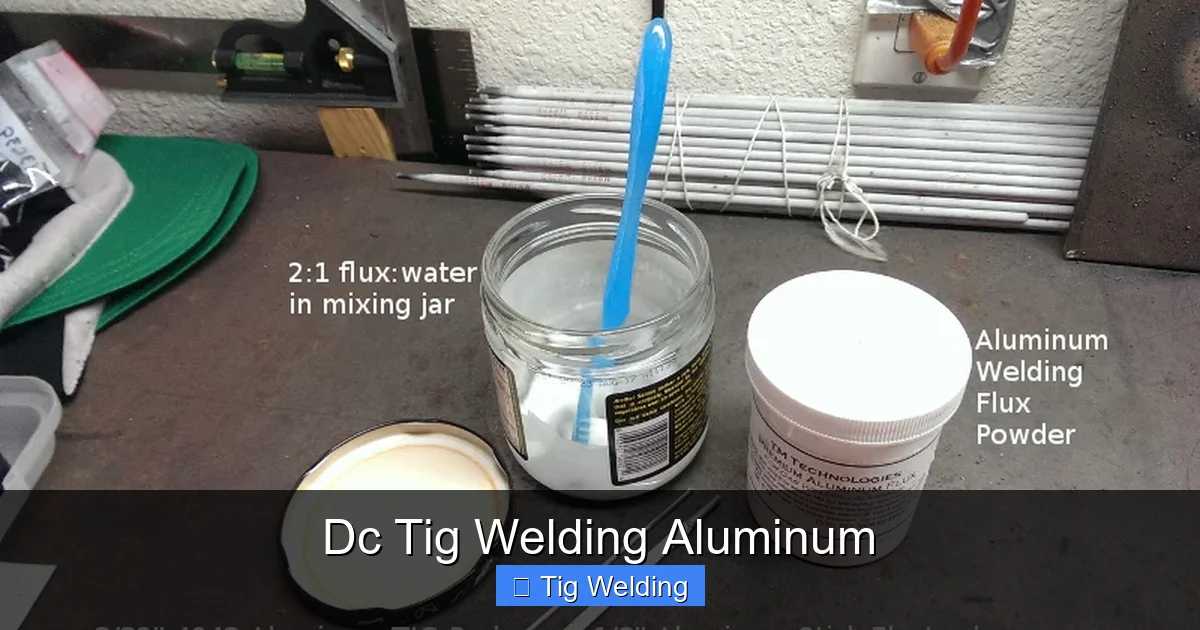
Gas Tungsten Arc Welding (GTAW), commonly known as TIG welding, uses a non-consumable tungsten electrode to produce the weld. Filler metal can be added manually if needed. The process creates a high-quality, precise weld, making it popular for thin materials and critical applications.
Visual guide about Dc Tig Welding Aluminum
Image source: hildstrom.com
Why Choose TIG for Aluminum?
Aluminum’s properties—such as its high thermal conductivity and oxide layer—make it tricky to weld. TIG welding provides excellent control and produces clean, strong welds, especially when dealing with thin or delicate aluminum parts.
DC vs. AC TIG Welding for Aluminum
Why AC is Traditionally Preferred
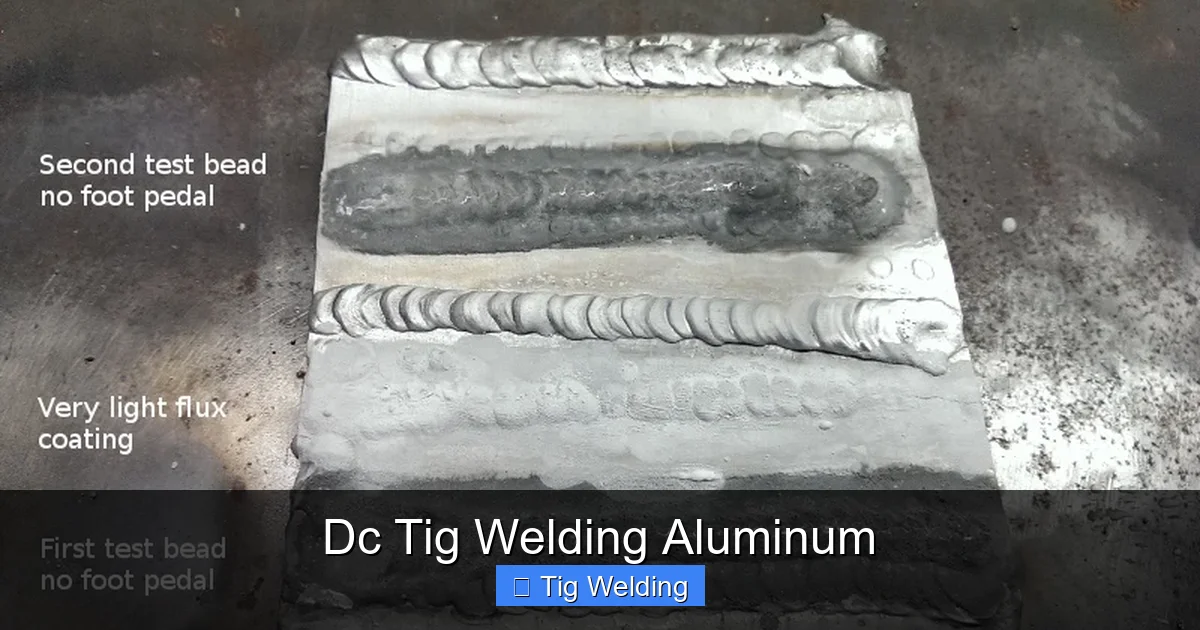
AC (Alternating Current) is generally favored because it naturally cleans the aluminum surface by reversing polarity, breaking down the oxide layer during each cycle. This results in a cleaner weld surface and better fusion.
Visual guide about Dc Tig Welding Aluminum
Image source: hildstrom.com
When to Use DC for Aluminum
While AC is the go-to for aluminum, DC welding can be used in specific cases, such as when welding thicker aluminum sections or when AC machines aren’t available. DC provides a stable arc and is simpler to set up, but it requires careful technique to manage oxide build-up and heat input.
Equipment Needed for DC TIG Welding Aluminum
TIG Power Supply
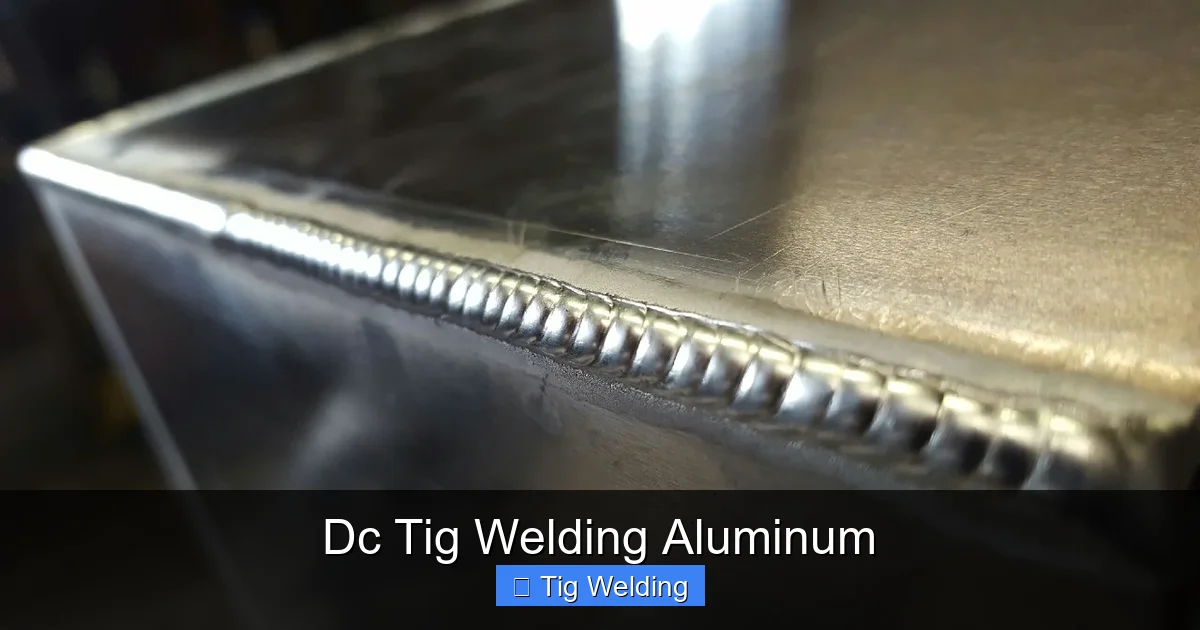
Choose a high-quality TIG welder capable of DC output with adjustable amperage. Some models may have specialized features for aluminum welding, like high-frequency start or pulse capabilities.
Visual guide about Dc Tig Welding Aluminum
Image source: i.ytimg.com
Electrode Selection
Use tungsten electrodes designed for DC welding—thoriated (red tip), lanthanated (gold), or ceriated (orange)—depending on your preference and specific application. Keep the electrode sharp for a stable arc.
Shielding Gas
Pure argon or a mixture with helium provides the necessary shielding to prevent oxidation. Maintain a consistent gas flow of around 15-20 CFM for optimal protection.
Additional Accessories
- Filler rod: Use aluminum filler rods of matching alloy for strong, compatible welds.
- Clamps and ground: Ensure a good electrical connection for stable welding.
- Cleaning tools: Wire brushes and chemical cleaners to prepare the aluminum surface.
Preparation of Aluminum for DC TIG Welding
Cleaning the Surface
Aluminum surfaces must be thoroughly cleaned to remove oil, grease, dirt, and oxidation. Use a stainless steel wire brush dedicated to aluminum or chemical cleaners like acetone or specialized degreasers. Avoid cross-contamination with steel brushes, which can cause corrosion.
Removing Oxide Layers
The oxide layer on aluminum forms quickly and must be removed or disrupted during welding. While AC naturally cleans the surface, with DC, careful cleaning and sometimes a brief preheating can help. Some welders use a dedicated cleaning pass before welding the main joint.
Proper Fit-up and Clamping
Ensure the aluminum pieces are well-fitted and clamped securely. Gaps should be minimal to prevent excessive heat input and warping. Proper fixturing helps maintain consistent weld quality.
DC TIG Welding Techniques for Aluminum
Setting the Right Parameters
Start with a low amperage and gradually increase based on the thickness. For thin aluminum, 50-100 amps may suffice; for thicker sections, 150-200 amps or more might be necessary. Use a steady hand and maintain a smooth travel speed.
Electrode Angle and Distance
Hold the tungsten electrode at about a 15-20 degree angle from vertical, pointing toward the weld pool. Keep the tip about 1/8 inch (3mm) from the workpiece for stable arc and good heat transfer.
Filler Metal Addition
Feed the filler rod into the leading edge of the weld pool at a steady rate. Keep the arc stable and avoid pauses, which can cause inconsistencies or contamination.
Controlling Heat Input
Use a lower amperage and shorter arc length to prevent excessive heat. Consider using pulse welding modes if your machine supports it, to control heat and reduce warping.
Practice Makes Perfect
Practice on scrap pieces to dial in settings. Focus on maintaining a consistent arc, proper filler addition, and minimizing contamination.
Common Challenges and How to Overcome Them
Oxide Contamination
Since DC doesn’t naturally clean the surface, contamination is a common issue. Regular cleaning and proper shielding gas flow help prevent this problem.
Porosity and Weak Welds
Ensure your shielding gas is pure and free of leaks. Maintain a consistent arc and avoid drafts that can disturb the shielding gas coverage.
Warpage and Distortion
Limit heat input by adjusting amperage, using shorter weld passes, and applying intermittent welding techniques.
Difficulty Starting the Arc
Use high-frequency start if available, or touch the tungsten lightly on the workpiece to establish an arc without contamination.
Conclusion: Mastering DC TIG Welding Aluminum
While AC remains the preferred method for welding aluminum, DC TIG welding can be a useful alternative in specific scenarios. It requires careful preparation, the right equipment, and proper technique. With practice, you can achieve clean, strong welds on aluminum using DC TIG, opening up new possibilities for your welding projects.
Remember, patience and consistency are key. Continue honing your skills, and you’ll find that welding aluminum with DC TIG becomes easier and more reliable over time. Whether repairing, fabricating, or customizing aluminum parts, mastering this technique expands your welding toolkit significantly.
Frequently Asked Questions
Is DC TIG welding suitable for all aluminum thicknesses?
DC TIG is generally better suited for thicker aluminum sections. For very thin materials, AC TIG provides better cleaning and control.
Can I use the same filler metal for DC TIG welding aluminum as I do with AC?
Yes, use matching aluminum filler rods designed for your specific alloy to ensure strong, compatible welds regardless of the current type.
Does DC TIG welding produce as clean welds as AC?
Not always. AC TIG often produces cleaner welds on aluminum due to its natural oxide removal cycle. DC welds may require more preparation and cleaning.
Is special training needed to weld aluminum with DC TIG?
Basic TIG welding skills are necessary, but specific techniques for aluminum, like proper cleaning and heat control, are essential. Practice is highly recommended.
Can I switch between AC and DC TIG welding on the same machine?
Many TIG welders are multi-process and allow switching between AC and DC modes, giving you flexibility for different materials and applications.
What safety precautions should I take when TIG welding aluminum?
Always wear proper protective gear, including gloves, helmet, and protective clothing. Ensure good ventilation and handle gases and electrical components safely.
