


Welding aluminium with a MIG welder is possible, but it requires specific equipment and techniques. This guide walks you through the process step-by-step, offering practical tips to help you succeed in aluminium MIG welding.
Key Takeaways
- Use the right wire: Choose 100% aluminum wire, such as ER4043 or ER5356, for best results.
- Set correct parameters: Adjust wire feed speed, voltage, and shielding gas flow specifically for aluminium.
- Use proper shielding gas: Pure argon or a mix with helium provides optimal protection for aluminium welds.
- Prepare your materials: Clean aluminium thoroughly to remove oxide layers and contaminants before welding.
- Practice good technique: Maintain a steady travel speed and proper angle to ensure strong, clean welds.
- Troubleshoot common issues: Address porosity, cracking, or poor penetration by adjusting settings and preparation.
Can You Weld Aluminium with a MIG Welder?
Many hobbyists and professionals wonder if their MIG welder can handle aluminium. The short answer is: yes, you can weld aluminium with a MIG welder, but there are some important considerations. Unlike steel, aluminium has different properties that require specific equipment, settings, and techniques. In this guide, you’ll learn everything you need to know to successfully MIG weld aluminium, from choosing the right materials to troubleshooting common problems.
Understanding MIG Welding and Aluminium
MIG (Metal Inert Gas) welding, also known as GMAW (Gas Metal Arc Welding), uses a continuous wire feed and shielding gas to create a weld. It is popular because it’s fast, versatile, and relatively easy to learn. However, aluminium’s unique characteristics—like its high thermal conductivity and oxide layer—make welding it more challenging than steel.
Visual guide about Can You Weld Aluminium with Mig Welder
Image source: i.ytimg.com
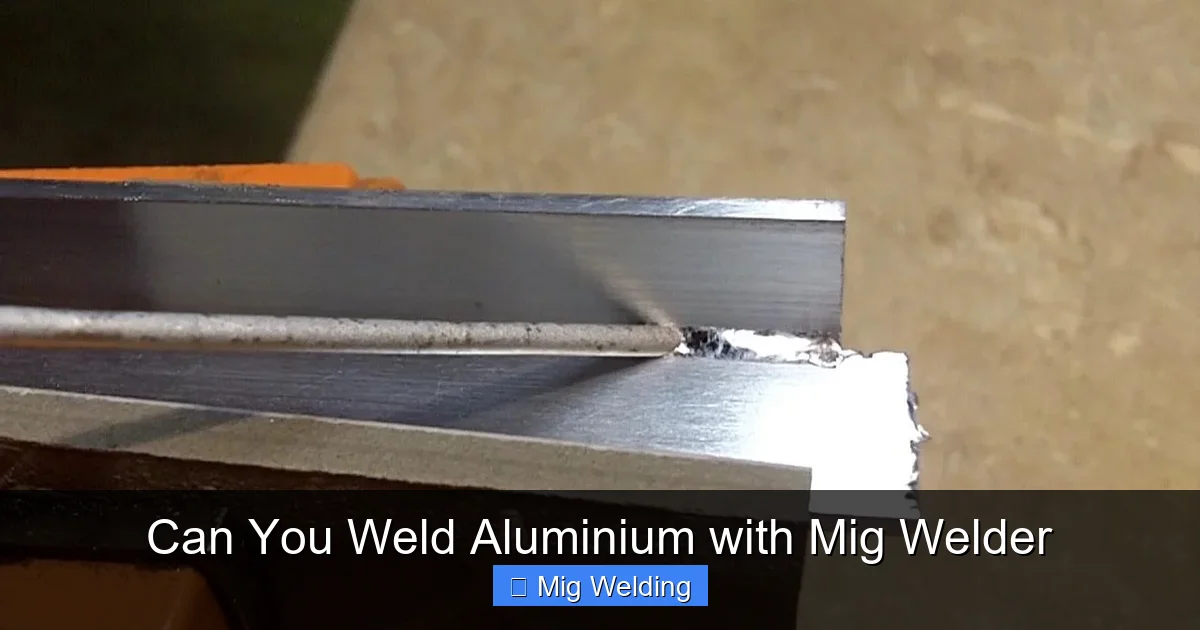
When MIG welding aluminium, you need to use a spool gun or a dedicated aluminium MIG torch, special aluminium wire, and a compatible shielding gas. Proper preparation and settings are crucial for achieving strong, clean welds.
Equipment Needed for MIG Welding Aluminium
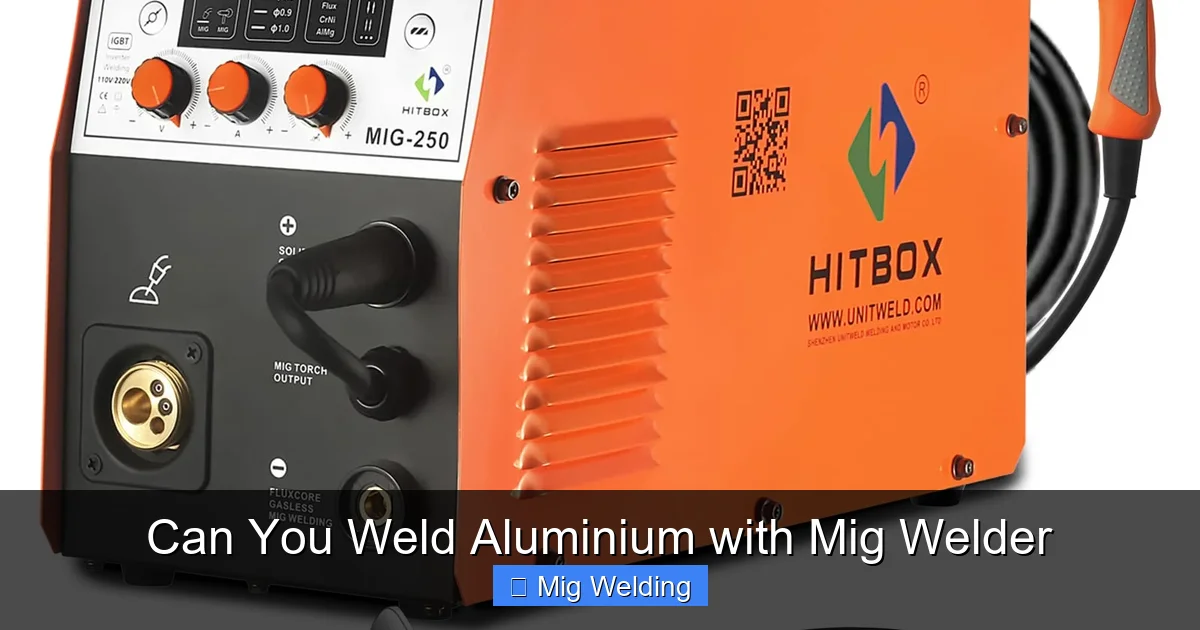
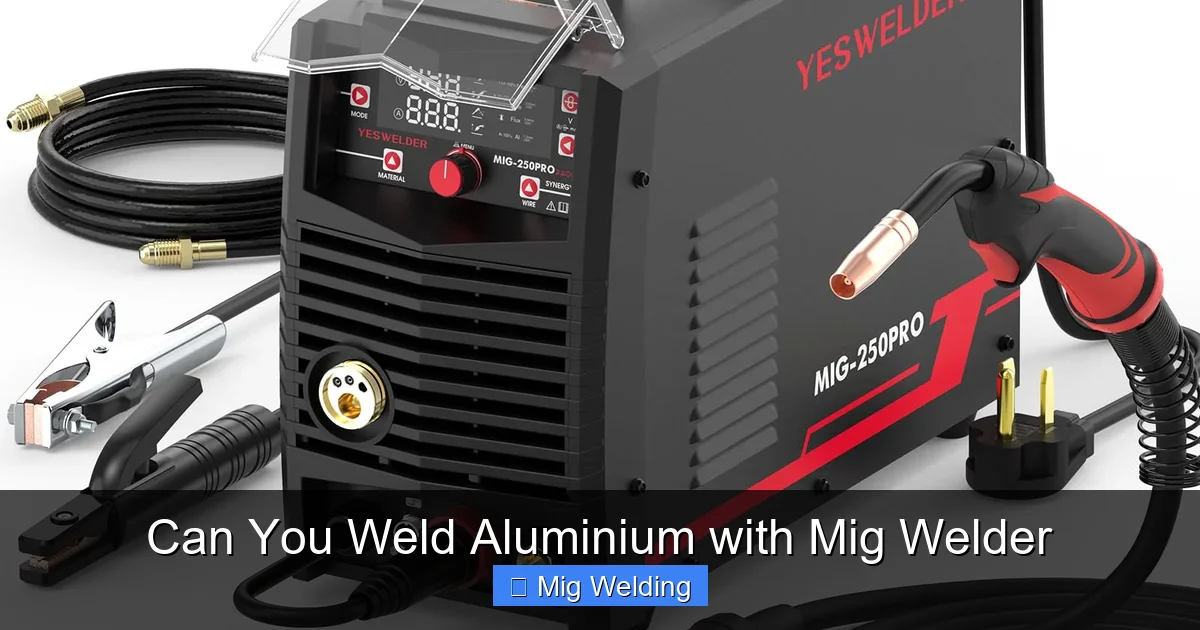
- MIG welder capable of high-frequency or pulsed welding: Not all MIG welders are suitable for aluminium. Look for models that support spool guns or have adjustable parameters for aluminium welding.
- Aluminium wire: Use 100% aluminium wire such as ER4043 or ER5356. The wire diameter depends on your project size, typically 0.035″ or 0.045″.
- Spool gun or dedicated torch: Spool guns help feed soft aluminium wire smoothly, preventing bird-nesting and feeding issues.
- Shielding gas: Pure argon or a mix of argon and helium (e.g., 75% argon/25% helium) provides optimal shielding for aluminium.
- Proper safety gear: Welding helmet, gloves, protective clothing, and proper ventilation.
Preparing Aluminium for Welding
Preparation is key to a good aluminium weld. The surface must be clean and free of oxide, oil, dirt, or paint.
Visual guide about Can You Weld Aluminium with Mig Welder
Image source: m.media-amazon.com
Visual guide about Can You Weld Aluminium with Mig Welder
Image source: m.media-amazon.com
Cleaning the Surface
- Use a stainless steel wire brush dedicated to aluminium to remove oxide layers. Do this immediately before welding.
- For thorough cleaning, use chemical cleaners or acetone to remove grease and oil.
- Ensure the aluminium surface is dry and free of contaminants.
Remember: Never weld over oxidized or dirty aluminium, as it leads to porosity and weak welds.
Setting Up Your MIG Welder for Aluminium
Adjusting Parameters
- Wire feed speed: Set based on wire diameter. Typically, 200-400 inches per minute.
- Voltage: Slightly higher than steel settings, usually 16-24 volts depending on thickness.
- Shielding gas flow: 20-30 CFH (cubic feet per hour) for optimal coverage.
- Polarity: Use DC electrode positive (DCEP).
Using a Spool Gun
- Attach the spool gun to your MIG welder as per manufacturer instructions.
- Load the aluminium wire spool onto the spool gun.
- Ensure the wire feeds smoothly without tangles or bird-nesting.
Welding Technique for Aluminium with a MIG Welder
Tips for a Successful Weld
- Maintain a steady travel speed: Too slow causes burn-through; too fast results in poor penetration.
- Hold the gun at a 15-20 degree angle: Slightly tilted in the direction of travel.
- Keep a consistent arc: Maintain a short, steady arc length—about the diameter of the wire.
- Use weaving or stringer beads: For better control and penetration.
Practical Welding Steps
- Position your workpiece securely and clamp it down.
- Set up your welder with the correct wire, gas, and parameters.
- Clean the aluminium surface thoroughly.
- Put on safety gear and start with a test weld on scrap material.
- Adjust settings as needed based on test results.
- Begin welding with a smooth, steady motion, maintaining the correct angle and distance.
- Cool the welds properly and check for defects.
Common Challenges and Troubleshooting
- Porosity: Caused by contamination or insufficient shielding gas. Ensure proper cleaning and gas flow.
- Cracking: Due to rapid cooling or incorrect settings. Use appropriate heat input and preheat if necessary.
- Poor penetration: Increase voltage or travel speed carefully.
- Bird nesting or wire feeding issues: Check the spool gun tension and wire path.
Conclusion
Welding aluminium with a MIG welder is achievable with the right tools, preparation, and technique. It’s important to use the correct wire, shielding gas, and cleaning methods to ensure strong, clean welds. With practice, you can produce professional-quality aluminium welds for various projects. Remember, patience and attention to detail are key to mastering aluminium MIG welding.
Final Tips
- Always clean aluminium thoroughly before welding.
- Use a spool gun or dedicated torch for best results.
- Adjust your welder settings based on test welds.
- Practice on scrap pieces before working on your main project.
- Wear proper safety gear and work in a well-ventilated area.
