

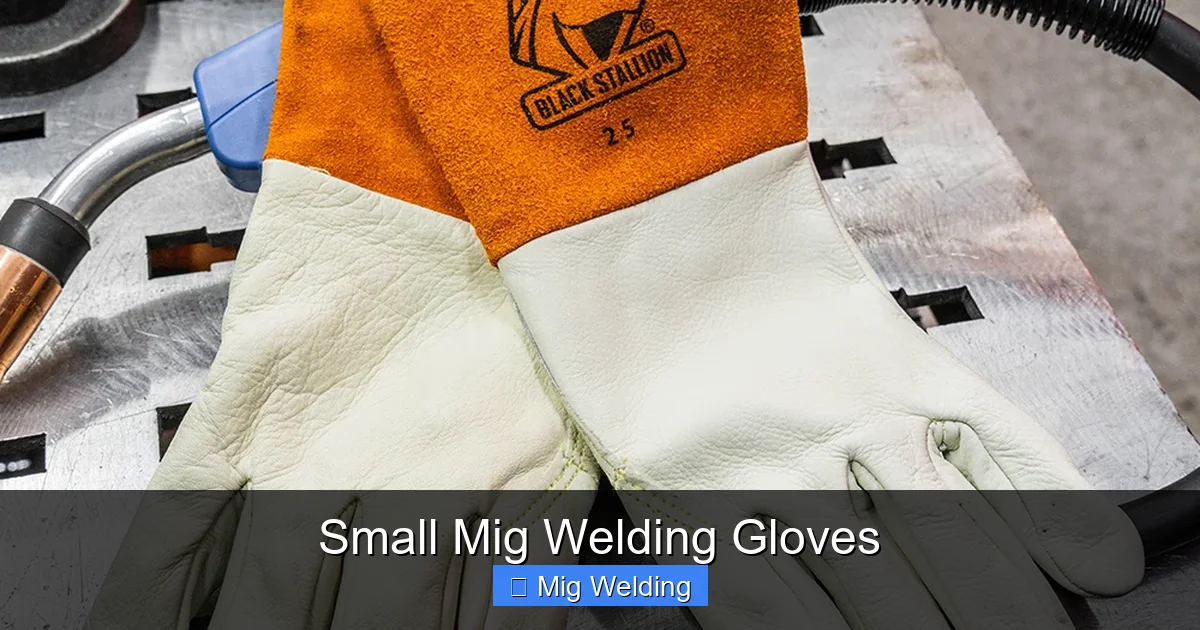
Small MIG welding gloves offer improved control and comfort for detailed welding tasks. This guide walks you through selecting the right pair, using them safely, and keeping them in top shape for long-term performance.
Key Takeaways
- Proper fit is essential: Small MIG welding gloves should fit snugly without restricting movement, ensuring better control and reduced hand fatigue.
- Material matters: Look for gloves made from high-quality leather like goatskin or cowhide, which offer heat resistance and flexibility.
- Dexterity over bulk: Smaller gloves prioritize finger mobility, making them ideal for precision work on thin metals or tight spaces.
- Safety first: Always check for ANSI or EN safety certifications to ensure the gloves meet industry standards for heat and flame resistance.
- Maintenance extends life: Clean and inspect your gloves regularly to prevent wear and maintain protective qualities.
- Pair with other PPE: Use gloves alongside a welding helmet, apron, and proper clothing for full-body protection.
- Replace when needed: Worn or damaged gloves lose effectiveness—replace them at the first sign of thinning, holes, or stiffness.
Why Small MIG Welding Gloves Are a Game-Changer
If you’ve ever struggled to weld in tight corners or on delicate materials, you know how frustrating it can be when your gloves feel too bulky or stiff. That’s where small MIG welding gloves come in. Designed for better fit and enhanced dexterity, these gloves are perfect for hobbyists and professionals alike who need precision without sacrificing protection.
In this guide, you’ll learn how to choose the best small MIG welding gloves for your needs, how to use them safely, and how to care for them so they last. Whether you’re working on automotive repairs, custom fabrication, or home DIY projects, the right gloves can make all the difference.
Understanding What Makes Small MIG Welding Gloves Different
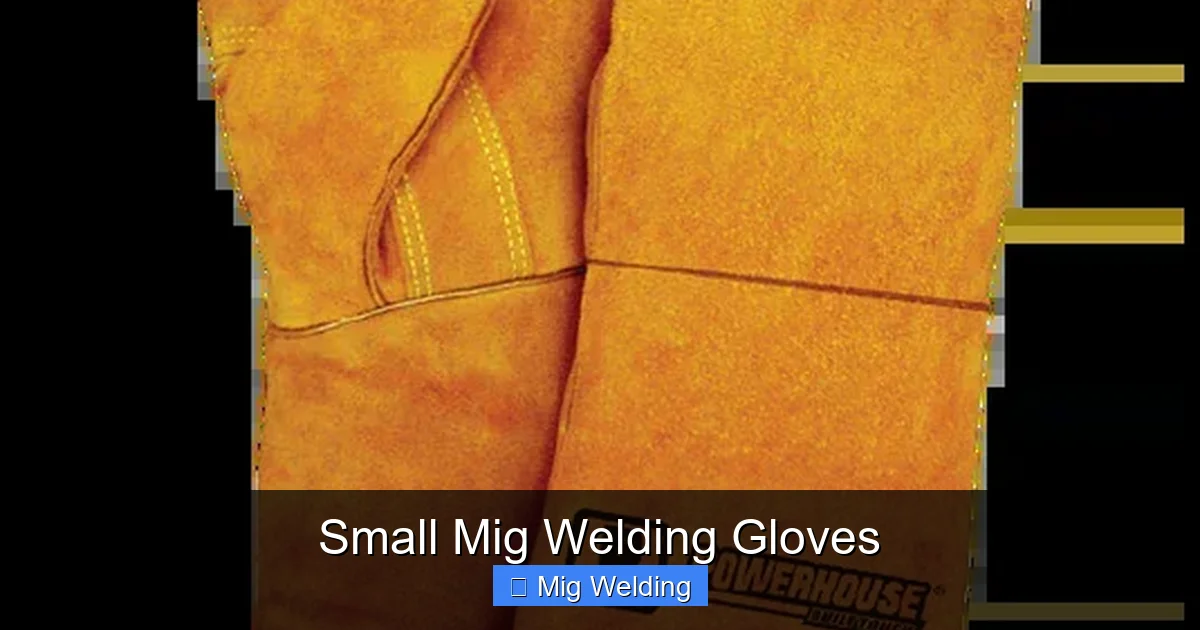
Visual guide about Small Mig Welding Gloves
Image source: powerhouse.com.ph
Not all welding gloves are created equal. Standard welding gloves are often large and padded, which is great for heavy-duty work but overkill for detailed MIG welding tasks. Small MIG welding gloves are specifically designed to offer a balance between protection and agility.
Key Features of Small MIG Welding Gloves
- Snug fit: Tailored for smaller hands or those who prefer a tighter grip, reducing hand fatigue during long sessions.
- Flexible materials: Often made from soft yet durable leather like goatskin, allowing for better finger movement.
- Reinforced stitching: Double or triple stitching in high-wear areas increases durability.
- Heat-resistant lining: Inner layers protect against sparks and brief contact with hot metal.
- Extended cuffs: Provide wrist and forearm protection without adding bulk.
These features make small MIG welding gloves ideal for tasks like welding sheet metal, exhaust systems, or intricate frame work where control is critical.
How to Choose the Right Small MIG Welding Gloves

Visual guide about Small Mig Welding Gloves
Image source: harborfreight.com
Picking the perfect pair starts with knowing what to look for. Here’s a step-by-step approach to finding gloves that fit your needs.
Step 1: Determine Your Hand Size
Welding gloves that are too loose can slip, while overly tight gloves restrict movement. Use a soft measuring tape to measure the circumference of your hand just below the knuckles (excluding the thumb). Compare this to the manufacturer’s sizing chart. Most brands offer small, medium, large, and extra-small options—don’t assume “small” means one-size-fits-all.
Step 2: Choose the Right Leather Type
Leather is the most common material for welding gloves due to its heat resistance and durability. For small MIG welding gloves, consider:
- Goatskin: Soft, flexible, and highly dexterous—perfect for detailed work.
- Cowhide: Thicker and more abrasion-resistant, ideal for longer welding sessions.
- Pigskin: Lightweight and breathable, great for lighter tasks.
Goatskin is often the top choice for small gloves because it offers the best balance of comfort and protection.
Step 3: Check for Safety Certifications
Always look for gloves that meet safety standards such as ANSI/ISEA 105 (U.S.) or EN 12477 (Europe). These certifications ensure the gloves have been tested for heat resistance, flame spread, and durability. A certified glove gives you peace of mind that your hands are truly protected.
Step 4: Evaluate Cuff Length and Design
MIG welding generates sparks and spatter that can travel up your sleeve. A longer cuff (6–8 inches) helps protect your forearm. Some gloves feature a gauntlet-style cuff with a secure strap or elastic closure to keep debris out. For small gloves, ensure the cuff doesn’t add unnecessary bulk.
Step 5: Test for Dexterity and Comfort
If possible, try the gloves on before buying. Can you easily grip a welding torch? Can you make a fist or pick up small objects? The best small MIG welding gloves should feel like a second skin—protective but not restrictive.
How to Use Small MIG Welding Gloves Safely
Even the best gloves won’t protect you if they’re not used correctly. Follow these best practices to stay safe and get the most out of your gloves.
Wear Them Consistently
Always wear your gloves when welding—even for quick tacks. Sparks can reach temperatures over 3,000°F and cause serious burns in seconds. Don’t take shortcuts.
Pair with Other PPE
Gloves are just one part of your safety gear. Always use them with:
- A properly fitted welding helmet with auto-darkening lens
- Flame-resistant clothing (no synthetic fabrics)
- A welding apron or sleeves for extra protection
- Safety glasses under your helmet
Full-body protection reduces the risk of burns and long-term exposure to UV radiation.
Avoid Contact with Hot Metal
While gloves are heat-resistant, they’re not oven mitts. Never rest your gloved hand directly on a freshly welded joint. Let metal cool before handling, or use pliers or clamps.
Keep Gloves Dry and Clean
Moisture inside the glove can conduct heat and increase burn risk. If your gloves get wet, let them air dry completely before use. Avoid using them while sweating heavily—take breaks to prevent moisture buildup.
Maintaining Your Small MIG Welding Gloves
Proper care extends the life of your gloves and keeps them performing at their best.
Cleaning Tips
After each use, brush off any spatter or debris with a stiff brush. For deeper cleaning, wipe the exterior with a damp cloth and mild soap. Never soak leather gloves—this can cause them to crack or lose shape. Let them air dry away from direct heat or sunlight.
Conditioning the Leather
Over time, leather can dry out and become stiff. Apply a small amount of leather conditioner every few months to keep the material supple. Use a product designed for work gloves—avoid household oils that can degrade the leather.
Inspecting for Damage
Before each use, check your gloves for:
- Thinning or burn marks on the palms or fingers
- Loose or broken stitching
- Holes or tears
- Loss of flexibility
Even small damage can compromise protection. If you notice any issues, it’s time to replace the gloves.
Troubleshooting Common Issues
Even with the best care, you might run into problems. Here’s how to handle them.
Gloves Feel Too Tight
If your gloves are snug but uncomfortable, try breaking them in. Wear them around the house for short periods to help the leather mold to your hands. Avoid forcing them—if they’re truly too small, exchange them for the correct size.
Gloves Are Stiff or Cracking
This is usually a sign of dry leather. Apply a leather conditioner and work it in gently. If the gloves are old or heavily used, replacement may be the safest option.
Spatter Sticks to the Gloves
Welding spatter can bond to leather if not removed quickly. Use a wire brush or scraper to gently remove buildup. For stubborn spots, a bit of rubbing alcohol on a cloth can help—test on a small area first.
Gloves Smell Bad
Sweat and smoke can leave odors. Sprinkle baking soda inside the gloves, let it sit overnight, then shake it out. Store gloves in a ventilated area to prevent mildew.
When to Replace Your Small MIG Welding Gloves
No glove lasts forever. Replace your gloves if:
- The leather is thin or worn through in high-contact areas
- Stitching is coming apart
- The gloves no longer fit snugly
- You notice reduced heat resistance
Don’t wait for a burn to remind you—proactive replacement is key to safety.
Final Thoughts
Small MIG welding gloves are a smart investment for anyone who values precision, comfort, and safety. By choosing the right pair, using them correctly, and maintaining them properly, you’ll enjoy better control and protection on every project. Remember, the best gloves are the ones that fit well, feel comfortable, and meet safety standards. Take the time to find the right pair—your hands will thank you.
