


Can you MIG weld aluminum? Yes, you can. This guide explains the process, equipment, and tips for MIG welding aluminum effectively. Perfect for beginners and experienced welders alike.
Can You MIG Weld Aluminum?
If you’re wondering whether MIG welding aluminum is possible, the answer is a solid yes. MIG (Metal Inert Gas) welding is a popular and versatile welding method. While it’s commonly used for steel, with some adjustments and special equipment, MIG welding aluminum can produce strong, clean welds. This guide will walk you through everything you need to know to successfully MIG weld aluminum, whether you’re a beginner or looking to improve your skills.
Key Takeaways
- Specialized Equipment: MIG welding aluminum requires a spool gun or a dedicated aluminum welding setup.
- Proper Gas Selection: Use pure argon or a mix of argon and helium for clean, strong welds on aluminum.
- Correct Filler Wire: Use aluminum-specific filler wire, typically 4043 or 5356 alloys.
- Preparation Matters: Clean aluminum thoroughly to remove oxidation and contaminants before welding.
- Welding Technique: Maintain proper torch angle, travel speed, and shielding to achieve quality welds.
- Common Challenges: Address issues like porosity and cold welds by adjusting settings and preparation.
- Practice is Key: Practice on scrap pieces to master settings and technique before working on your project.
Understanding MIG Welding and Aluminum
MIG welding, also called Gas Metal Arc Welding (GMAW), uses a continuous wire feed as an electrode. An inert or semi-inert shielding gas protects the weld pool from contamination. When welding steel, standard MIG setups work well, but aluminum presents unique challenges. Its high thermal conductivity, oxide layer, and different melting point mean you need specialized equipment and techniques.
In this guide, we’ll cover how to set up your MIG welder for aluminum, the best equipment choices, safety tips, and troubleshooting advice to help you get the best welds possible.
Can You MIG Weld Aluminum? The Basics
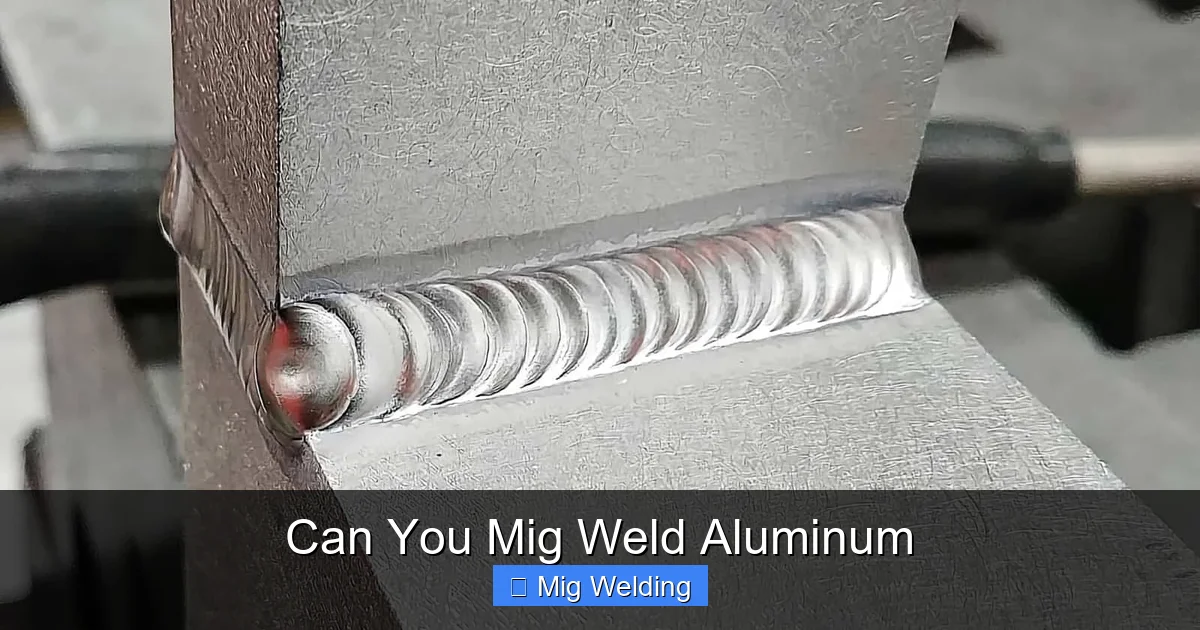
Yes, but not with a standard MIG welder designed for steel. Aluminum requires:
Visual guide about Can You Mig Weld Aluminum
Image source: weldguru.com
- Specialized equipment: A spool gun or a dedicated aluminum welding setup.
- Appropriate shielding gas: Pure argon or argon-helium mixes.
- Correct filler wire: Aluminum-specific wires like 4043 or 5356.
- Proper cleaning and prep: Removing oxidation and contaminants.
Equipment Needed for MIG Welding Aluminum
1. MIG Welder with Aluminum Capabilities
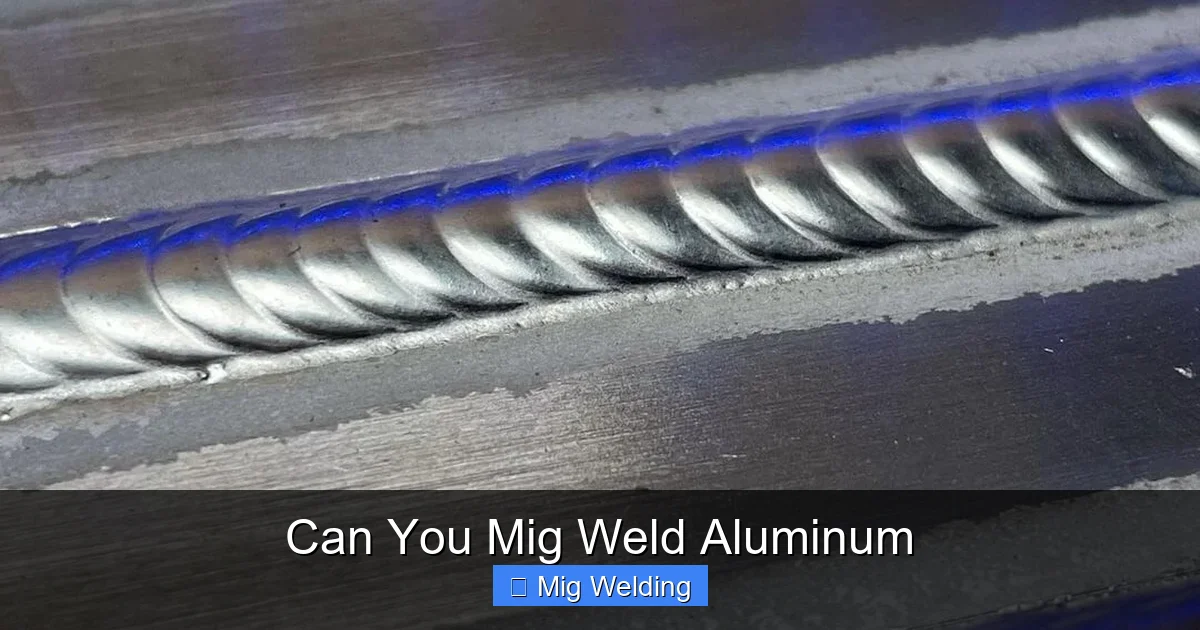
Most standard MIG welders can be adapted for aluminum with the right accessories, but a dedicated spool gun is highly recommended. Spool guns feed aluminum wire directly to the torch, reducing bird-nesting and ensuring smooth feeding.
Visual guide about Can You Mig Weld Aluminum
Image source: i.pinimg.com
2. Spool Gun vs. Standard Gun
- Spool Gun: Specifically designed for aluminum, easy to use, and prevents wire feeding issues.
- Standard MIG Gun: Possible but less reliable; requires conversion kits and careful setup.
3. Filler Wire
Choose aluminum filler wire based on your project requirements:
- 4043 alloy: Good for general use, easy to weld, smooth finish.
- 5356 alloy: Stronger, more corrosion-resistant, used in structural applications.
4. Shielding Gas
Pure argon is typically best for MIG welding aluminum. For thicker materials or better penetration, a mix of 75% argon and 25% helium can improve results.
Preparing Aluminum for MIG Welding
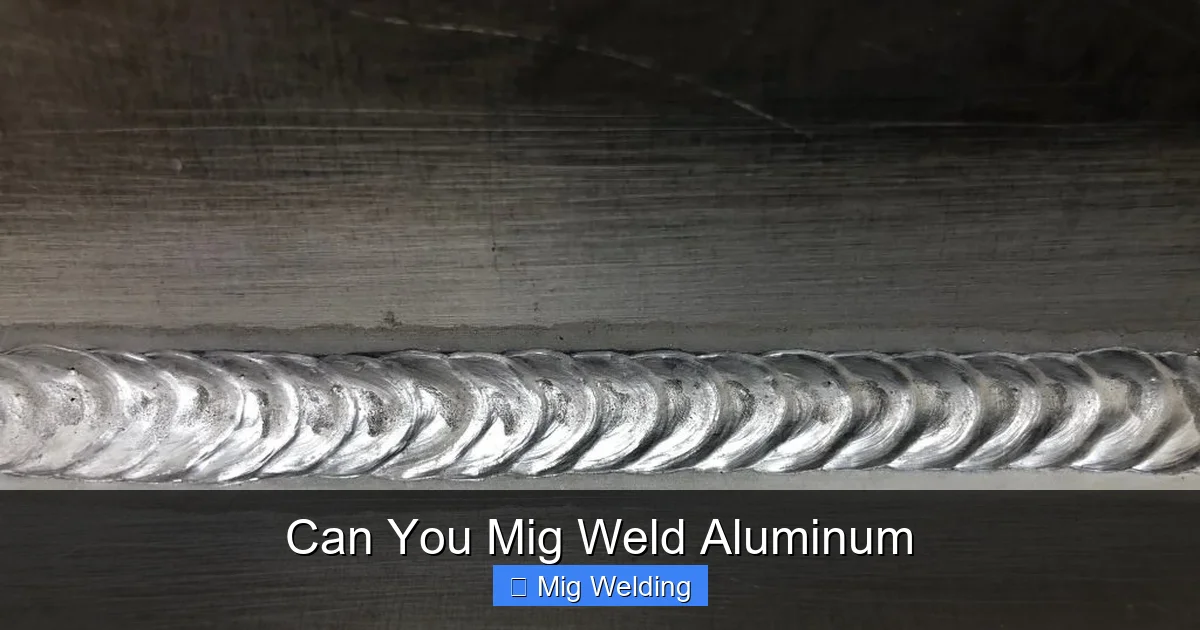
Proper preparation is crucial for a successful weld on aluminum. Oxidation and surface contamination can cause porosity and weak welds.
Visual guide about Can You Mig Weld Aluminum
Image source: mswelding.co.uk
1. Cleaning the Surface
- Use a stainless steel wire brush dedicated to aluminum to remove oxidation.
- Never use the same brush for steel and aluminum to avoid contamination.
- If available, use chemical aluminum cleaners or etching solutions.
2. Removing Oxide Layer
Aluminum forms a tough oxide layer that melts at a higher temperature than the metal underneath. Clean thoroughly to ensure a good weld.
3. Clamping and Fixturing
Secure the workpiece firmly to prevent movement. Use clamps that won’t contaminate the surface.
Setting Up Your MIG Welder for Aluminum
1. Adjusting Voltage and Wire Feed Speed
- Start with manufacturer recommendations, then fine-tune based on test welds.
- Typically, lower voltage and faster wire feed are used compared to steel welding.
2. Selecting the Right Shielding Gas
Use pure argon or a helium-argon mix. Helium improves arc stability and penetration but increases cost.
3. Using a Spool Gun
- Attach the spool gun to your MIG welder.
- Load the aluminum wire spool into the gun.
- Set the spool gun’s wire feed and gas flow according to the manufacturer’s instructions.
Welding Technique for Aluminum
1. Proper Torch Angle
Maintain a 10-15 degree angle pointing into the weld puddle. Keep the torch perpendicular to the workpiece for even heat distribution.
2. Travel Speed
Move steadily to avoid cold welds or burn-through. Aluminum conducts heat quickly, so consistent speed is key.
3. Maintaining the Arc
Keep a steady arc length, about the diameter of the wire. Too long or too short can cause porosity or cold welds.
4. Welding in the Right Position
Work comfortably with good access to maintain control. For vertical or overhead welding, use proper techniques and slower travel speeds.
Practical Tips for Successful MIG Aluminum Welding
- Practice on scrap: Experiment with settings to find what works best for your equipment and material thickness.
- Use a dedicated ground clamp: Ensures a stable electrical connection.
- Maintain consistent shielding gas flow: Typically 20-30 CFH (cubic feet per hour).
- Work in a well-ventilated area: Aluminum fumes can be harmful.
- Keep your equipment clean: Regularly inspect and clean tips, nozzles, and contacts.
Troubleshooting Common Issues
Poryosity in Welds
Caused by contamination or insufficient shielding gas. Ensure the workpiece is clean and check for leaks in the gas line.
Cold Welds or Poor Penetration
Adjust voltage and travel speed. Ensure the torch angle is correct and the wire feed is steady.
Bird-Nesting or Wire Feeding Problems
Check for debris or kinks in the wire, and verify the spool gun is properly loaded and aligned.
Conclusion
MIG welding aluminum is entirely possible with the right setup and technique. It requires some extra preparation and equipment, but the results can be impressive. Practice, patience, and proper safety measures are key to mastering aluminum welding. Whether you’re repairing, fabricating, or working on a hobby project, MIG welding aluminum can expand your welding skills and open new possibilities.
Final Words
Remember, aluminum welding has a learning curve, but with the right tools and techniques, you’ll be producing strong, clean welds in no time. Start with scrap pieces, experiment with settings, and gradually build your confidence. Happy welding!
