

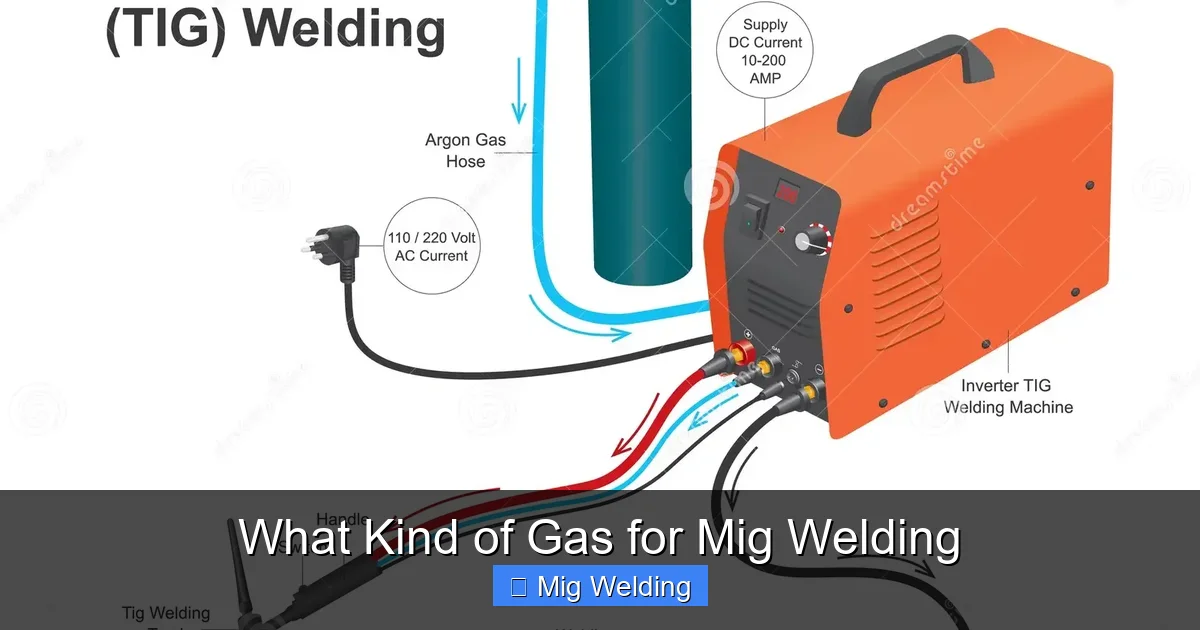
In this guide, you’ll learn what gases are used for MIG welding and how to select the right one for your project. We cover different types of shielding gases, their applications, and tips for optimal welding results.
Key Takeaways
- Different gases serve different purposes: Argon, CO2, and mixes each offer unique benefits for MIG welding.
- Pure Argon is ideal for aluminum: It provides smooth, high-quality welds on non-ferrous metals.
- Carbon Dioxide (CO2) is cost-effective: It produces deep penetration but can cause more spatter.
- Mixed gases are versatile: Combinations like Argon-CO2 balance ease of use and weld quality.
- Choosing the right gas depends on material and desired weld characteristics: Consider metal type, thickness, and finish.
- Proper gas flow rate is crucial: Typically between 20-30 cubic feet per hour (CFH) for stable welding.
- Always use clean, dry gas cylinders: To prevent weld defects and ensure safety.
Introduction
MIG welding is a popular and versatile welding method used in many industries. One of the key factors influencing weld quality is the type of gas used as a shielding agent. Shielding gases protect the molten weld pool from atmospheric contamination, such as oxygen and nitrogen, which can cause defects. In this guide, you’ll learn what kind of gas for MIG welding is best suited for different metals, applications, and conditions. We’ll explore various gases, their benefits, and tips to help you make the right choice for your welding projects.
Understanding MIG Welding Gases
MIG (Metal Inert Gas) welding, also known as GMAW (Gas Metal Arc Welding), uses a continuous wire feed and a shielding gas to produce high-quality welds. The type of shielding gas significantly affects the weld’s appearance, strength, and ease of use. The main gases used are argon, carbon dioxide, oxygen, and various blends. Choosing the right gas depends on factors like the metal being welded, the desired weld quality, and budget.
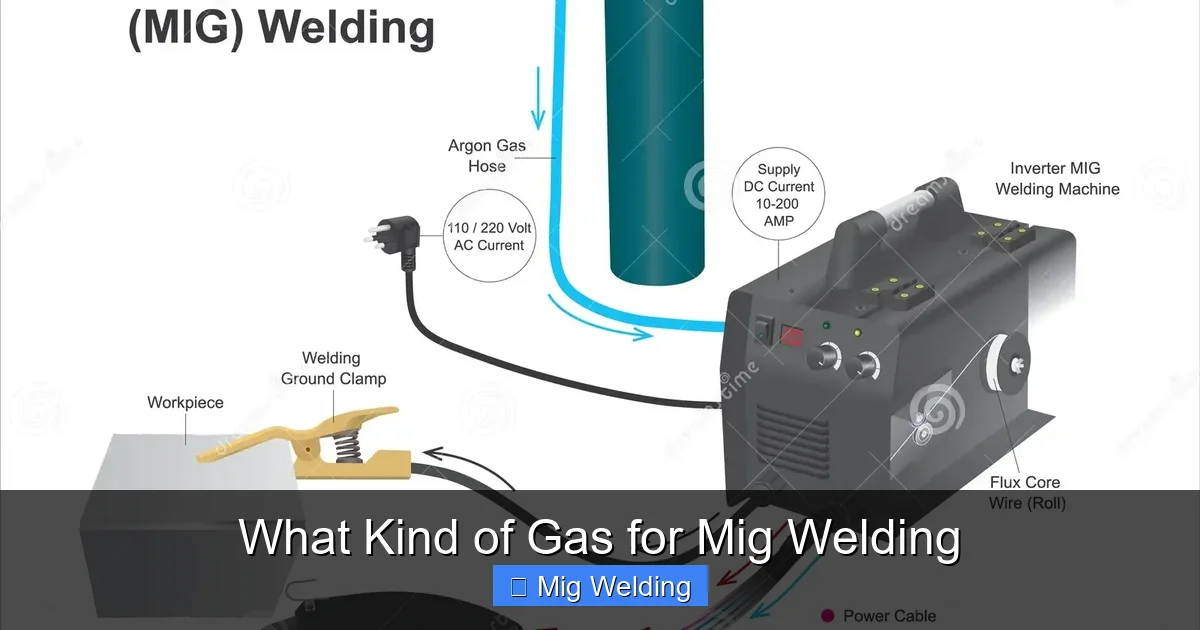
Visual guide about What Kind of Gas for Mig Welding
Image source: thumbs.dreamstime.com
Common Gases Used in MIG Welding
1. Argon (Ar)
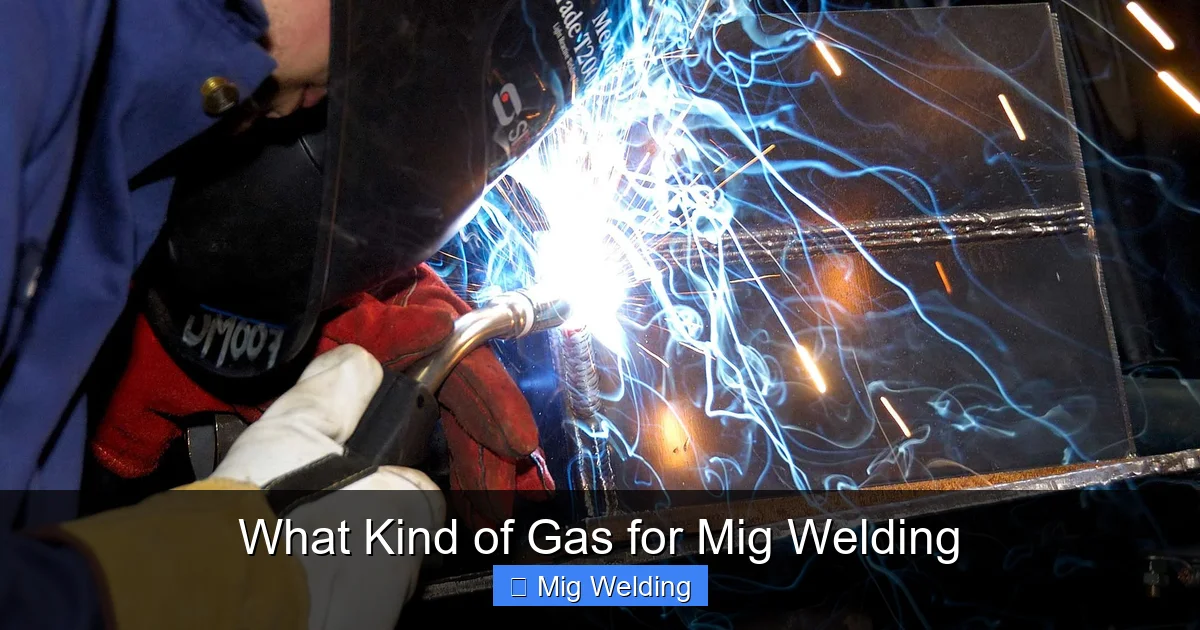
Argon is a noble, inert gas. It’s the most common shielding gas for MIG welding, especially for non-ferrous metals like aluminum, magnesium, and copper. Argon provides a smooth, stable arc and produces clean, aesthetically pleasing welds. It also minimizes spatter and porosity.
Visual guide about What Kind of Gas for Mig Welding
Image source: twi-global.com
Best for: Aluminum, copper, magnesium, and other non-ferrous metals.
2. Carbon Dioxide (CO2)
CO2 is an inexpensive, reactive gas. It’s often used in MIG welding because it offers good penetration and productivity. However, CO2 can cause more spatter and a rougher weld surface. It’s popular in industrial settings where speed and cost efficiency matter.
Best for: Mild steel, especially for structural work and manufacturing.
3. Oxygen (O2)
Oxygen is rarely used alone in MIG welding but can be added in small amounts to other gases to improve penetration and arc stability. Excess oxygen can cause oxidation and weld defects.
Use with caution: Typically mixed with argon or CO2 in small percentages (up to 5%).
4. Gas Blends (Ar + CO2, Ar + O2, or Ar + CO2 + O2)
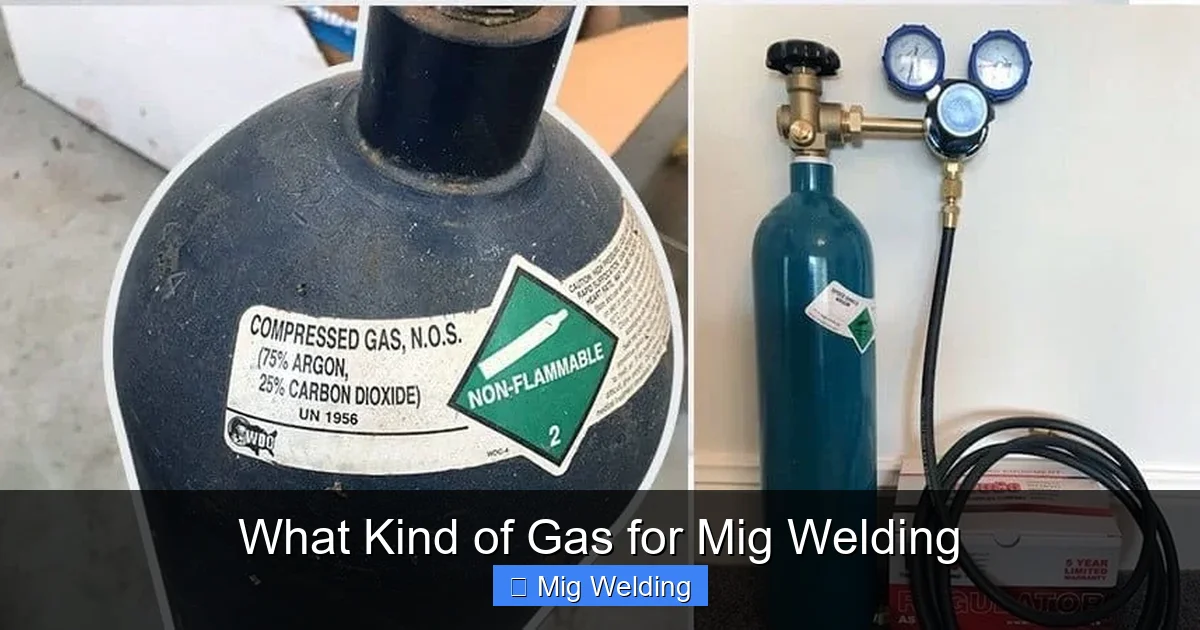
Blended gases combine the benefits of inert and reactive gases. They are tailored to specific applications, offering better weld quality and reduced spatter. The most common blend is 82% Argon / 18% Carbon Dioxide, known as C25.
Examples include:
- Ar + CO2 (commonly 75-25 or 82-18)
- Ar + O2
- Pure argon for non-ferrous metals
How to Choose the Right Gas for MIG Welding
Step 1: Identify the Metal Type
Different metals require different shielding gases:
Visual guide about What Kind of Gas for Mig Welding
Image source: gizmoplans.com
- Aluminum and other non-ferrous metals: Pure argon is ideal.
- Steel (mild or stainless): CO2, argon, or blends work well.
Step 2: Determine the Welding Application
Consider whether you need high-quality aesthetics or maximum penetration:
- For high-quality, clean welds: Use pure argon or a high percentage of argon in blends.
- For structural steel or high-speed work: CO2 or a blend with higher CO2 content is suitable.
Step 3: Evaluate Cost and Efficiency
Pure CO2 is cheaper but produces more spatter. Argon and blends are more expensive but yield better results. Balance your budget with quality needs.
Step 4: Consider Equipment Compatibility
Some welding machines are optimized for specific gases. Check your welder’s specifications and recommendations before selecting a gas.
Practical Tips for Using MIG Shielding Gases
- Use clean, dry cylinders: Moisture and contaminants can cause weld porosity and weak welds.
- Set correct gas flow rate: Typically 20-30 CFH (cubic feet per hour). Too high or low flow can cause weld defects.
- Perform test welds: Experiment with different gases and flow rates to find optimal settings.
- Store gases properly: Keep cylinders upright and secure to prevent leaks and accidents.
Troubleshooting Common Issues Related to Gases
Spatter and Poor Appearance
Likely caused by incorrect gas type or flow rate. Adjust flow to 20-30 CFH and consider switching to a different gas blend.
Porosity in Welds
Could be due to moisture or contaminants in the gas. Ensure cylinders are dry and check for leaks.
Inconsistent Arc or Penetration
Check gas purity and flow rate. Also, verify cable connections and equipment settings.
Conclusion
Selecting the right gas for MIG welding is crucial for achieving strong, clean, and efficient welds. Whether you’re welding aluminum, steel, or stainless steel, understanding the properties of each shielding gas helps you optimize your welding process. Always match the gas to your material and application, and follow best practices for safety and quality.
With the right gas choice and proper technique, you’ll produce professional-grade welds every time. Happy welding!
Additional Resources
- Consult your welding equipment manual for specific gas recommendations.
- Practice with different gases on scrap material before starting your project.
- Join online forums or local welding classes to learn more about gas selection and techniques.
