

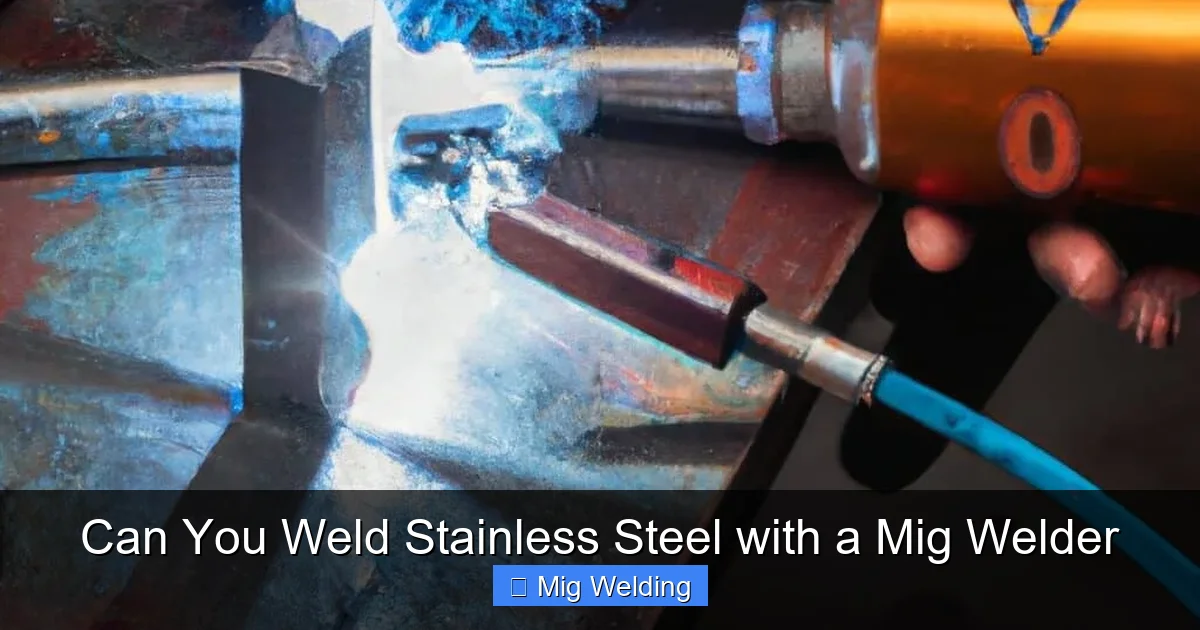
Welding stainless steel with a MIG welder is possible and commonly done. This guide covers the essential steps, equipment, and tips to help you weld stainless steel effectively. Whether you’re a beginner or experienced welder, you’ll find useful insights to improve your results.
Can You Weld Stainless Steel with a MIG Welder?
If you’re wondering whether a MIG welder can handle stainless steel, the short answer is yes. MIG welding is a versatile process that can weld various metals, including stainless steel. In this guide, we’ll walk you through everything you need to know to successfully weld stainless steel with a MIG welder. From equipment setup to best practices, you’ll learn how to produce strong, clean welds on stainless steel surfaces.
Key Takeaways
- Use a suitable wire: Stainless steel MIG welding requires a 308L or 316L wire for best results.
- Adjust your settings: Proper voltage, wire feed speed, and shielding gas are crucial for a clean weld.
- Choose the right shielding gas: Use 100% argon or a mix like 98% argon and 2% oxygen for optimal results.
- Pre-clean your material: Clean stainless steel thoroughly to remove dirt, grease, and rust before welding.
- Practice proper technique: Keep a steady hand, maintain the correct angle, and move smoothly for strong welds.
- Troubleshoot common issues: Address porosity, warping, or weak welds by adjusting settings or cleaning materials.
Introduction
Welding stainless steel is common in industries like construction, automotive, and culinary equipment manufacturing. It’s prized for its corrosion resistance and strength. While TIG welding is often favored for stainless steel, MIG welding offers a faster, easier alternative—especially suitable for beginners and large projects.
This guide will help you understand the specific considerations when MIG welding stainless steel, including the right equipment, settings, and techniques. By the end, you’ll be equipped to tackle your stainless steel projects confidently.
What You Need to Weld Stainless Steel with a MIG Welder
1. Appropriate MIG Welder
Choose a MIG welder capable of handling stainless steel wire and settings. A welder with adjustable voltage and wire feed controls is ideal. For thicker materials, a welder with higher amperage is recommended.

Visual guide about Can You Weld Stainless Steel with a Mig Welder
Image source: weldingproperty.com
2. Welding Wire
Use stainless steel MIG wire, typically 308L or 316L. These wires are designed for stainless steel and provide good corrosion resistance. Common diameters are 0.030” or 0.035”.
3. Shielding Gas
Use 100% argon or a mix like 98% argon with 2% oxygen. Pure argon is preferred for a clean, smooth weld. The gas protects the molten metal from contamination and oxidation.
4. Safety Gear
Wear proper safety equipment: welding helmet, gloves, protective clothing, and eye protection. Stainless steel welding produces intense UV light and sparks.
Preparing for Welding
1. Clean Your Material
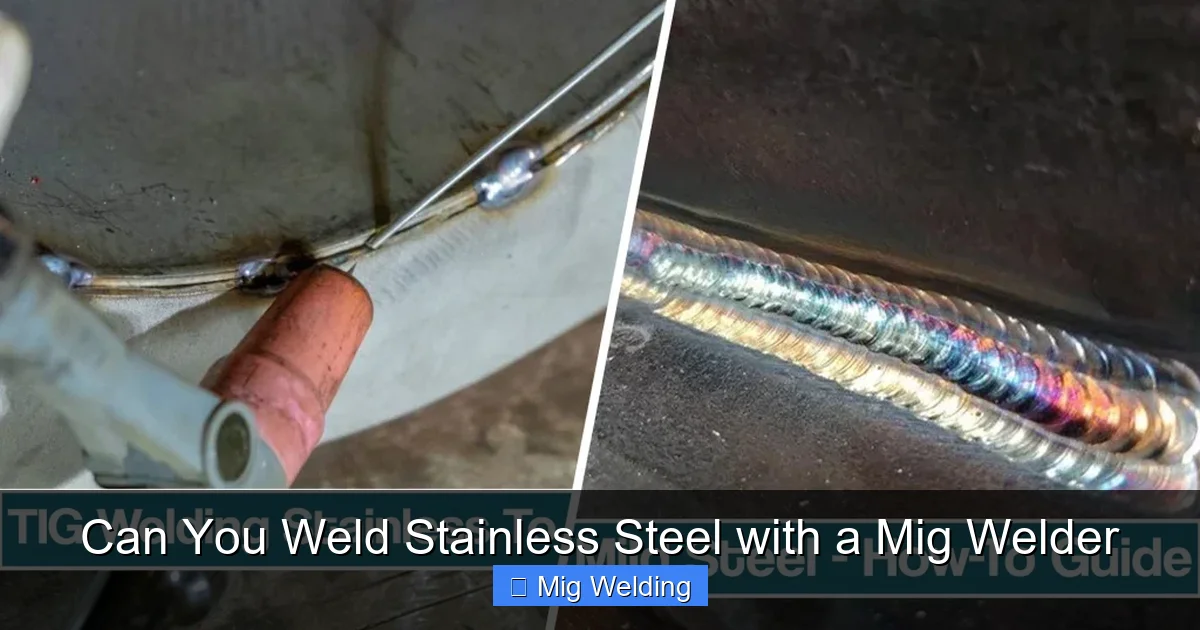
Thoroughly clean the stainless steel surface. Remove dirt, oil, grease, and rust using a stainless steel brush, grinder, or chemical cleaner. Contaminants can cause porosity and weak welds.
Visual guide about Can You Weld Stainless Steel with a Mig Welder
Image source: weldingpros.net
2. Fit-up and Clamping
Ensure your pieces fit tightly together. Clamp parts securely to prevent movement during welding. Proper fit-up results in cleaner, stronger welds.
3. Set Up Your Equipment
Adjust your MIG welder settings based on the material thickness, wire size, and manufacturer recommendations. Use a suitable welding position—preferably flat or horizontal for best results.
Step-by-Step Welding Process
1. Set Your Welding Parameters
- Voltage: Generally, 16-22 volts for stainless steel, depending on thickness.
- Wire Feed Speed: Around 200-400 inches per minute; adjust as needed.
- Shielding Gas Flow Rate: 20-30 CFH (cubic feet per hour).
2. Striking the Arc
Hold the MIG gun about 1/4 inch from the workpiece. Pull the trigger to start the arc. Keep a steady hand and consistent distance for a smooth start.
Visual guide about Can You Weld Stainless Steel with a Mig Welder
Image source: weldguru.com
3. Moving Along the Joint
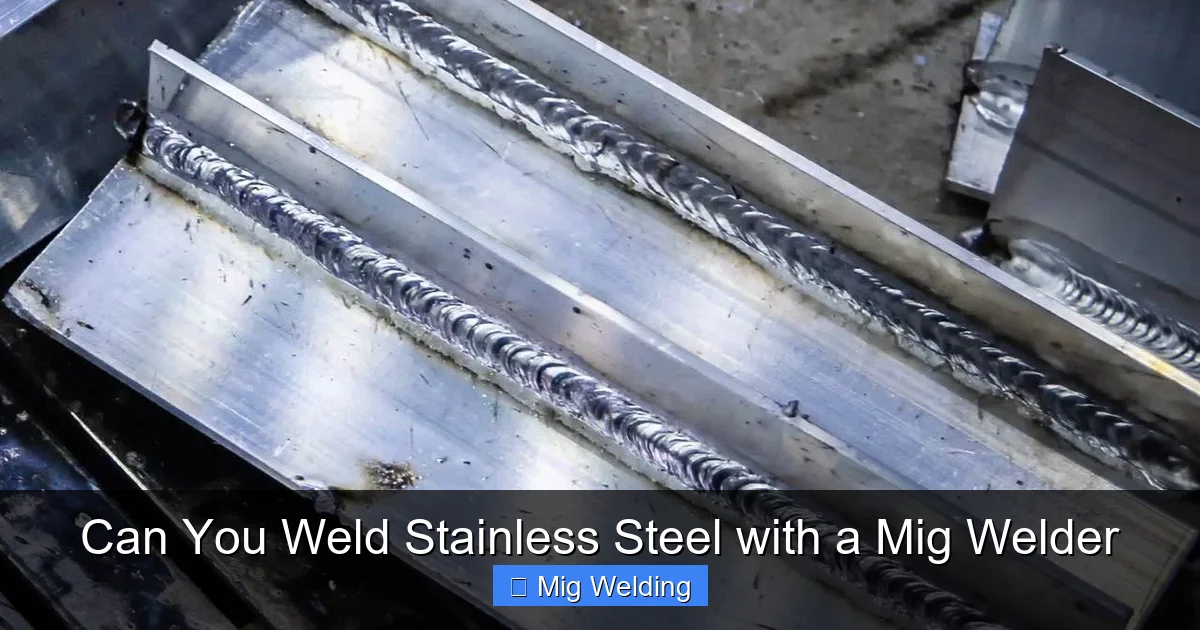
Maintain a steady speed and keep the angle around 15-20 degrees from vertical. Move smoothly along the seam, overlapping slightly for full coverage.
4. Controlling Heat and Penetration
Adjust your travel speed and voltage to prevent warping or burn-through, especially on thinner stainless steel. Use a back-and-forth motion if needed for better filler metal coverage.
Practical Tips for Better Stainless Steel MIG Welding
- Use a push technique: Push the gun forward to achieve a cleaner weld with less spatter.
- Maintain proper shielding: Ensure the gas flow is steady and free of leaks.
- Practice on scrap: Test your settings before working on your actual project.
- Keep your equipment clean: Regularly check and clean your gun liner, tip, and nozzles.
Troubleshooting Common Problems
1. Porosity or Holes in the Weld
This often results from contamination or insufficient shielding gas. Ensure your surface is clean and gas flow is steady. Check for leaks in the gas line.
2. Excess Spatter
Reduce the voltage or increase wire feed speed slightly. Use a push technique and verify your shielding gas flow.
3. Weak or Cracked Welds
Ensure proper heat input and correct wire speed. Avoid cold starts and maintain steady travel speed.
4. Warping or Distortion
Use lower heat settings and weld in smaller sections. Allow cooling time between passes.
Conclusion
Welding stainless steel with a MIG welder is a practical and efficient method when you understand the right settings and techniques. Proper preparation, equipment, and practice are key to achieving strong, clean welds. With patience and attention to detail, you can master stainless steel MIG welding for your projects.
Final Tips
- Always wear safety gear.
- Practice on scrap before starting your project.
- Keep your work area clean and organized.
- Regularly maintain your welding equipment.
