

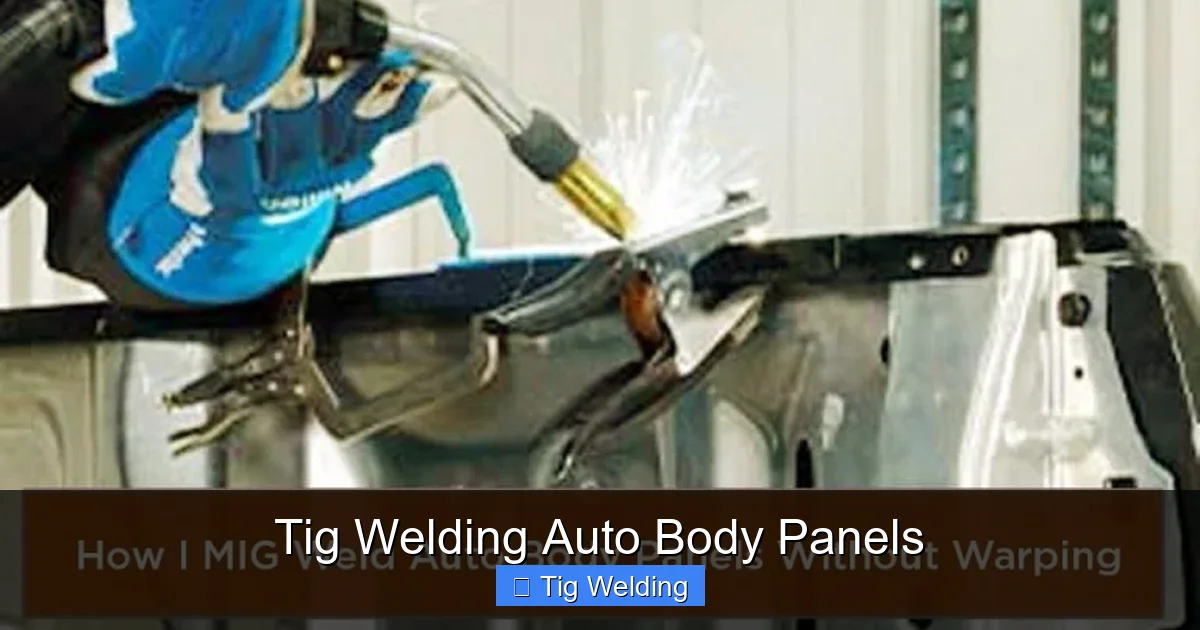
Tig welding auto body panels is a precise and effective method for repairing and restoring vehicles. With proper technique and equipment, you can achieve professional-quality welds that are both strong and visually appealing. Whether you’re a hobbyist or a professional, understanding the fundamentals of tig welding for auto body work is essential for success.
Key Takeaways
- Precision is key: Tig welding offers excellent control, making it ideal for delicate auto body panel repairs.
- Clean welds: The process produces minimal spatter, resulting in a neater finish that requires less post-weld sanding.
- Suitable for thin materials: Tig welding is perfect for auto panels that are often thin and require careful handling.
- Proper preparation matters: Clean and prepare your panels thoroughly to ensure strong, high-quality welds.
- Equipment choice is crucial: Use the right torch, filler rod, and shielding gas for optimal results.
- Practice improves skill: Mastering tig welding takes time, but consistent practice yields professional outcomes.
Quick Answers to Common Questions
Question 1?
Can I weld auto body panels with a regular welding machine?
While some MIG welders can handle auto body work, tig welding offers better control and cleaner results, especially on thin panels.
Question 2?
What type of shielding gas is best for auto body tig welding?
Argon is the most common shielding gas, providing a stable arc and clean welds for auto body panels.
Question 3?
How thin can auto body panels be for tig welding?
Tig welding is ideal for panels as thin as 20-22 gauge (about 0.8-1 mm), but always adjust your settings accordingly.
Question 4?
Do I need special skills to weld auto body panels?
Some basic welding skills help, but with practice and patience, most DIY enthusiasts can learn to tig weld auto panels effectively.
Question 5?
How do I prevent warping during tig welding?
Use lower heat settings, weld in short sections, and allow the metal to cool naturally to minimize warping.
📑 Table of Contents
Introduction: The Art of Tig Welding Auto Body Panels
Auto body repair is as much an art as it is a science. Whether you’re restoring an old classic or fixing minor dents, the quality of your welds can make or break the final look. Tig welding, short for Tungsten Inert Gas welding, is a popular choice for auto body work because of its precision and clean results.
Unlike other welding methods, tig welding allows for detailed control, making it perfect for thin, delicate panels. If you’re new to welding or want to improve your auto body repair skills, understanding the fundamentals of tig welding auto body panels is essential. With the right technique, tools, and patience, you can achieve professional-looking repairs right in your garage.
Understanding Tig Welding for Auto Body Panels
What is Tig Welding?
Tig welding uses a non-consumable tungsten electrode to produce the weld. The welder manually feeds filler metal into the weld pool, which is protected by a shielding gas—usually argon or a mix—so that the weld remains clean and free of contaminants.
Visual guide about Tig Welding Auto Body Panels
Image source: bakersgas.com
This process is highly controllable, allowing for precise, high-quality welds. It’s especially suitable for thin metals like auto body panels, where heat control and finesse are crucial.
Why Use Tig Welding for Auto Body Work?
- Precision and control: Tig welding provides excellent control over heat input and weld bead placement.
- Minimal spatter: The process produces little to no spatter, reducing cleanup time and post-weld finishing.
- Clean aesthetic: Ideal for visible areas where appearance matters most.
- Versatility: Can weld various auto body materials, including steel, aluminum, and stainless steel.
Preparing for Auto Body Tig Welding
Tools and Equipment You Need
- TIG welder: Ensure your machine can handle thin metals and offers adjustable settings.
- Tungsten electrodes: Use 2% thoriated, lanthanated, or ceriated tungsten rods, depending on material and preference.
- Filler rods: Match the filler metal with your panel material for optimal strength and appearance.
- Shielding gas: Typically argon, with flow rates around 15-20 CFH.
- Auto body clamps and jigs: To hold panels securely during welding.
Preparing Auto Body Panels
Before welding, clean the panels thoroughly. Remove paint, rust, and grease using a grinder or wire brush. Proper preparation ensures better weld penetration and reduces the risk of contamination.
Visual guide about Tig Welding Auto Body Panels
Image source: bakersgas.com
Fit panels accurately and clamp them securely. Proper alignment helps achieve smooth welds and reduces post-weld finishing.
Executing the Tig Weld on Auto Body Panels
Steps for a Successful Weld
- Set your welder: Adjust current, pulse, and arc length based on material thickness.
- Start the arc: Initiate the arc with a steady hand, maintaining consistent contact with the tungsten electrode.
- Feed filler metal: Add filler gradually as you move along the joint, ensuring a smooth, even bead.
- Control heat input: Keep the heat low to prevent warping or burn-through, especially on thin panels.
- Complete the weld: Finish with a clean, controlled movement, and allow the weld to cool naturally.
Practical Tips for a Better Weld
- Practice welding on scrap metal similar to your auto panels to get comfortable with the torch handling.
- Maintain a steady hand; avoid rushing the weld to prevent uneven beads.
- Use proper safety gear—gloves, helmet, and protective clothing—to protect from UV rays and sparks.
- Keep your tungsten tip sharp and clean for consistent arcs.
- Weld in a clean, well-ventilated area to avoid inhaling fumes.
Post-Welding: Finishing and Repair
Cleaning and Smoothing the Weld
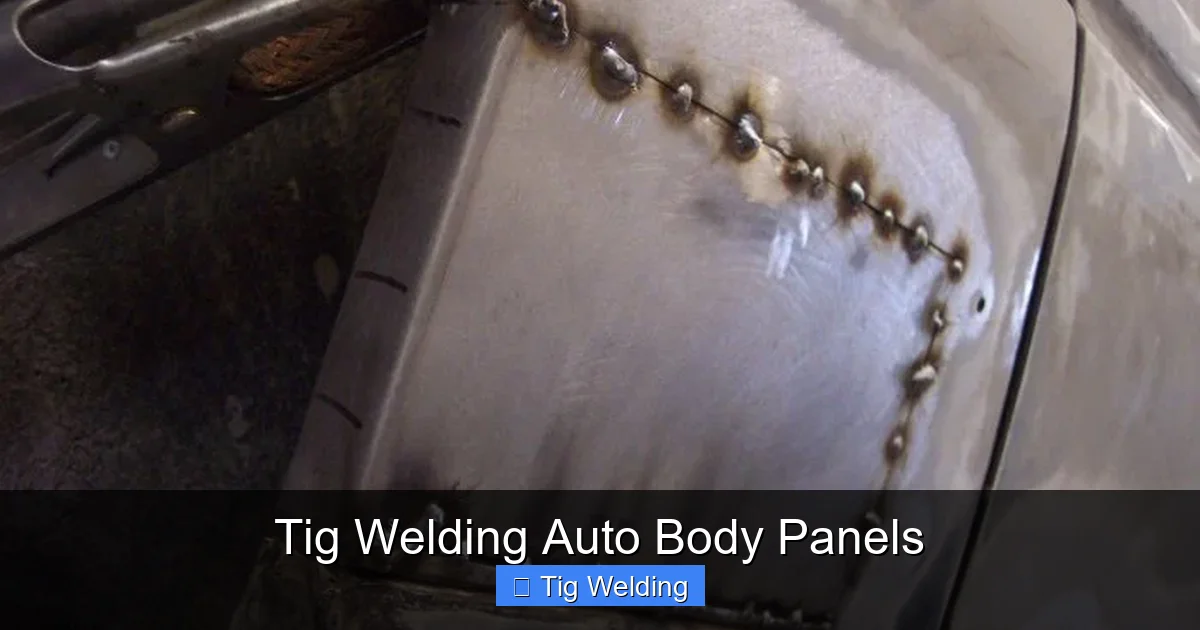
After welding, inspect the weld for any imperfections. Use a flap disc or grinder to smooth out rough spots, but be careful not to remove too much material. For a pristine finish, follow up with sanding or polishing.
Visual guide about Tig Welding Auto Body Panels
Image source: weld-it-right.com
If needed, apply body filler over the weld and sand it smooth for a seamless appearance. Priming and painting will complete the repair, restoring your auto panel to its original look.
Common Challenges and How to Overcome Them
- Warping: Use lower heat settings and intermittent welding to minimize distortion.
- Porosity or holes: Ensure proper shielding gas flow and clean panels thoroughly before welding.
- Cracks or weak welds: Adjust your technique, increase filler metal, or improve fit-up for stronger joints.
Conclusion: Mastering Tig Welding for Auto Body Panels
Welding auto body panels with a tig welder is a skill that combines craftsmanship, patience, and practice. The results—clean, precise, and strong welds—are well worth the effort. Whether you’re repairing minor dents or restoring a vintage car, mastering tig welding will elevate your auto body work to professional levels.
Remember, start slow, practice often, and don’t hesitate to seek tutorials or professional advice. With dedication, you can achieve flawless auto body repairs that look great and last for years.
Frequently Asked Questions
What is the best equipment for tig welding auto body panels?
A high-quality TIG welder capable of fine control, with adjustable amperage, a suitable tungsten electrode, and appropriate shielding gas, is essential for auto body work.
Can I weld aluminum auto panels with tig welding?
Yes, tig welding is excellent for aluminum auto panels due to its precision and clean welds. Just ensure you use the right tungsten and filler materials designed for aluminum.
How long does it take to master tig welding for auto body panels?
Mastering tig welding takes time and practice. Expect several weeks of dedicated practice to achieve consistent, professional-quality welds.
Is tig welding suitable for large auto body repairs?
Tig welding is best for small to medium repairs and delicate work. For large repairs, other methods like MIG welding might be more practical, but tig can still be used for finishing touches.
What safety precautions should I take when tig welding auto panels?
Always wear protective gear, including a welding helmet, gloves, and protective clothing. Work in a well-ventilated area and keep a fire extinguisher nearby.
Can I do auto body tig welding without prior experience?
While it’s possible, beginners should start with practice on scrap metal and consider taking a welding course to build confidence and skills safely.
