
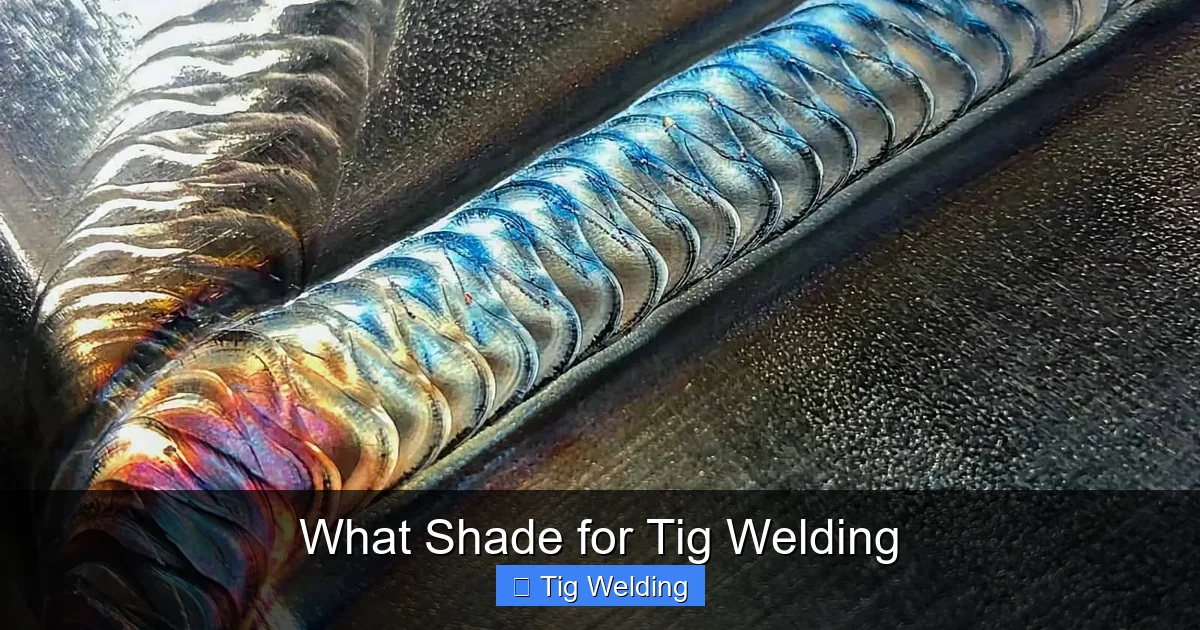
Choosing the right shade for TIG welding is essential for both safety and visibility. The correct lens shade protects your eyes from harmful UV and IR rays while allowing you to see your weld clearly. This guide covers everything you need to know about selecting the perfect shade for TIG welding.
Key Takeaways
- Shade number matters: The appropriate shade depends on the welding amperage and process.
- Safety first: A proper shade protects your eyes from harmful UV and IR radiation during TIG welding.
- Standard guidelines: Most TIG welding applications require shades between 8 and 12.
- Adjustments: Use darker shades for higher amperages and lighter shades for lower settings.
- Additional features: Consider auto-darkening helmets for convenience and consistent protection.
- Practice makes perfect: Always test your lens shade with your setup before starting serious work.
Quick Answers to Common Questions
Question 1?
What is the ideal shade for TIG welding at low amperages?
For TIG welding at low amperages (under 20 amps), a shade of 8 to 9 is usually suitable.
Question 2?
Can I use the same shade for different materials?
No, different materials and thicknesses may require different shades. Always adjust based on amperage and material type.
Question 3?
What happens if I use a shade that’s too light?
Using a too-light shade can expose your eyes to harmful UV and IR rays, increasing risk of arc eye and other eye injuries.
Question 4?
Are auto-darkening helmets worth it for TIG welding?
Yes, auto-darkening helmets offer consistent protection, improve visibility, and increase safety during TIG welding.
Question 5?
How do I test if my lens shade is appropriate?
Strike an arc in a safe environment and ensure you can see your weld clearly without experiencing discomfort or glare.
📑 Table of Contents
Introduction
If you’re into TIG welding, you already know safety and precision go hand in hand. One of the most overlooked but crucial aspects of safe welding is choosing the right lens shade. The shade acts as a filter, protecting your eyes from dangerous UV and IR rays that are emitted during welding. But how do you know which shade is right for TIG welding? That’s what we’ll explore in this guide.
Whether you’re a seasoned welder or just starting out, understanding the factors that influence the ideal shade can make your welding safer and more comfortable. A good lens shade not only prevents eye damage but also helps you see your work clearly, leading to better welds. Let’s dive into the details and find the perfect shade for your TIG welding needs.
Understanding TIG Welding and Its Light Emissions
What is TIG Welding?
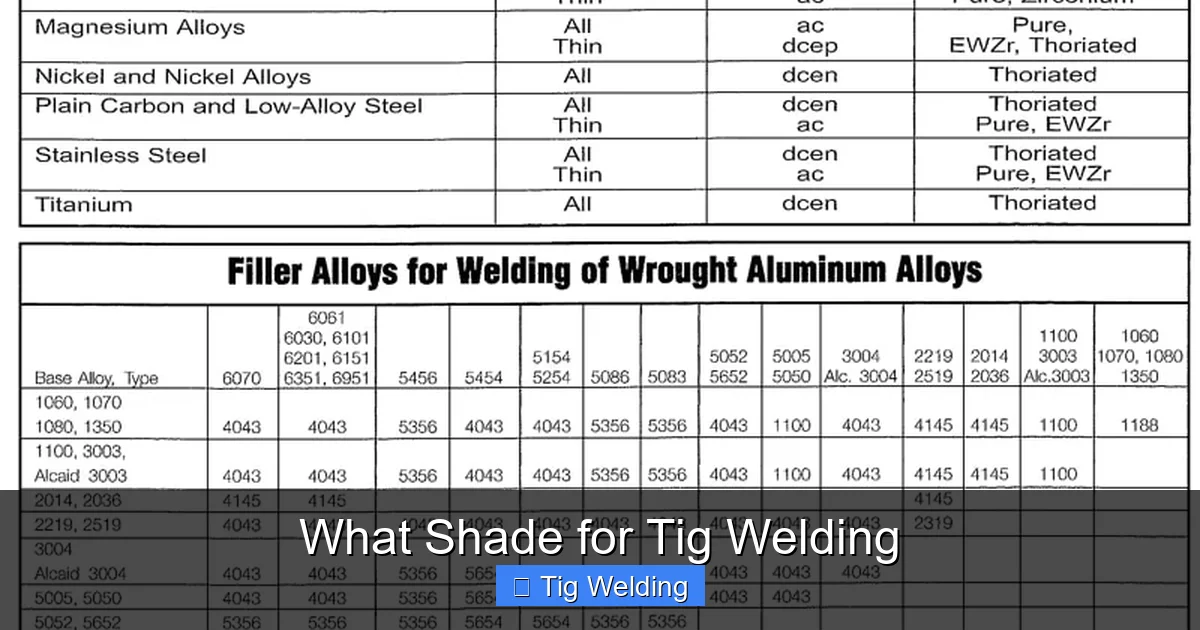
TIG welding, or Tungsten Inert Gas welding, uses a tungsten electrode to produce a precise, high-quality weld. It’s popular for welding thin materials, metals like aluminum, stainless steel, and titanium. TIG welding produces a bright arc, with intense light and radiation, making eye protection essential.
Visual guide about What Shade for Tig Welding
Image source: ilmoproducts.com
Why Does Light Matter in TIG Welding?
The welding arc emits ultraviolet (UV), infrared (IR), and visible light. UV and IR rays are invisible but can cause serious eye injuries like arc eye or flash burns. Visible light, though necessary for seeing your weld, can be blinding without proper protection. Therefore, selecting the right shade ensures safety without compromising visibility.
How to Choose the Right Shade for TIG Welding
Factors Influencing Shade Selection
- Welding amperage: Higher amperages produce brighter arcs requiring darker shades.
- Material thickness: Thicker materials often need higher amperage, influencing shade choice.
- Welding environment: Bright ambient light or outdoor conditions may require darker shades.
- Personal comfort: Some welders prefer slightly lighter shades for better visibility and comfort.
Standard Shade Recommendations
Most TIG welding applications fall within a certain shade range based on amperage. Here are typical recommendations:
Visual guide about What Shade for Tig Welding
Image source: relowelding.com
- Under 20 amps: Shade 8–9
- 20–40 amps: Shade 9–10
- 40–70 amps: Shade 10–11
- 70+ amps: Shade 11–12
These are general guidelines. Always check your welding helmet or lens specifications for exact recommendations.
Understanding the Shade Number Scale
The Shade Number Explained
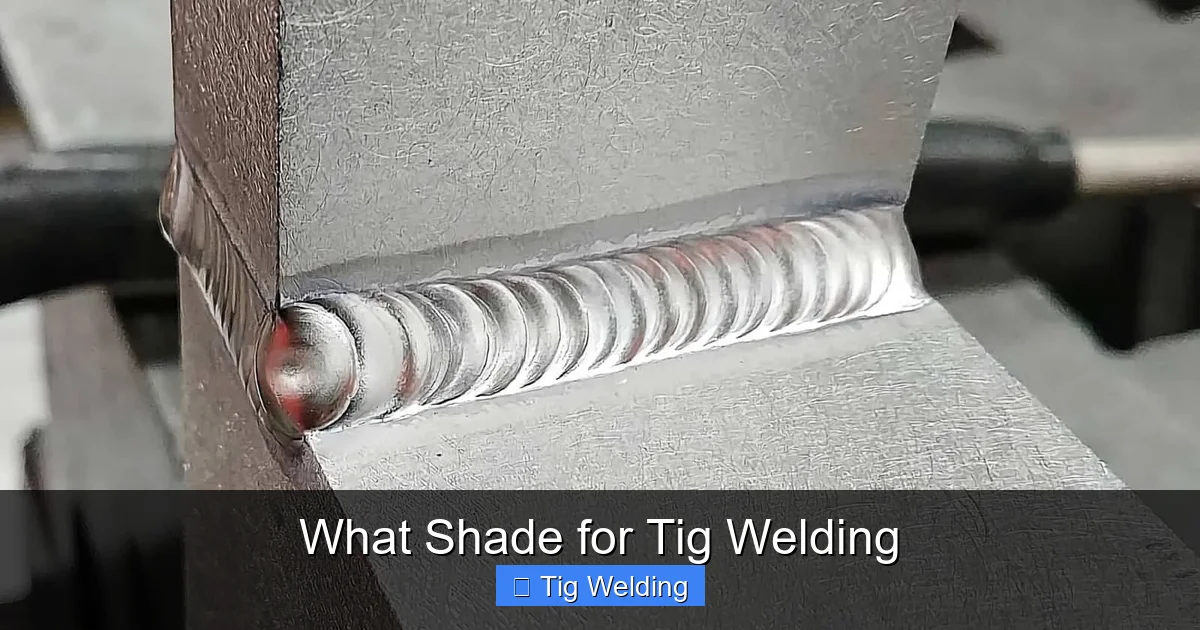
The shade number indicates the darkness level of the lens. It ranges from 3 (lightest) to 14 (darkest). For TIG welding, shades typically stay between 8 and 12, providing a balance between visibility and protection.
Visual guide about What Shade for Tig Welding
Image source: weldguru.com
How to Match Shade to Amperage
As a rule of thumb, higher amperage calls for a darker shade. For example, welding at 60 amps might require shade 10, whereas 150 amps would need shade 12. Always match your shade to your current to ensure safety and clear visibility.
Auto-Darkening Helmets and Their Advantages
What Are Auto-Darkening Helmets?
Auto-darkening helmets automatically adjust the lens shade when you strike an arc. They provide continuous protection without needing to flip the helmet up and down, making welding safer and more efficient.
Benefits for TIG Welding
- Consistent protection: No need to manually change shades.
- Improved visibility: Clear view before welding starts.
- Enhanced safety: Quick adjustment minimizes exposure to harmful rays.
Choosing the Right Auto-Darkening Helmet
- Look for helmets with a wide shade range (e.g., 8-13).
- Check for fast reaction times.
- Ensure comfort and durability for long welding sessions.
Practical Tips for Safe and Effective TIG Welding
- Always test your lens: Before starting, strike an arc and verify visibility and protection.
- Wear proper protective gear: Besides your helmet, use gloves, aprons, and safety glasses.
- Adjust your helmet settings: Make sure your helmet’s shade matches your current amperage.
- Work in suitable environments: Use shading appropriate for ambient light conditions.
- Maintain your equipment: Keep your helmet and lens clean for optimal visibility.
Conclusion
Choosing the right shade for TIG welding is crucial for your safety and the quality of your work. Understanding the relationship between amperage and lens darkness, along with the benefits of auto-darkening helmets, can make your welding experience safer and more comfortable. Always follow recommended guidelines and test your equipment before starting any project. Remember, investing in proper eye protection not only shields your vision but also ensures your long-term health and welding success.
Stay safe, see clearly, and weld confidently!
Frequently Asked Questions
What is the best shade for TIG welding aluminum?
For aluminum welding, which often involves higher amperages, a shade between 10 and 12 is recommended to protect your eyes and see the weld clearly.
How does ambient light affect shade choice?
If you’re working outdoors or in a brightly lit space, you might need a slightly darker shade to compensate for the extra light and ensure safe visibility.
Can I wear a regular welding helmet for TIG welding?
While some standard helmets may suffice, TIG welding typically requires a helmet with a suitable shade range and clear visibility. Auto-darkening helmets are highly recommended.
Is it safe to weld without a helmet?
No, never weld without proper eye protection. The intense light and radiation can cause serious eye injuries, including arc eye or permanent damage.
How often should I replace my helmet or lenses?
Inspect your helmet and lenses regularly. Replace them if they become scratched, cracked, or if auto-darkening features become less responsive to ensure ongoing safety.
What features should I look for in a TIG welding helmet?
Look for a helmet with a wide shade range (8-13), fast reaction time, comfortable fit, durability, and auto-darkening capabilities for optimal safety and performance.
