
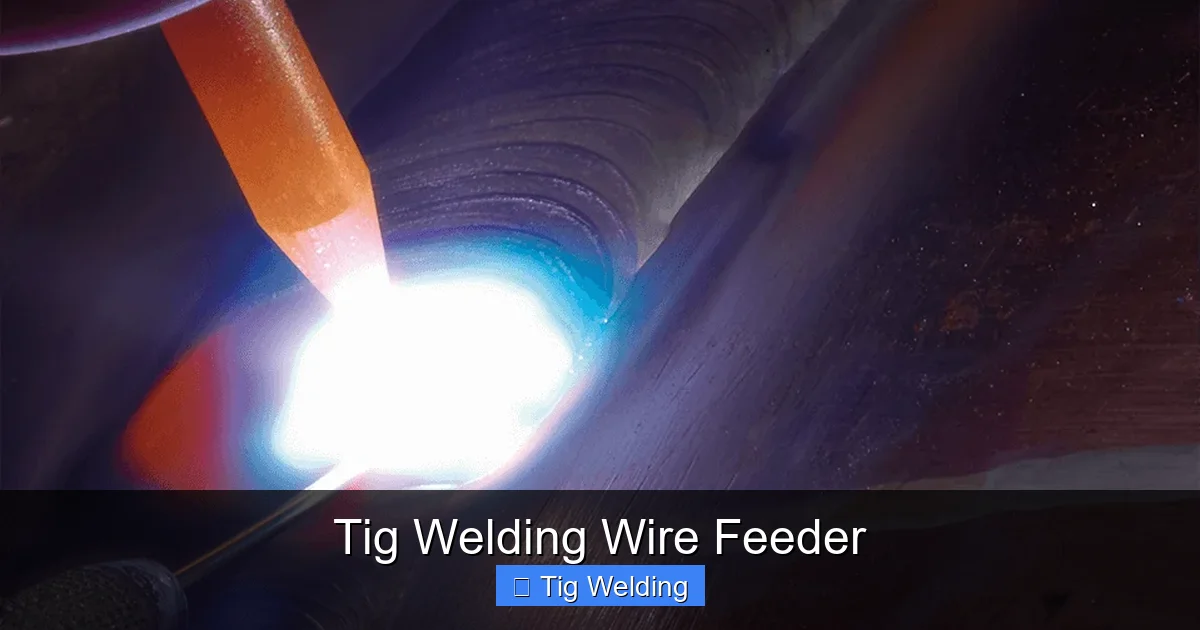
A TIG welding wire feeder is an essential tool for automating the delivery of filler wire during TIG welding. It ensures consistent feed, improves weld quality, and reduces operator fatigue, making it ideal for both beginners and professionals. Whether you’re working on delicate stainless steel or heavy-duty aluminum, understanding how a TIG welding wire feeder functions can elevate your welding projects to the next level.
Key Takeaways
- Consistent Wire Feed: A TIG welding wire feeder provides steady and controlled wire delivery, ensuring high-quality welds.
- Automation Benefits: It reduces manual effort, allowing for more precise and repeatable welds, especially in production settings.
- Compatibility: Wire feeders are compatible with various TIG welders and can handle different wire types and diameters.
- Types of Wire Feeders: There are different types, including push, pull, and combined systems, each suited for specific applications.
- Installation & Maintenance: Proper setup and regular maintenance extend the lifespan and performance of a TIG wire feeder.
- Enhance Welding Quality: Using a wire feeder minimizes inconsistencies, improves bead appearance, and reduces defects.
Quick Answers to Common Questions
What is a TIG welding wire feeder?
A TIG welding wire feeder is a device that automatically supplies filler wire to the TIG welding torch, ensuring a steady and controlled flow for better weld quality.
How does a TIG wire feeder improve welding?
It provides consistent wire feed, reduces manual effort, and enhances weld precision, resulting in stronger, cleaner welds with fewer defects.
What are the main types of TIG welding wire feeders?
There are push, pull, and push-pull (combined) wire feeders, each suited for different applications and wire types.
Can I use a wire feeder with any TIG welder?
Not all welders are compatible. Always check your welder’s specifications and ensure the wire feeder can connect and synchronize properly.
What maintenance is needed for a TIG wire feeder?
Regularly clean rollers, check for worn parts, lubricate moving components, and verify tension settings to keep the feeder functioning optimally.
📑 Table of Contents
Introduction to TIG Welding Wire Feeders
If you’re into TIG welding, you’ve probably heard about wire feeders. They are game-changers for those who want more control, efficiency, and quality in their welding projects. While traditional TIG welding relies on hand-feeding filler wire, modern technology offers automated wire feeders that take the hassle out of the process.
These devices are especially useful when working on large projects, repetitive tasks, or materials that require precise control. Whether you’re a hobbyist or a professional welder, understanding TIG welding wire feeders can help you deliver cleaner, stronger welds with less fatigue and more consistency.
In this article, we’ll explore what a TIG welding wire feeder is, how it works, the different types available, and tips to choose the right one for your needs. So, let’s dive in!
What Is a TIG Welding Wire Feeder?
Definition and Basic Function
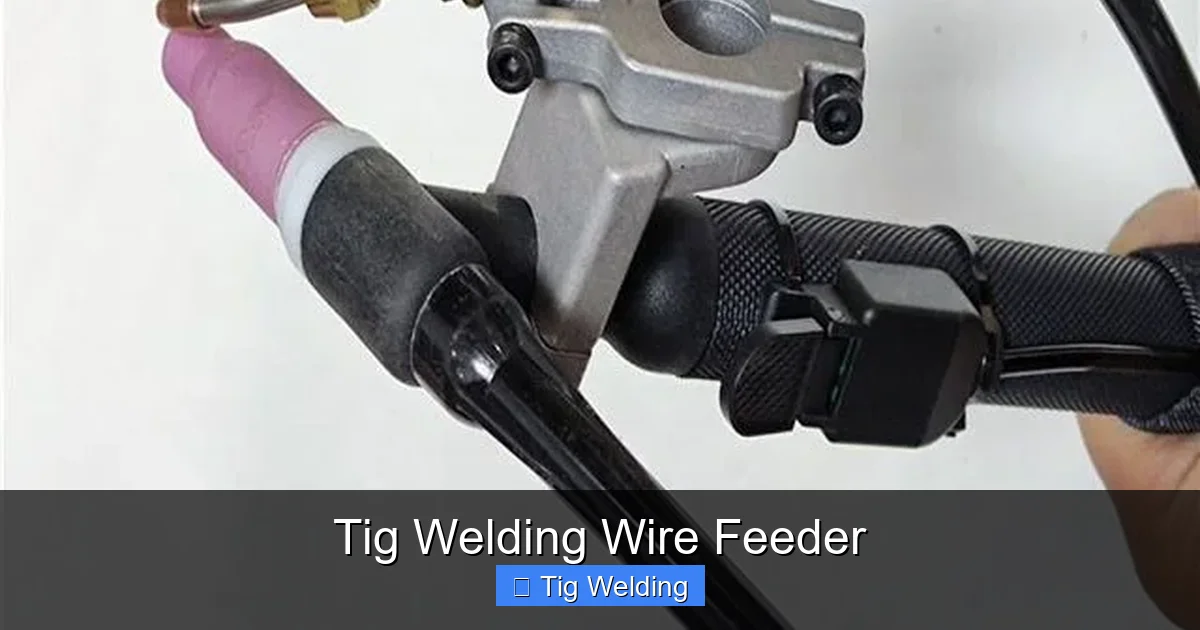
A TIG welding wire feeder is a device that automatically supplies filler wire to the welding torch during the TIG (GTAW) process. Unlike manual feeding, which relies on the welder’s hand, the wire feeder ensures a steady, controlled flow of wire, allowing for more precise and consistent welds.
Visual guide about Tig Welding Wire Feeder
Image source: gotosuppliers.com
This automation is especially beneficial when welding long joints or thin materials, where even slight inconsistencies can lead to defects. The wire feeder connects to the TIG power source and is synchronized with the welding process, providing seamless operation.
How Does a TIG Welding Wire Feeder Work?
The Components
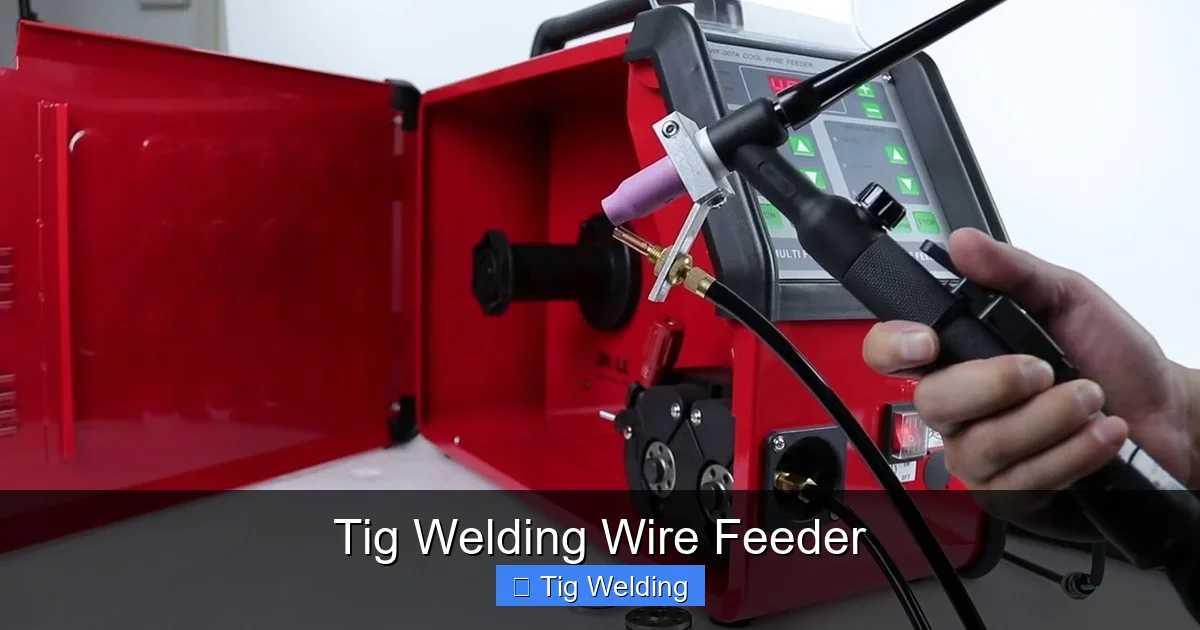
- Motor: Drives the wire through a spool or reel.
- Drive Roll: Pushes the wire forward into the torch.
- Feeding Mechanism: Ensures smooth wire movement without tangling or slipping.
- Control Panel: Allows the welder to set feed speed and other parameters.
- Power Supply Connection: Synchronizes wire feeding with welding arc.
The Process
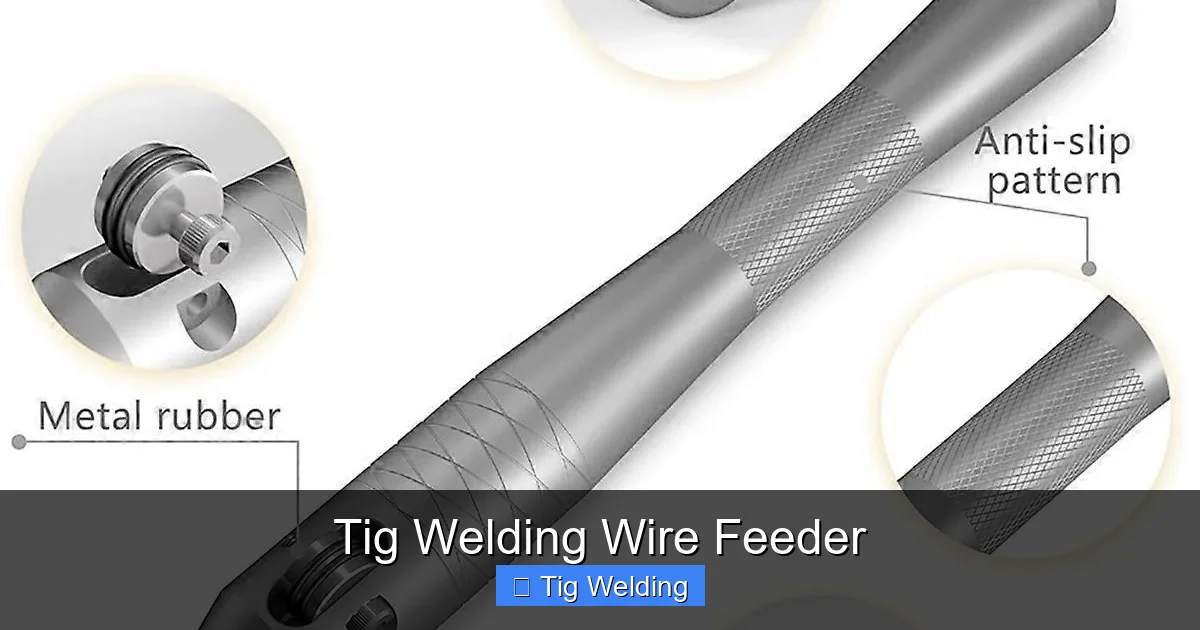
Once set up, the wire feeder pulls the filler wire from the spool and feeds it through the drive roll into the TIG torch. The welder can adjust the feed speed to match the welding parameters, ensuring the right amount of filler material is delivered at the correct rate.
Visual guide about Tig Welding Wire Feeder
Image source: img.fruugo.com
The entire process is synchronized with the welding arc, so the wire advances smoothly as you maintain the weld pool. This automation reduces the need for manual wire feeding and helps achieve cleaner, more uniform welds.
Types of TIG Welding Wire Feeders
Push Feeders
Push feeders push the wire directly into the torch. They are simpler and suitable for small jobs or thinner wires. However, push-only systems may struggle with certain materials or longer distances.
Visual guide about Tig Welding Wire Feeder
Image source: i.ytimg.com
Pull (or Pull-Through) Feeders
Pull feeders grip the wire from behind and pull it toward the torch. They are better for thicker wires and longer runs, offering smoother feeding and less wire deformation.
Push-Pull (Combined) Feeders
These systems use both pushing and pulling mechanisms, providing the most control and versatility. They are ideal for demanding applications, such as welding exotic alloys or working with high-precision projects.
Choosing the Right TIG Welding Wire Feeder
Consider Your Material and Wire Type
Different materials and wire diameters require specific feeders. For instance, delicate stainless steel wires need gentle handling, while aluminum wires benefit from pull-type feeders.
Compatibility with Your TIG Welder
Ensure the wire feeder is compatible with your existing TIG welder. Check voltage requirements, connection types, and control interfaces.
Portability and Size
If you work in different locations, opt for a lightweight, portable wire feeder. For large-scale production, a more robust, stationary system might be preferable.
Automation and Control Features
Advanced feeders offer programmable settings, digital displays, and remote control options. These features improve precision and ease of use.
Practical Tips for Using a TIG Welding Wire Feeder
- Set the Correct Wire Speed: Too fast or too slow can cause defects. Adjust based on material thickness and wire type.
- Maintain Proper Tension: Ensure the wire spool tension is correct to prevent slipping or tangling.
- Regular Maintenance: Keep rollers clean and lubricated. Check for worn parts and replace as needed.
- Use the Right Wire: Match the wire diameter and material to your project specifications.
- Practice Consistency: Use the control panel to set consistent parameters for uniform welds.
Benefits of Using a TIG Welding Wire Feeder
Adding a wire feeder to your TIG setup offers several advantages:
- Enhanced Weld Quality: Consistent wire feed results in cleaner, more uniform welds with fewer defects.
- Increased Productivity: Automation speeds up the welding process, especially for long or repetitive joints.
- Reduced Operator Fatigue: Less manual effort means less fatigue, leading to better focus and precision.
- Improved Control: Precise wire feed adjustments allow for fine-tuning welds, especially on delicate materials.
- Versatility: Compatible with various wire types and diameters for different projects.
Conclusion
A TIG welding wire feeder is a valuable addition for anyone serious about high-quality welding. It automates the filler wire delivery process, ensuring consistent, precise, and efficient welds. Whether you’re working on small projects, large-scale production, or intricate art pieces, choosing the right wire feeder can significantly improve your results.
By understanding the different types, features, and best practices, you can select a system that matches your needs and enhances your welding experience. Remember, proper setup and maintenance are key to maximizing the benefits of your TIG welding wire feeder. Invest in quality, stay attentive to details, and watch your welds improve!
Frequently Asked Questions
How do I choose the right TIG welding wire feeder?
Consider the materials you’ll be welding, wire diameter, compatibility with your welder, and whether you need portable or stationary equipment. Also, think about control features and budget.
What wire types are compatible with TIG wire feeders?
Commonly used wires include stainless steel, aluminum, brass, and copper. Ensure the wire feeder can handle the specific wire material and diameter for your project.
Can a TIG wire feeder be used for other welding processes?
While primarily designed for TIG welding, some wire feeders are compatible with MIG or flux-cored welding setups. Check manufacturer specifications.
What are common issues with TIG wire feeders?
Problems include wire tangling, inconsistent feed, and slipping. Regular maintenance and correct tension settings help prevent these issues.
Is a push or pull wire feeder better for thin materials?
Pull feeders are generally better for thin materials because they provide smoother and gentler wire feeding, reducing the risk of burn-through or warping.
How much does a TIG welding wire feeder typically cost?
Prices vary based on features and capacity but generally range from $200 to over $1,000. Investing in a quality unit pays off through better welds and durability.
