
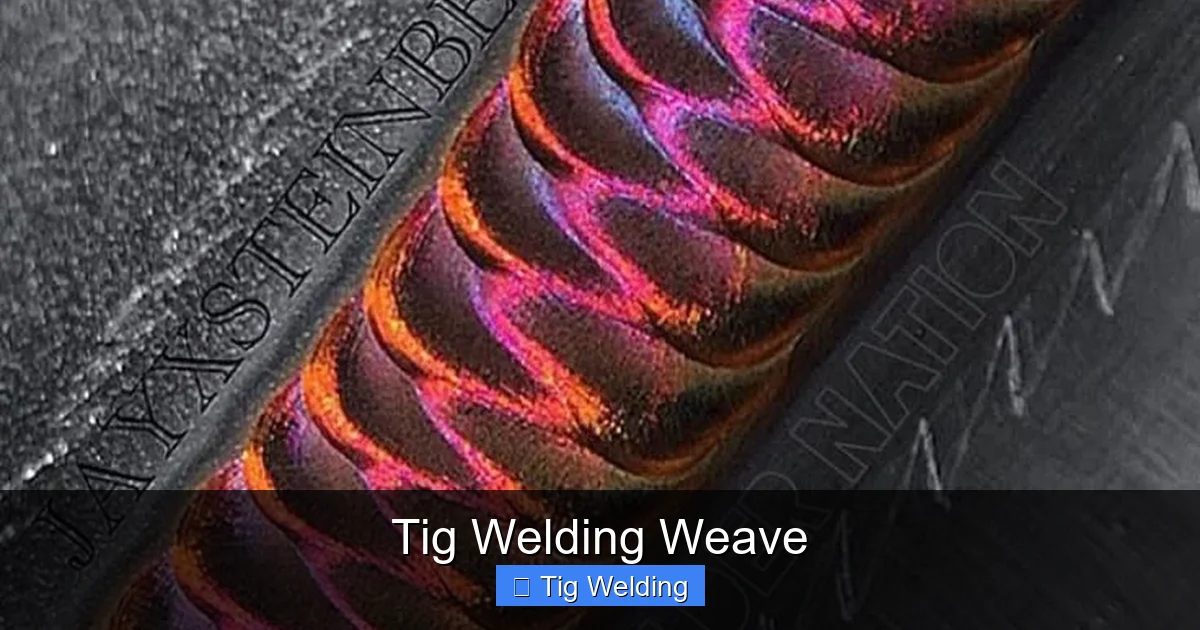
TIG welding weave techniques are essential for achieving strong, high-quality welds, especially on larger surfaces or materials requiring added strength. Understanding how to properly weave enhances weld appearance and integrity, making it a valuable skill for welders of all levels. Whether you’re a beginner or an experienced welder, mastering the TIG welding weave can significantly improve your results. This guide covers the basics, techniques, tips, and common mistakes to help you weld like a pro.
Key Takeaways
- What is TIG welding weave: A technique used to distribute heat evenly and fill wider gaps by moving the torch side to side during welding.
- Why use a weave: It improves weld strength, appearance, and helps manage heat input over larger areas.
- Types of weave patterns: Common patterns include zigzag, circular, and side-to-side motions tailored to specific applications.
- Proper technique: Consistent motion, steady pace, and appropriate filler rod control are key for effective weaving.
- Common mistakes: Over-waving, inconsistent speed, and poor torch angle can weaken welds and cause defects.
- Practice tips: Start slow, use scrap metal to practice, and focus on maintaining even motion to master the weave.
Quick Answers to Common Questions
Question 1?
What is TIG welding weave used for?
TIG welding weave is used to distribute heat evenly, fill wider gaps, and improve weld strength and appearance.
Question 2?
How do I choose the right weave pattern?
Choose patterns based on the joint type, material thickness, and desired weld size. Zigzag is common for most applications, while circular suits curved surfaces.
Question 3?
What are common mistakes to avoid in TIG welding weave?
Avoid over-waving, inconsistent speed, improper torch angle, and rushing the filler rod to ensure strong, clean welds.
Question 4?
How can I improve my weaving technique?
Practice on scrap metal, focus on steady, controlled movements, and start with small, simple patterns before progressing to more complex ones.
Question 5?
Is weaving necessary for all TIG welds?
No, weaving is mainly used for larger or wider joints; for thinner materials or small welds, a straight pass may suffice.
📑 Table of Contents
- Introduction to TIG Welding Weave Techniques
- What is TIG Welding Weave?
- Types of Weave Patterns in TIG Welding
- How to Master the TIG Welding Weave Technique
- Common Challenges and How to Overcome Them
- Practical Tips for Effective TIG Welding Weave
- Conclusion: Elevate Your TIG Welding with Weave Mastery
- Happy Welding!
Introduction to TIG Welding Weave Techniques
If you’re into TIG welding, you’ve probably heard about weaving. It’s a crucial technique that helps create strong, clean, and visually appealing welds, especially on larger or thicker materials. While TIG welding is known for its precision, mastering the weave can elevate your skills and ensure your welds are both functional and professional-looking.
Think of weaving as a way to spread heat evenly across the joint and fill wider gaps without sacrificing quality. It’s not just about aesthetics; a good weave can also improve the weld’s durability and reduce the risk of defects like porosity or weak spots. Whether you’re welding thin sheet metal or thick structural steel, understanding the basics of TIG welding weave is a worthy investment in your welding toolkit.
What is TIG Welding Weave?
Definition and Purpose
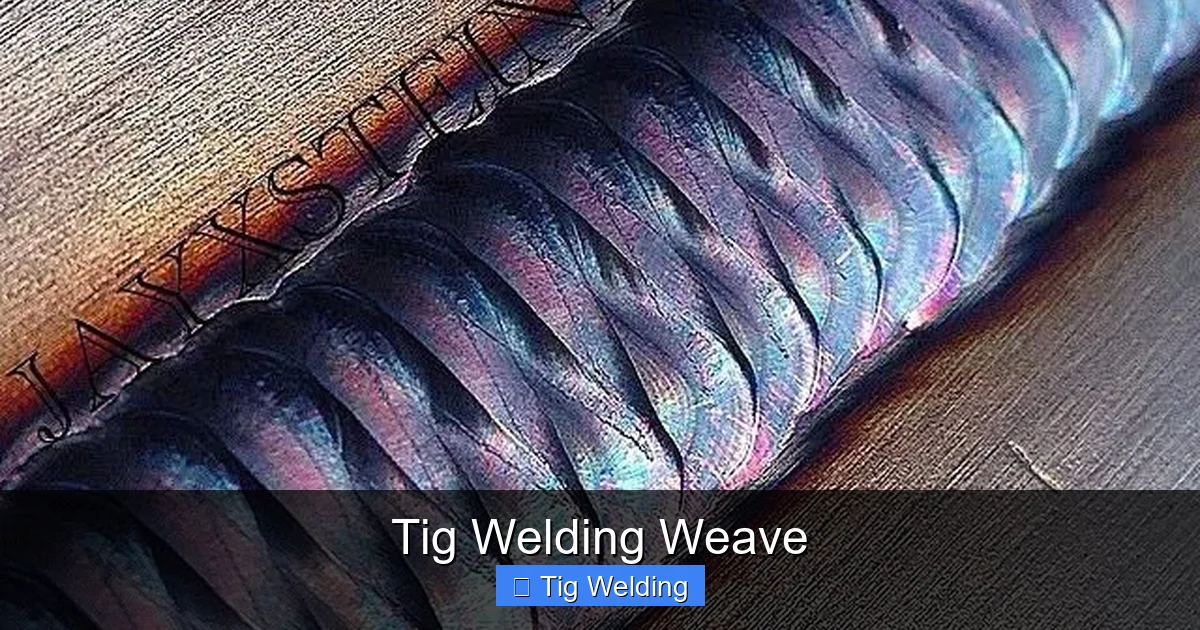
The TIG welding weave refers to a series of controlled side-to-side motions with the TIG torch during the welding process. Instead of a straight pass, the welder moves the torch in a pattern to deposit filler material more evenly and cover a broader area.
Visual guide about Tig Welding Weave
Image source: i.pinimg.com
This technique helps manage heat input, prevents burn-through on thin materials, and fills larger gaps more effectively. The weave pattern ensures the weld bead is uniform and strong, providing both aesthetic appeal and structural integrity.
Types of Weave Patterns in TIG Welding
Zigzag Weave
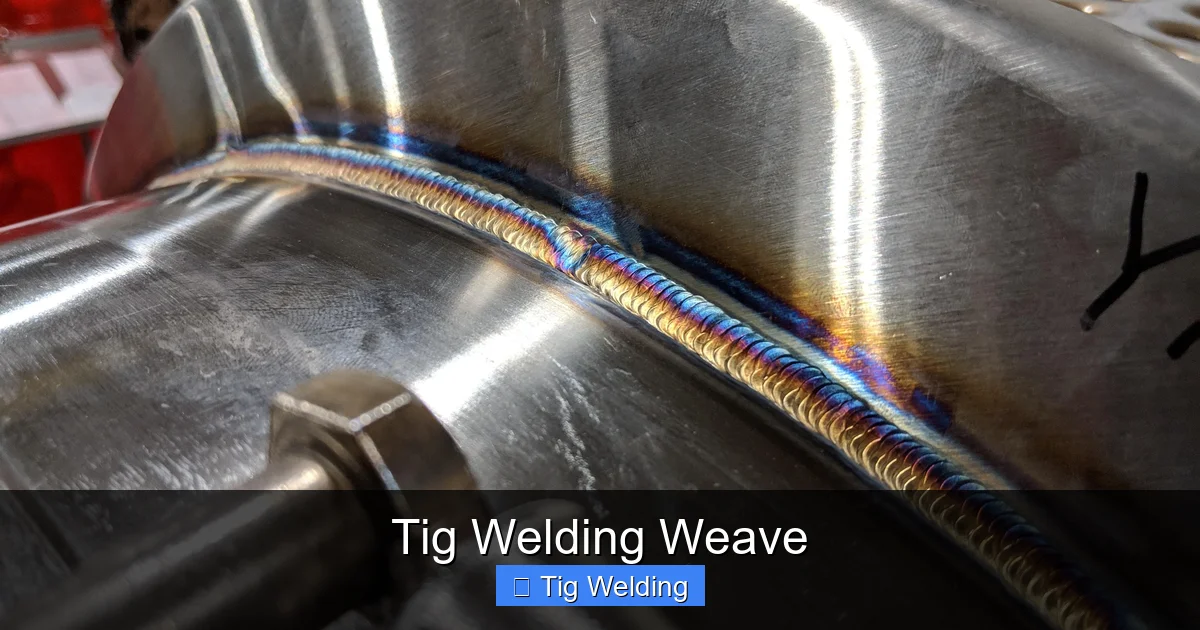
The most common pattern, where the torch moves side to side in a consistent zigzag motion. It’s ideal for filling wider joints and ensuring even heat distribution. Keep the zigzag smooth and controlled for the best results.
Visual guide about Tig Welding Weave
Image source: i.redd.it
Circular or Circular Weave
This pattern involves moving the torch in small circles or loops. It’s useful for welding around curved surfaces or when you want to focus heat in a specific area.
Side-to-Side or Horizontal Weave
A simple lateral movement that covers the joint width. Often combined with other patterns for complex welds, this pattern is good for filling gaps and controlling heat flow.
How to Master the TIG Welding Weave Technique
1. Set Up Your Equipment Properly
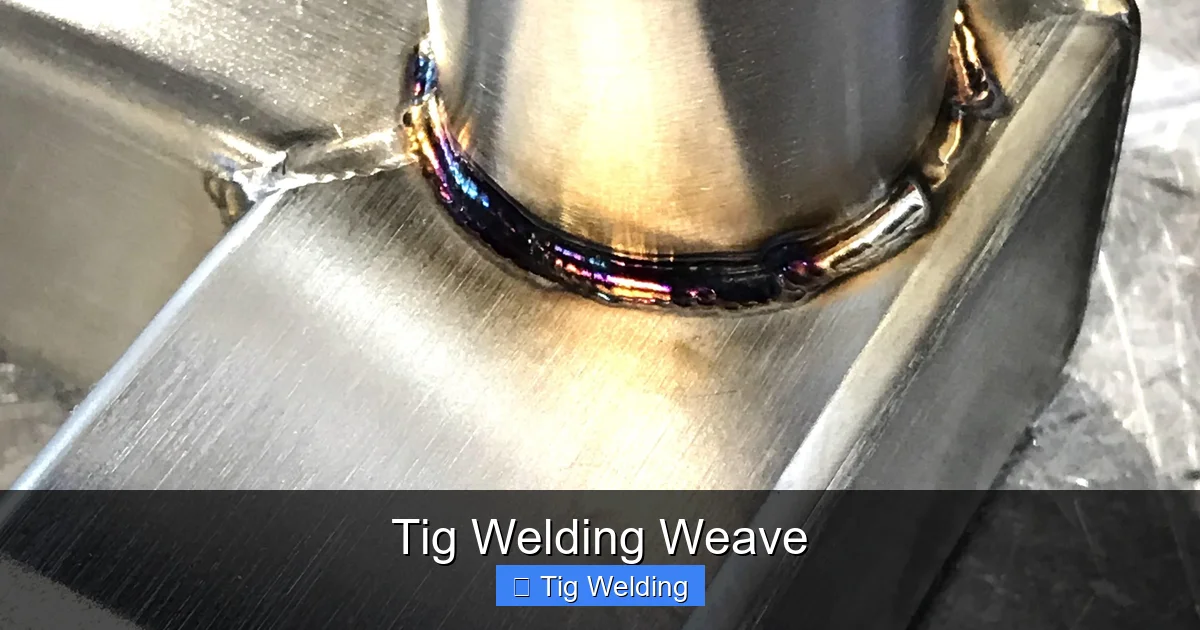
Use the correct amperage based on material thickness. Ensure your TIG torch is steady, your filler rod is ready, and your shielding gas (usually argon) flows correctly. Proper setup lays the foundation for successful weaving.
Visual guide about Tig Welding Weave
Image source: i.redd.it
2. Maintain a Consistent Torch Angle
Keep the torch at about 15-20 degrees from perpendicular to the workpiece. A steady angle helps control heat and filler addition, making the weave smoother and more uniform.
3. Control Your Movement and Speed
Practice moving the torch side to side at a steady, controlled pace. Too fast, and the weld may be thin; too slow, and heat buildup might cause warping. Start slow and increase speed gradually as you gain confidence.
4. Use Proper Filler Rod Technique
Feed the filler rod smoothly into the leading edge of the weld pool. Keep the rod at a consistent angle, and don’t rush the filler into the puddle. Combined with weaving, this ensures even bead deposition.
5. Practice Different Patterns and Widths
Try zigzag, circular, and side-to-side motions on scrap metal. Vary the width of your weave to suit different joint sizes and materials. The more you practice, the more natural your weaving will become.
Common Challenges and How to Overcome Them
Inconsistent Motion
Solution: Practice slow, deliberate movements. Use visual cues like markings or guides to keep your pattern even.
Too Much Heat Input
Solution: Lower amperage or increase travel speed. Use shorter weld passes to prevent warping or burn-through.
Poor Filler Control
Solution: Keep the filler rod steady and at the correct angle. Practice feeding the rod smoothly during the weave.
Practical Tips for Effective TIG Welding Weave
- Start with a small, controlled zigzag pattern before trying larger or more complex patterns.
- Use a consistent pace to avoid uneven welds or excess heat buildup.
- Keep your torch steady and your hand relaxed to ensure smooth motion.
- Always maintain proper shielding gas coverage to prevent contamination.
- Practice on scrap metal to refine your technique without wasting materials.
Conclusion: Elevate Your TIG Welding with Weave Mastery
In the world of TIG welding, weaving is a powerful technique that can make a significant difference in your weld quality. It allows for better heat management, wider coverage, and improved bead appearance. While it may take some practice to perfect, the effort is well worth it for the professional results you can achieve.
Remember, like any skill, mastery of the TIG welding weave comes with patience and consistent practice. Start slow, focus on control, and gradually incorporate more complex patterns. With time, you’ll weld with confidence, producing clean, strong, and visually appealing welds every time.
Happy Welding!
Keep practicing, stay safe, and enjoy the satisfaction of creating flawless TIG welds with excellent weave techniques. Your skills will improve, and your projects will look better than ever!
Frequently Asked Questions
What is the main benefit of weaving in TIG welding?
The main benefit is that weaving helps distribute heat evenly, improves weld strength, and produces a more uniform appearance. It also allows for better control over wider joints.
Can I weld with a weave pattern on thin metal?
Yes, but with caution. Use a lighter touch and lower amperage to prevent burn-through, and keep the weave narrow for delicate materials.
How does the width of the weave affect the weld?
The wider the weave, the more heat is spread across the joint, which can help prevent warping but may also require more skill to maintain consistency.
What equipment adjustments are needed for weaving?
Ensure your torch is steady, set the correct amperage, and practice controlling your hand to maintain smooth, even patterns during weaving.
Is weaving better than a straight pass?
It depends on the application. Weaving is beneficial for larger joints and thicker materials, while straight passes are suitable for small, precise welds.
How long does it take to learn effective TIG welding weave?
With consistent practice on scrap metal, most welders can develop a good weaving technique within a few hours to a few days, depending on experience.
