
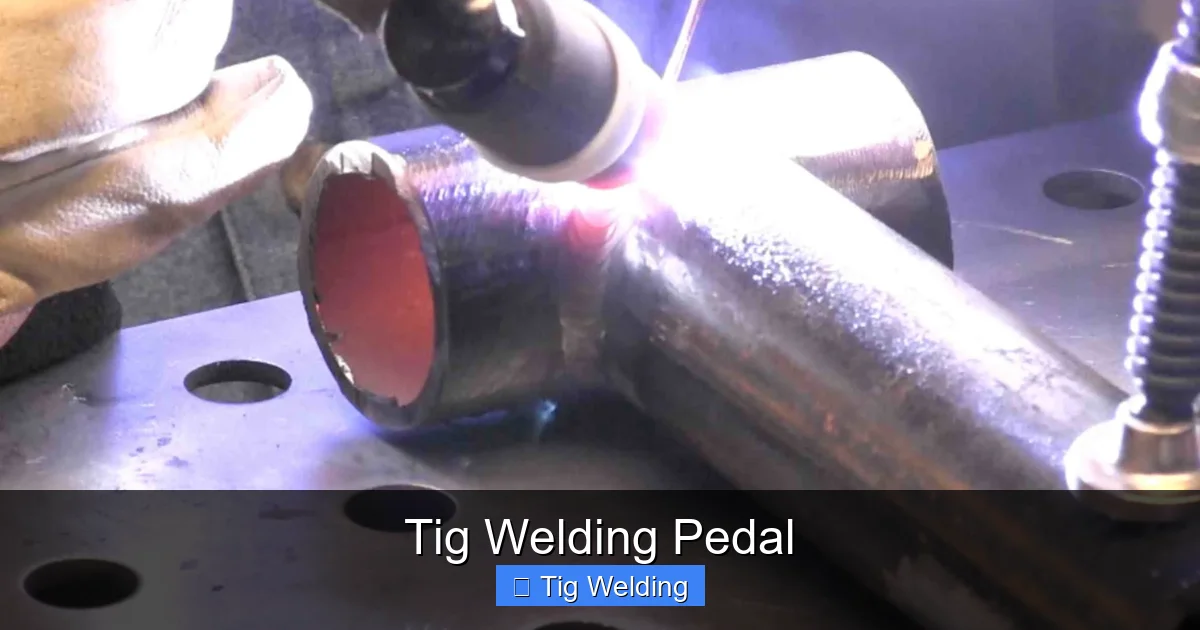
A TIG welding pedal is a crucial accessory that offers welders greater control over their arc and heat input. It allows for seamless adjustments during welding, improving accuracy and safety. Whether you’re a beginner or a pro, understanding how to select and use a TIG welding pedal can significantly improve your welding experience.
Key Takeaways
- Enhanced Control: TIG welding pedals provide precise control over amperage, allowing smooth adjustments during welding.
- Improved Safety: Using a pedal reduces the need to reach for controls, minimizing distractions and accidents.
- Compatibility: Not all TIG welders are compatible with pedals—check your machine before purchasing.
- Types of Pedals: There are foot pedals and hand-held variants, each suited for different applications.
- Material and Build: Look for durable, high-quality materials to ensure longevity and reliable performance.
- Installation Tips: Proper setup and calibration are key to getting the most out of your TIG welding pedal.
Quick Answers to Common Questions
Question 1?
What is a TIG welding pedal used for?
A TIG welding pedal is used to control the amperage during welding, allowing for smooth and precise adjustments of heat input in real-time.
Question 2?
Can I use any pedal with my TIG welder?
No, you should check if your TIG welder supports a pedal and if the connector type matches. Compatibility is essential for proper functioning.
Question 3?
What are the main types of TIG welding pedals?
The main types include foot pedals, hand-held controls, and digital or analog pedals, each suited for different applications and preferences.
Question 4?
How do I install and calibrate a TIG welding pedal?
Connect the pedal to your welder’s dedicated port, then adjust the control to match your desired amperage range, testing on scrap material for accuracy.
Question 5?
Are digital TIG pedals better than analog ones?
Digital pedals often offer advanced features like presets and feedback, but analog pedals are simpler, reliable, and often more affordable. The choice depends on your needs and budget.
📑 Table of Contents
Introduction to TIG Welding Pedals
If you’re into TIG (Tungsten Inert Gas) welding, you’ve probably heard about welding pedals. They are an essential accessory that transforms how you control the welding process. Instead of manually adjusting the current, a TIG welding pedal allows you to regulate heat input smoothly with your foot. This results in more precise welds, less stress, and greater safety.
Whether you’re working on delicate jewelry, automotive parts, or structural steel, a good welding pedal can make a big difference. But not all pedals are created equal. Choosing the right one depends on your welder, your project, and your personal preferences. In this guide, we’ll explore everything you need to know about TIG welding pedals, from how they work to tips for selecting and using them effectively.
What Is a TIG Welding Pedal?
Definition and Functionality
A TIG welding pedal is a foot-controlled device that adjusts the amperage—essentially the power—delivering current to the welding torch. It acts as an accelerator, allowing the welder to modulate heat input during the welding process seamlessly. This precise control helps produce cleaner, more consistent welds and reduces the chances of burn-through or undercutting.
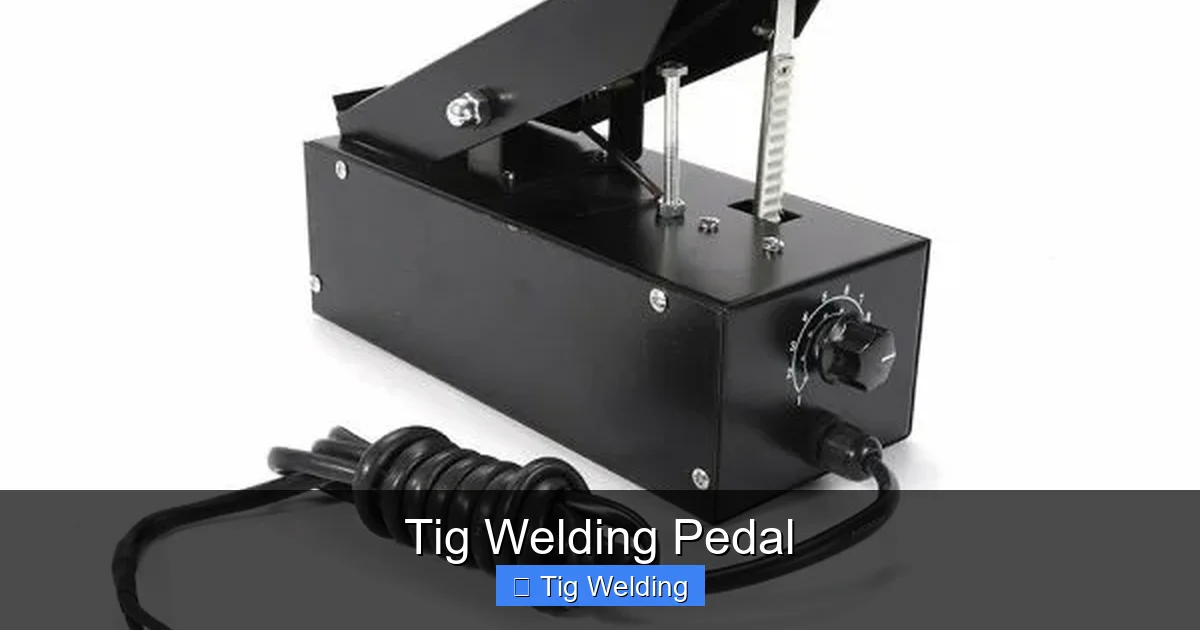
Visual guide about Tig Welding Pedal
Image source: ige.ie
Think of it as a gas pedal in a car—pressing down increases power, lifting reduces it. In TIG welding, this control is vital, especially for thin materials or complex joints.
Why Use a TIG Welding Pedal?
- Increased Precision: Adjust current on the fly for optimal weld quality.
- Better Control: Fine-tune heat input, especially in delicate or detailed work.
- Enhanced Safety: Reduce the need to reach for controls, keeping your focus on welding.
- Reduced Fatigue: Easier to maintain consistent heat, less strain on your hands and arms.
Types of TIG Welding Pedals
Foot Pedals
The most common type, foot pedals resemble a pedal or foot switch connected to your welder via a cable. They come in various designs, from simple potentiometers to more advanced models with digital controls. Foot pedals offer the advantage of hands-free operation, letting you focus solely on the torch and weld pool.
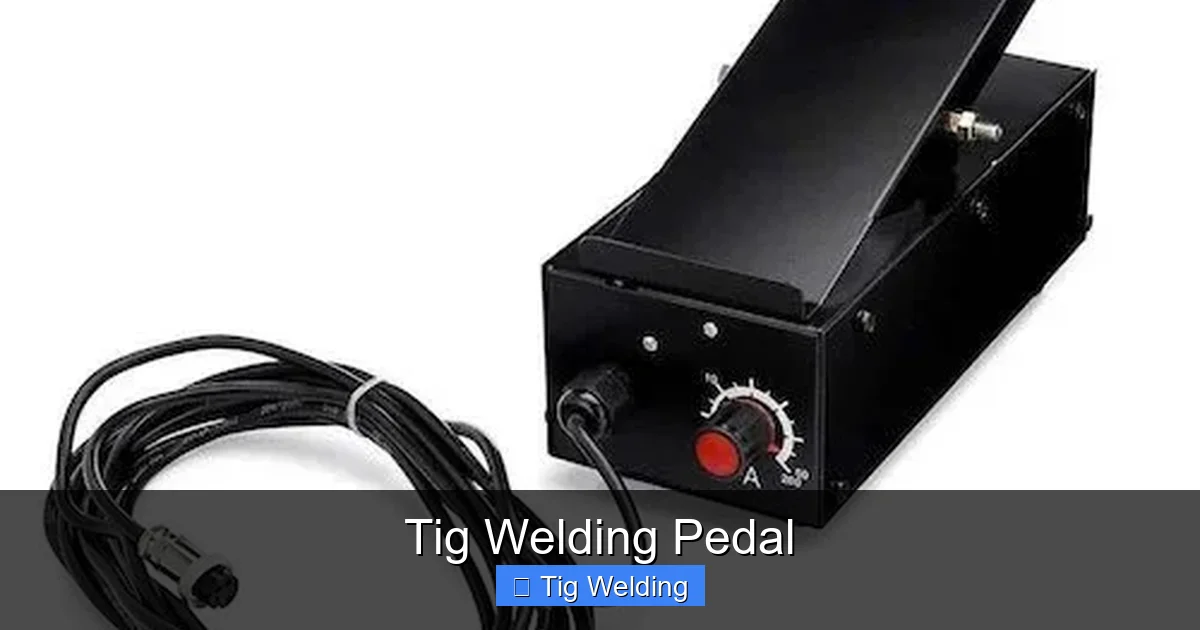
Visual guide about Tig Welding Pedal
Image source: cdn.shopify.com
Hand-Held or Remote Controls
Less common, these are handheld devices or remote controls that allow you to adjust current remotely. They are useful in certain applications where foot pedal placement is inconvenient or when working in tight spaces.
Digital or Analog Pedals
- Analog pedals: Use a potentiometer (variable resistor) to control current. They are simple and reliable.
- Digital pedals: Offer more features like presets, feedback, and integration with digital welding machines.
Choosing the Right TIG Welding Pedal
Compatibility
Before buying, check if your welder supports a pedal. Most modern TIG welders have a dedicated port for a foot pedal, but some budget models or older units may not. Consult your machine’s manual or manufacturer specifications.
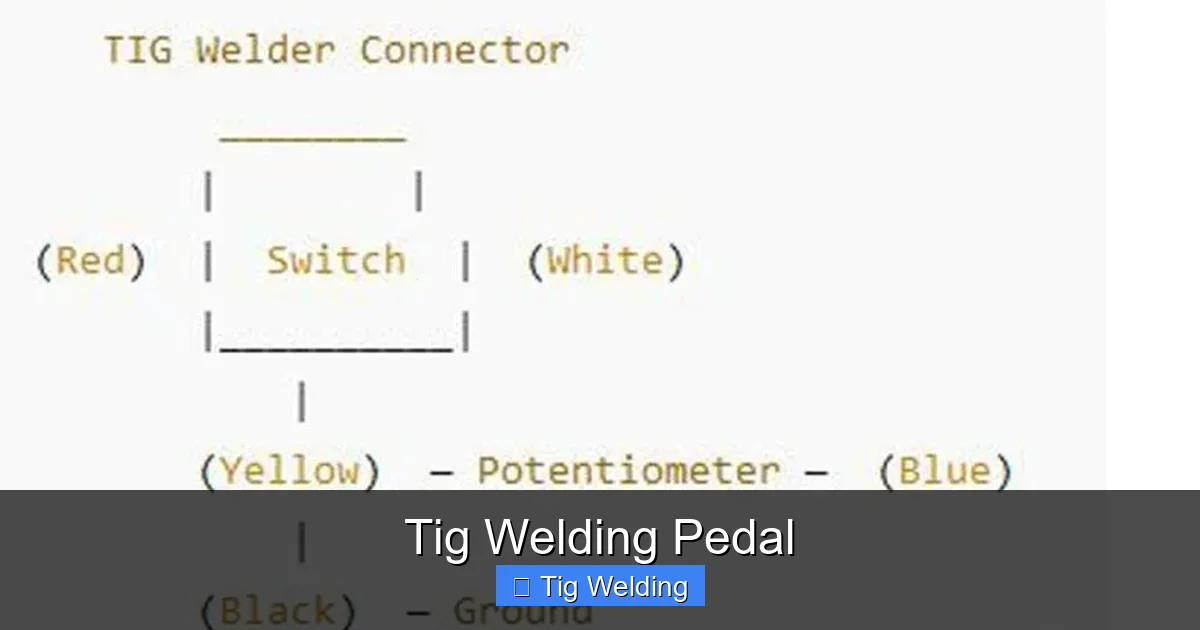
Visual guide about Tig Welding Pedal
Image source: weldingproperty.com
Material and Build Quality
Look for pedals made from durable materials like aluminum or high-quality plastics. The pedal should withstand frequent use, heat, and environmental factors like dust and moisture.
Control Interface
Some pedals feature simple potentiometers, while others have digital interfaces with preset modes. Choose a control type that matches your workflow and comfort level.
Size and Comfort
A comfortable pedal that fits your foot well reduces fatigue. Consider size, grip surface, and whether it offers adjustable tension or resistance.
Price Range
Prices vary from $50 for basic models to over $300 for advanced digital pedals. Balance features and durability with your budget to find the best fit.
Installation and Calibration
Connecting the Pedal
Most TIG welding pedals connect via a dedicated port on the welder. Ensure you use the correct cable and connectors. Follow the manufacturer’s instructions for proper setup.
Calibration Tips
- Turn on your welder and connect the pedal.
- Adjust the pedal’s control until you achieve the desired amperage range.
- Test the pedal on scrap material to verify responsiveness and accuracy.
- Make small adjustments as needed for optimal control.
Practical Tips for Using a TIG Welding Pedal
- Practice smooth movements: Use your foot to make gradual, controlled presses for seamless current adjustment.
- Stay comfortable: Position the pedal within easy reach to avoid strain.
- Monitor your welds: Watch your weld pool closely while adjusting with the pedal for consistent results.
- Maintain your pedal: Keep it clean and check cables for wear or damage regularly.
- Use in conjunction with other controls: Combine pedal control with torch manipulation for best results.
Common Issues and Troubleshooting
Pedal Not Responding
Check connections, cables, and compatibility. Ensure the pedal is calibrated correctly. If problems persist, test with another pedal or consult your welder’s manual.
Inconsistent Current or Fluctuations
Inspect for loose wiring or damaged components. Calibration may need adjustment. Also, ensure your power source is stable.
Pedal Feels Loose or Unresponsive
Replace worn-out parts or tighten connections. A loose pedal affects control and weld quality.
Conclusion: Is a TIG Welding Pedal Worth It?
Absolutely. A TIG welding pedal enhances your control, safety, and overall welding quality. It might require an initial investment and some setup time, but the benefits far outweigh the costs. Whether you’re working on intricate art projects or structural steel, mastering pedal control can elevate your TIG welding skills.
Remember to choose a pedal compatible with your machine, invest in quality materials, and practice regularly. With the right pedal, you’ll find welding more comfortable, precise, and enjoyable.
Frequently Asked Questions
What should I consider when buying a TIG welding pedal?
Focus on compatibility with your welder, build quality, control type, comfort, and price. Ensuring durability and ease of use is key for long-term satisfaction.
Can a TIG welding pedal improve weld quality?
Yes, by providing precise control over heat input, a pedal helps produce cleaner, more consistent welds, especially on delicate or complex projects.
Is using a TIG welding pedal difficult for beginners?
It may take some practice to master pedal control, but most beginners find it improves their welding once they get accustomed to the footwork.
What maintenance does a TIG welding pedal require?
Keep the pedal clean, check cables for wear, and ensure connections are secure. Regular inspection ensures reliable performance.
Can I upgrade my existing TIG welder with a pedal?
If your welder has a compatible port, upgrading with a pedal is usually straightforward and can significantly enhance your control and weld quality.
Are digital pedals worth the extra cost?
Digital pedals offer advanced features and more precise control, which can be beneficial for professional or intricate work, justifying the higher price for many users.
