
TIG welding magnesium is a specialized process that requires careful attention to safety and technique. With the right equipment and understanding, you can achieve high-quality, corrosion-resistant welds on magnesium components, making it ideal for aerospace, automotive, and hobbyist applications.
Key Takeaways
- Safety First: Magnesium is highly flammable when molten; always follow safety protocols when TIG welding.
- Proper Equipment: Use a TIG welder with adjustable current and a suitable tungsten electrode for magnesium.
- Cleanliness: Ensure magnesium surfaces are free of dirt, oil, and oxide layers for optimal weld quality.
- Shielding Gas: Use pure argon or a high-purity inert gas to prevent oxidation and contamination during welding.
- Technique Tips: Maintain a steady hand, proper torch angle, and controlled heat input for clean, strong welds.
- Post-Weld Care: Minimize heat exposure after welding to prevent cracking and ensure corrosion resistance.
Quick Answers to Common Questions
Question 1?
Is TIG welding magnesium safe?
It can be safe if proper precautions are taken, including good ventilation, protective gear, and fire safety measures due to the flammability of magnesium.
Question 2?
What type of shielding gas is best for TIG welding magnesium?
Pure argon (99.999%) is ideal as it provides excellent inert shielding to prevent oxidation during welding.
Question 3?
Can I weld magnesium with a standard TIG welder?
Yes, but ensure your TIG welder has adjustable current control and is capable of handling the specific requirements of magnesium welding.
Question 4?
What are common issues faced when TIG welding magnesium?
Common issues include oxidation, porosity, cracking, and fire hazards. Proper cleaning, shielding, and technique help mitigate these problems.
Question 5?
How do I prevent cracking in magnesium welds?
Control heat input carefully, use multiple passes if necessary, and ensure thorough cleaning to reduce residual stresses and cracking risks.
📑 Table of Contents
Introduction to TIG Welding Magnesium
TIG welding magnesium is an art that combines precision, safety, and the right technique. Magnesium, a lightweight and strong metal, is widely used in aerospace, automotive, and high-performance applications. But welding magnesium isn’t as straightforward as welding steel or aluminum. Its unique properties demand specialized knowledge and equipment.
If you’re a hobbyist or professional looking to weld magnesium, understanding the nuances of TIG (Tungsten Inert Gas) welding is crucial. From safety precautions to the best welding practices, this guide will walk you through everything you need to know to master TIG welding magnesium successfully.
Understanding Magnesium and Its Welding Challenges
Properties of Magnesium
Magnesium is the lightest structural metal, with a density of about 1.74 g/cm³. It has excellent strength-to-weight ratios, good thermal conductivity, and is highly corrosion-resistant when properly protected. However, it’s also highly flammable, especially when molten or fine particles are present.
Visual guide about Tig Welding Magnesium
Image source: aesis-aes-sales-gob2b.b-cdn.net
Why Welding Magnesium Is Different
Unlike steel or aluminum, magnesium’s high reactivity makes it prone to oxidation and combustion during welding. It requires a controlled environment, proper shielding gases, and careful heat management. If not handled correctly, magnesium can ignite, posing serious safety hazards.
Equipment Needed for TIG Welding Magnesium
Welding Machine
Choose a TIG welder with adjustable current and a smooth arc control. A machine capable of fine-tuning parameters helps in managing heat input and avoiding burn-through or cracking.
Visual guide about Tig Welding Magnesium
Image source: weldingmastermind.com
Electrodes and Tungsten Tips
Use a pure tungsten (green tip) or zirconiated tungsten electrode. These provide a stable arc and minimize contamination. The electrode size depends on the thickness of magnesium being welded, typically 1/16″ or 3/32″.
Shielding Gas
High-purity argon (99.999%) is essential. Pure argon provides the necessary inert environment, preventing oxidation and ensuring a clean weld. Sometimes, a small amount of helium is added for increased heat input, but pure argon is most common.
Additional Accessories
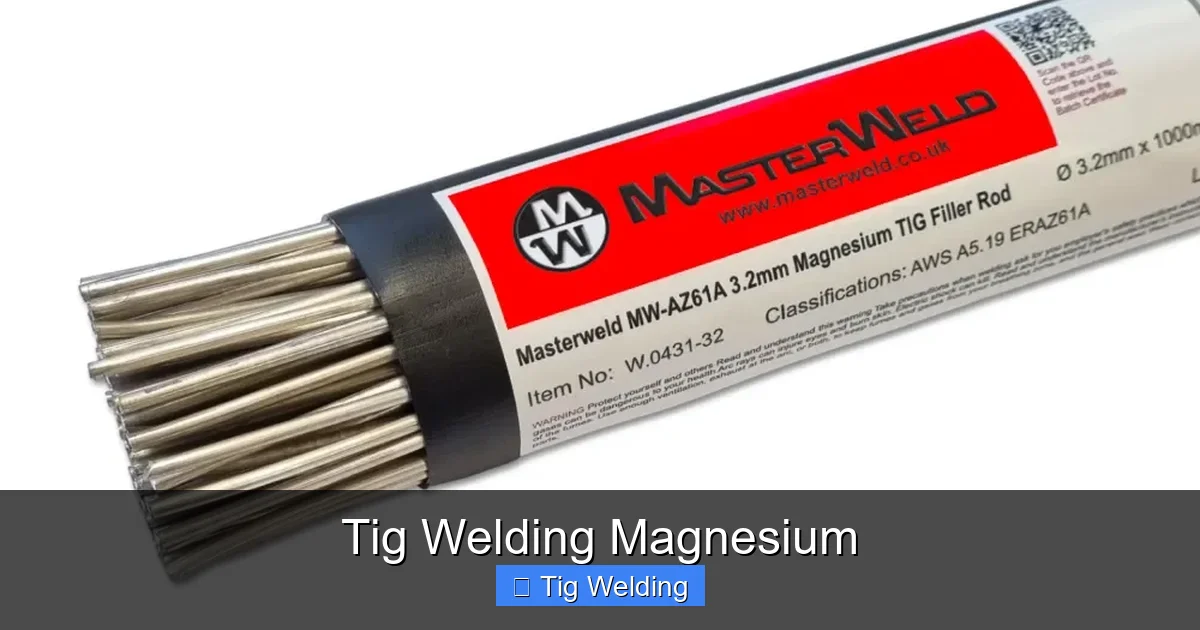
- Filler Rods: Use magnesium filler rods designed for welding magnesium alloys.
- Protective Gear: Welding helmet, gloves, and fire-resistant clothing are vital for safety.
- Ventilation: Ensure good ventilation or use a fume extractor to handle magnesium fumes.
Preparation and Safety Measures
Surface Preparation
Thoroughly clean magnesium surfaces before welding. Remove dirt, oil, and oxide layers using a stainless steel wire brush dedicated for magnesium. Cleanliness is key to preventing porosity and weak welds.
Visual guide about Tig Welding Magnesium
Image source: mewelding.com
Work Environment
Weld in a well-ventilated, fire-safe area. Keep a fire extinguisher rated for metal fires nearby, as magnesium fires require special extinguishing agents (Class D or dry powder).
Safety Precautions
Always wear protective gear. Magnesium fires burn intensely and can produce harmful fumes. Never weld magnesium near flammable materials or in confined spaces without proper ventilation.
Step-by-Step TIG Welding Process for Magnesium
1. Set Up Your Equipment
Adjust your TIG welder to a low to medium amperage suitable for the magnesium thickness. Attach the correct tungsten electrode and set the shielding gas flow rate (around 10-15 CFH).
2. Prepare the Metal
Clean the magnesium surface thoroughly. Clamp your workpiece securely and ensure good grounding.
3. Strike the Arc
Use a high-frequency start to strike the arc without touching the tungsten to the metal. Maintain a steady hand and consistent arc length.
4. Welding Technique
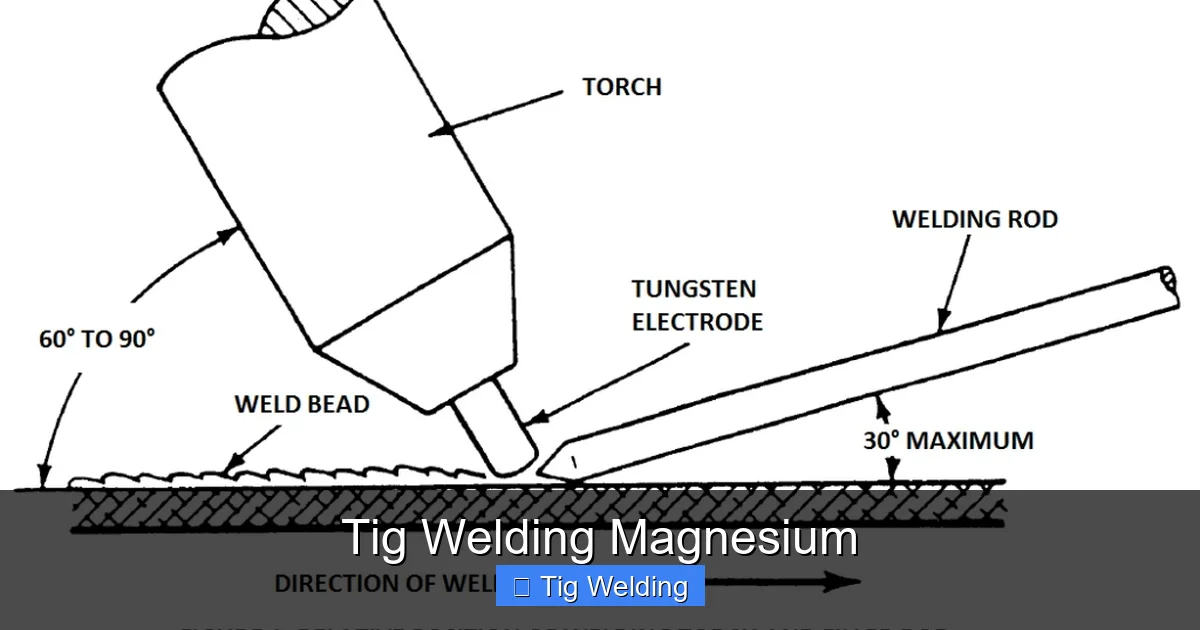
Maintain a torch angle of about 15-20 degrees. Use a weaving or stringer bead technique for even heat distribution. Keep the filler rod in the leading hand and feed it smoothly into the weld pool.
5. Managing Heat
Control heat input carefully. Too much heat can cause cracking, while too little may result in poor fusion. Use lower amperage settings and short, controlled passes.
6. Finishing the Weld
Allow the weld to cool naturally. Do not quench immediately, as rapid cooling can induce cracking. Post-weld, inspect for porosity, cracks, or incomplete fusion.
Common Challenges and How to Overcome Them
Oxidation and Contamination
Ensure excellent surface cleanliness and use proper shielding gas. Any contamination can weaken the weld or cause porosity.
Cracking and Warping
Manage heat input carefully and avoid excessive heat buildup. Use multiple passes if needed to distribute heat evenly.
Fire Hazards
Always keep a fire extinguisher handy, and never weld magnesium in an environment with flammable materials. Use fire-resistant blankets if necessary.
Post-Welding Care and Maintenance
After welding, clean the weld area from any residual oxide or dirt. Apply protective coatings or paints to prevent corrosion. Store magnesium components in dry, cool places to prolong their lifespan.
Remember, magnesium welds are sensitive; proper care ensures durability and safety.
Conclusion
TIG welding magnesium offers a lightweight, high-strength solution for many applications. While it requires special care, proper equipment, and safety measures, mastering the process opens doors to high-quality, corrosion-resistant joints. Whether for aerospace, automotive, or hobby projects, understanding the nuances of TIG welding magnesium is key to success.
Always prioritize safety and take the time to prepare and practice. With patience and proper technique, you can achieve professional-grade welds on magnesium that stand the test of time.
Frequently Asked Questions
What safety precautions should I take when TIG welding magnesium?
Always wear protective gear, work in a well-ventilated area, and keep a fire extinguisher nearby. Avoid welding near flammable materials due to magnesium’s high flammability.
What equipment is essential for TIG welding magnesium?
You need a TIG welder with adjustable current, pure tungsten electrodes, high-purity argon gas, and magnesium-specific filler rods. Proper grounding and cleaning tools are also important.
Can I weld magnesium in an outdoor environment?
While possible, outdoor welding poses challenges such as wind disturbing shielding gases and fire risks. It’s best done in a controlled indoor environment or with wind shields.
How do I prepare magnesium for welding?
Clean the surface thoroughly with a dedicated stainless steel wire brush, removing all dirt, oil, and oxide layers. Ensure the metal is dry and free of contaminants before welding.
What are the main benefits of TIG welding magnesium?
TIG welding provides precise control, producing clean, high-quality welds with minimal distortion. It’s ideal for applications requiring strong, corrosion-resistant joints.
How can I improve my magnesium TIG welding skills?
Practice on scrap pieces, focus on controlling heat input, maintain steady hand movements, and always prioritize safety. Watching tutorials and seeking expert advice can also help.
