

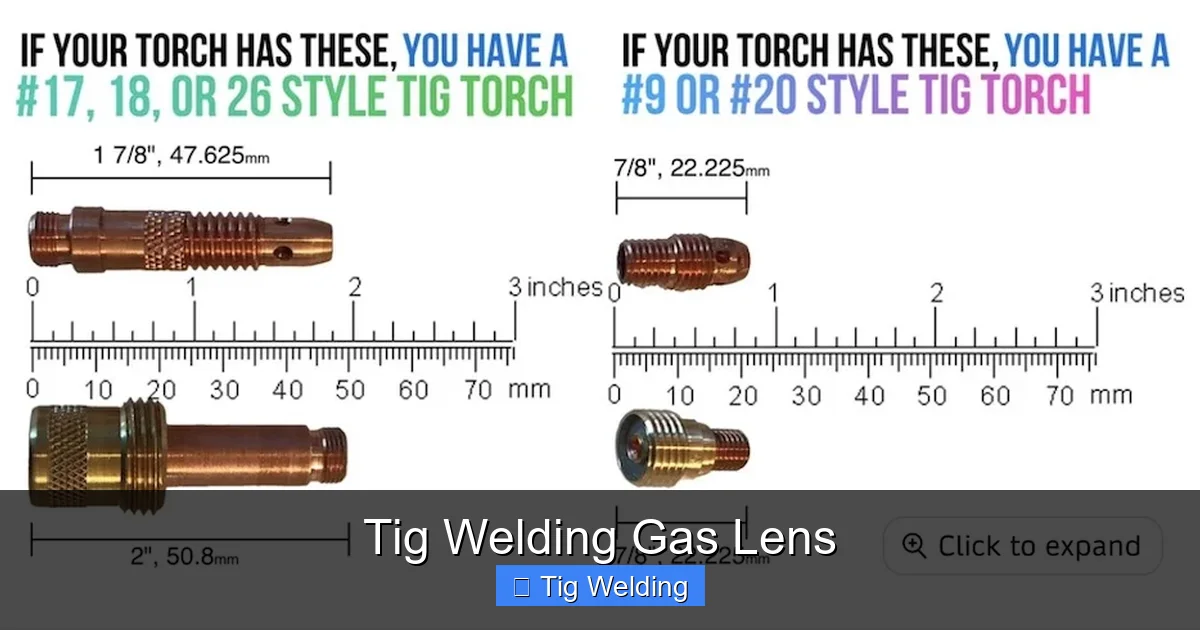
A TIG welding gas lens is a vital component that improves shielding gas flow and reduces contamination during welding. It helps achieve cleaner, more precise welds, making it a must-have for professional and hobbyist welders alike. Whether you’re new to TIG welding or looking to refine your setup, understanding gas lenses can significantly boost your welding quality and efficiency.
Key Takeaways
- Enhanced Shielding: Gas lenses provide a better flow of shielding gas, leading to cleaner welds with fewer contaminants.
- Improved Visibility: They help maintain a consistent gas flow, reducing turbulence and allowing for better weld pool visibility.
- Compatibility: Gas lenses are compatible with most TIG torches and can be easily swapped out for traditional collets and diffusers.
- Variety of Sizes: Available in multiple sizes and styles to fit different torch models and welding needs.
- Durability: Made from high-quality materials, gas lenses are designed to last and withstand heat and wear.
- Cost-Effective: Investing in a good gas lens can reduce weld rework and improve overall weld quality, saving money in the long run.
Quick Answers to Common Questions
Question 1?
What is a TIG welding gas lens?
A TIG welding gas lens is a component that disperses shielding gas evenly over the weld area, improving weld quality and reducing contamination.
Question 2?
Why should I use a gas lens instead of a traditional diffuser?
Gas lenses provide a more laminar and stable gas flow, resulting in cleaner welds, better visibility, and less turbulence compared to traditional diffusers.
Question 3?
Can I use a gas lens with any TIG torch?
Most gas lenses are designed to be compatible with standard TIG torches, but always check your torch model and size before purchasing.
Question 4?
How do I clean and maintain my gas lens?
Regularly inspect for dirt or damage, clean perforations with compressed air or a brush, and replace if damaged for optimal performance.
Question 5?
What size of gas lens should I choose?
Choose a size based on your torch diameter and welding application — smaller for delicate work, larger for thicker materials and deep welds.
📑 Table of Contents
Introduction to TIG Welding Gas Lenses
When it comes to TIG (Tungsten Inert Gas) welding, precision and clean results are paramount. A key component that often gets overlooked but plays a crucial role is the gas lens. If you’re serious about your welding, understanding what a gas lens is, how it works, and why it matters can make a huge difference in your projects.
Imagine trying to paint a wall with a shaky brush — the results won’t be smooth or even. Similarly, in TIG welding, the flow of shielding gas needs to be smooth and consistent to prevent contamination and defects. That’s where gas lenses come in, providing a more stable and efficient gas flow, leading to better welds and fewer reworks.
In this article, we’ll explore everything you need to know about TIG welding gas lenses — from their benefits and types to installation tips and practical advice — so you can elevate your welding game.
What Is a TIG Welding Gas Lens?
Definition and Function
A gas lens is a specialized component used in TIG welding torches. It replaces the traditional collet and diffuser assembly, offering a more streamlined way to direct shielding gas over the weld area.
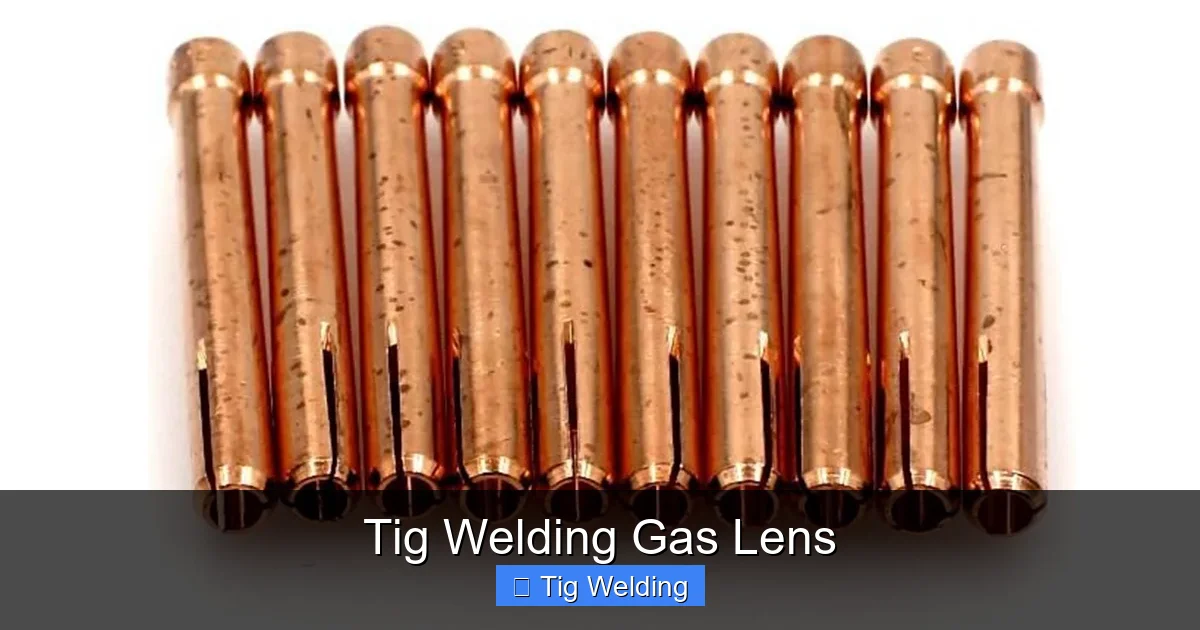
Visual guide about Tig Welding Gas Lens
Image source: us03-imgcdn.ymcart.com
Its main purpose? To provide a more even and laminar flow of shielding gas, which protects the weld pool from atmospheric contamination. This leads to cleaner, stronger welds with less porosity and oxidation.
How Does It Work?
The gas lens consists of a thin, perforated metal or ceramic screen that surrounds the tungsten electrode. When the shielding gas flows through the lens, it disperses evenly, creating a stable gas shield around the weld zone.
This uniform flow minimizes turbulence, which is especially important when welding thin materials or making precise, high-quality welds.
Benefits of Using a Gas Lens in TIG Welding
Improved Shielding Gas Flow
Traditional diffusers can cause turbulence, which leads to inconsistent gas coverage. Gas lenses distribute the gas more evenly, reducing the chance of weld contamination.
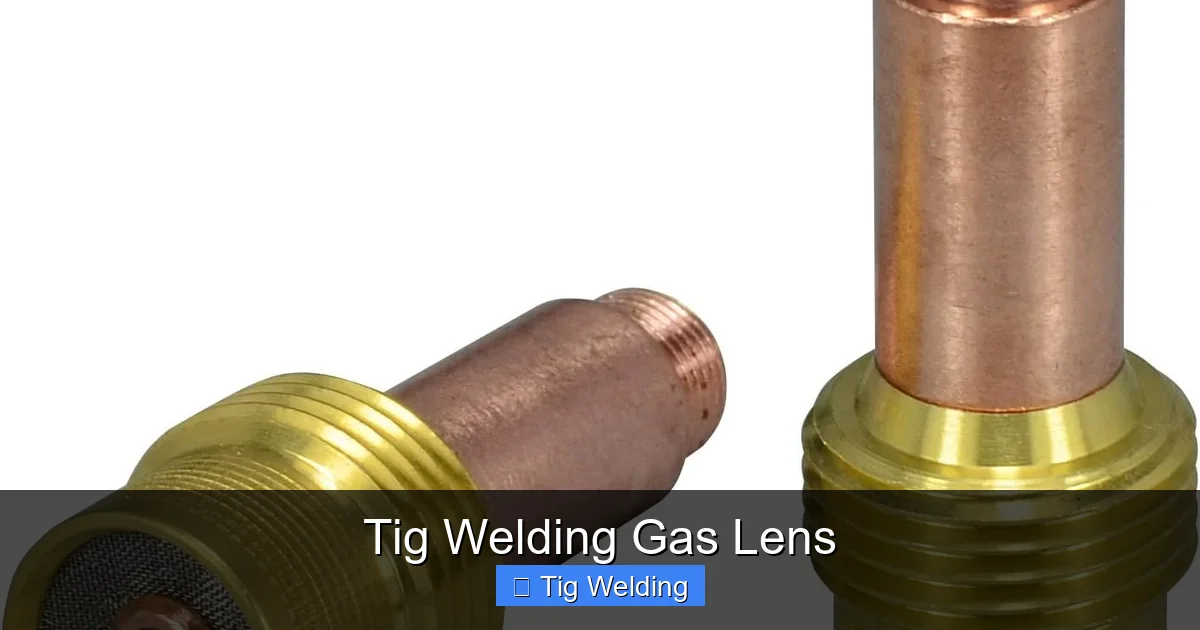
Visual guide about Tig Welding Gas Lens
Image source: m.media-amazon.com
Better Weld Quality
With a stable gas shield, you get fewer porosity issues, less oxidation, and overall cleaner welds. This is essential for projects requiring high standards, like aerospace, automotive, or artistic work.
Enhanced Visibility and Control
Gas lenses help maintain a clear view of the weld puddle. Less turbulence means less flickering and better control over your weld pool, making your job easier and more precise.
Extended Tungsten Electrode Life
Consistent gas flow reduces contamination of the tungsten electrode, helping it last longer and perform better over time.
Compatibility and Flexibility
Most gas lenses are compatible with various torch sizes and styles, offering flexibility to suit different welding tasks.
Types and Sizes of Gas Lenses
Standard vs. Extended Gas Lenses
Standard gas lenses are suitable for most general welding tasks. Extended versions provide additional length, offering better access and control for deep or hard-to-reach welds.
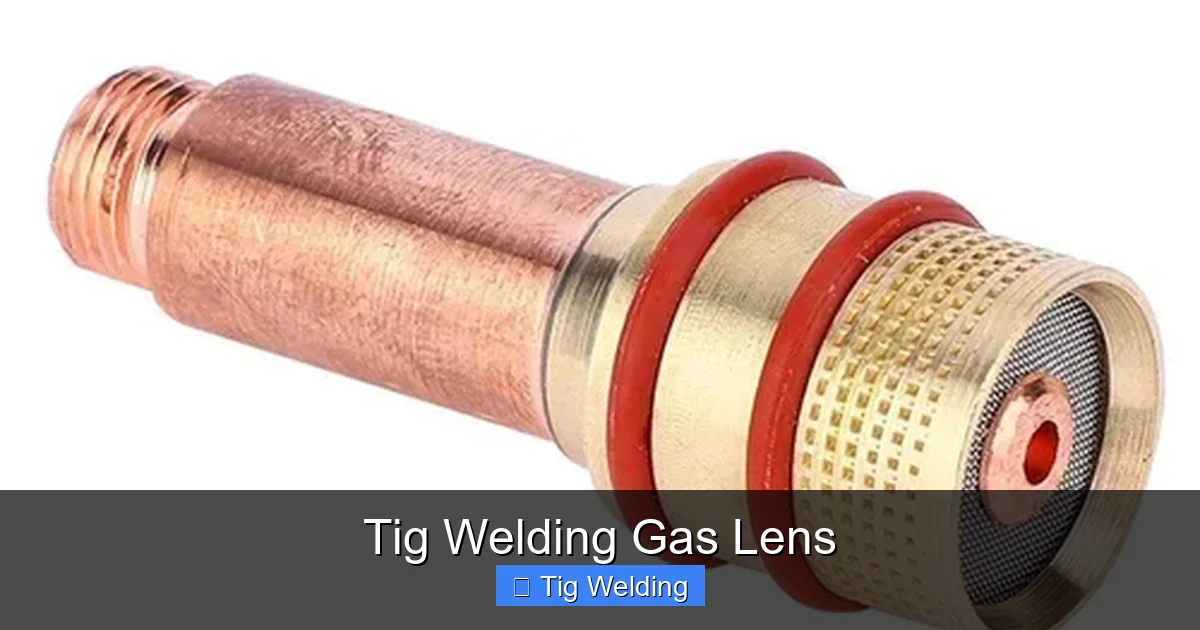
Visual guide about Tig Welding Gas Lens
Image source: 5.imimg.com
Material Options
- Stainless Steel: Durable, corrosion-resistant, ideal for most applications.
- Ceramic: Excellent heat resistance, often used in high-temperature environments.
Size Variations
Gas lenses come in different diameters, typically ranging from 1/8″ (3.2mm) to 1/2″ (12.7mm). Choosing the right size depends on your torch model and welding needs. Smaller sizes are great for delicate work, while larger lenses suit thicker materials.
Installing and Maintaining a Gas Lens
Installation Tips
- Check Compatibility: Make sure the gas lens matches your torch size and model.
- Proper Fit: Insert the gas lens into the torch body securely to prevent leaks.
- Replace Diffuser: When installing a new gas lens, consider replacing the diffuser for optimal flow.
Maintenance Tips
- Regular Cleaning: Keep the perforations clear of dirt and debris using a small brush or compressed air.
- Inspect for Damage: Replace any cracked or damaged lenses promptly.
- Check Gas Flow: Adjust your regulator to ensure proper flow rates, typically between 12-20 CFH.
Practical Tips for Using Gas Lenses Effectively
- Use the Right Gas: Pure argon or helium-argon mixes work best with gas lenses for most applications.
- Adjust Gas Flow: Too high or too low flow can cause turbulence or insufficient coverage. Experiment to find the optimal setting.
- Maintain a Consistent Technique: Keep a steady torch angle and distance for the best results.
- Practice on Scrap: Before working on your actual project, test your setup to fine-tune your gas flow and torch position.
Conclusion
In TIG welding, the quality of your welds hinges on many factors, and the gas lens is a crucial component in achieving professional results. By ensuring a stable, even flow of shielding gas, a gas lens reduces contamination, improves visibility, and extends electrode life. Whether you’re a hobbyist or a seasoned welder, investing in a good gas lens can significantly elevate your work quality.
Remember to choose the right size, keep it clean, and maintain proper gas flow. With these tips, you’ll enjoy cleaner, more consistent welds and a more enjoyable welding experience overall.
Frequently Asked Questions
What is a gas lens in TIG welding?
A gas lens is a specialized component that improves the flow of shielding gas over the weld area, resulting in cleaner, more precise welds. It replaces the traditional diffuser and collet assembly, providing a more even gas distribution.
How does a gas lens improve weld quality?
By providing a laminar, stable flow of shielding gas, a gas lens reduces turbulence and contamination, leading to fewer porosity issues and stronger welds. It also enhances visibility and control during welding.
Are gas lenses compatible with all TIG torches?
Most modern TIG torches are compatible with standard gas lenses, but it’s important to verify size and fit before purchasing to ensure proper installation and performance.
How do I install a gas lens correctly?
Ensure compatibility with your torch, insert the gas lens securely into the torch body, and consider replacing the diffuser for optimal flow. Proper installation is key to achieving the best results.
What materials are gas lenses made from?
Gas lenses are typically made from stainless steel, ceramic, or other heat-resistant materials designed to withstand high temperatures and corrosion during welding.
Can using a gas lens save me money?
Yes, by improving weld quality and reducing rework or defect repairs, a gas lens can be a cost-effective upgrade for your TIG welding setup over time.
