
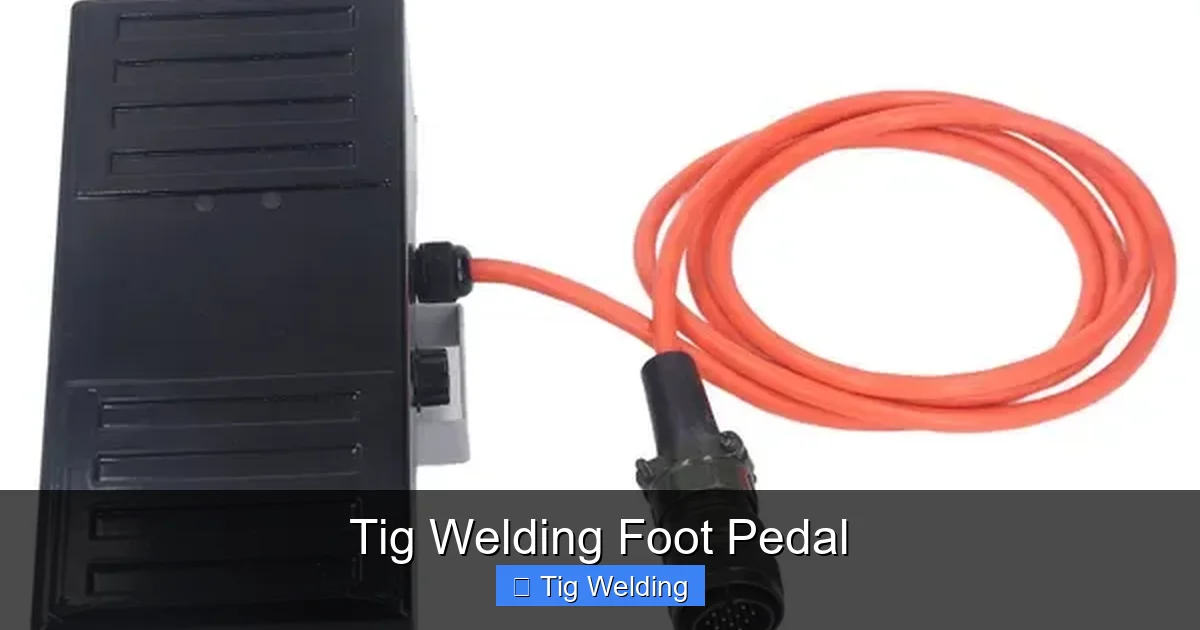
A TIG welding foot pedal is a crucial accessory that offers precise control over welding power, making your TIG projects smoother and more accurate. Whether you’re a beginner or a pro, understanding how to choose and use a foot pedal can greatly improve your welding results and comfort.
Key Takeaways
- Enhanced Control: A TIG welding foot pedal allows for real-time adjustment of welding current, giving you better control over your welds.
- Types of Foot Pedals: There are various types including analog, digital, and wireless, each suited for different welding setups.
- Compatibility: Ensure your foot pedal is compatible with your TIG welder model for optimal performance.
- Ergonomics: A comfortable foot pedal can reduce fatigue during long welding sessions and improve precision.
- Maintenance and Care: Regular cleaning and proper storage extend the lifespan of your foot pedal.
- Cost Considerations: Prices vary based on features and quality; investing in a good pedal can improve your welding quality.
Quick Answers to Common Questions
Question 1?
What is a TIG welding foot pedal used for?
A TIG welding foot pedal is used to control the amperage during welding, allowing for real-time adjustments that improve weld quality and precision.
Question 2?
Are all TIG welding foot pedals compatible with every welder?
No, compatibility depends on the brand and model. Always check your welder’s specifications before purchasing a foot pedal.
Question 3?
What are the main types of TIG welding foot pedals?
They include analog, digital, and wireless models, each offering different features and control options.
Question 4?
How do I maintain my TIG welding foot pedal?
Keep it clean, check for damage regularly, and store it in a dry place to extend its lifespan.
Question 5?
Can a foot pedal improve my welding results even if I’m a beginner?
Yes, it provides better control over heat input, making it easier to produce high-quality welds even for beginners.
📑 Table of Contents
Introduction to TIG Welding Foot Pedals
TIG welding, or Gas Tungsten Arc Welding (GTAW), is known for its precision and clean results. But to truly master TIG welding, you need more than just a good torch and filler rod. Enter the TIG welding foot pedal. This simple yet powerful device gives you control over welding current with your foot, allowing for smoother starts, steady arcs, and precise heat adjustments. Whether you’re welding thin metals or complex projects, a foot pedal can make a huge difference.
Many welders overlook this accessory, thinking it’s just an optional add-on. But in reality, a quality foot pedal is essential for controlling heat input, preventing burn-through, and achieving professional-quality welds. In this article, we’ll explore everything you need to know about TIG welding foot pedals, from types and features to tips on choosing the right one for your needs.
What is a TIG Welding Foot Pedal?
Definition and Purpose
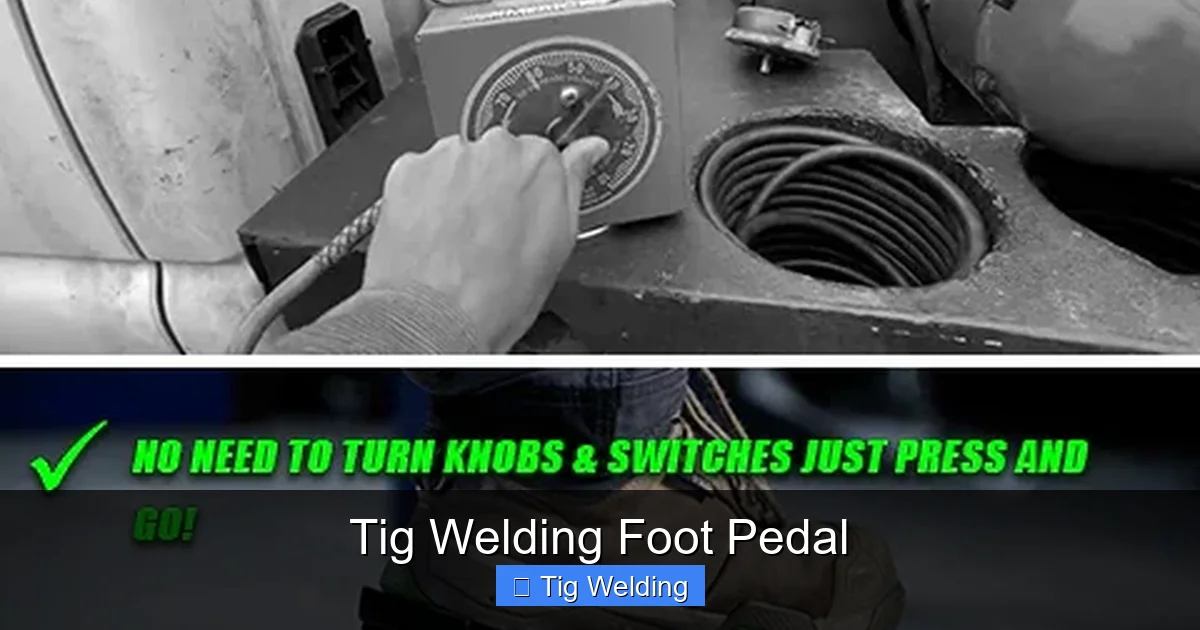
A TIG welding foot pedal is a device that connects to your TIG welder and allows you to control the amperage (current) during welding. Think of it as a gas pedal in a car—pressing it increases the power, and releasing it decreases the power. This real-time control helps welders manage heat input precisely, which is crucial for achieving high-quality welds.
Visual guide about Tig Welding Foot Pedal
Image source: carhomedepot.com
Why Use a Foot Pedal?
- Precision: Adjust current smoothly without stopping the weld.
- Consistency: Maintain a steady arc for a uniform weld bead.
- Control: Respond quickly to changes in material or weld position.
- Comfort: Reduce fatigue by avoiding constant button presses or manual adjustments.
Types of TIG Welding Foot Pedals
Analog Foot Pedals
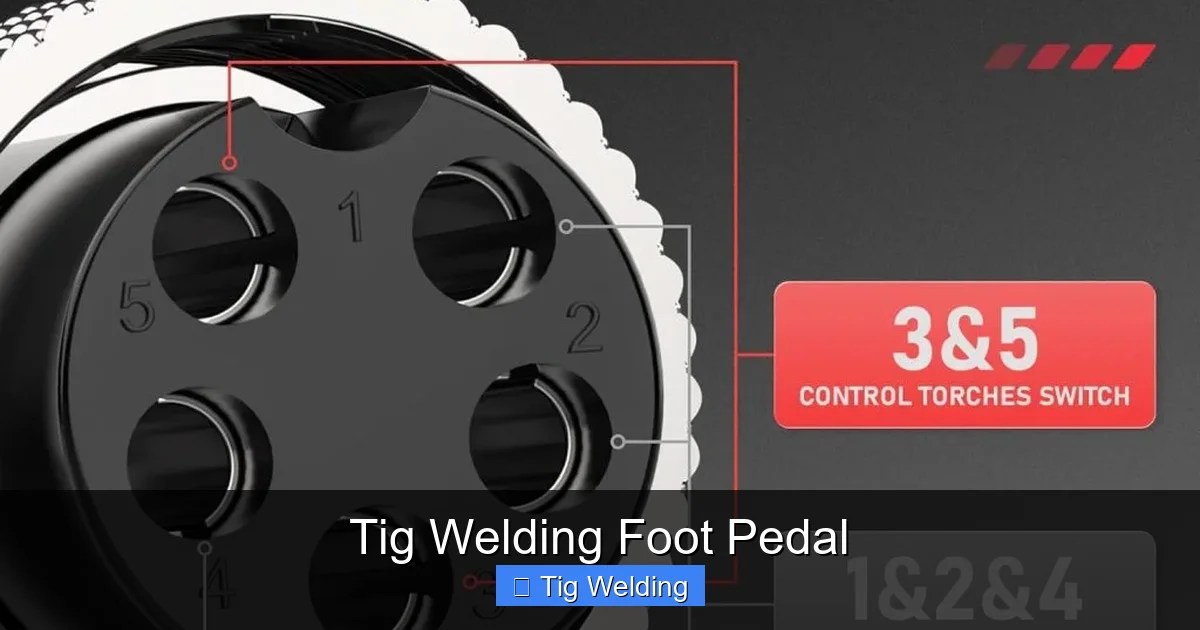
These are the most common type. They use a variable resistor (potentiometer) to control current. When you press the pedal, resistance changes, adjusting the amperage accordingly. They’re simple, reliable, and generally affordable.
Visual guide about Tig Welding Foot Pedal
Image source: rickyswelding.com
Digital Foot Pedals
Digital pedals use electronic circuits to provide precise control and often feature additional settings like presets or memory functions. They may include digital displays to show current settings, making them popular among professional welders.
Wireless Foot Pedals
Wireless models connect to the welder via Bluetooth or radio frequency. They offer greater freedom of movement, reducing cable clutter. However, they can be more expensive and may require batteries or charging.
Mechanical vs. Electronic Pedals
Mechanical pedals often use physical linkages, similar to a car accelerator, while electronic ones rely on sensors and circuits. The choice depends on your preference for responsiveness, durability, and budget.
Choosing the Right Foot Pedal for Your TIG Welder
Compatibility
Before purchasing, check if the foot pedal is compatible with your TIG welder model. Some brands design pedals specifically for their machines, while others are universal. Review your welder’s specifications and consult the manufacturer if necessary.
Visual guide about Tig Welding Foot Pedal
Image source: rickyswelding.com
Features to Consider
- Adjustability: Look for pedals with adjustable sensitivity or response curves.
- Build Quality: Choose durable materials like steel or high-grade plastics for longevity.
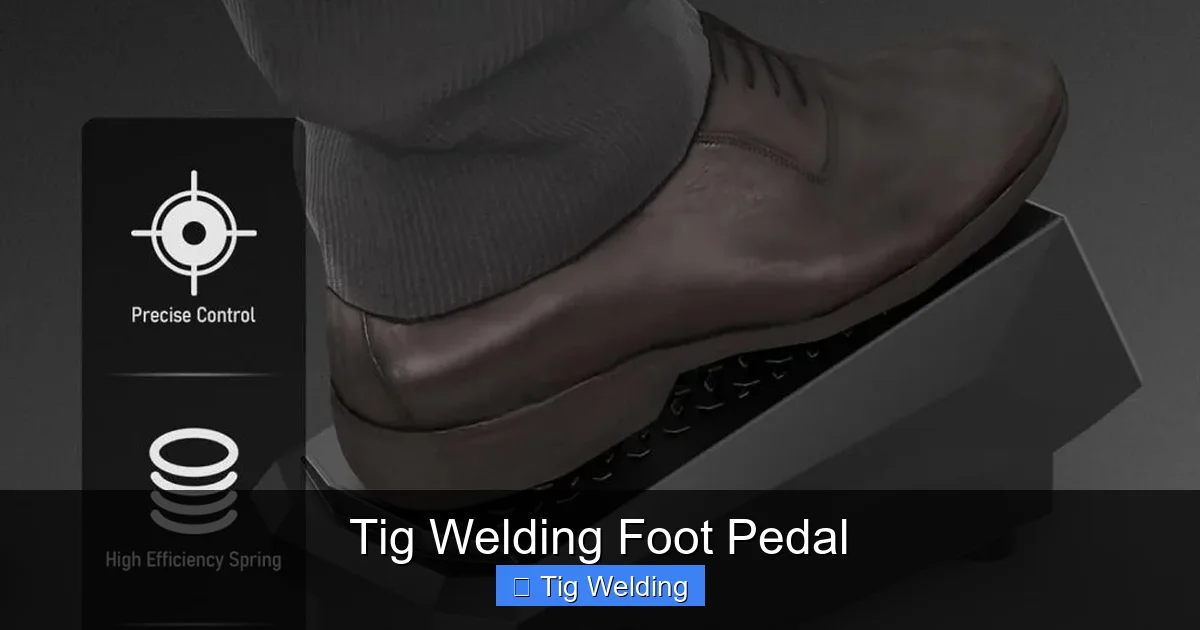
- Ease of Use: A pedal with a comfortable, non-slip surface is essential for control and safety.
- Additional Controls: Some pedals include features like start/stop buttons or preset memory.
Budget and Brand
Quality tends to correlate with price. While cheap pedals may work initially, investing in reputable brands can save you money in the long run due to better durability and performance. Popular brands include Miller, ESAB, and Lincoln Electric.
How to Use a TIG Welding Foot Pedal Effectively
Getting Started
Connect your foot pedal to the TIG welder according to the manufacturer’s instructions. Turn on your machine and set initial parameters. Practice controlling the pedal to get a feel for how it influences the arc.
Practical Tips
- Start slow: Practice gentle presses to understand how the current responds.
- Maintain steady pressure: Consistency in pedal pressure yields more uniform welds.
- Use in conjunction with technique: Combine pedal control with proper torch angle and movement for best results.
- Adjust sensitivity: If your pedal has adjustable response, set it to your comfort level.
- Practice on scrap: Before working on your actual project, practice on test pieces to master pedal control.
Maintenance and Troubleshooting
Regular Care
Keep the pedal clean and free of dust, dirt, and moisture. Inspect the cord and connection points regularly for signs of wear or damage. Store the pedal in a dry, safe place when not in use.
Troubleshooting Common Issues
- No response or inconsistent control: Check connections, replace batteries (if wireless), or calibrate the pedal if possible.
- Pedal feels sticky or unresponsive: Clean the contact points or consider replacing worn-out parts.
- Arc flickering or unstable: Ensure the pedal’s response is compatible and functioning properly.
Conclusion: Elevate Your TIG Welding with the Right Foot Pedal
A TIG welding foot pedal is more than just an accessory—it’s a tool that can significantly improve your welding quality, control, and comfort. By understanding the different types, features, and best practices, you can select the perfect pedal for your setup and weld with confidence. Remember, investing in a good quality foot pedal pays off through better welds and less fatigue.
Whether you’re working on delicate jewelry, automotive parts, or structural steel, mastering pedal control will make your TIG welding experience more enjoyable and professional. So, choose wisely, practice diligently, and watch your welding skills reach new heights!
Frequently Asked Questions
What should I consider when choosing a TIG welding foot pedal?
Look for compatibility with your welder, build quality, ease of use, and desired features. Investing in a reputable brand ensures durability and better control.
Can wireless foot pedals be reliable?
Wireless foot pedals offer greater freedom of movement and convenience, but ensure they have a stable connection and good battery life for consistent performance.
Is a digital foot pedal better than an analog one?
Digital pedals often provide more precise control and additional features like displays, making them preferable for professional or detailed work.
How do I troubleshoot if my foot pedal isn’t working?
Check connections, replace batteries if wireless, inspect for damage, and ensure compatibility. Refer to the user manual for specific troubleshooting steps.
Can I use a foot pedal for other types of welding?
While primarily designed for TIG welding, some foot pedals can be adapted for other processes like plasma cutting or MIG welding, depending on compatibility.
What is the typical price range for quality TIG welding foot pedals?
Prices can range from $50 to over $300, depending on features, brand, and build quality. Investing in a mid to high-range pedal often offers better durability and control.
