
TIG welding defects can compromise the strength and appearance of your welds. Identifying common issues like porosity, cracks, and inclusions is essential for producing high-quality welds. Understanding these defects helps welders troubleshoot problems effectively and achieve better results.
Key Takeaways
- Porosity: Gas pockets in the weld that weaken its integrity and are caused by contamination or improper shielding gas coverage.
- Cracks: Fractures that can occur during cooling, often resulting from thermal stresses or improper technique.
- Inclusions: Non-metallic materials trapped in the weld, leading to weak spots, caused by contamination or improper cleaning.
- Undercutting: A groove melted into the base metal along the weld edge, reducing strength and appearance, often due to high current or travel speed.
- Overlap: Excess weld metal flowing over the base metal without fusion, usually caused by improper torch angle or technique.
- Inconsistent Bead: Uneven welds that indicate issues with technique, torch movement, or heat settings, impacting overall weld quality.
Quick Answers to Common Questions
Question 1?
What are the most common TIG welding defects?
Question 2?
How can I prevent porosity in TIG welding?
Question 3?
What causes cracks in TIG welds?
Question 4?
How do I fix inclusions in a TIG weld?
Question 5?
Why does undercutting occur during TIG welding?
📑 Table of Contents
Introduction to TIG Welding and Its Common Defects
TIG welding, or Tungsten Inert Gas welding, is renowned for its precision and clean welds. It’s widely used in industries like aerospace, automotive, and art because of its ability to produce high-quality joints. However, even skilled welders can encounter defects that compromise weld integrity and appearance.
Understanding TIG welding defects is essential for anyone looking to improve their skills and ensure their welds are strong, durable, and visually appealing. These defects can stem from various factors—incorrect technique, poor equipment, or contaminated materials. In this article, we’ll explore the most common TIG welding defects, why they occur, and how to prevent or fix them.
Common TIG Welding Defects and Their Causes
Porosity
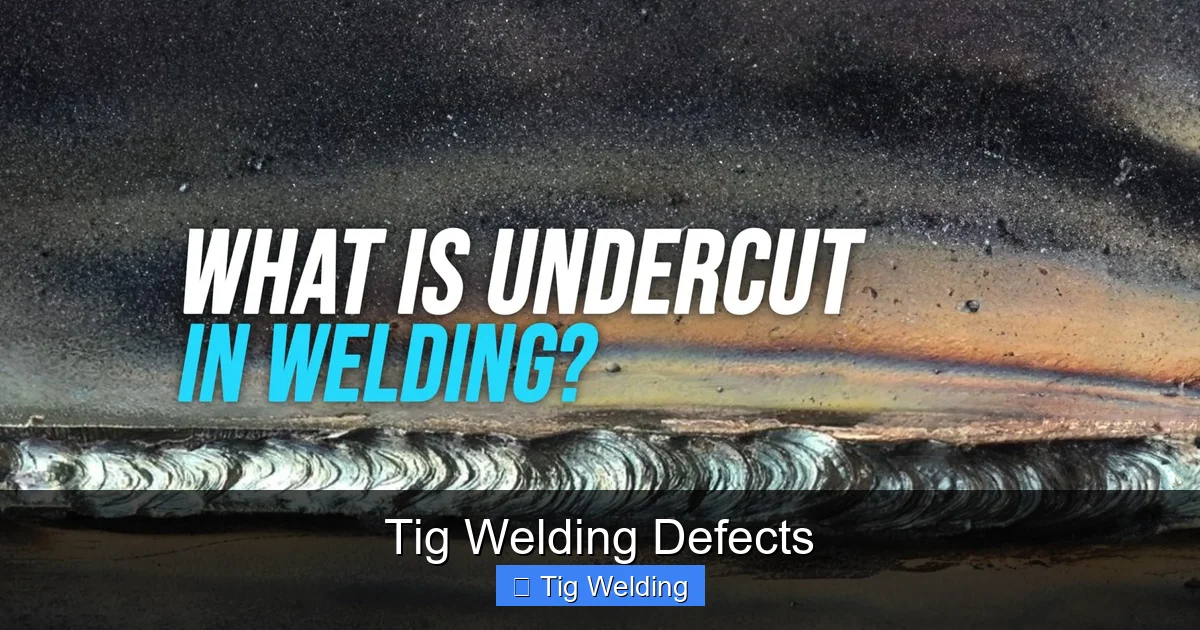
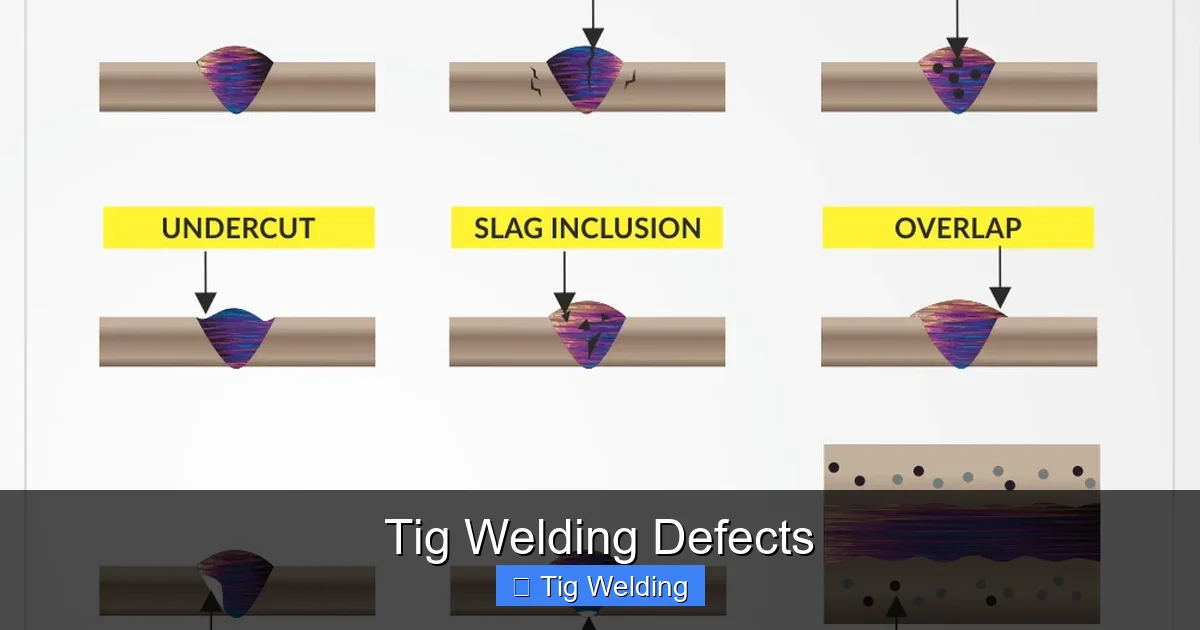
Porosity refers to tiny gas pockets or bubbles trapped within the weld metal. These pockets weaken the weld and can lead to failure under stress. Porosity is one of the most common TIG welding defects and can be caused by several factors.
Visual guide about Tig Welding Defects
Image source: weldingwatch.com
- Contaminated base metal: Oil, rust, or dirt on the surface can release gases during welding.
- Inadequate shielding gas coverage: Poor gas flow or drafts can expose the weld pool to atmospheric gases.
- Moisture: Wet electrodes, filler rods, or workpieces introduce moisture, which creates gas pockets.
- Incorrect welding parameters: Too high or low amperage can cause incomplete shielding and porosity.
Tip: Always clean your metal thoroughly, use proper shielding gas flow rates, and keep your materials dry to prevent porosity.
Cracks
Cracks are fractures that form in the weld or heat-affected zone. They’re dangerous because they can propagate under stress, leading to failure. Cracks in TIG welding are often caused by thermal stresses and improper cooling.
- Hydrogen cracking: Caused by excessive moisture or hydrogen in the weld, leading to brittle cracks.
- Hot cracking: Occurs during solidification when the weld metal contracts unevenly.
- Residual stresses: Excessive heat input or improper technique can lead to stress buildup and cracking.
Tip: Use proper preheating, control cooling rates, and avoid moisture to reduce crack risks.
Inclusions
Inclusions are non-metallic materials trapped within the weld metal, such as slag or dirt. They weaken the weld and can cause failures if not addressed.
- Contaminated filler material: Dirty or poorly stored electrodes or filler rods introduce contaminants.
- Inadequate cleaning: Failing to clean the base metal before welding leaves debris that can become inclusions.
- Incorrect technique: Poor torch angle or insufficient cleaning can cause inclusions.
Tip: Always clean your workpiece and materials before welding, and maintain proper technique to minimize inclusions.
Undercutting
Undercutting appears as a groove or notch along the weld toe where the base metal has melted away. It reduces the overall strength and can lead to crack initiation.
- High welding current: Excessive heat causes melting beyond the weld zone.
- Fast travel speed: Moving too quickly prevents proper fusion and creates undercuts.
- Improper torch angle: A wrong angle directs heat improperly, causing melting of the base metal.
Tip: Use correct current settings, maintain a steady torch movement, and keep the torch angle at around 70-80 degrees for optimal results.
Overlap
Overlap occurs when the weld metal flows over the base metal without fusion, leading to weak joints. It’s often caused by improper technique or incorrect settings.
- Incorrect torch angle: Holding the torch at too shallow an angle prevents proper fusion.
- Too much filler metal: Excess filler can cause it to flow over without fusing properly.
- Low heat input: Insufficient heat prevents proper melting and fusion.
Tip: Maintain the right torch angle (about 70 degrees) and adjust heat settings to promote proper fusion.
Inconsistent Bead
Inconsistent bead refers to uneven welds that may have varying widths, heights, or smoothness. This indicates inconsistent technique, heat, or travel speed.
- Poor torch control: Jerky or uneven movements cause irregular beads.
- Inadequate settings: Wrong current or shielding gas flow can affect weld consistency.
- Fatigue or distraction: Lack of focus leads to inconsistent technique.
Tip: Practice steady hand movements, maintain consistent parameters, and stay focused during welding.
How to Prevent and Fix TIG Welding Defects
Preventing defects starts with good preparation, correct technique, and proper equipment. Here are some practical tips:
Visual guide about Tig Welding Defects
Image source: i.pinimg.com
- Clean your materials: Remove rust, oil, and dirt before welding.
- Set correct parameters: Use the right amperage, shielding gas flow, and travel speed.
- Maintain equipment: Check for leaks, clean nozzles, and replace worn electrodes.
- Use proper technique: Keep the torch at the correct angle, steady hand, and consistent speed.
- Control the environment: Avoid drafts and moisture that can cause porosity and other defects.
If you already have defects in your welds, here’s how to fix or improve them:
- Porosity: Re-weld the area after cleaning surface contaminants.
- Cracks: Remove cracked welds, preheat the area, and re-weld with proper technique.
- Inclusions: Grind out inclusions and re-weld after cleaning.
- Undercuts and overlaps: Adjust settings, improve torch angle, and slow down travel speed.
- Inconsistent beads: Practice steady movements, control heat, and use consistent parameters.
Conclusion: Achieving High-Quality TIG Welds
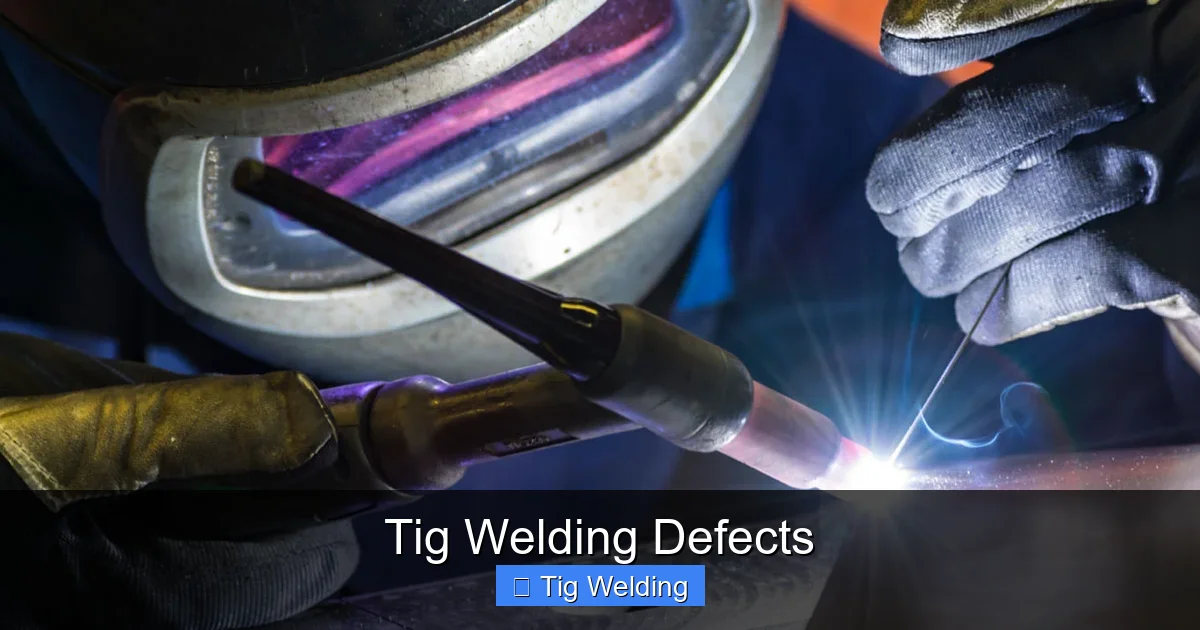
While TIG welding offers unmatched precision, it also demands attention to detail. Recognizing common TIG welding defects like porosity, cracks, and inclusions helps you troubleshoot issues early and produce strong, clean welds. Remember, prevention is better than cure—proper preparation, technique, and equipment maintenance go a long way.
Visual guide about Tig Welding Defects
Image source: blog.red-d-arc.com
With practice and understanding, you can minimize defects and take your TIG welding skills to the next level. Keep learning, stay patient, and your welds will become as perfect as you envision.
Frequently Asked Questions
What is porosity in TIG welding?
Porosity is the formation of tiny gas pockets within the weld metal, weakening the weld and often caused by contamination, poor shielding, or moisture.
How can I prevent cracks in TIG welds?
Prevent cracks by controlling heat input, preheating materials, avoiding moisture, and cooling the weld properly to reduce thermal stresses.
What causes inclusions in TIG welding?
Inclusions are caused by contaminated filler material, inadequate cleaning, or improper technique leading to non-metallic materials becoming trapped in the weld.
How do I fix a weld with overlap?
To fix overlap, grind out the excess weld, ensure proper torch angle, and adjust heat and travel speed for better fusion.
What is undercutting and how do I avoid it?
Undercutting is a groove along the weld toe caused by excessive heat or fast travel speed. Use correct settings and steady movement to prevent it.
Why is my TIG weld bead inconsistent?
Inconsistent beads result from poor technique, uneven heat control, or distractions. Practice steady torch handling and maintain consistent parameters.
