
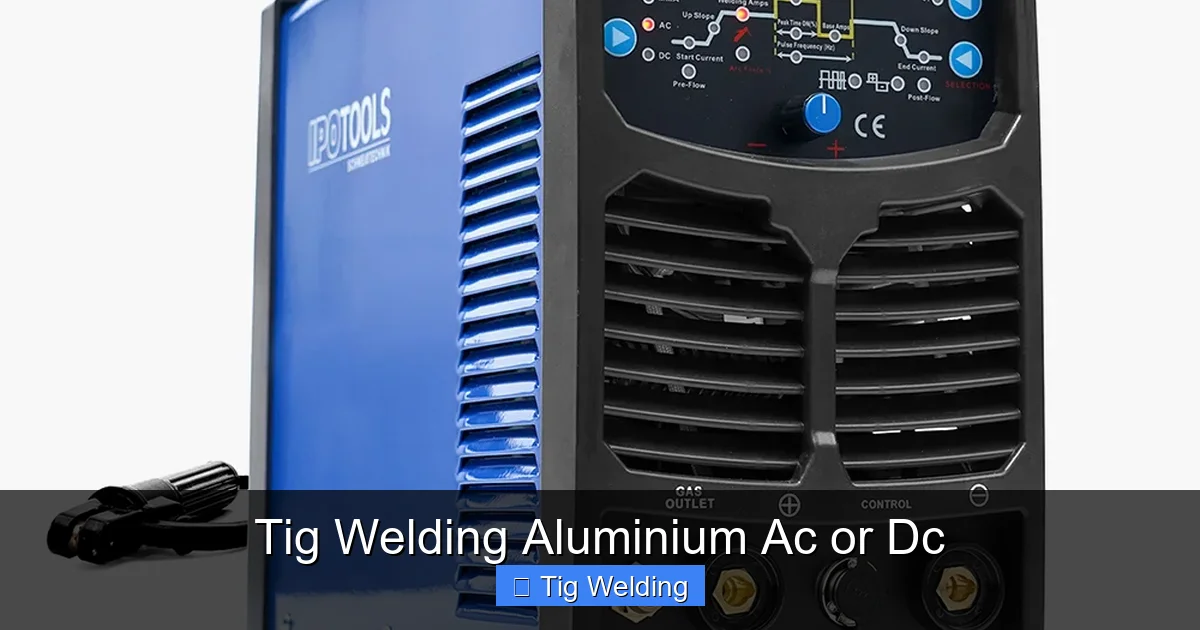
TIG welding aluminium can be done using either AC or DC power sources, each offering unique advantages.
Understanding the differences helps you choose the right welder for strong, clean aluminium welds.
Key Takeaways
- AC vs. DC: AC is typically preferred for aluminium due to its cleaning action, while DC offers smoother welds on other metals.
- Aluminium Welding Challenges: Aluminium requires a stable arc and proper cleaning to prevent defects.
- Advantages of AC TIG: AC provides a cleaning cycle that removes oxide and improves weld quality on aluminium.
- Advantages of DC TIG: DC offers better control and is suitable for welding thicker metals and other materials.
- Choosing the Right Power Source: Your project type, aluminium thickness, and desired finish determine whether AC or DC is better.
- Tips for Better Aluminium TIG Welding: Use proper settings, clean your materials, and practice to master the process.
Quick Answers to Common Questions
Question 1?
What is the main benefit of using AC over DC when TIG welding aluminium?
AC provides a cleaning cycle that removes oxide buildup, resulting in cleaner, stronger welds on aluminium.
Question 2?
Can I weld aluminium with DC TIG welding?
Yes, but DC is generally better suited for thicker aluminium or when a smoother, more controlled weld is needed, though it lacks the oxide cleaning action of AC.
Question 3?
Which power source is better for thin aluminium sheets?
AC is usually better because it offers oxide removal and reduces the risk of burn-through on thin materials.
Question 4?
What settings should I focus on when welding aluminium with AC?
Adjust the balance control to optimize cleaning and penetration, and set the frequency to control the cleaning cycle duration.
Question 5?
Is it necessary to clean aluminium before TIG welding?
Absolutely. Removing dirt, oil, and oxide is critical for achieving quality welds on aluminium.
📑 Table of Contents
- Introduction
- Understanding TIG Welding: The Basics
- AC vs. DC Power: The Core Differences
- Why Choose AC for Aluminium TIG Welding?
- Why Consider DC for Aluminium TIG Welding?
- Choosing the Right Power Source for Your Aluminium Welding Project
- Practical Tips for Successful Aluminium TIG Welding
- Conclusion
Introduction
If you’ve ever tried welding aluminium, you know it can be tricky. Its unique properties make it different from other metals. One of the most important choices you face is whether to use AC or DC power for TIG welding. Both have their benefits, but knowing which one suits your project can make a big difference in the quality of your welds.
In this article, we’ll explore the key differences between TIG welding aluminium with AC or DC. We’ll cover how each works, their advantages, common challenges, and practical tips to help you weld aluminium like a pro. Whether you’re a hobbyist or a professional, understanding these options will improve your results and boost your confidence.
Understanding TIG Welding: The Basics
What is TIG Welding?
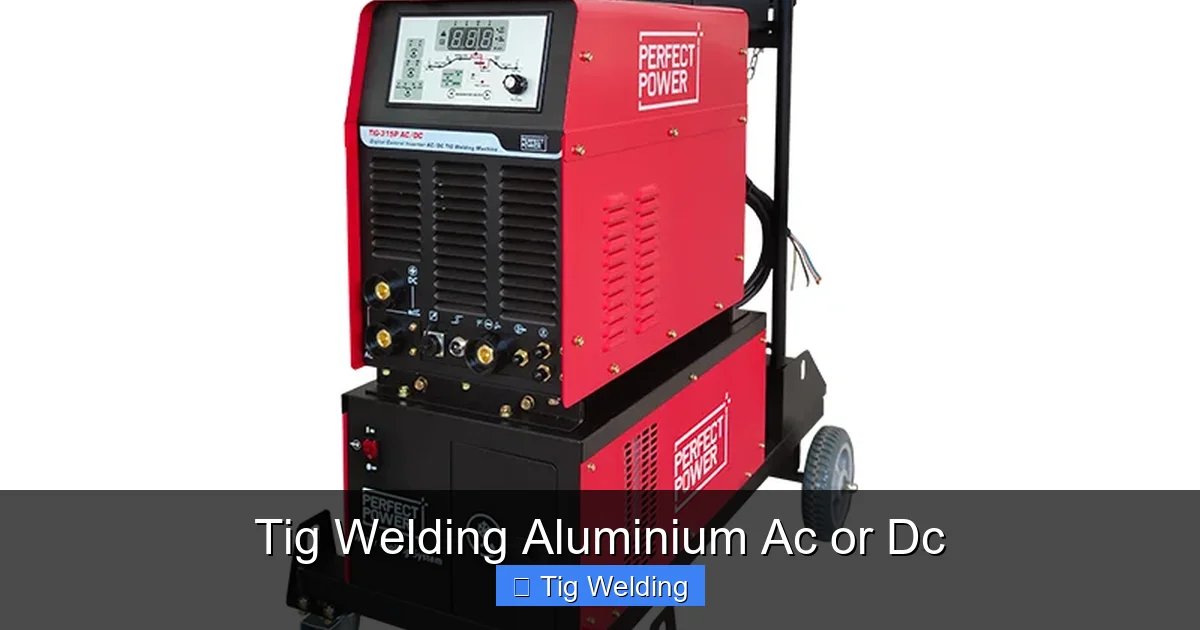
TIG welding, or Tungsten Inert Gas welding, uses a non-consumable tungsten electrode to produce the weld. The process requires a separate filler rod, and an inert gas (usually argon) shields the weld area from contamination. TIG welding provides precise control, making it ideal for thin materials and detailed work.
Visual guide about Tig Welding Aluminium Ac or Dc
Image source: perfectwelders.com
Why Use TIG for Aluminium?
Aluminium’s properties—its softness, high thermal conductivity, and oxide layer—make TIG welding a preferred method. TIG allows for clean, high-quality welds, especially when working with thin or delicate aluminium parts.
AC vs. DC Power: The Core Differences
AC (Alternating Current)
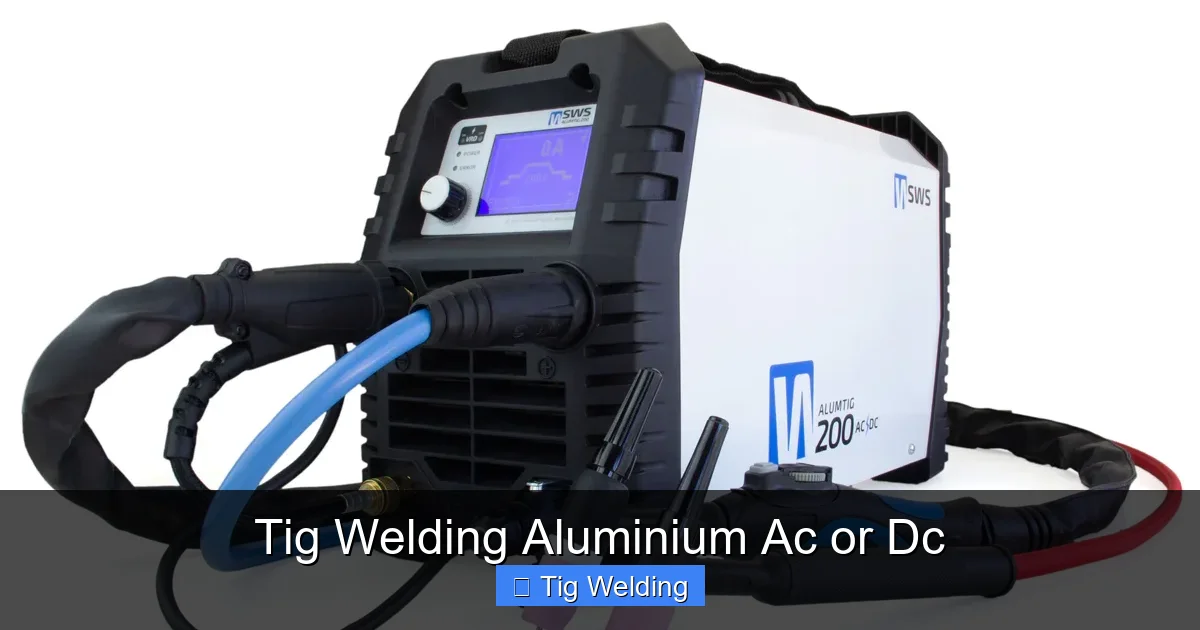
AC power switches the electrical current direction periodically. In TIG welding aluminium, AC is especially useful because it offers a cleaning action that removes oxide buildup from the surface. This cleaning cycle is vital for achieving strong, defect-free welds on aluminium.
Visual guide about Tig Welding Aluminium Ac or Dc
Image source: cdn.shopify.com
DC (Direct Current)
DC provides a steady, unidirectional current, resulting in a stable arc. It’s often used for welding thicker materials or metals that don’t require oxide removal. DC welding produces smoother, more controlled welds but doesn’t have the cleaning action inherent in AC.
Why Choose AC for Aluminium TIG Welding?
The Cleaning Action
Aluminium naturally forms an oxide layer that melts at a higher temperature than the metal itself. AC cycles help break up and remove this oxide, exposing fresh metal for better fusion. This cleaning cycle improves weld quality and reduces porosity.
Visual guide about Tig Welding Aluminium Ac or Dc
Image source: ilmoproducts.com
Handling Thin and Delicate Aluminium
AC is gentler on thin aluminium sheets, reducing the risk of burn-through. The balance of cleaning and penetration makes AC the go-to choice for detailed or delicate aluminium work.
Practical Example
If you’re welding thin aluminium panels for automotive or aerospace applications, AC TIG provides the necessary oxide removal and control to produce a flawless finish.
Why Consider DC for Aluminium TIG Welding?
Better Control and Penetration
DC offers a stable arc, making it easier to control the weld puddle. It’s ideal for thicker aluminium pieces where deep penetration is needed.
More Suitable for Certain Alloys
Some aluminium alloys respond better to DC welding, especially those with higher alloy content or where oxide removal isn’t as critical.
Practical Example
When welding large aluminium structures or thicker plates, DC provides the control and penetration needed for strong, reliable welds.
Choosing the Right Power Source for Your Aluminium Welding Project
Factors to Consider
- Material Thickness: Thin sheets benefit from AC, while thicker plates often require DC.
- Alloy Type: Pure aluminium and most alloys respond well to AC, but some may be better with DC.
- Weld Finish: For a cleaner, more aesthetic weld, AC is preferable.
- Equipment Availability: Not all welders offer both options, so choose based on your machine’s capabilities.
Practical Tips
- Use a welder with adjustable settings for both AC and DC.
- Experiment with different parameters to find the optimal balance for your project.
- Pay attention to the cleaning cycle on AC machines—adjust frequency and balance for best results.
Practical Tips for Successful Aluminium TIG Welding
- Clean Your Material: Remove dirt, oil, and oxide with a wire brush or chemical cleaner before welding.
- Set the Right Amperage: Use appropriate current levels—too high can burn through, too low leads to weak welds.
- Use Proper Filler Rods: Match the filler material to your aluminium alloy for optimal strength and appearance.
- Control Your Travel Speed: Maintain steady, even motion to avoid cold laps or burn-through.
- Practice Proper Technique: Keep a consistent arc length and angle for uniform welds.
Conclusion
Choosing between AC and DC for TIG welding aluminium depends on your specific project requirements. AC is generally preferred for aluminium because of its oxide removal capability, making it ideal for thin, delicate, or detailed work. However, DC offers better control and penetration, especially for thicker aluminium and certain alloys.
By understanding these differences and applying proper techniques, you can produce strong, clean, and professional aluminium welds. Practice, patience, and the right equipment are your best tools for success in TIG aluminium welding.
Frequently Asked Questions
What is the main difference between AC and DC TIG welding?
AC alternates current direction, providing oxide removal and cleaning action, ideal for aluminium, while DC offers a steady arc for smoother welds on other metals.
Can I use a standard TIG welder for aluminium welding?
Many TIG welders are capable of both AC and DC. Check your machine’s specifications to ensure it supports aluminium welding with the appropriate settings.
Why does aluminium require special welding techniques?
Aluminium’s oxide layer melts at a higher temperature, so special techniques like AC welding help remove this oxide for a strong bond.
What are common issues when TIG welding aluminium?
Common issues include porosity, lack of fusion, or burn-through. Proper cleaning, correct settings, and technique help prevent these problems.
How do I improve my aluminium TIG welding skills?
Practice with different settings, keep your materials clean, and watch tutorials or seek expert advice to refine your technique.
Is TIG welding aluminium more difficult than other metals?
It can be more challenging due to aluminium’s properties and oxide layer, but with practice and proper equipment, it becomes manageable and rewarding.
