
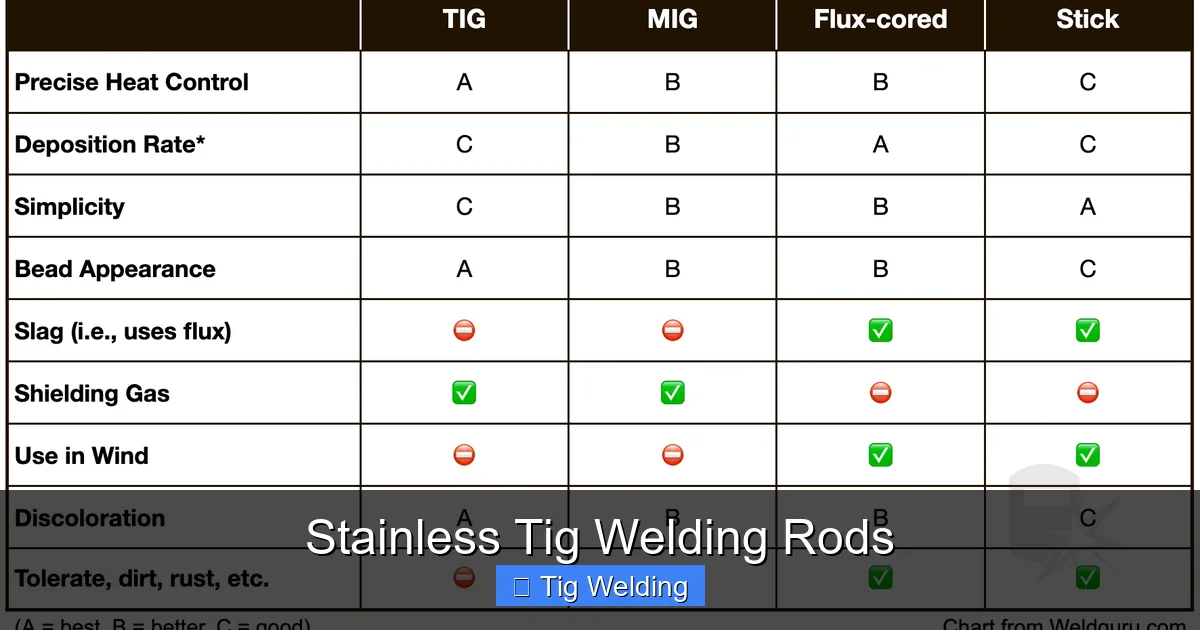
Stainless TIG welding rods are essential for creating durable, corrosion-resistant welds in stainless steel. This guide explores the types, uses, and tips to help you achieve professional results with TIG welding.
Key Takeaways
- Types of stainless TIG welding rods: Different alloys suit various projects, from 304 to 316 stainless steel.
- Matching the rod to your base metal: Proper compatibility ensures strong, corrosion-resistant welds.
- Preparation is key: Clean and prep your materials for optimal welding results.
- Welding techniques: Proper heat, speed, and shielding gas are vital for quality welds.
- Common issues and solutions: Address porosity, cracking, and contamination with proper practices.
- Safety tips: Always wear protective gear and work in well-ventilated areas.
Quick Answers to Common Questions
Question 1?
What are stainless TIG welding rods used for?
They are used to weld stainless steel parts, providing strong, corrosion-resistant joints suitable for various industrial and DIY projects.
Question 2?
How do I choose the right stainless TIG welding rod?
Match the rod to your base metal’s alloy type, consider the environment, and check the rod’s carbon content for best results.
Question 3?
Can I use a regular steel rod for stainless steel welding?
No, regular steel rods are not suitable for stainless steel as they do not provide the corrosion resistance required and can cause contamination.
Question 4?
What is the most common stainless TIG welding rod?
ER308L is the most common, suitable for welding 304 stainless steel with good corrosion resistance.
Question 5?
Are there safety precautions I should follow when TIG welding stainless steel?
Yes, always wear PPE, work in ventilated areas, and ensure your workspace is free of flammable materials.
📑 Table of Contents
Introduction to Stainless TIG Welding Rods
When it comes to welding stainless steel, TIG (Tungsten Inert Gas) welding is often the go-to method for professionals and hobbyists alike. It provides precision, control, and produces clean, high-quality welds. But, the secret to a great TIG weld lies not just in technique but also in choosing the right welding rods.
Stainless TIG welding rods are specially formulated electrodes designed to fuse stainless steel parts seamlessly. They come in various types and alloys, each suited for different applications. Whether you’re repairing a kitchen sink, fabricating a stainless steel frame, or working on a medical device, selecting the right stainless TIG welding rod is crucial for durability and corrosion resistance.
In this comprehensive guide, we’ll explore the different types of stainless TIG welding rods, how to choose the best one for your project, and expert tips to ensure professional-quality welds every time.
Understanding Stainless Steel and Its Alloys
What is Stainless Steel?
Stainless steel is an alloy primarily made of iron, with a minimum of 10.5% chromium. This chromium forms a thin, protective oxide layer that prevents rust and corrosion, making stainless steel ideal for many applications.
Visual guide about Stainless Tig Welding Rods
Image source: betaweld.com.au
Common Stainless Steel Alloys Used in Welding
- 304 Stainless Steel: The most common stainless steel, known for its good corrosion resistance and ease of welding.
- 316 Stainless Steel: Contains molybdenum, offering better corrosion resistance, especially against chlorides and marine environments.
- 321 and 347: Stabilized stainless steels with titanium or niobium additions, suitable for high-temperature environments.
Choosing the right alloy depends on your project’s environment, strength requirements, and corrosion resistance needs.
Types of Stainless TIG Welding Rods
ER308L
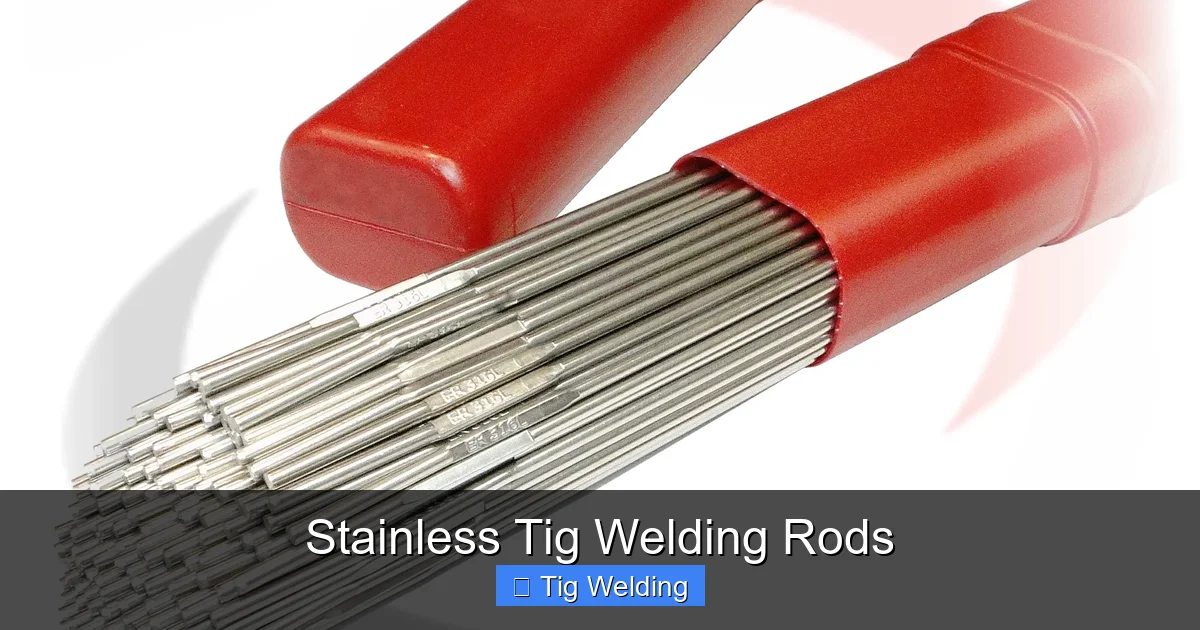
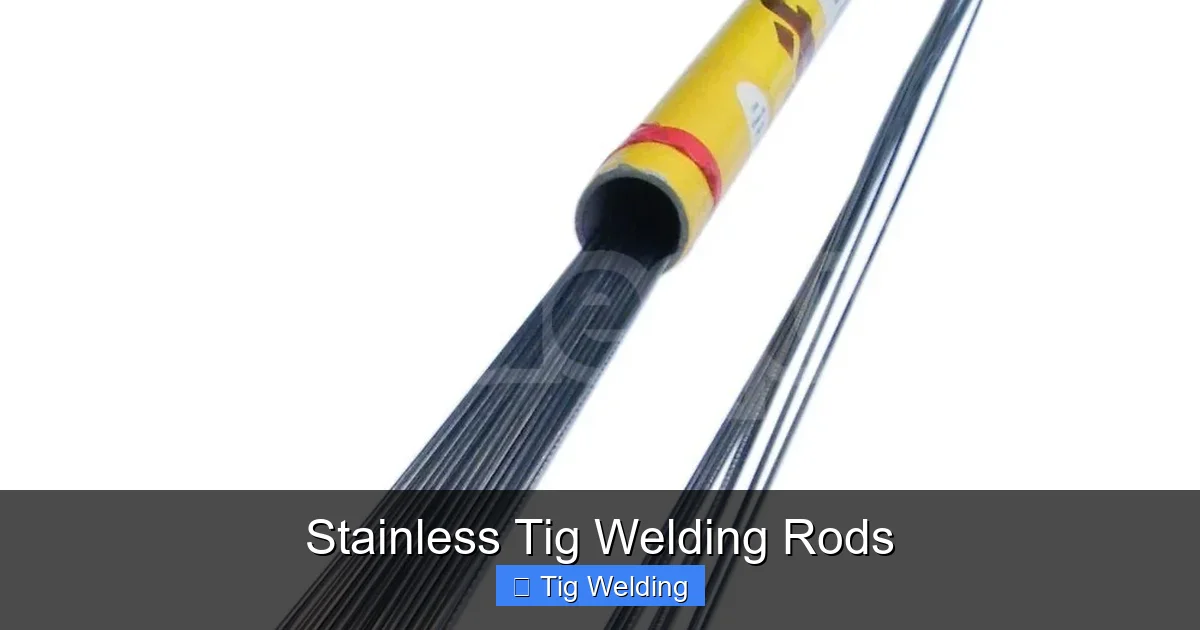
This is the most common stainless TIG welding rod, suitable for welding 304 and 304L stainless steels. It offers excellent corrosion resistance and weldability. The ‘L’ indicates low carbon content, reducing the risk of carbide precipitation and intergranular corrosion.
Visual guide about Stainless Tig Welding Rods
Image source: weldequip.com
ER316L
Ideal for welding 316 stainless steel, especially in marine or chloride-rich environments. It provides better corrosion resistance than ER308L, thanks to the molybdenum content.
ER347
This rod contains niobium, which stabilizes the weld metal and prevents chromium carbide formation. Perfect for welding stabilized stainless steels like 321 and 347.
Other Types
- ER309L: Used as a transition or filler rod when welding dissimilar metals.
- ER321 and ER347: For high-temperature and specialized applications.
Choosing the Right Stainless TIG Welding Rod
Match the Rod to Your Base Metal
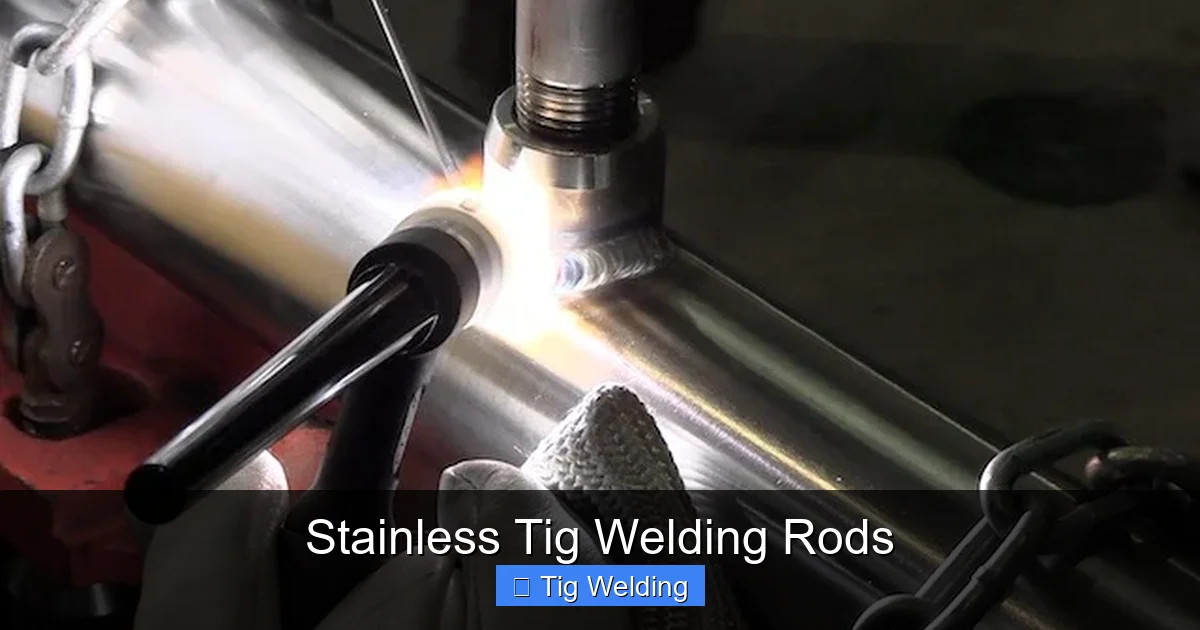
Always select a welding rod that matches the alloy of your base metal. This ensures optimal corrosion resistance, strength, and appearance. For example, use ER308L for 304 stainless steel or ER316L for 316 stainless steel.
Visual guide about Stainless Tig Welding Rods
Image source: weldingtipsandtricks.com
Consider the Environment
If your weld will be exposed to corrosive environments, opt for rods like ER316L or ER317L. For less demanding applications, ER308L may suffice.
Check the Carbon Content
Lower carbon content in rods (like ER308L and ER316L) helps prevent carbide precipitation, which can cause corrosion in certain environments.
Welding Tips and Best Practices
Preparation of Materials
Cleanliness is critical. Remove all oil, grease, rust, and other contaminants from the stainless steel surfaces. Use a stainless steel brush or abrasive pad dedicated for stainless steel to avoid contamination.
Proper Shielding Gas
Use 100% argon with a high purity level (at least 99.99%). Maintain proper gas flow to prevent oxidation and porosity.
Welding Technique
- Maintain a steady arc length and travel speed.
- Use a slight weaving pattern if needed for wider welds.
- Control heat input to prevent warping or distortion.
Post-Weld Care
Allow the weld to cool naturally. Consider passivation treatments if corrosion resistance is critical, especially in aggressive environments.
Common Challenges and How to Overcome Them
Porosity
Porosity occurs when gas gets trapped in the weld. To prevent this, ensure proper shielding, clean materials thoroughly, and avoid drafts during welding.
Cracking
Cracks can happen due to thermal stresses or contamination. Use proper heat control and avoid over-welding to minimize stress buildup.
Contamination
Contaminants like oil or dirt cause weld defects. Always clean materials before welding and use dedicated stainless steel brushes.
Safety Tips for Welding Stainless Steel
Always wear appropriate personal protective equipment (PPE) including gloves, welding helmet, and protective clothing. Work in a well-ventilated area to avoid inhaling fumes. Keep a fire extinguisher nearby, as welding sparks can ignite flammable materials.
Conclusion
Choosing the right stainless TIG welding rods is essential for achieving durable, corrosion-resistant welds. Understanding the different types, matching them to your base metal, and following proper techniques will help you produce professional-quality results. Whether you’re a hobbyist or a seasoned welder, investing in quality rods and practicing good welding habits will make all the difference in your projects.
Remember, preparation, technique, and safety are key. With the right knowledge and tools, you can weld stainless steel with confidence and precision every time.
Frequently Asked Questions
What is the main advantage of using stainless TIG welding rods?
They produce clean, precise, and corrosion-resistant welds, ideal for applications where durability and appearance matter.
Can stainless TIG welding rods be used for all types of stainless steel?
Most common rods like ER308L, ER316L, and ER347 are suitable for specific stainless steel types. Always choose a rod compatible with your base metal for best results.
How do I prevent porosity when TIG welding stainless steel?
Ensure proper cleaning of materials, use high-purity shielding gas, and avoid drafts that can disturb the shielding atmosphere.
Is it necessary to passivate stainless steel after welding?
In corrosive environments, passivation helps restore the stainless steel’s surface and enhances corrosion resistance.
What equipment do I need for TIG welding stainless steel?
A TIG welding machine, a suitable tungsten electrode, stainless steel filler rods, high-purity argon gas, and proper safety gear are essential.
Can I weld dissimilar metals with stainless TIG welding rods?
It’s possible with specific rods like ER309L, which act as a transition filler, but compatibility depends on the metals involved and proper technique.
