
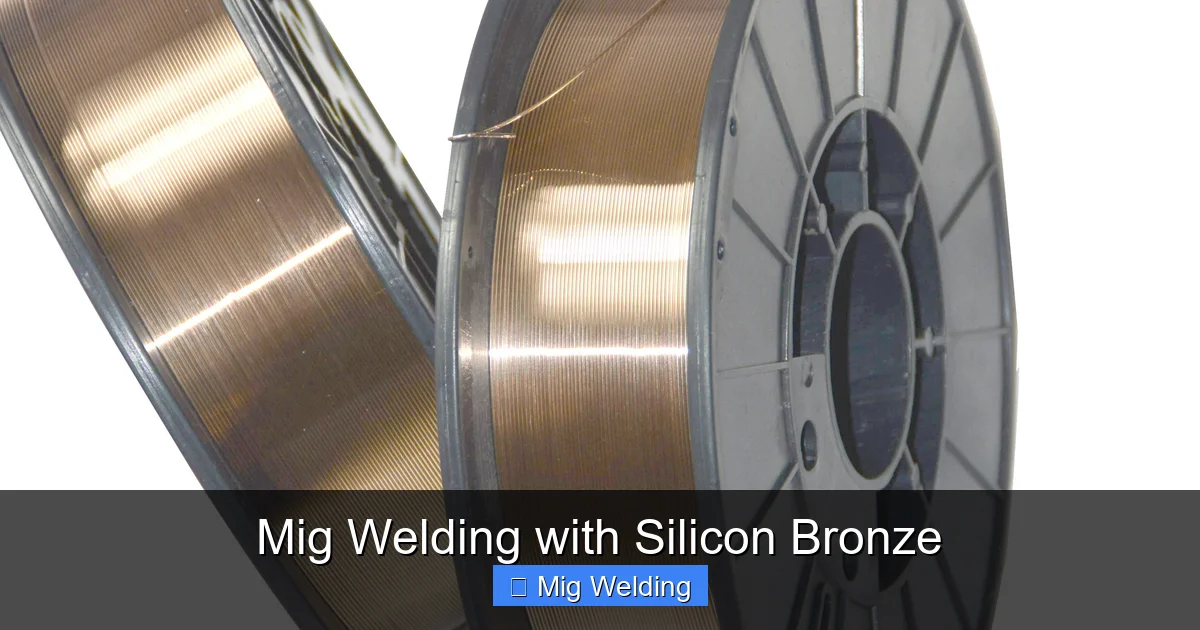
MIG welding with silicon bronze combines the strength of steel with the corrosion resistance of bronze, ideal for marine and artistic projects. This guide walks you through equipment setup, proper technique, and troubleshooting to help you achieve smooth, durable welds every time.
Key Takeaways
- Use the right filler wire: Choose silicon bronze MIG wire (e.g., ER CuSi-A) designed for MIG welding to ensure compatibility and strong fusion.
- Clean materials are essential: Remove oil, rust, and paint from base metals before welding to prevent contamination and weak joints.
- Adjust your MIG welder settings: Use lower voltage and wire speed than steel welding—typically 18–22 volts and 200–300 inches per minute.
- Employ a push technique: Push the weld puddle (not pull) to improve visibility and reduce spatter for cleaner results.
- Preheat thick materials: For sections over 1/4 inch, preheat to 300–400°F to prevent cracking and ensure full penetration.
- Use shielding gas blend: A 75% argon / 25% helium mix enhances arc stability and penetration without oxidizing the bronze.
- Practice on scrap metal first: Silicon bronze behaves differently than steel—test your settings and technique before welding final pieces.
Introduction to MIG Welding with Silicon Bronze
If you’re looking to join metals with excellent corrosion resistance—especially in marine, architectural, or artistic applications—MIG welding with silicon bronze is a smart choice. Silicon bronze offers the strength of steel with the added benefit of resisting rust, saltwater, and weathering. While it’s commonly TIG welded, MIG welding with silicon bronze has gained popularity due to its speed and ease of use.
In this guide, you’ll learn everything you need to know to MIG weld silicon bronze successfully. We’ll cover equipment setup, proper welding techniques, common pitfalls, and how to troubleshoot issues. Whether you’re repairing a boat hull, crafting metal sculptures, or building outdoor furniture, this guide will help you get professional-looking, durable results.
Why Choose Silicon Bronze for MIG Welding?
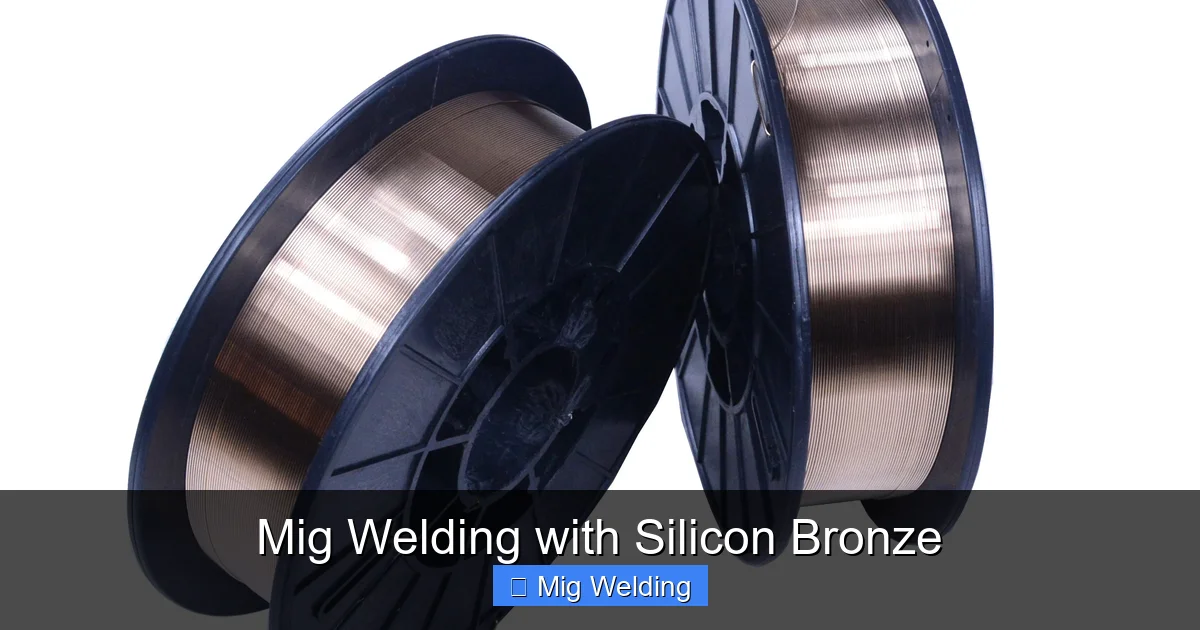
Visual guide about Mig Welding with Silicon Bronze
Image source: img2.tradewheel.com
Silicon bronze is a copper-based alloy that contains silicon, which improves fluidity and weldability. It’s widely used because it bonds well to both steel and other copper alloys, making it ideal for dissimilar metal welding. Unlike pure copper, silicon bronze doesn’t require extremely high heat, and it produces less spatter during MIG welding.
One of the biggest advantages is its resistance to corrosion. This makes it perfect for outdoor and underwater applications. Plus, the finished weld has a warm, bronze color that’s often left exposed for aesthetic purposes—no need for painting or coating.
Equipment and Materials You’ll Need
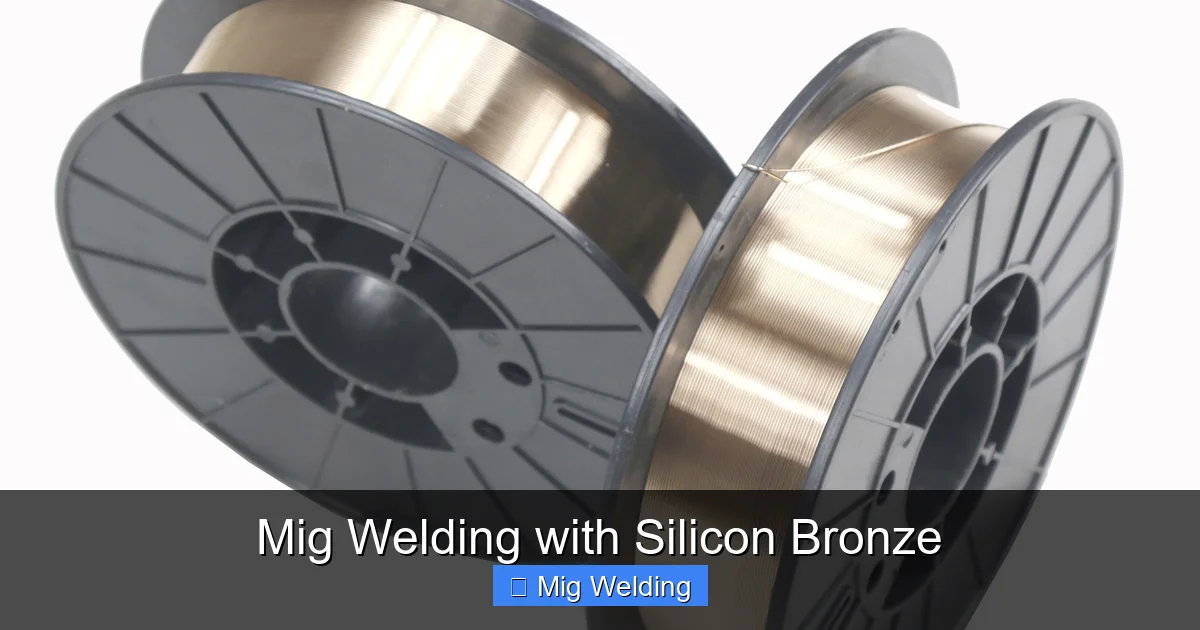
Visual guide about Mig Welding with Silicon Bronze
Image source: img2.tradewheel.com
Before you start, make sure you have the right tools and materials. MIG welding silicon bronze isn’t drastically different from welding steel, but a few key adjustments are necessary.
MIG Welder
Use a standard MIG welder with adjustable voltage and wire feed speed. A 110V or 220V machine works, but 220V provides more power for thicker materials. Ensure your welder can handle copper-based wires—some entry-level models may struggle.
Silicon Bronze MIG Wire
Choose ER CuSi-A (also known as C65600) wire, typically in 0.035″ or 0.045″ diameter. This wire is formulated specifically for MIG welding and flows smoothly through the gun.
Shielding Gas
Use a 75% argon / 25% helium mix. Helium increases heat input and improves penetration, which is helpful since silicon bronze conducts heat differently than steel. Avoid pure CO2 or high-CO2 mixes—they can cause oxidation and porosity.
Wire Feeder and Gun
Use a U-groove drive roll (not V-groove) to avoid flattening the softer bronze wire. A Teflon or plastic liner in the gun helps prevent wire jamming. Keep the gun as straight as possible to reduce friction.
Safety Gear
Wear a welding helmet with auto-darkening lens, flame-resistant clothing, gloves, and proper ventilation. Silicon bronze welding produces fumes—use a fume extractor or work in a well-ventilated area.
Preparing Your Workpiece
Proper preparation is critical for strong, clean welds. Silicon bronze is sensitive to contamination, so take your time here.
Clean the Metal
Remove all oil, grease, paint, and rust from the base metals. Use a wire brush (dedicated to non-ferrous metals), acetone, or a degreaser. Even small amounts of contamination can cause porosity or lack of fusion.
Bevel Thick Materials
For materials over 1/8 inch thick, bevel the edges to create a V-groove. This ensures full penetration and stronger joints. Use a grinder or milling tool for clean edges.
Fit-Up and Clamping
Ensure tight fit-up with minimal gaps. Use clamps or magnets to hold pieces in place. Silicon bronze shrinks more than steel, so poor fit-up can lead to warping or cracking.
Setting Up Your MIG Welder
Now it’s time to dial in your machine. Silicon bronze requires different settings than steel.
Voltage and Wire Speed
Start with lower settings than you’d use for steel. A good starting point is:
– Voltage: 18–22 volts
– Wire feed speed: 200–300 inches per minute (IPM)
Adjust based on material thickness and joint type. Thicker materials need higher voltage and slower travel speed.
Gas Flow Rate
Set your regulator to 20–25 cubic feet per hour (CFH). Too little gas causes porosity; too much can create turbulence and draw in air.
Polarity
Use DC electrode positive (DCEP), the same as welding steel. This ensures proper arc stability and penetration.
Welding Technique for Silicon Bronze
Your welding technique makes a big difference in the final result.
Use the Push Technique
Always push the weld puddle away from you (not drag). This improves visibility, reduces spatter, and helps prevent undercutting. The push angle should be 10–15 degrees.
Maintain a Short Arc Length
Keep the gun close to the workpiece—about 1/2 inch away. A short arc improves control and reduces spatter. If the arc is too long, you’ll get more spatter and less penetration.
Travel Speed
Move steadily but not too fast. Silicon bronze puddles are fluid, so slow travel can cause burn-through on thin materials. Practice finding the sweet spot where the puddle fills the joint without excessive buildup.
Stringer Beads Work Best
Avoid weaving unless filling a wide gap. A straight stringer bead gives better control and cleaner appearance. For multi-pass welds, clean between passes with a wire brush.
Tips for Success
Here are some practical tips to help you get the best results:
- Practice on scrap metal: Silicon bronze behaves differently than steel. Test your settings on similar-thickness scrap before welding your project.
- Preheat thick sections: For materials over 1/4 inch, preheat to 300–400°F. This reduces thermal shock and prevents cracking.
- Keep the wire clean: Store your silicon bronze wire in a dry place. Moisture can cause porosity.
- Use a backing bar if needed: For open-root joints, use copper or ceramic backing to support the puddle and prevent burn-through.
- Post-weld cleanup: Remove slag and spatter with a wire brush. Silicon bronze welds can be polished or brushed for a decorative finish.
Troubleshooting Common Issues
Even experienced welders run into problems. Here’s how to fix the most common issues when MIG welding silicon bronze.
Porosity (Air Pockets in the Weld)
Causes: Contaminated base metal, moisture in wire, or insufficient shielding gas.
Solution: Clean the metal thoroughly, dry the wire, and check gas flow and hose connections.
Lack of Fusion
Causes: Low heat input, incorrect angle, or dirty material.
Solution: Increase voltage slightly, use the push technique, and re-clean the joint.
Excessive Spatter
Causes: Too high voltage, long arc length, or wrong drive rolls.
Solution: Reduce voltage, shorten arc length, and switch to U-groove drive rolls.
Wire Feeding Problems
Causes: Wrong liner, tight bends in the gun, or incorrect drive rolls.
Solution: Use a Teflon liner, straighten the gun cable, and ensure proper drive roll tension.
Cracking in the Weld
Causes: Rapid cooling, high restraint, or thick sections without preheat.
Solution: Preheat thick materials, allow slow cooling, and avoid over-clamping.
Conclusion
MIG welding with silicon bronze opens up a world of possibilities for durable, corrosion-resistant projects. While it requires some adjustments compared to welding steel, the results are well worth the effort. By using the right wire, gas, and technique, you can produce strong, clean welds that stand up to harsh environments.
Remember to prepare your materials thoroughly, dial in your welder settings, and practice your technique. With patience and attention to detail, you’ll master MIG welding with silicon bronze and expand your welding capabilities. Whether you’re building, repairing, or creating art, this versatile alloy is a valuable tool in your workshop.
