
Key Takeaways
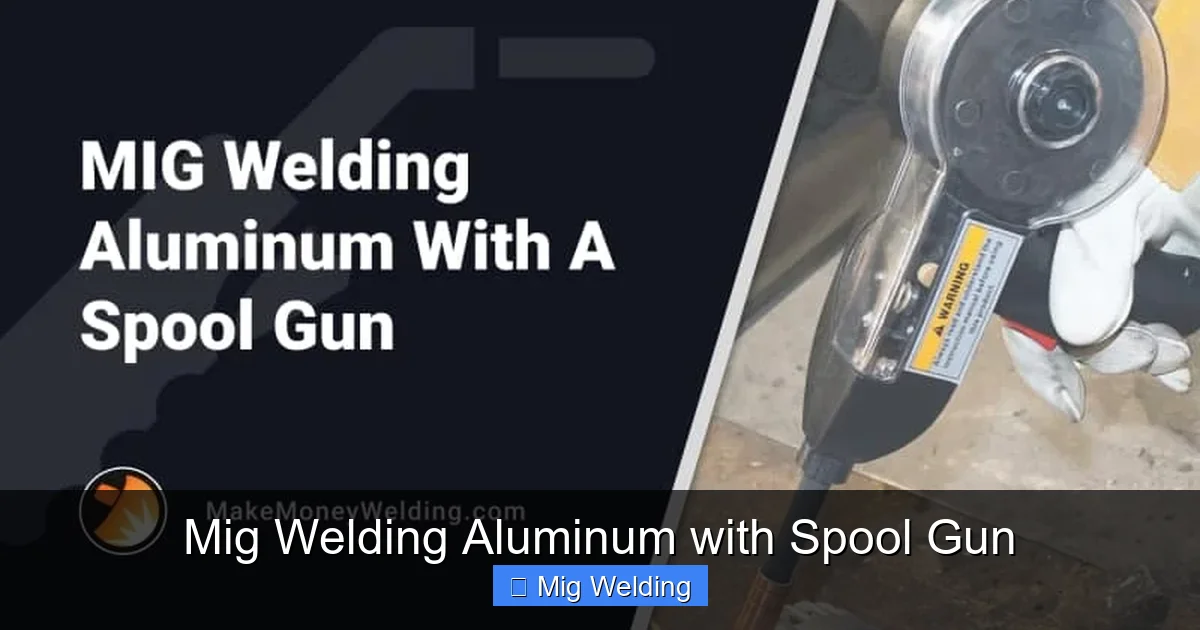
- Use the right equipment: A spool gun is specially designed for aluminum MIG welding, providing consistent wire feed and better control.
- Prepare your workspace: Clean aluminum surfaces thoroughly to remove dirt, grease, and oxidation for strong welds.
- Select the correct wire and gas: Use aluminum-specific wire and a compatible shielding gas like 100% argon for optimal results.
- Set appropriate welding parameters: Adjust voltage, wire feed speed, and travel speed based on your aluminum’s thickness.
- Practice proper technique: Maintain steady motion, correct angle, and consistent speed to avoid defects.
- Troubleshoot common issues: Address porosity, lack of fusion, or burn-through by adjusting settings and improving prep.
Introduction
Welding aluminum can seem intimidating, especially for those new to MIG welding. But with the right equipment and techniques, you can produce strong, clean welds on aluminum surfaces. Using a spool gun makes this process easier and more efficient. This guide will walk you through everything you need to know about mig welding aluminum with a spool gun. From choosing the right equipment to troubleshooting common problems, you’ll gain the confidence to tackle your aluminum welding projects with ease.
Understanding the Basics of MIG Welding Aluminum
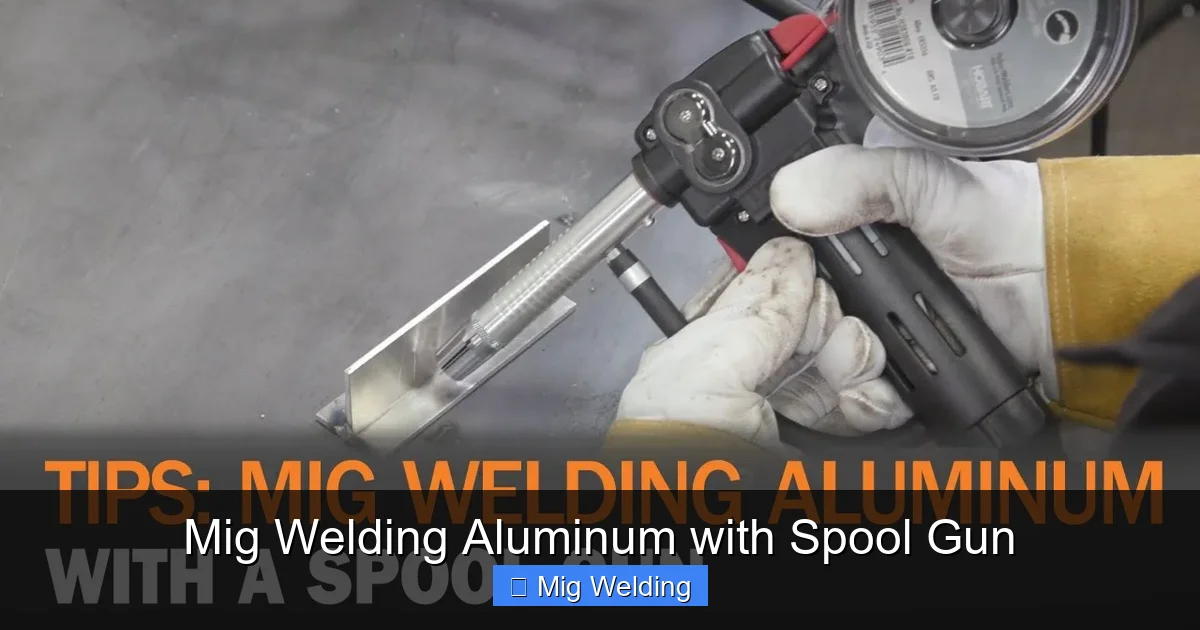
MIG (Metal Inert Gas) welding involves feeding a wire electrode through a gun to create an arc that melts and joins metals. When welding aluminum, special considerations are needed because aluminum conducts heat well and oxidizes easily. Using a spool gun helps manage these challenges by providing a closer, more controlled wire feed directly to the weld pool, reducing issues like wire tangling and uneven feed.
Visual guide about Mig Welding Aluminum with Spool Gun
Image source: i.ytimg.com
Step 1: Gather Your Equipment and Materials
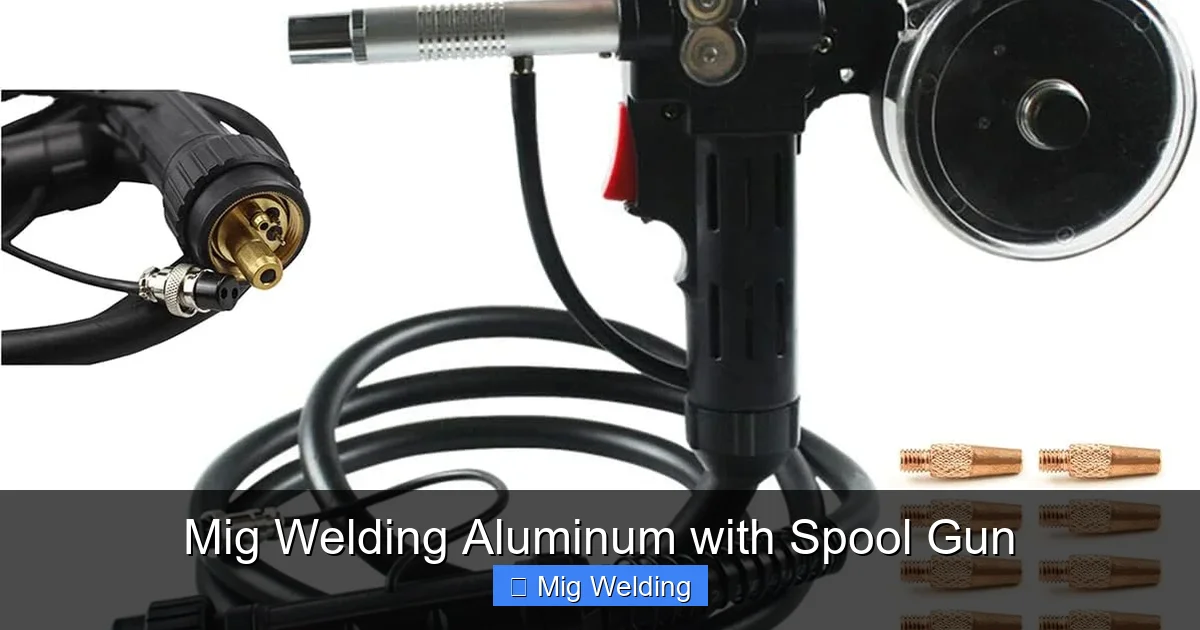
Choose the right spool gun
Make sure your spool gun is compatible with your MIG welder. It should be designed for aluminum welding, with a lightweight, ergonomic handle, and capable of handling aluminum wire spools. A dedicated spool gun significantly improves wire feeding and weld quality.
Visual guide about Mig Welding Aluminum with Spool Gun
Image source: i.ytimg.com
Select the appropriate wire and shielding gas
- Wire: Use aluminum-specific MIG wire, such as 4043 or 5356. 4043 offers better flow, while 5356 provides stronger welds.
- Shielding gas: Pure argon (100%) is ideal for aluminum, providing a stable arc and clean welds.
Prepare your workspace and safety gear
- Work in a well-ventilated area to avoid inhaling fumes.
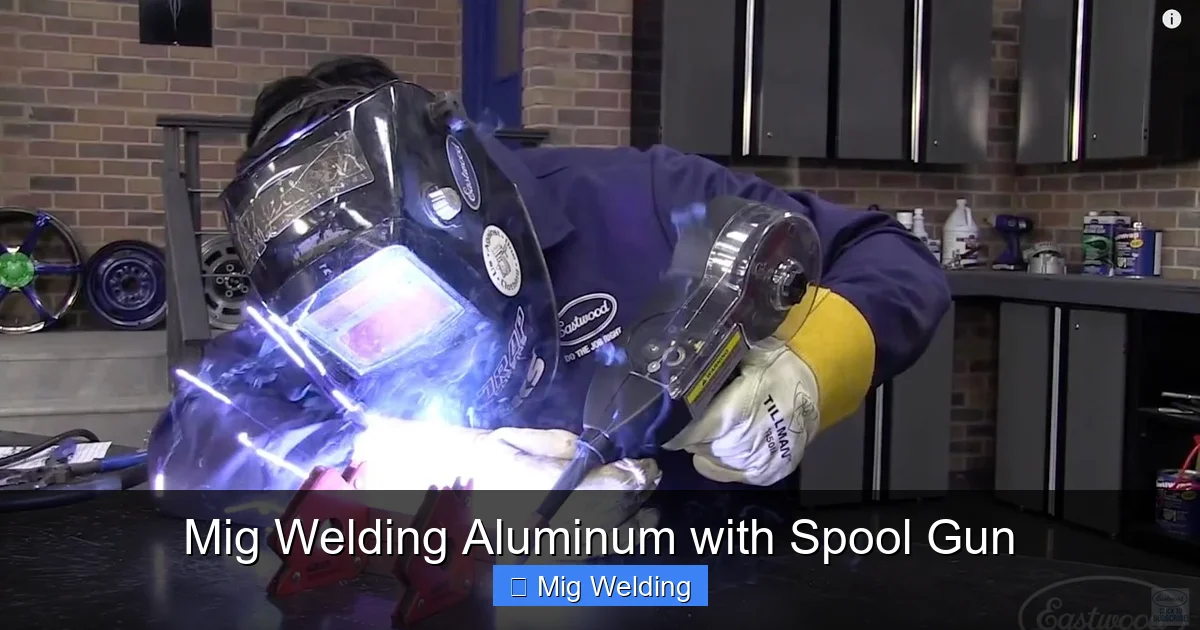
- Wear protective gear: welding helmet, gloves, long sleeves, and eye protection.
- Ensure your work surface is clean and free of debris.
Step 2: Prepare the Aluminum Surface
Clean the material thoroughly
Remove dirt, grease, oil, and oxidation from the aluminum. Use a stainless steel wire brush dedicated to aluminum or a chemical cleaner designed for metal prep. Avoid using the same brush on steel to prevent contamination.
Visual guide about Mig Welding Aluminum with Spool Gun
Image source: m.media-amazon.com
Remove oxidation
Oxidation forms a tough layer that impedes weld quality. Lightly grind or sand the area to expose fresh aluminum surface. Clean again after grinding.
Step 3: Set Up Your Welding Machine
Install the spool and spool gun
Insert the aluminum wire spool into the spool gun. Ensure the wire feeds smoothly without tangles or resistance. Connect the spool gun to your MIG welder following the manufacturer’s instructions.
Adjust welding parameters
- Voltage: Set according to the thickness of aluminum. For thin material, start low and increase as needed.
- Wire feed speed: Adjust to ensure a steady, consistent wire flow. Too fast causes burn-through; too slow causes porosity.
- Amperage: Set based on material thickness—consult your welder’s chart for guidance.
Select the proper shielding gas flow rate
Typically, 20-30 CFH (cubic feet per hour) of argon is suitable. Use a flowmeter to maintain consistent shielding coverage.
Step 4: Practice Your Technique
Positioning and travel speed
Hold the gun at a 10-15 degree angle pointing into the weld pool. Maintain a steady, consistent travel speed to ensure even penetration and bead appearance.
Start with tack welds
Make small tack welds to hold your pieces in place. These help prevent warping and shifting during full welds.
Welding pass
Begin welding with smooth, steady motion. Keep the gun at the correct angle and distance (about 1/4 inch) from the workpiece. Avoid stopping abruptly to maintain a uniform bead.
Step 5: Troubleshooting and Tips for Success
Common issues and solutions
- Porosity: Caused by contaminated surface or inadequate shielding gas. Clean thoroughly and check gas flow.
- Lack of fusion: Increase heat or adjust travel speed. Ensure proper electrode angle.
- Burn-through: Reduce heat or travel faster on thinner materials.
- Wire feeding problems: Check for tangles, clean the liner, or replace worn parts.
Additional tips
- Practice on scrap aluminum to dial in your settings.
- Use a stringer bead technique for initial passes.
- Keep the gun moving steadily—avoid dwelling on one spot.
- Maintain proper wire stick-out (about 1/4 inch) for good arc stability.
Conclusion
MIG welding aluminum with a spool gun is an accessible and effective method for achieving strong, clean welds. The key lies in proper preparation, equipment setup, and technique. With practice, patience, and the right adjustments, you’ll be welding aluminum like a pro in no time. Remember to always prioritize safety and keep your workspace clean. Happy welding!
Additional Resources
- Consult your welder’s manual for specific settings.
- Practice welding on scrap before working on your final project.
- Join online forums or local classes for hands-on guidance.
