
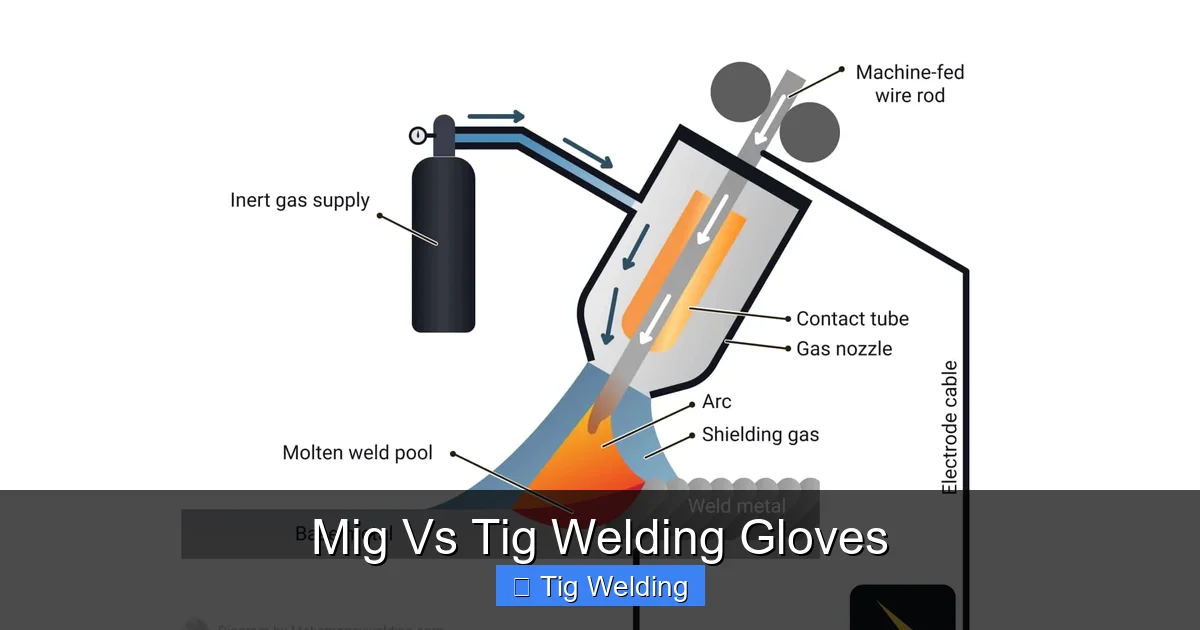
MIG vs TIG welding gloves serve different purposes and require different features. Understanding their differences helps welders choose the right gloves for safety, comfort, and efficiency during their projects.
Key Takeaways
- Material differences: MIG welding gloves are often made from thicker, more durable leather, while TIG gloves are typically lighter and more dexterous.
- Protection levels: MIG gloves provide higher heat resistance, suitable for high-current welding, whereas TIG gloves focus on precision and finger mobility.
- Design and fit: TIG gloves are usually thinner with a snug fit, offering better control, while MIG gloves are bulkier for added protection.
- Comfort and dexterity: TIG gloves allow for finer movement, ideal for delicate tasks, whereas MIG gloves prioritize safety over dexterity.
- Cost considerations: Generally, TIG gloves are more expensive due to their specialized design, but quality varies across brands.
- Usage scenarios: Choose MIG gloves for heavy-duty, high-heat welding; opt for TIG gloves for precision, thin metal work.
Quick Answers to Common Questions
Question 1?
What are the main differences between MIG and TIG welding gloves?
Question 2?
Why are MIG gloves generally thicker than TIG gloves?
Question 3?
Can I use TIG gloves for MIG welding or vice versa?
Question 4?
What materials are typically used in MIG and TIG welding gloves?
Question 5?
How do I choose the right welding gloves for my projects?
📑 Table of Contents
Introduction
Welding is a skilled craft that requires the right gear to ensure safety, efficiency, and quality results. Among the essential equipment are welding gloves—protective gear designed to shield your hands from heat, sparks, and molten metal. But not all welding gloves are created equal. If you’re involved in both MIG and TIG welding, you might wonder: what are the differences between MIG vs TIG welding gloves?
Understanding these differences is crucial. The right gloves can make a huge difference in your comfort, safety, and the quality of your work. In this article, we’ll explore the key features, materials, and best practices for choosing between MIG and TIG welding gloves.
Understanding MIG and TIG Welding
What is MIG Welding?
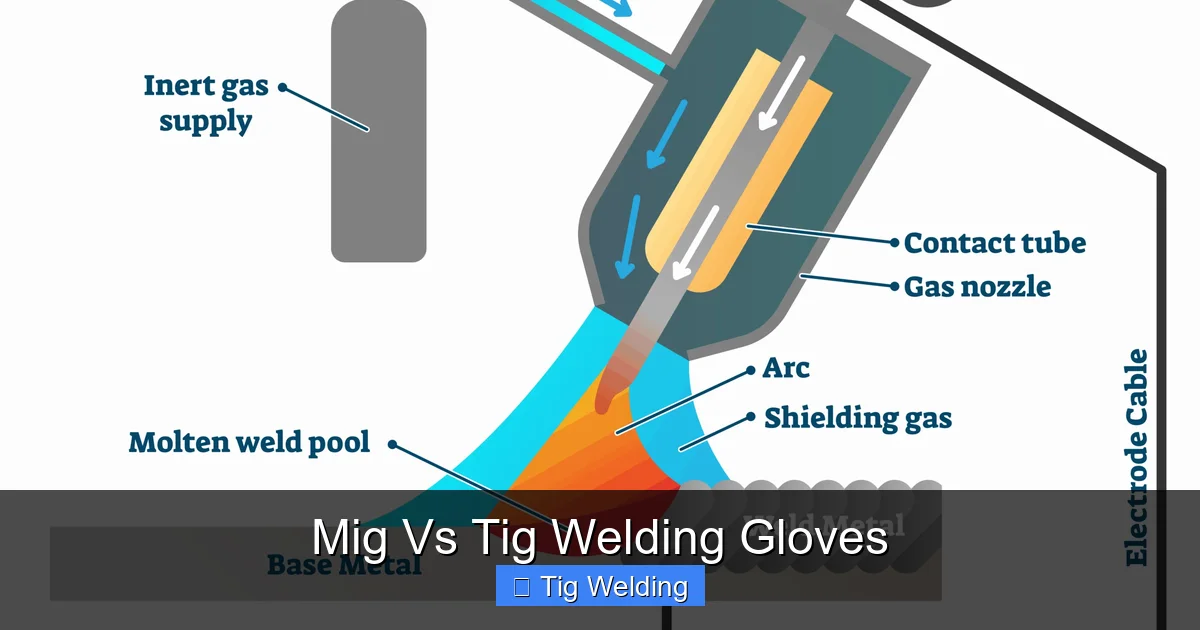
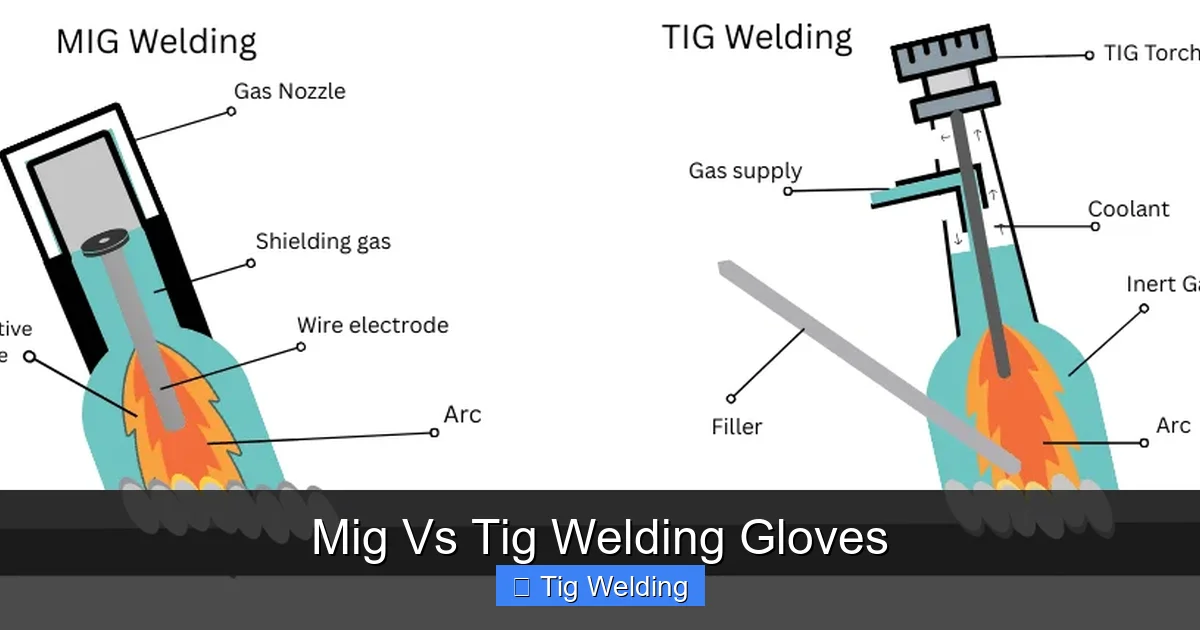
MIG (Metal Inert Gas) welding, also known as Gas Metal Arc Welding (GMAW), is a process where a continuous wire electrode is fed through a welding gun into the weld pool, shielding it with inert gas. It’s popular for its speed and ease of use, making it ideal for large projects and thick metals.
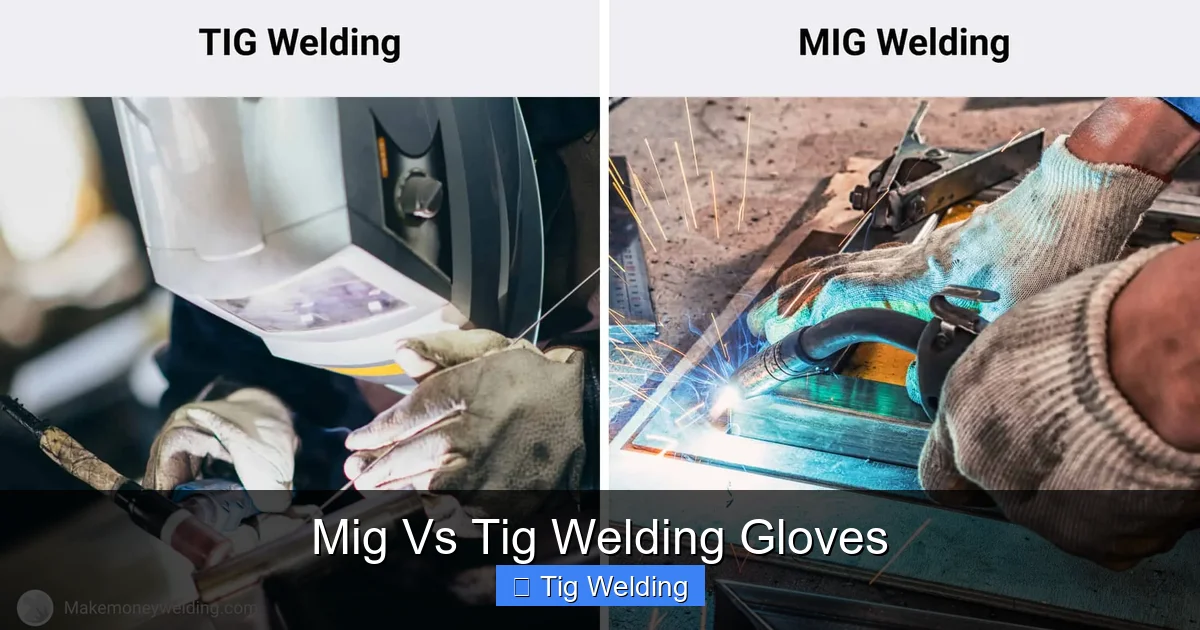
Visual guide about Mig Vs Tig Welding Gloves
Image source: makemoneywelding.com
What is TIG Welding?
TIG (Tungsten Inert Gas) welding, or Gas Tungsten Arc Welding (GTAW), uses a non-consumable tungsten electrode to produce the weld. Filler metal is added manually, and shielding gas protects the weld area. TIG welding offers precision and is perfect for delicate, detailed work on thin metals.
Material Differences in Welding Gloves
MIG Welding Gloves
MIG welding gloves are typically made from thick, durable leather—often cowhide or pigskin. They are designed to withstand high temperatures and provide robust protection against sparks and molten metal. Their construction often includes reinforced palms and fingertips for extra durability in demanding environments.
Visual guide about Mig Vs Tig Welding Gloves
Image source: technoxmachine.com
TIG Welding Gloves
TIG gloves are generally lighter and made from softer, thinner leather or goatskin. They prioritize dexterity and tactile sensitivity, allowing welders to manipulate small parts with precision. The emphasis is on finger mobility, so the gloves are less bulky compared to MIG gloves.
Protection and Heat Resistance
Heat Resistance in MIG Gloves
MIG welding involves high currents that generate significant heat. Therefore, MIG gloves are designed with thicker materials and additional insulation to protect against burns and heat exposure. They are ideal for tasks that involve prolonged exposure to high temperatures.
Visual guide about Mig Vs Tig Welding Gloves
Image source: proleantech.com
Heat Resistance in TIG Gloves
While TIG welding also involves heat, the process often requires more finesse and less sustained high-temperature exposure. TIG gloves are designed to provide enough protection but are lighter to allow for better control. They may have less insulation but still offer adequate safety for delicate welding tasks.
Design and Dexterity
MIG Welding Gloves: Durability Over Dexterity
The design of MIG gloves tends to be more robust with extra padding and thicker leather. This makes them less flexible but highly protective. They are suited for holding heavy tools and handling large, hot materials.
TIG Welding Gloves: Focused on Precision
TIG gloves are thinner and more form-fitting. They allow for excellent finger mobility, which is critical for detailed welding work. If your job involves small, intricate welds, TIG gloves are the way to go.
Comfort and Fit
Comfort is essential, especially for long welding sessions. TIG gloves, being thinner, generally fit more snugly and feel more natural. MIG gloves, due to their bulkier design, may feel heavier but provide more overall protection.
Cost and Durability
Price varies based on quality and brand. Typically, TIG gloves are more expensive because of their specialized design for dexterity and control. MIG gloves, being more rugged and durable, may last longer in demanding environments but can be bulkier and less comfortable for detailed work.
Practical Tips for Choosing the Right Welding Gloves
- Assess your work: For heavy-duty, high-heat welding, opt for MIG gloves.
- Prioritize dexterity: For fine, detailed TIG welding, choose thinner, more flexible gloves.
- Material quality: Invest in high-quality leather for better protection and longevity.
- Fit and comfort: Try on gloves before purchasing to ensure a snug, comfortable fit.
- Maintenance: Keep your gloves clean and dry to extend their lifespan.
Conclusion
Choosing between MIG vs TIG welding gloves depends on your specific needs and the nature of your projects. MIG gloves excel in providing maximum protection for heavy, high-heat welding, while TIG gloves are designed for precision, dexterity, and delicate work. Understanding these differences ensures you select the right gear to stay safe, comfortable, and efficient in your welding tasks.
Remember, investing in quality gloves tailored to your welding style not only improves your work quality but also safeguards you from potential hazards. Happy welding!
Frequently Asked Questions
Are MIG welding gloves suitable for all types of welding?
No, MIG welding gloves are best suited for high-heat, heavy-duty welding tasks. For precision welding like TIG, specialized gloves are recommended.
What makes TIG welding gloves more dexterous?
TIG gloves are made from thinner, softer leather, allowing better finger movement and tactile control, which is essential for delicate welding work.
How long do welding gloves typically last?
The lifespan of welding gloves depends on usage and quality. Good quality gloves can last several years if properly maintained, but heavy use may require replacement sooner.
Can I wash my welding gloves?
Most leather welding gloves should be cleaned with a damp cloth and air-dried. Avoid submerging them in water or using harsh chemicals, as this can damage the leather.
Is it worth investing in high-end welding gloves?
Yes, high-end gloves offer better protection, durability, and comfort, which can improve safety and efficiency during welding tasks.
What are some signs that I need new welding gloves?
Look for signs of wear such as cracks, holes, or thinning leather. If your gloves no longer fit well or feel unsafe, it’s time to replace them.
