
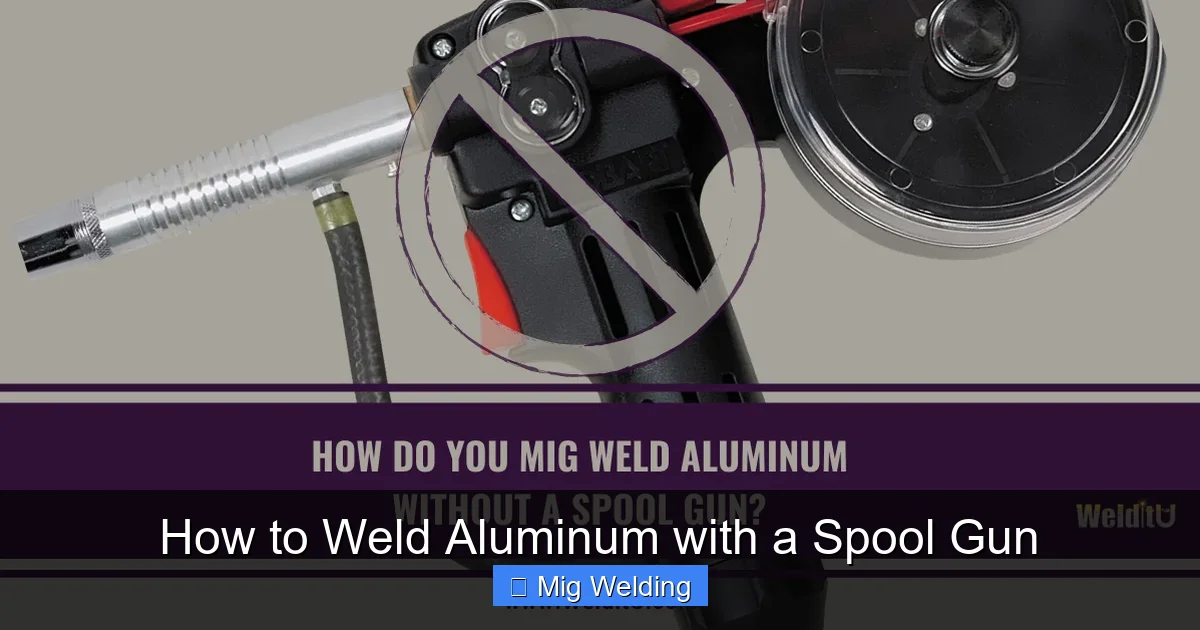
Welding aluminum with a spool gun is a reliable method for clean, strong joints without the hassle of wire feeding issues. This guide walks you through setup, technique, and troubleshooting to help you master aluminum MIG welding with confidence.
Key Takeaways
- Use a dedicated spool gun: Prevents birdnesting and wire feeding problems common with standard MIG guns when welding aluminum.
- Choose the right wire: Use 4043 or 5356 aluminum welding wire depending on your base metal and desired strength.
- Clean the material thoroughly: Aluminum oxide forms quickly and must be removed with a stainless steel brush or chemical cleaner.
- Set proper voltage and wire speed: Start with manufacturer recommendations and fine-tune based on your machine and material thickness.
- Maintain a consistent travel speed: Too slow causes burn-through; too fast leads to lack of fusion.
- Use 100% argon shielding gas: Ensures clean welds and prevents porosity.
- Practice on scrap first: Aluminum behaves differently than steel—practice helps you dial in settings and technique.
Introduction: Why Use a Spool Gun for Aluminum Welding?
Aluminum welding can be tricky, especially if you’re used to working with steel. Unlike steel, aluminum conducts heat quickly, oxidizes fast, and is prone to wire feeding issues in standard MIG setups. That’s where a spool gun comes in. A spool gun holds a small spool of aluminum wire right at the welding torch, eliminating the long feed path that often causes birdnesting and inconsistent wire delivery.
In this guide, you’ll learn how to weld aluminum with a spool gun step by step. Whether you’re repairing aluminum boat parts, building custom car parts, or working on home projects, mastering this technique will give you clean, strong, and professional-looking welds. We’ll cover everything from equipment setup to troubleshooting common problems—so you can weld aluminum confidently and efficiently.
What You’ll Need
Before you start, make sure you have the right tools and materials. Here’s a quick checklist:
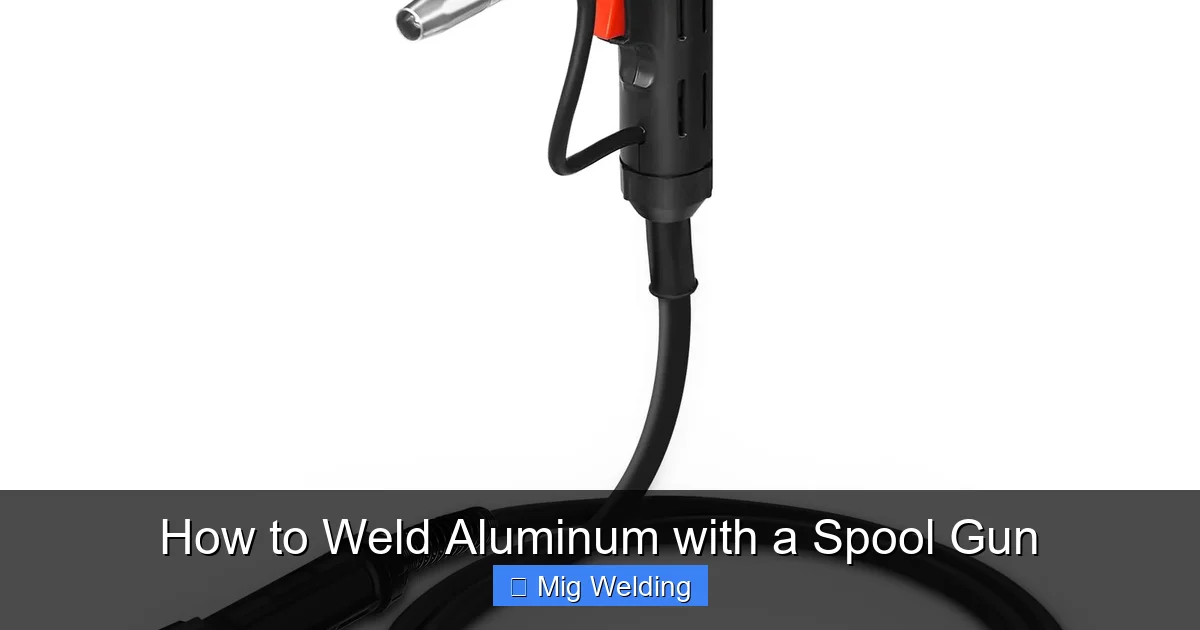
Visual guide about How to Weld Aluminum with a Spool Gun
Image source: images-na.ssl-images-amazon.com
- A MIG welder compatible with a spool gun (most modern machines support this)
- A spool gun (typically 1–2 lbs capacity, designed for aluminum wire)
- Aluminum welding wire (4043 or 5356, 0.035″ or 0.045″ diameter)
- 100% argon shielding gas (flow rate: 20–30 CFH)
- Stainless steel wire brush (dedicated to aluminum only)
- Acetone or aluminum cleaner
- Safety gear: welding helmet, gloves, flame-resistant clothing, and proper ventilation
- C-clamps or welding magnets for fit-up
- Chipping hammer and wire brush for post-weld cleanup
Step 1: Prepare Your Workpiece
Aluminum is unforgiving when it comes to contamination. Even a thin layer of oxide can ruin your weld. That’s why preparation is critical.
Clean the Surface
Start by removing any dirt, grease, or oil using acetone or a dedicated aluminum cleaner. Wipe the area with a clean cloth. Never use the same rag or brush you use on steel—cross-contamination will weaken your weld.
Remove Aluminum Oxide
Aluminum forms a hard oxide layer (Al₂O₃) almost instantly when exposed to air. This layer has a much higher melting point than the base metal and must be removed. Use a stainless steel wire brush (dedicated to aluminum only) to scrub the weld area. Brush in one direction only—don’t go back and forth, as this can push oxide into the metal.
Fit-Up and Clamping
Aluminum expands and contracts more than steel, so tight fit-up is essential. Use C-clamps or welding magnets to hold pieces in place. For butt joints, leave a small gap (about 0.020″–0.040″) to allow for expansion during welding.
Step 2: Set Up Your Spool Gun
Now it’s time to install and configure your spool gun. Follow your manufacturer’s instructions, but here’s a general process:
Install the Spool Gun
Turn off your welder and disconnect the standard MIG gun. Attach the spool gun to the welder’s connector, ensuring it’s securely fastened. Most spool guns plug into a dedicated port or use an adapter.
Load the Aluminum Wire
Open the spool gun cover and insert the spool of aluminum wire. Make sure the wire feeds smoothly—don’t force it. Thread the wire through the guide tubes and into the drive rolls. Use U-groove or knurled V-groove drive rolls designed for soft aluminum wire to prevent crushing.
Set Tension
Adjust the tension on the drive rolls. Too tight, and you’ll deform the wire; too loose, and it won’t feed properly. A good rule of thumb: you should be able to pinch the wire and feel slight resistance, but not so much that it flattens.
Connect the Gas Line
Attach the shielding gas hose to the spool gun and ensure the regulator is set to 20–30 cubic feet per hour (CFH) of 100% argon. Open the gas valve and check for leaks using soapy water at the connections.
Step 3: Dial In Your Welding Settings
Aluminum requires different settings than steel. Start with these general guidelines and adjust based on your machine and material thickness.
Voltage and Wire Speed
For 1/8″ (3mm) aluminum, start with:
- Voltage: 19–21 volts
- Wire speed: 300–400 inches per minute (IPM)
Thicker materials need higher voltage and wire speed; thinner materials need less. Always refer to your welder’s chart or the wire manufacturer’s recommendations.
Use DCEN (Direct Current Electrode Negative)
Unlike steel MIG welding, aluminum uses DCEN polarity. Make sure your welder is set correctly—this is crucial for proper arc stability and penetration.
Adjust for Spray Transfer
For best results, aim for a spray transfer mode, where tiny droplets of molten metal transfer across the arc. This requires higher voltage and wire speed. If you hear a crackling sound, you’re in short-circuit mode—increase voltage slightly.
Step 4: Practice Your Technique
Aluminum welding demands a steady hand and consistent motion. Here’s how to do it right.
Gun Angle and Position
Hold the spool gun at a 10–15 degree push angle (pointing in the direction of travel). This helps the shielding gas protect the weld pool and reduces turbulence.
Travel Speed
Move steadily—too slow, and you’ll burn through; too fast, and you’ll get lack of fusion. A good weld should have a smooth, rope-like appearance with consistent ripple spacing.
Welding Technique
Use a straight-line or slight weave motion. Avoid large weaves, as they can trap gas and cause porosity. Keep the arc length short—about 1/4″ from the workpiece.
Start and Stop Properly
Use a scratch start or lift arc method to initiate the arc. At the end of the weld, pause briefly to fill the crater and prevent cracking.
Step 5: Post-Weld Cleanup
Once your weld cools, inspect it for defects like porosity, cracks, or undercut. Use a chipping hammer and wire brush to remove slag and spatter. If needed, grind the weld smooth with a flap disc—but avoid overheating the aluminum.
Troubleshooting Common Problems
Even with proper setup, issues can arise. Here’s how to fix the most common ones:
Porosity (Bubbles in the Weld)
Cause: Contaminated base metal, moisture, or insufficient gas coverage.
Solution: Clean the material thoroughly, check gas flow, and ensure the gun nozzle isn’t clogged.
Burn-Through
Cause: Too much heat or slow travel speed.
Solution: Reduce voltage or wire speed, increase travel speed, or use a heat sink (like copper backing bar).
Lack of Fusion
Cause: Too fast travel speed or incorrect angle.
Solution: Slow down, maintain a consistent push angle, and ensure proper fit-up.
Wire Feeding Issues
Cause: Incorrect drive roll tension or worn liner.
Solution: Adjust tension, replace the liner if kinked, and use high-quality aluminum wire.
Conclusion
Welding aluminum with a spool gun is a game-changer for hobbyists and professionals alike. By eliminating wire feeding problems and giving you better control, a spool gun makes aluminum MIG welding more reliable and easier to master. Remember: clean your material, use the right wire and gas, dial in your settings, and practice your technique. With patience and attention to detail, you’ll produce strong, clean welds every time.
Don’t be discouraged by initial setbacks—aluminum welding has a learning curve, but the results are worth it. Start with scrap metal, experiment with settings, and build your confidence. Soon, you’ll be tackling aluminum projects with the same ease as steel.
