
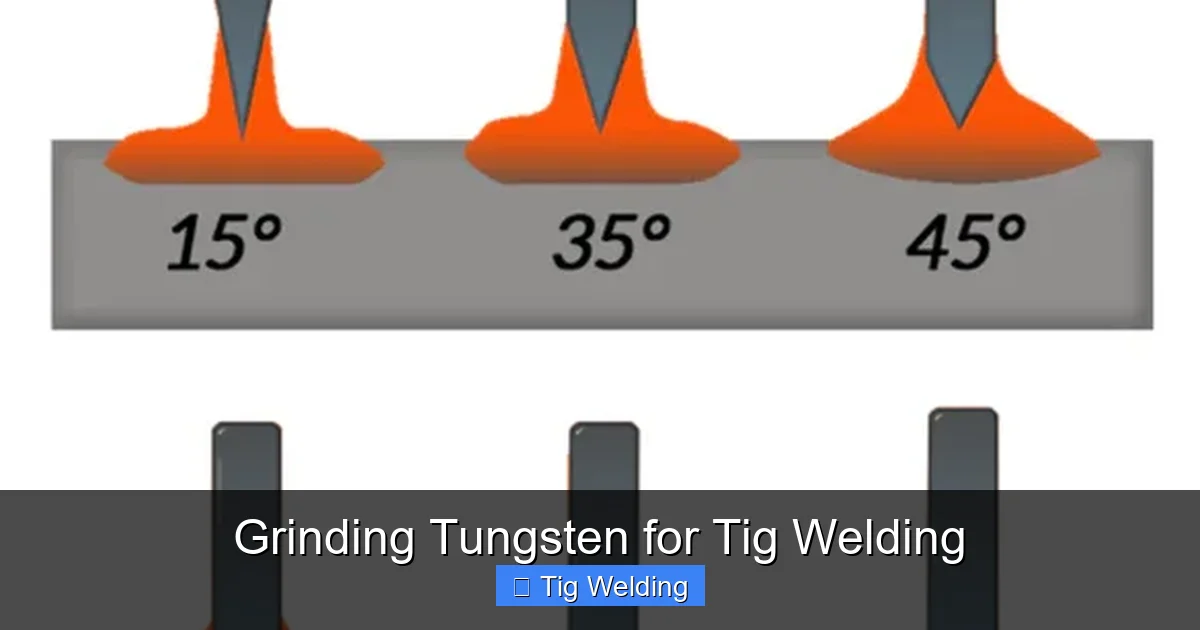
Grinding tungsten for TIG welding is essential for achieving quality welds and preventing contamination. Proper technique and tools ensure a clean, precise arc, extending electrode life and improving weld integrity.
Key Takeaways
- Use the right grinder: Dedicated grinding tools prevent contamination and ensure a smooth finish.
- Sharpens the tungsten: Proper grinding creates a pointed or truncated tip for better arc control.
- Avoid cross-contamination: Never grind different electrode types on the same wheel to prevent impurities.
- Maintain consistency: Uniform grinding results in stable arcs and high-quality welds.
- Follow safety protocols: Always wear protective gear and work in a well-ventilated area.
- Regular maintenance: Keep your grinder clean and replace worn-out wheels for optimal performance.
Quick Answers to Common Questions
Question 1?
Why is grinding tungsten important in TIG welding?
Proper grinding ensures a clean, stable arc, prevents contamination, and extends electrode life, leading to better weld quality.
Question 2?
What shape should I grind my tungsten to?
It depends on your application: a pointed tip for precise welding or a truncated tip for higher current or wider arcs.
Question 3?
Can I use a regular bench grinder for tungsten?
Yes, but it’s best to use a dedicated tungsten grinder or a separate wheel to avoid contamination and ensure consistency.
Question 4?
How often should I replace my grinding wheel?
Replace it when it becomes worn, cracked, or excessively worn; a dull wheel can produce uneven shapes and be unsafe.
Question 5?
Are there safety concerns when grinding tungsten?
Yes, tungsten dust is hazardous. Always wear safety goggles, a dust mask, and work in a ventilated area to protect yourself.
📑 Table of Contents
- Introduction: Why Proper Tungsten Grinding Matters in TIG Welding
- Understanding Tungsten Electrodes in TIG Welding
- Tools Needed for Grinding Tungsten
- Step-by-Step Guide to Grinding Tungsten for TIG Welding
- Common Mistakes and How to Avoid Them
- Safety Tips for Grinding Tungsten
- Maintaining Your Tungsten Electrodes and Tools
- Conclusion: Mastering Tungsten Grinding for Better TIG Welds
Introduction: Why Proper Tungsten Grinding Matters in TIG Welding
TIG welding is renowned for its precision and clean finish, but achieving those results depends heavily on the quality of your tungsten electrode. One of the most overlooked yet crucial steps is grinding the tungsten correctly. Proper grinding not only shapes the electrode for optimal arc stability but also prevents contamination of your welds.
If you’ve ever experienced porosity, inconsistent welds, or electrode contamination, the culprit might be improper tungsten prep. This guide will walk you through everything you need to know about grinding tungsten for TIG welding—tools, techniques, safety tips, and common mistakes to avoid. Whether you’re a beginner or a seasoned welder, mastering tungsten grinding can elevate your TIG welding game.
Understanding Tungsten Electrodes in TIG Welding
Types of Tungsten Electrodes
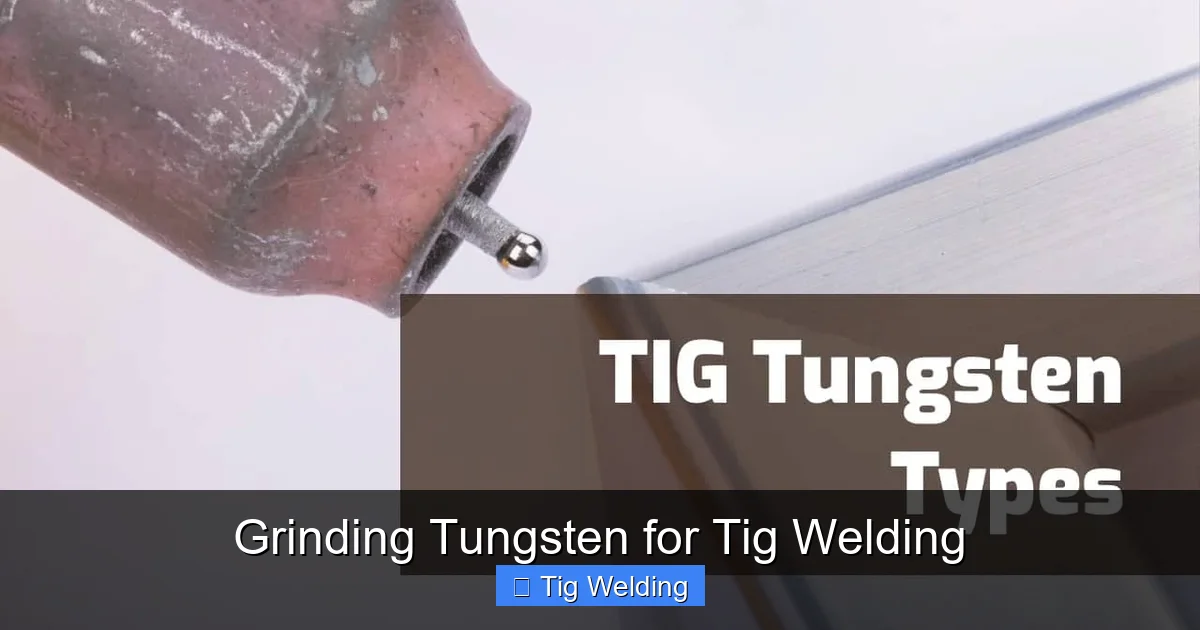
Before diving into grinding techniques, it’s essential to understand the types of tungsten electrodes available:
Visual guide about Grinding Tungsten for Tig Welding
Image source: yolomet.com
- Pure Tungsten (Green): Ideal for AC welding of aluminum and magnesium. It has a high melting point but less durability.
- Thoriated Tungsten (Red): Contains thorium, providing excellent electron emission. Best for DC welding but radioactive and requires special handling.
- Ceriated Tungsten (Gold): Suitable for DC and AC welding, safer than thoriated, with good arc stability.
- Lanthaniated Tungsten (Brown): Offers good performance for AC and DC, with high durability.
- Yttriated Tungsten (Yellow): Good for high-frequency starting and AC welding, with excellent arc stability.
Choosing the right tungsten depends on your welding application, but regardless of type, proper grinding is essential for optimal performance.
Tools Needed for Grinding Tungsten
Dedicated Tungsten Grinders
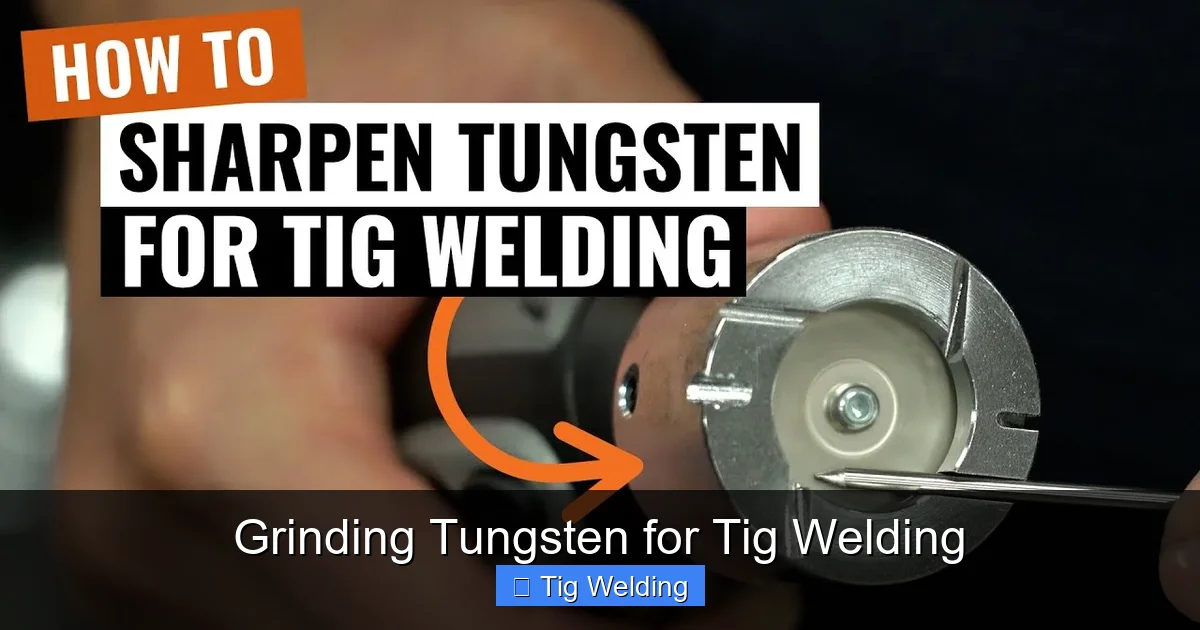
Investing in a dedicated tungsten grinder is highly recommended. These tools are designed specifically for shaping electrodes and come with various grinding wheels tailored for tungsten.
Visual guide about Grinding Tungsten for Tig Welding
Image source: i.ytimg.com
- Advantages: Consistent shapes, minimal contamination, and ease of use.
- Popular models: Esab, Hypertherm, or specialized bench grinders with tungsten-specific wheels.
Bench Grinders & Hand Files
If you don’t have a dedicated tungsten grinder, a regular bench grinder with a silicon carbide wheel can work—but with caution. Always use a separate wheel for tungsten to prevent contamination. Hand files can be used for fine shaping but are less precise.
Step-by-Step Guide to Grinding Tungsten for TIG Welding
Preparation
Before grinding, ensure your workspace is clean and free of debris. Wear safety gear — goggles, gloves, and a dust mask. Tungsten dust can be harmful if inhaled, so work in a well-ventilated area or use a dust extraction system.
Visual guide about Grinding Tungsten for Tig Welding
Image source: weldguru.com
Choosing the Right Shape
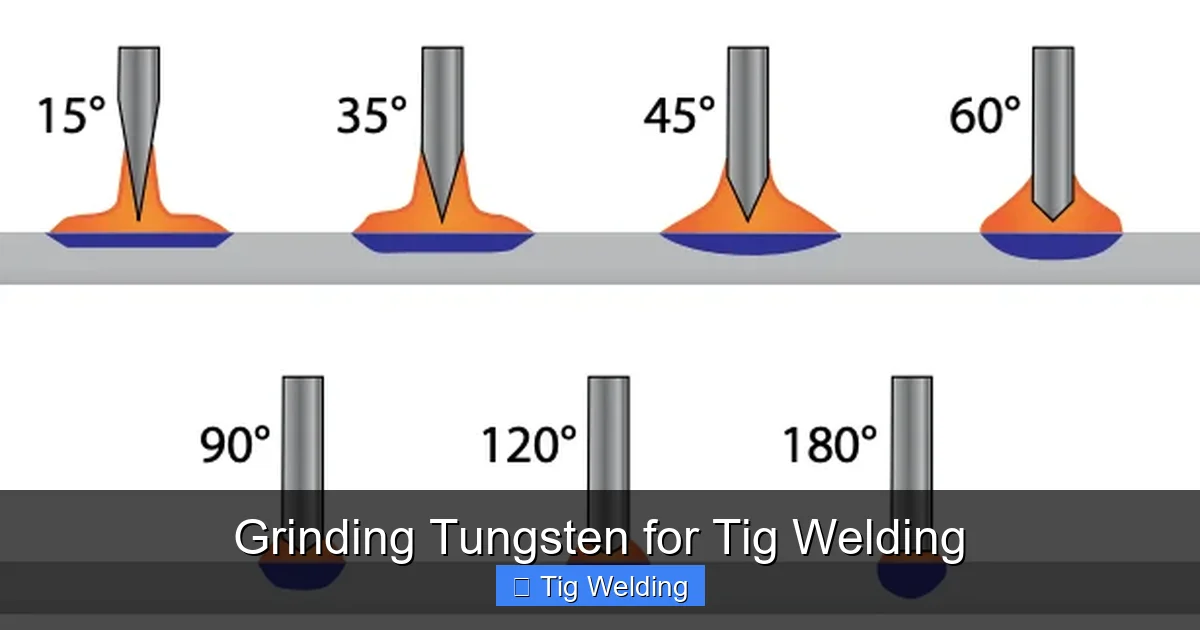
- Pointed Tip: Best for precise, low-current welding or when a fine arc is needed.
- Truncated (Flat) Tip: Suitable for higher currents or when a wider arc is desired.
Grinding Technique
- Secure the tungsten electrode in the grinder or on a stable work surface.
- For a pointed tip, hold the electrode at a 20-30 degree angle to the grinding wheel.
- Gently grind the tip, rotating it to ensure even shaping. Avoid applying excessive pressure—let the wheel do the work.
- Stop periodically to check the shape. Use a marker to outline the desired tip before grinding for consistency.
- Once shaped, clean the electrode to remove any residual dust or debris.
Tips for a Perfect Grind
- Always grind in one direction to prevent overheating and uneven shaping.
- Use a dedicated wheel for tungsten; never grind other metals on it.
- Regularly inspect your grinding wheel for wear and replace when necessary.
- Never grind tungsten on a wire brush or a wheel used for other metals.
Common Mistakes and How to Avoid Them
Over-grinding
Grinding too much can weaken the electrode, causing it to break or produce an unstable arc. Keep the grinding to the minimum necessary to achieve the desired shape.
Contamination
Using the same wheel for different metals or not cleaning the electrode can lead to contamination, resulting in porosity or weak welds. Always use dedicated tools and clean electrodes thoroughly.
Incorrect Shape
Choosing the wrong tip shape can affect arc stability and weld quality. Match the tip shape to your welding application.
Safety Tips for Grinding Tungsten
- Always wear safety goggles or a face shield to protect your eyes from sparks and dust.
- Use a dust mask or respirator to avoid inhaling tungsten dust.
- Operate grinders in well-ventilated areas.
- Secure the electrode properly to prevent slips or accidents.
- Replace worn grinding wheels promptly to avoid accidents.
Maintaining Your Tungsten Electrodes and Tools
Proper maintenance extends the life of your tungsten electrodes and grinding tools. Store electrodes in a dry, clean place. Regularly inspect and replace grinding wheels to ensure they remain effective and safe to use.
Cleaning your workspace and tools regularly helps prevent cross-contamination and ensures consistent weld quality.
Conclusion: Mastering Tungsten Grinding for Better TIG Welds
Grinding tungsten for TIG welding might seem simple, but it’s a skill that significantly impacts your weld quality. By choosing the right tools, shapes, and techniques, you can produce consistent, high-quality welds while extending your electrode’s lifespan. Remember, safety always comes first—wear protective gear and work in a well-ventilated space. With practice, proper tungsten grinding becomes second nature, and your TIG welding results will reflect that expertise. Happy welding!
Frequently Asked Questions
What is the best way to shape tungsten for TIG welding?
The best approach is to use a dedicated tungsten grinder or a bench grinder with a silicon carbide wheel, shaping the electrode at the correct angle and checking frequently for uniformity.
Can I grind tungsten on a wheel used for other metals?
No, this can cause contamination, which leads to weld porosity and weak welds. Always use a dedicated wheel for tungsten.
How do I prevent contamination when grinding tungsten?
Use separate grinding wheels for tungsten, keep tools clean, and handle electrodes carefully to avoid introducing impurities.
What shape of tungsten electrode is best for AC welding?
A rounded or truncated tip is often preferred for AC welding, especially with aluminum, to promote stable arcs and prevent contamination.
Why should I avoid over-grinding my tungsten?
Excessive grinding can weaken the electrode, cause it to break, or produce an uneven arc, affecting weld quality.
Is thoriated tungsten safe to use?
Thoriated tungsten contains radioactive thorium, so it requires careful handling and disposal. Many welders now prefer ceriated or lanthanated alternatives for safety reasons.
