
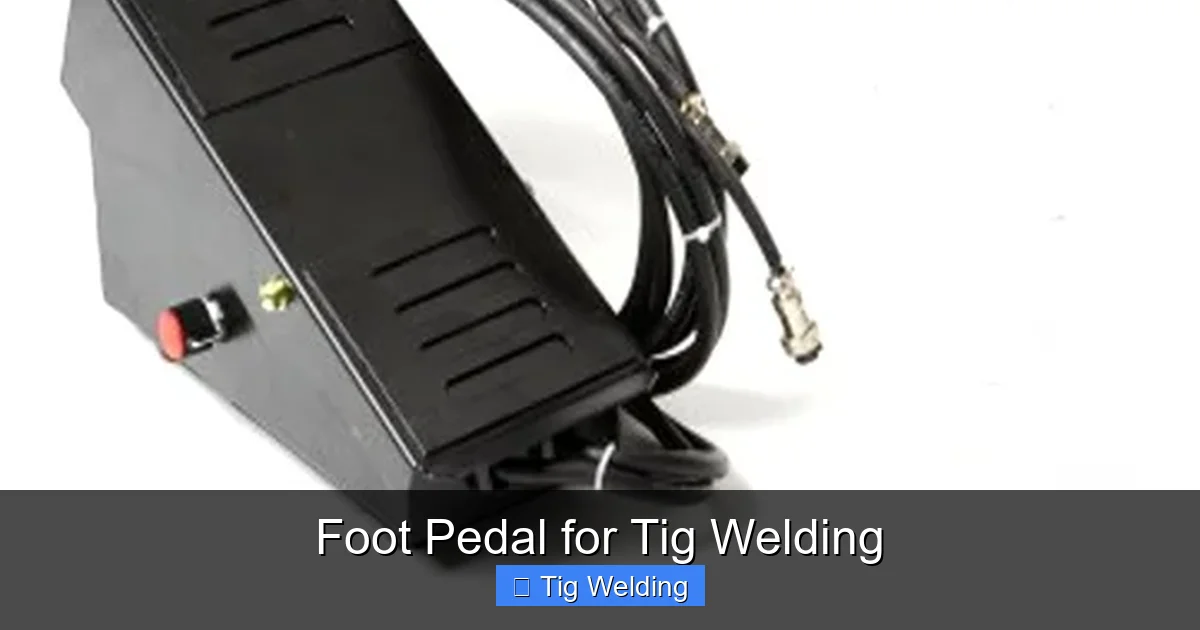
A foot pedal for TIG welding is an essential tool that enhances control over the welding process. It allows welders to adjust heat and current seamlessly, leading to better precision and safety. Whether you’re a beginner or a pro, choosing the right foot pedal can significantly improve your welding experience.
Key Takeaways
- Enhanced Control: Foot pedals provide real-time control over welding current, allowing for smoother and more precise welds.
- Improved Safety: Using a foot pedal reduces the need to manually adjust settings, minimizing distractions and potential accidents.
- Compatibility: Not all foot pedals fit every TIG welder; ensure compatibility before purchasing.
- Types of Foot Pedals: Pedals vary from simple on/off switches to advanced models with digital controls and feedback features.
- Material and Durability: Look for sturdy materials like aluminum or high-quality plastic for longevity and comfort.
- Cost Consideration: Prices range from budget-friendly to professional-grade, depending on features and build quality.
Quick Answers to Common Questions
Question 1?
What is a foot pedal for TIG welding used for?
It is used to control the welding current in real-time, allowing for smoother, more precise welds and improved control during TIG welding.
Question 2?
Are all foot pedals compatible with any TIG welder?
No, it’s important to check compatibility with your specific TIG welder’s model and voltage requirements before purchasing.
Question 3?
What are the main types of foot pedals for TIG welding?
They include basic on/off pedals, variable control pedals, digital or programmable pedals, and wireless models.
Question 4?
How do I maintain my foot pedal for longevity?
Regularly inspect cables, keep contacts clean, and store it in a dry, safe place to prevent damage and ensure optimal performance.
Question 5?
Can using a foot pedal improve welding safety?
Yes, it allows you to keep both hands on the torch and reduces distractions, making your welding safer and more controlled.
📑 Table of Contents
Introduction
If you’re into TIG welding, you already know how crucial precision and control are. One tool that often gets overlooked but can make a huge difference is the foot pedal for TIG welding. Think of it as your secret weapon for smooth, consistent welds. It gives you the ability to fine-tune the heat and current without taking your hands off the torch, making your welding more efficient and safer.
Whether you’re a hobbyist or a seasoned professional, understanding how to choose and use a foot pedal properly can elevate your welding game. In this article, we’ll explore the ins and outs of foot pedals for TIG welding — from types and features to tips on using them effectively.
What is a Foot Pedal for TIG Welding?
Definition and Purpose
A foot pedal for TIG welding is a device that connects to your welding power source and allows you to control the welding current with your foot. It acts as a variable resistor, enabling you to increase or decrease heat in real-time. This control is especially vital during delicate welding tasks, such as thin metals or intricate joints.
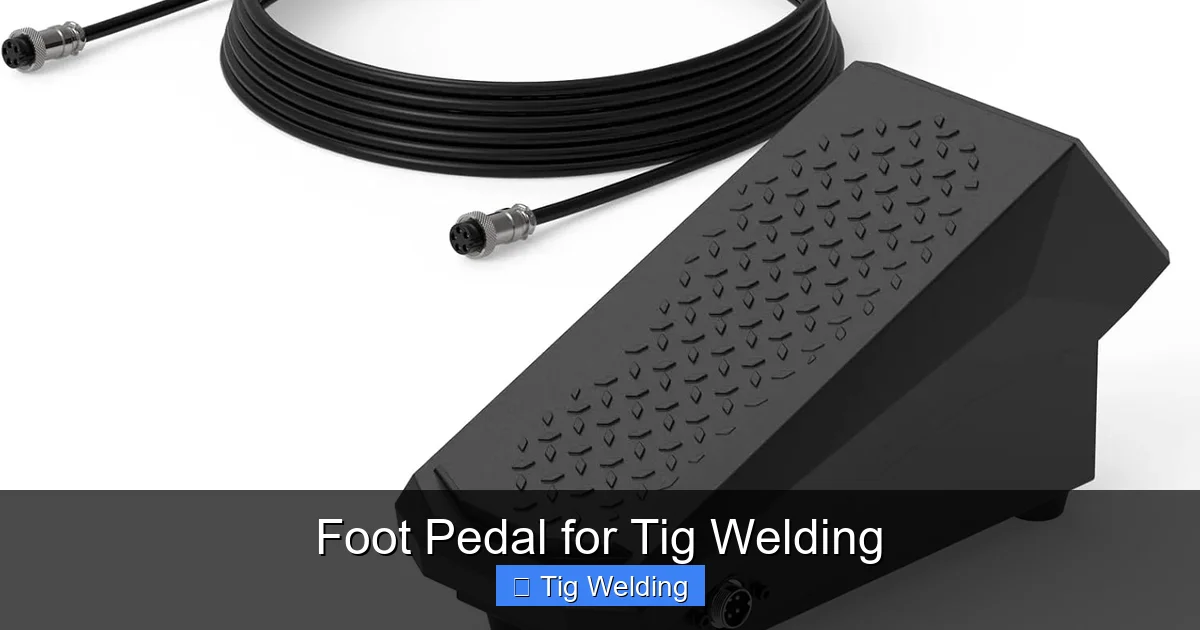
Visual guide about Foot Pedal for Tig Welding
Image source: m.media-amazon.com
Why Use a Foot Pedal?
Traditional welding setups often require manual adjustments of the current through a control panel, which can be distracting and less precise. The foot pedal provides a hands-free way to manage heat, resulting in cleaner welds and less rework. Plus, it enhances safety by reducing the need to reach for controls while welding.
Types of Foot Pedals for TIG Welding
Basic On/Off Pedals
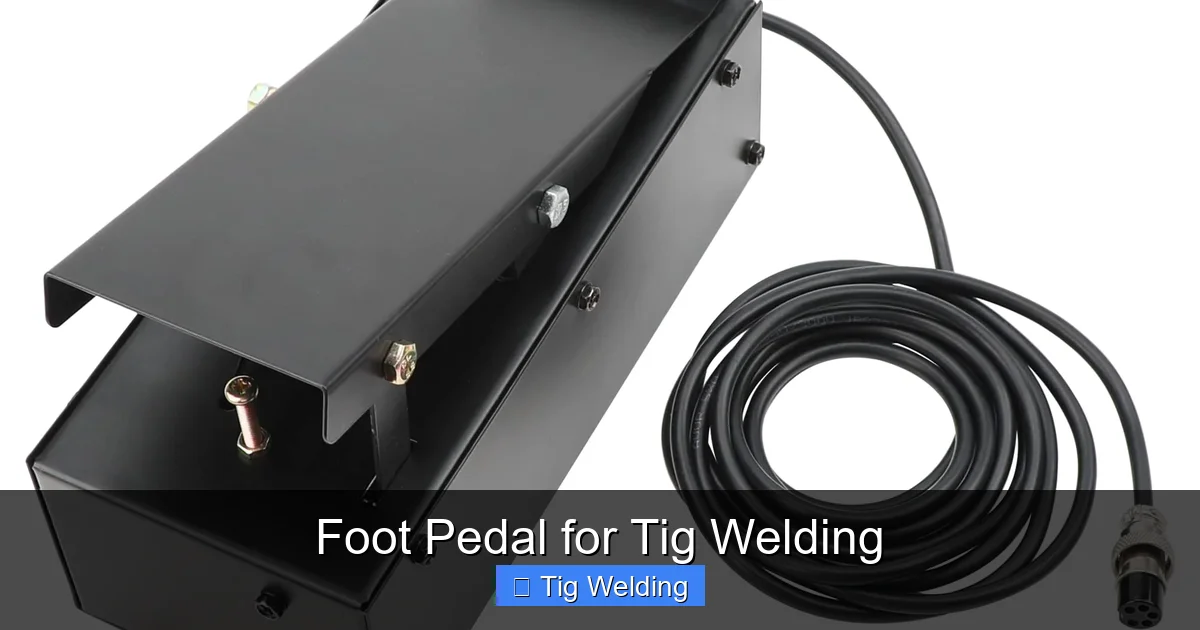
These are simple pedals that act as a switch — pressing down turns on the current, releasing turns it off. They’re affordable but lack variable control, making them less suitable for detailed or delicate work.
Visual guide about Foot Pedal for Tig Welding
Image source: m.media-amazon.com
Variable Control Pedals
The most popular type, these pedals allow for continuous adjustment of welding current. You can modulate the heat smoothly by varying pressure on the pedal. They often come with a potentiometer or digital interface for precise control.
Digital or Programmable Pedals
High-end models feature digital interfaces, allowing you to set specific current levels or even program different welding patterns. They are ideal for complex welding projects requiring high precision.
Wireless Pedals
Some advanced models are wireless, offering greater mobility and eliminating cable clutter. These are more expensive but provide added convenience, especially in large workshops.
Choosing the Right Foot Pedal for TIG Welding
Compatibility with Your Welder
Always check if the foot pedal is compatible with your TIG welder’s model and power source. Some pedals are designed for specific brands or voltage ranges.
Visual guide about Foot Pedal for Tig Welding
Image source: rickyswelding.com
Build Quality and Materials
Look for durable materials like aluminum or high-grade plastics. A sturdy pedal ensures longevity and comfort during prolonged use.
Control Features
Decide whether you need simple on/off control or variable adjustment. For detailed work, a variable control pedal is recommended.
Budget Considerations
Prices vary widely. Basic models can cost as little as $50, while advanced programmable pedals can exceed $300. Balance your needs with your budget.
Additional Features
Features like feedback indicators, ergonomic design, or wireless connectivity can add convenience and improve your welding experience.
How to Use a Foot Pedal for TIG Welding Effectively
Getting Started
Connect the foot pedal to your TIG welder, ensuring secure fittings. Turn on your machine and set initial parameters as needed.
Practicing Control
Practice applying gradual pressure to understand how it influences the weld. Start with simple welds on scrap metal to get a feel for responsiveness.
Adjusting During Welding
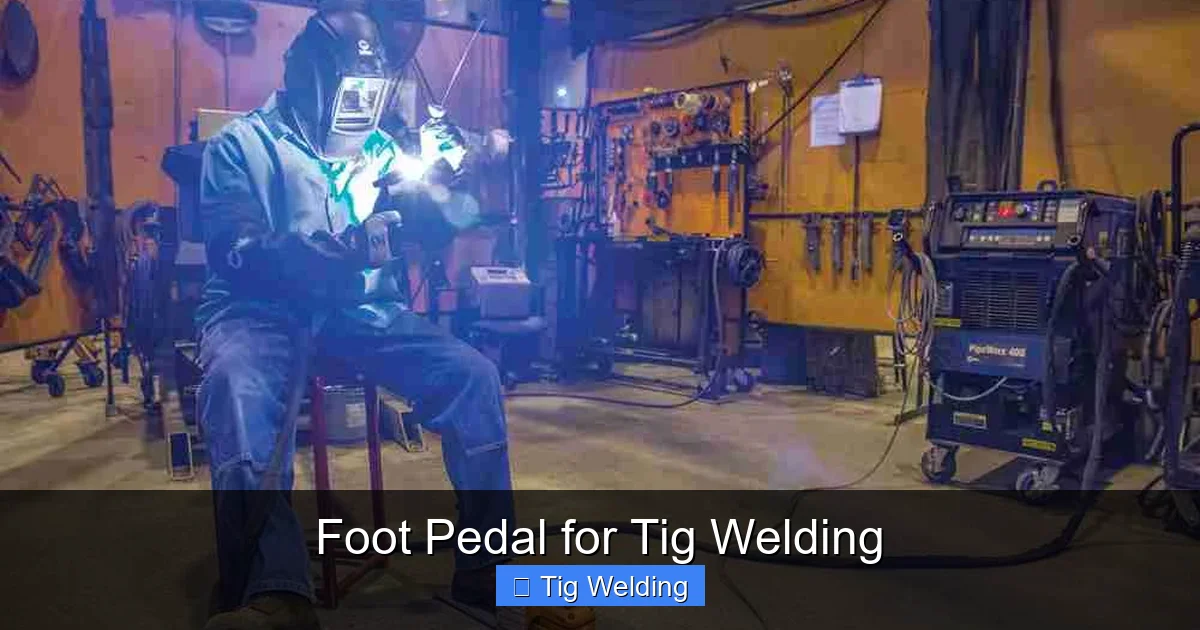
Use your foot to modulate heat in real-time, especially during critical welds. This allows for better bead control and reduces the chances of burn-through or weak welds.
Tips for Better Results
- Maintain a comfortable posture: Ensure your foot is positioned comfortably on the pedal.
- Use smooth movements: Gentle, consistent pressure yields the best control.
- Practice regularly: Familiarity with your pedal’s response improves your welding finesse.
Maintenance and Troubleshooting
Keeping Your Pedal in Good Shape
Regularly inspect cables and connectors for wear or damage. Clean contacts and ensure no dirt or debris interfere with operation.
Common Issues and Fixes
- No response from pedal: Check connections and power supply. Replace faulty cables if needed.
- Inconsistent control: Calibrate the pedal or replace worn potentiometers.
- Wireless connectivity problems: Reset devices or update firmware.
Conclusion
A foot pedal for TIG welding is more than just a convenience — it’s a powerful tool that can dramatically improve your welding quality and safety. By choosing the right pedal for your needs and mastering its use, you can achieve cleaner, more precise welds with greater ease. Whether you’re doing fine detail work or thick metal, a good foot pedal is a worthy investment that pays off in professional results.
Remember to consider compatibility, build quality, and features when selecting your pedal. With a bit of practice, you’ll wonder how you ever welded without it!
Frequently Asked Questions
What should I consider when choosing a foot pedal for TIG welding?
Focus on compatibility with your welder, build quality, control features, and your budget to select the best pedal for your needs.
Do I need a digital foot pedal for TIG welding?
Digital pedals offer advanced features like programmable settings and feedback, ideal for complex or professional welding tasks. For basic needs, analog variable pedals may suffice.
Is a wireless foot pedal better than a wired one?
Wireless pedals provide greater mobility and reduce cable clutter, but they tend to be more expensive and may require batteries or charging.
How does a foot pedal improve welding precision?
It allows you to adjust the welding current smoothly during the process, resulting in cleaner, more consistent weld beads, especially on delicate or thin materials.
Can I upgrade my existing TIG welder with a foot pedal?
Many TIG welders are compatible with standard foot pedals, but always check your machine’s specifications and connector type before purchasing an upgrade.
What are common issues with foot pedals for TIG welding?
Common problems include connection failures, inconsistent control, or wear and tear. Regular maintenance and choosing quality pedals can help prevent these issues.
