

DC TIG welding is a popular welding method known for its precision and clean finish. It uses direct current to produce high-quality welds suitable for various metals, making it a favorite among professionals and hobbyists alike. Whether you’re new to welding or looking to refine your technique, understanding DC TIG welding can significantly improve your results. This guide covers all you need to know to get started and excel in DC TIG welding.
Key Takeaways
- DC TIG welding provides a stable arc: The direct current ensures a consistent arc, resulting in cleaner, more precise welds.
- Ideal for thin metals: It’s perfect for welding delicate materials like aluminum, stainless steel, and copper with minimal distortion.
- Requires specific equipment: A DC power supply, TIG torch, and suitable filler metals are essential for effective DC TIG welding.
- Great for detailed work: Its precision makes it suitable for jewelry, automotive, and aerospace applications.
- Proper technique is key: Consistent practice with correct electrode angles and shielding gas flow improves weld quality.
Quick Answers to Common Questions
What is the main difference between AC and DC TIG welding?
DC TIG welding uses direct current, providing a stable arc ideal for metals like stainless steel and copper. AC is used mainly for aluminum, as it helps clean oxide layers during welding.
Can I weld aluminum with DC TIG?
Yes, but it’s less common. DC TIG can weld aluminum, but typically AC is preferred because it helps remove oxidation on aluminum surface for better weld quality.
What equipment do I need for DC TIG welding?
You need a DC TIG power supply, tungsten electrode, shielding gas (argon or helium), compatible filler metal, and safety gear like a helmet and gloves.
Is DC TIG welding suitable for beginners?
It can be, especially with proper guidance and practice. Its controlled arc makes it easier to produce high-quality welds once you get the hang of it.
What metals are best suited for DC TIG welding?
Stainless steel, mild steel, copper, and some alloys are ideal for DC TIG welding due to its stable arc and deep penetration capabilities.
📑 Table of Contents
Introduction to DC TIG Welding
Welding is an essential skill in many industries, from construction to art. Among various welding techniques, TIG welding stands out for its ability to produce clean, precise welds. DC TIG welding specifically uses direct current to generate a stable arc, making it ideal for many metals and applications.
If you’re new to welding or looking to expand your skills, understanding how DC TIG welding works is crucial. It offers control, cleanliness, and versatility, especially when welding thin or challenging materials. In this article, we’ll explore the fundamentals, advantages, equipment, and best practices for DC TIG welding.
What is DC TIG Welding?
Definition and Basics
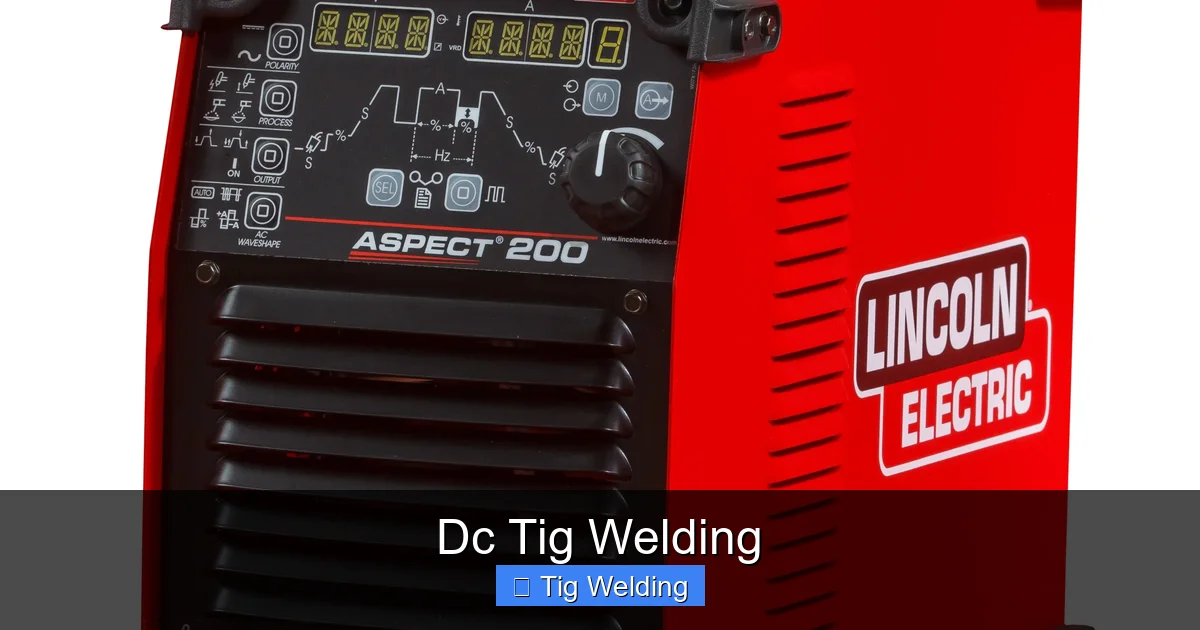
TIG stands for Tungsten Inert Gas welding, also known as GTAW (Gas Tungsten Arc Welding). It uses a non-consumable tungsten electrode to produce an arc that melts the base metal. The process is shielded by inert gases like argon or helium to prevent contamination.
Visual guide about Dc Tig Welding
Image source: metronwelding.ie
DC TIG welding means the power supply delivers direct current, either in the negative or positive direction, depending on the application. This consistency provides a stable arc and better control over the weld process, especially on certain metals.
AC vs. DC TIG Welding
While AC (Alternating Current) TIG welding is often used for aluminum, DC TIG is preferred for metals like stainless steel, carbon steel, and copper. AC fluctuates between positive and negative, which helps clean the oxide layers on aluminum, but DC offers smoother, more controlled welds on other metals.
How Does DC TIG Welding Work?
The Role of Direct Current
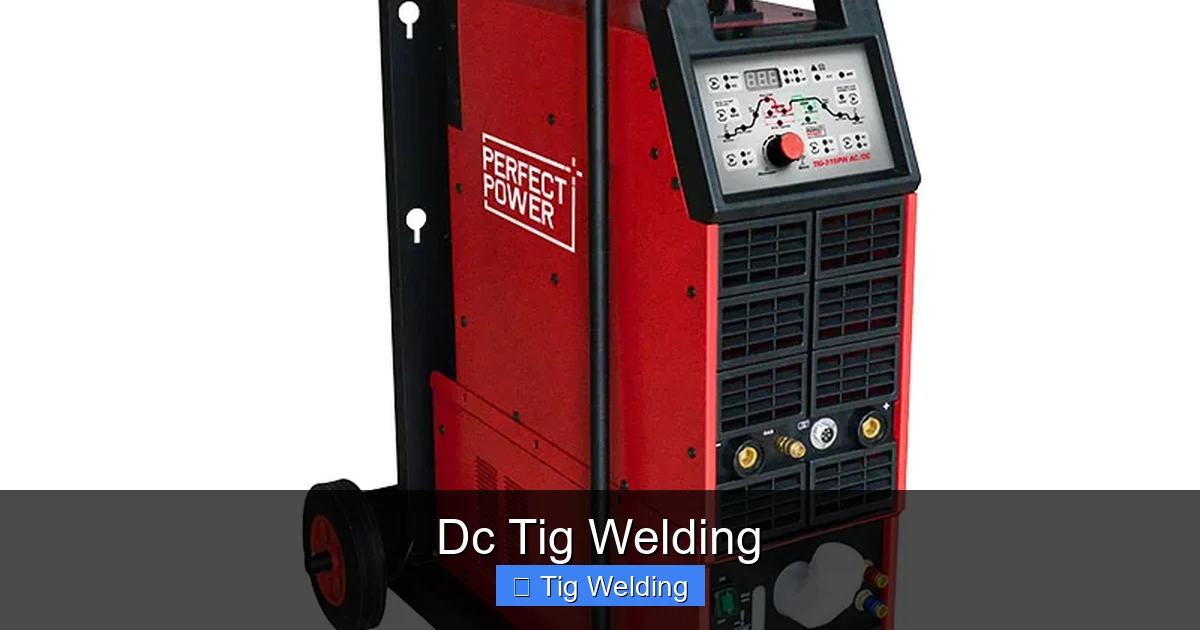
In DC TIG welding, the electrical current flows in one direction. Typically, the electrode is connected to the negative terminal (DCEN), and the workpiece to the positive. This creates a concentrated arc directly on the workpiece, providing deep penetration and a stable arc.
Visual guide about Dc Tig Welding
Image source: perfectwelders.com
The stable arc allows for precise control, making it easier to weld thin materials or intricate joints. The heat is concentrated at the electrode tip, which melts the filler rod and base metal simultaneously.
Welding Process Step-by-Step
- Preparation: Clean the metal surface thoroughly to remove rust, oil, or dirt.
- Setup: Select the appropriate tungsten electrode, filler rod, and shielding gas.
- Adjust settings: Set your power supply to the correct DC amperage based on material thickness.
- Start welding: Hold the torch at a consistent angle, usually around 70-80°, and maintain a steady travel speed.
- Finish: Ensure proper cooling and inspect the weld for quality.
Benefits of DC TIG Welding
High-Quality, Precise Welds
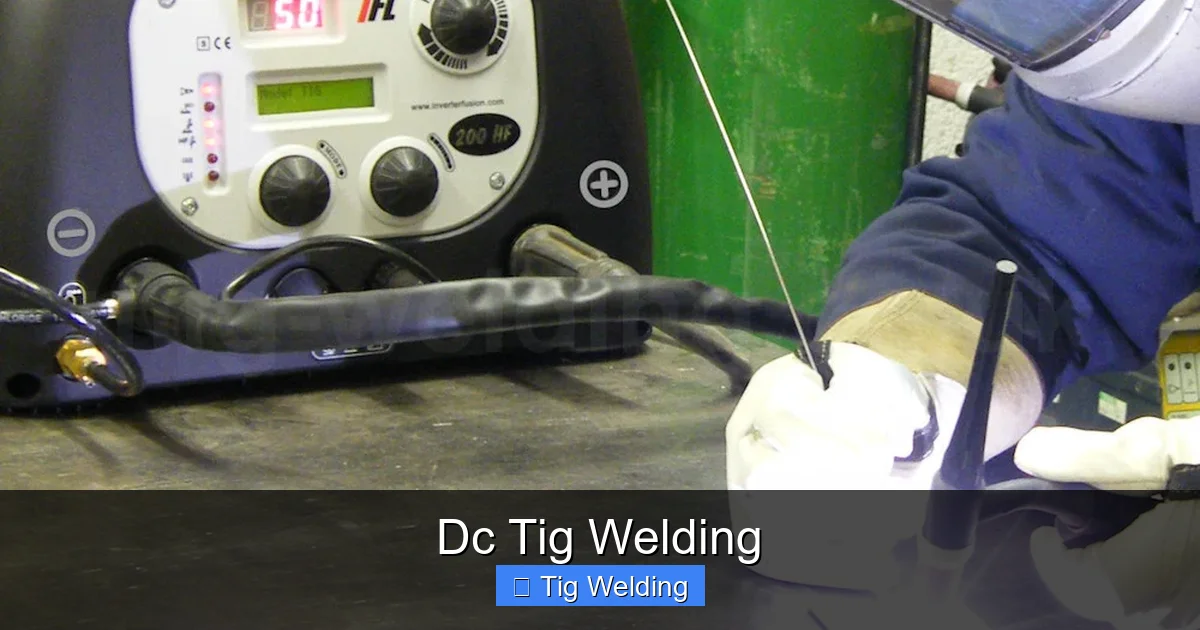
DC TIG welding produces smooth, clean welds with minimal spatter. Its precision makes it perfect for delicate or detailed work, like jewelry or aerospace components.
Visual guide about Dc Tig Welding
Image source: mig-welding.co.uk
Versatility with Metals
It is highly effective for welding various metals, including stainless steel, mild steel, copper, and certain alloys. Its ability to produce high-quality welds on thin materials is a significant advantage.
Better Control and Consistency
The stable arc and adjustable settings allow welders to control heat input and penetration, leading to consistent results every time.
Less Post-Weld Cleanup
Because of the clean welds with minimal spatter, there’s less grinding and polishing needed afterward, saving time and effort.
Equipment Needed for DC TIG Welding
Power Supply
A dedicated DC TIG welding machine is essential. Look for one with adjustable amperage, good duty cycle, and reliable arc stability.
Tungsten Electrode
The choice of tungsten depends on the metal and current. Common types include thoriated, lanthanated, and ceriated electrodes.
Filler Metal
Use compatible filler rods suitable for the base metal. For instance, ER308L for stainless steel or ER70S-2 for mild steel.
Shielding Gas
Pure argon is most common, but helium or a mixture can be used for specific applications, providing different arc characteristics and heat input.
Additional Accessories
- Welding torch: Handheld and comfortable with good gas flow control.
- Regulators and flow meters: To control shielding gas flow accurately.
- Protective gear: Welding helmet, gloves, and protective clothing for safety.
Practical Tips for Successful DC TIG Welding
Choose the Right Tungsten Electrode
Use thoriated tungsten for high current applications, but consider ceriated or lanthanated for cleaner, safer options. Maintain a sharp tip for better arc control.
Maintain Proper Gas Flow
Ensure a steady flow of shielding gas—typically around 15-20 cubic feet per hour—to prevent contamination and porosity in your welds.
Control Your Speed and Angle
Maintain a consistent travel speed and keep the torch at the correct angle. Too fast or too slow can affect weld quality.
Practice Suitable Filler Metal Application
Introduce filler metal smoothly into the weld pool, keeping a steady hand and feeding at a consistent rate.
Focus on Cleanliness
Always clean your workpiece thoroughly before welding to avoid impurities that can weaken the weld.
Applications of DC TIG Welding
DC TIG welding is used across many industries, including:
- Automotive: For precise welds on car bodies and exhaust systems.
- Jewelry and Art: For delicate, decorative pieces requiring fine detail.
- Industrial Fabrication: For pipelines, tanks, and structural components.
- Aerospace: For high-strength, reliable welds on critical parts.
Its versatility and quality make it a top choice for any project needing precision and durability.
Conclusion
DC TIG welding is a powerful technique that offers excellent control, clean welds, and versatility across many metals. While it requires some skill and proper equipment, the results are well worth the effort. Whether you’re a hobbyist or a professional, mastering DC TIG welding will open up new possibilities for your projects. Practice, patience, and attention to detail are the keys to success with this precise welding method.
Get Started Today!
If you’re ready to take your welding skills to the next level, invest in a quality DC TIG welder and start practicing. The more you learn and refine your technique, the better your welds will become. Remember, safety first—always use appropriate protective gear and work in a safe environment. Happy welding!
Frequently Asked Questions
What is the advantage of using DC TIG welding over other welding methods?
DC TIG welding offers superior control, produces clean, precise welds, and is versatile for a variety of metals. Its stability reduces defects and post-weld cleanup.
Can I use the same tungsten electrode for all metals?
No. Different metals require specific tungsten types and sizes. For example, thoriated tungsten is common for high-current steel welding, while lanthanated is better for aluminum at lower currents.
How do I prevent porosity in my welds?
Ensure proper shielding gas flow, clean your workpiece thoroughly, and maintain steady torch movement to prevent contamination and porosity.
What safety precautions should I take with DC TIG welding?
Always wear a welding helmet, gloves, and protective clothing. Work in a well-ventilated area and ensure all equipment is properly grounded.
How can I improve my TIG welding skills?
Practice consistently, focus on electrode and torch angle, control your travel speed, and seek feedback or training from experienced welders.
