
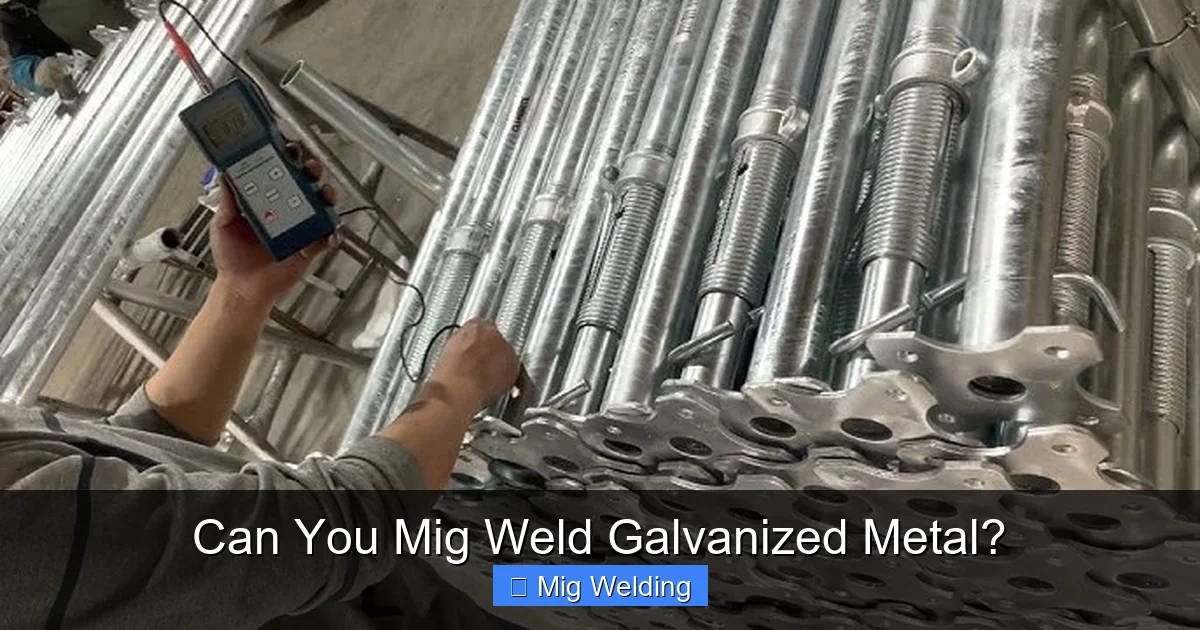
Yes, you can MIG weld galvanized metal, but it requires special precautions due to the zinc coating. Proper ventilation, surface prep, and safety gear are essential to avoid inhaling harmful fumes and ensure strong, clean welds.
Key Takeaways
- Galvanized metal can be MIG welded—but the zinc coating must be removed from the weld zone to prevent toxic fumes and weak joints.
- Always wear proper PPE, including a respirator rated for metal fumes, gloves, and eye protection.
- Work in a well-ventilated area or use fume extraction to reduce exposure to zinc oxide fumes.
- Grind or wire brush the zinc coating at least 1 inch around the weld area before welding.
- Use a lower voltage and faster travel speed to minimize zinc burn-off and spatter.
- Post-weld treatment is recommended—apply a zinc-rich paint or spray to restore corrosion resistance.
- Never weld galvanized metal without precautions—zinc fumes can cause “metal fume fever,” a serious health risk.
Can You MIG Weld Galvanized Metal?
Yes, you can MIG weld galvanized metal—but it’s not as simple as welding bare steel. The zinc coating that protects galvanized metal from rust also creates challenges during welding. When heated, zinc vaporizes and releases toxic fumes that can be harmful if inhaled. However, with the right preparation, equipment, and safety measures, MIG welding galvanized steel is not only possible but can produce strong, durable welds.
In this guide, you’ll learn how to safely and effectively MIG weld galvanized metal. We’ll cover why the zinc coating is a problem, how to prepare the metal, the best welding settings, and how to protect yourself and your workpiece. Whether you’re repairing a fence, building a trailer, or fixing farm equipment, this step-by-step guide will help you get professional results without compromising safety.
Why Galvanized Metal Is Tricky to Weld
Visual guide about Can You Mig Weld Galvanized Metal?
Image source: weldgallery.com
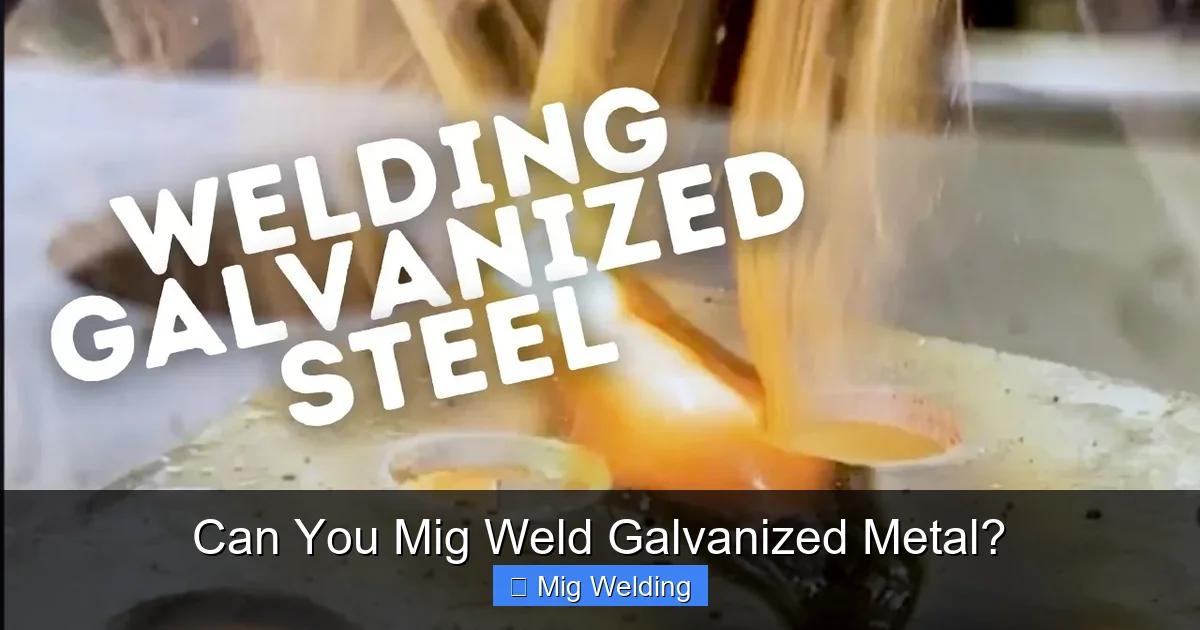
Galvanized metal is steel coated with a layer of zinc to prevent rust and corrosion. While this coating is great for longevity, it becomes a hazard during welding. When the welding arc heats the zinc, it vaporizes at a lower temperature than the steel melts. This creates zinc oxide fumes—tiny particles that, when inhaled, can cause “metal fume fever.” Symptoms include fever, chills, nausea, and fatigue, often appearing a few hours after exposure.
Beyond health risks, the zinc coating can also weaken your weld. As the zinc vaporizes, it can get trapped in the weld pool, causing porosity, cracking, or poor fusion. This leads to weak, brittle joints that may fail under stress. That’s why proper surface preparation is critical before you strike an arc.
Safety First: Protect Yourself from Zinc Fumes
Visual guide about Can You Mig Weld Galvanized Metal?
Image source: i.ytimg.com
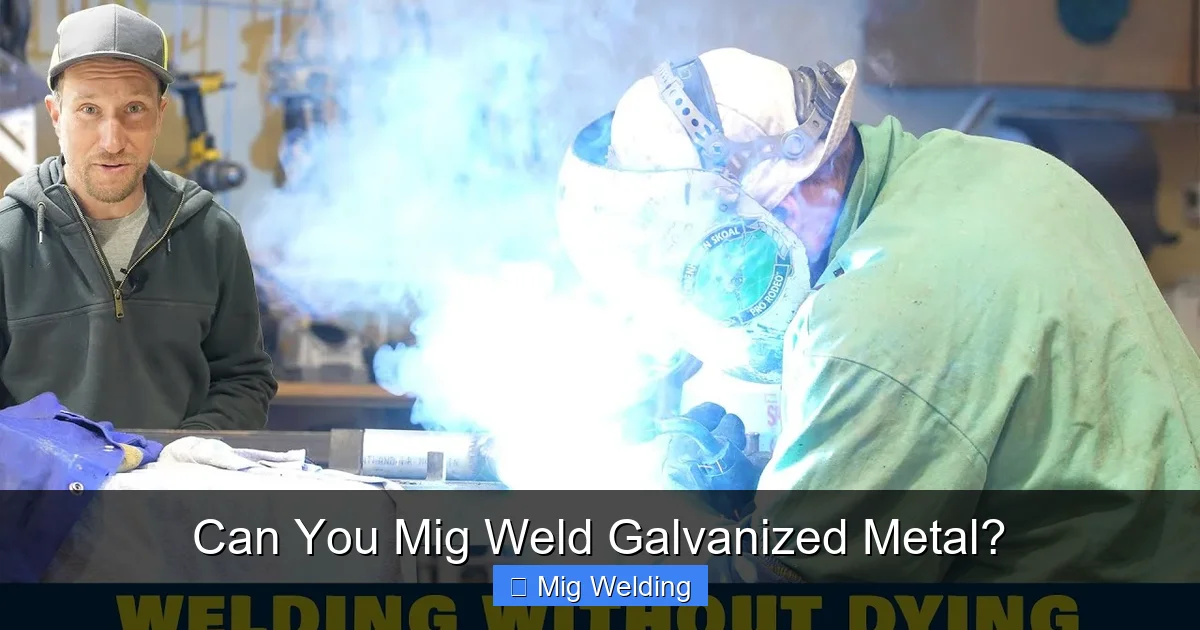
Before you even think about welding, safety must be your top priority. Welding galvanized metal without protection is dangerous and should never be done in enclosed spaces.
Wear the Right Personal Protective Equipment (PPE)
- Respirator: Use a respirator with a P100 filter or a powered air-purifying respirator (PAPR) rated for metal fumes. A simple dust mask won’t cut it.
- Welding helmet: Choose one with auto-darkening lenses to protect your eyes from UV radiation.
- Gloves and sleeves: Wear flame-resistant welding gloves and long sleeves to protect your skin from sparks and UV exposure.
- Welding jacket: A leather or flame-resistant jacket adds an extra layer of protection.
Ensure Proper Ventilation
Work in a well-ventilated area, preferably outdoors or in a shop with open doors and windows. If you’re indoors, use a fume extractor or exhaust fan to pull fumes away from your breathing zone. Never weld galvanized metal in a confined space without mechanical ventilation.
Step-by-Step Guide to MIG Welding Galvanized Metal
Now that you’re prepared, let’s walk through the process of MIG welding galvanized steel safely and effectively.
Step 1: Remove the Zinc Coating
The most important step is removing the zinc from the weld area. You don’t need to strip the entire piece—just the zones where the arc will hit.
- Use a wire brush or angle grinder with a flap disc to clean the surface.
- Remove the coating at least 1 inch (2.5 cm) on either side of the intended weld line.
- Make sure the metal is shiny and free of residue. Any remaining zinc will vaporize and contaminate the weld.
Tip: If you’re welding a large area, consider using a chemical zinc remover, but always follow the manufacturer’s instructions and rinse thoroughly.
Step 2: Set Up Your MIG Welder
Proper machine settings help minimize zinc burn-off and improve weld quality.
- Wire type: Use ER70S-6 mild steel wire. Avoid flux-cored wires unless you’re welding outdoors—they can increase fume production.
- Shielding gas: Use a 75% argon / 25% CO2 mix (C25). This provides good arc stability and reduces spatter.
- Voltage and wire speed: Start with a lower voltage setting than you’d use for bare steel—about 18–20 volts for 1/8-inch material. Increase wire feed speed slightly to maintain a short, fast arc.
Example: For 1/8-inch (3mm) galvanized steel, try 19 volts and a wire speed of 300–350 inches per minute (IPM). Adjust based on your machine and material thickness.
Step 3: Tack Weld First
Before making a full weld, tack the pieces together to hold them in place. This ensures alignment and prevents warping.
- Make short tacks every 6–8 inches along the joint.
- Keep tacks small to reduce heat input and zinc vaporization.
- Inspect the tacks—if they’re porous or cracked, recheck your surface prep and settings.
Step 4: Weld with a Fast Travel Speed
When welding, use a fast travel speed and a slight push angle (10–15 degrees). This helps reduce heat buildup and limits zinc burn-off.
- Maintain a consistent arc length—too long and you’ll get spatter; too short and you risk sticking the wire.
- Watch for a smooth, steady bead with minimal spatter.
- If you see excessive smoke or spatter, reduce voltage or increase travel speed.
Pro Tip: Use a “stitch welding” technique for long seams—weld 2–3 inches, skip ahead, then return to fill gaps. This reduces overall heat and distortion.
Step 5: Clean the Weld Area After Welding
After welding, the surrounding zinc coating may be damaged or burned off. This leaves the steel vulnerable to rust.
- Use a wire brush to remove any slag or spatter.
- Inspect the weld for porosity or cracks. If you find defects, grind them out and reweld.
- Apply a zinc-rich paint or cold galvanizing spray to the weld and nearby areas. This restores corrosion protection.
Recommended Product: Look for sprays like “ZRC” or “Cold Galvanizing Compound” that contain at least 90% zinc dust.
Troubleshooting Common Problems
Even with careful prep, issues can arise. Here’s how to fix the most common problems when MIG welding galvanized metal.
Porosity in the Weld
Cause: Trapped zinc vapor or moisture in the joint.
Solution: Ensure the zinc is completely removed. Preheat slightly to drive off moisture. Use dry filler wire and fresh gas.
Excessive Spatter
Cause: High voltage, long arc length, or dirty metal.
Solution: Lower voltage, shorten arc length, and clean the base metal thoroughly.
Weak or Cracked Welds
Cause: Poor fusion due to zinc contamination or too much heat.
Solution: Re-grind the joint, reduce heat input, and use a backstep welding technique to control cooling.
Metal Fume Fever Symptoms
Cause: Inhaling zinc oxide fumes.
Solution: Stop welding immediately. Move to fresh air, drink milk or water, and seek medical attention if symptoms persist.
Final Thoughts: Is It Worth It?
MIG welding galvanized metal is absolutely possible—and often necessary for repairs and fabrication. While the zinc coating adds complexity, the key is preparation and safety. By removing the coating, using the right settings, and protecting yourself from fumes, you can produce strong, clean welds that last.
Remember: never skip the prep work or safety gear. The few extra minutes spent grinding and setting up can prevent serious health risks and costly weld failures. And always finish with a protective coating to keep your work rust-free.
With practice, welding galvanized steel becomes second nature. Whether you’re a hobbyist or a professional, these techniques will help you tackle galvanized projects with confidence.
