
You can MIG weld aluminum without a spool gun, but it requires careful setup and technique. This guide walks you through the process using a push-pull method or modified wire feeder, proper shielding gas, and clean materials for strong, clean welds.
Key Takeaways
- Spool guns aren’t mandatory: You can MIG weld aluminum without a spool gun by using a push-pull wire feeder or modifying your existing MIG setup.
- Use the right wire: Always use aluminum-specific MIG wire (like ER4043 or ER5356) designed for smooth feeding and clean welds.
- Shielding gas matters: Pure argon (100%) is essential for aluminum MIG welding to prevent oxidation and ensure proper arc stability.
- Cleanliness is critical: Aluminum oxidizes quickly—clean the base metal and wire thoroughly before welding to avoid contamination.
- Wire feed speed and tension: Adjust your machine settings carefully; too much tension can deform soft aluminum wire and cause feeding issues.
- Push technique only: Always push the gun away from the weld pool—never drag—to reduce spatter and improve penetration.
- Practice makes perfect: Aluminum welding is tricky—start with scrap pieces to dial in settings and build confidence.
Can You MIG Weld Aluminum Without a Spool Gun?
If you’re wondering whether you can MIG weld aluminum without a spool gun, the short answer is yes—but it’s not as simple as swapping out steel wire for aluminum. Aluminum is a soft, sticky metal that’s prone to birdnesting, poor feeding, and contamination. That’s why many welders assume a spool gun is required. However, with the right setup, technique, and patience, you can successfully MIG weld aluminum using your standard machine—no spool gun needed.
In this guide, you’ll learn exactly how to do it. We’ll cover the equipment you need, how to set up your MIG welder, best practices for feeding aluminum wire, and tips to avoid common pitfalls. Whether you’re working on a DIY project or repairing aluminum parts at home, this method can save you money and expand your welding capabilities.
Why Aluminum Is Tricky to MIG Weld
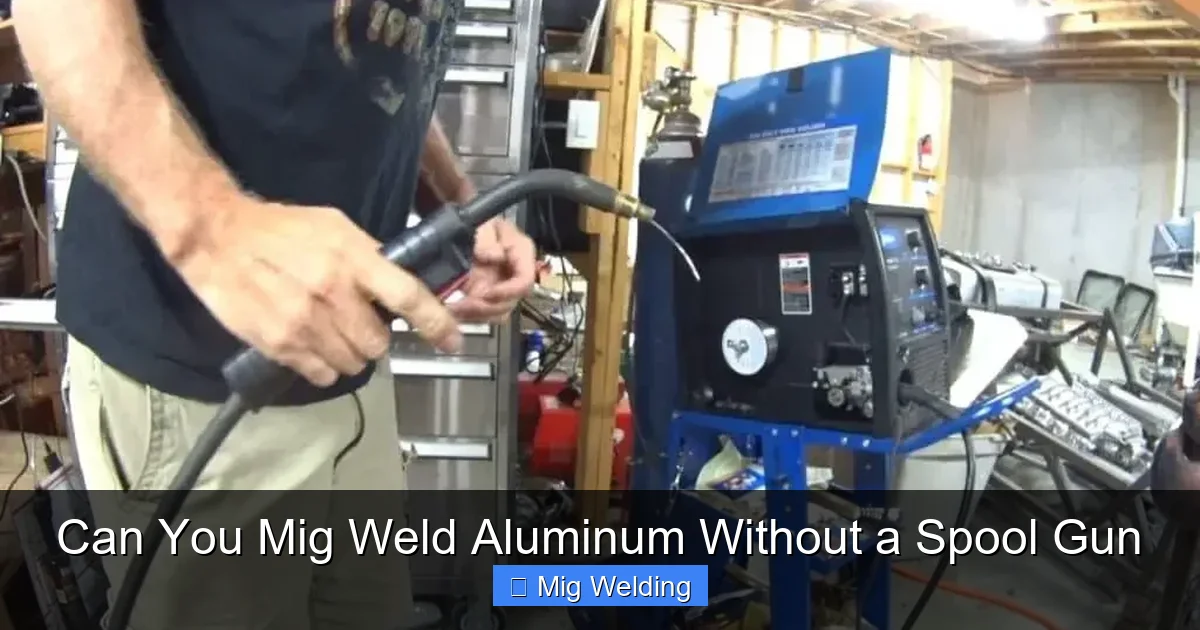
Visual guide about Can You Mig Weld Aluminum Without a Spool Gun
Image source: weldgears.com
Before diving into the how-to, it helps to understand why aluminum is more challenging than steel. Unlike steel, aluminum wire is soft and flexible. It can easily kink, flatten, or tangle inside the liner of a standard MIG gun. This leads to feeding problems like birdnesting—where the wire jams inside the gun—and inconsistent arc performance.
Additionally, aluminum oxidizes rapidly when exposed to air. This oxide layer has a much higher melting point than the base metal, which can cause poor fusion and weak welds if not removed. Finally, aluminum conducts heat quickly, meaning it requires precise heat control to avoid burn-through or lack of penetration.
These challenges are why many professionals use spool guns—they keep the wire close to the weld area, reducing feeding distance and minimizing jams. But if you don’t have one, don’t worry. With a few smart adjustments, you can still get great results.
What You’ll Need
Visual guide about Can You Mig Weld Aluminum Without a Spool Gun
Image source: welditu.com
To MIG weld aluminum without a spool gun, you’ll need the following:
- MIG welder with adjustable voltage and wire speed: Most modern MIG machines can handle aluminum with the right settings.
- Aluminum MIG wire (ER4043 or ER5356): These are the most common alloys. ER4043 is more fluid and forgiving; ER5356 is stronger and better for structural work.
- 100% argon shielding gas: Never use CO2 or mixed gases—they’ll contaminate the weld.
- Aluminum-specific MIG gun and liner: A Teflon or plastic liner reduces friction and helps the soft wire feed smoothly.
- Push-pull wire feeder (optional but helpful): This device pulls the wire from the spool and pushes it through the gun, reducing strain.
- Cleaning tools: A stainless steel wire brush (dedicated to aluminum only) and acetone or alcohol for degreasing.
- Safety gear: Auto-darkening helmet, gloves, and proper ventilation.
Step-by-Step: How to MIG Weld Aluminum Without a Spool Gun
Step 1: Prepare Your Workpiece
Cleanliness is non-negotiable with aluminum. Start by removing any paint, oil, grease, or dirt from the surface. Use acetone or a dedicated aluminum cleaner and a clean rag. Then, use a stainless steel wire brush to scrub the area you’ll be welding. This removes the oxide layer that forms naturally on aluminum.
Important: Never use a wire brush that’s been used on steel—cross-contamination will ruin your weld. Keep a brush just for aluminum.
Let the metal dry completely before welding. Even moisture can cause porosity in the weld.
Step 2: Choose the Right Wire and Set Up Your Machine
Load your aluminum wire spool into the welder. Make sure the spool spins freely—tight spools can cause feeding issues. Use a plastic or Teflon liner in your MIG gun, as metal liners can damage soft aluminum wire.
If your machine has a standard steel liner, consider replacing it. The smoother interior of a Teflon liner reduces friction and helps prevent birdnesting.
Next, adjust your wire feed tension. Aluminum wire is soft, so too much tension will flatten or deform it. Start with the lowest tension setting and increase slightly until the wire feeds smoothly. Test by feeding wire into a bucket—there should be no kinks or bends.
Step 3: Set the Correct Welding Parameters
Aluminum requires higher voltage and wire speed than steel. A good starting point is:
- Voltage: 18–22 volts (depending on thickness)
- Wire speed: 300–500 inches per minute (IPM)
Use a MIG welding chart specific to aluminum as a reference. Thinner materials need lower heat to avoid burn-through; thicker pieces need more.
Set your welder to DCEN (direct current electrode negative), which is standard for MIG welding aluminum.
Step 4: Use the Right Technique
Always use a push technique—point the gun away from the weld pool and push it forward. This helps the shielding gas protect the molten metal and reduces spatter.
Hold the gun at a 10–15 degree angle and maintain a short arc length. Keep the nozzle close to the workpiece (about ½ inch) to ensure proper gas coverage.
Move steadily and smoothly. Aluminum welds best with a consistent travel speed—too slow causes burn-through; too fast leads to lack of fusion.
Step 5: Post-Weld Cleaning and Inspection
After welding, let the weld cool naturally. Do not quench it with water—this can cause cracking.
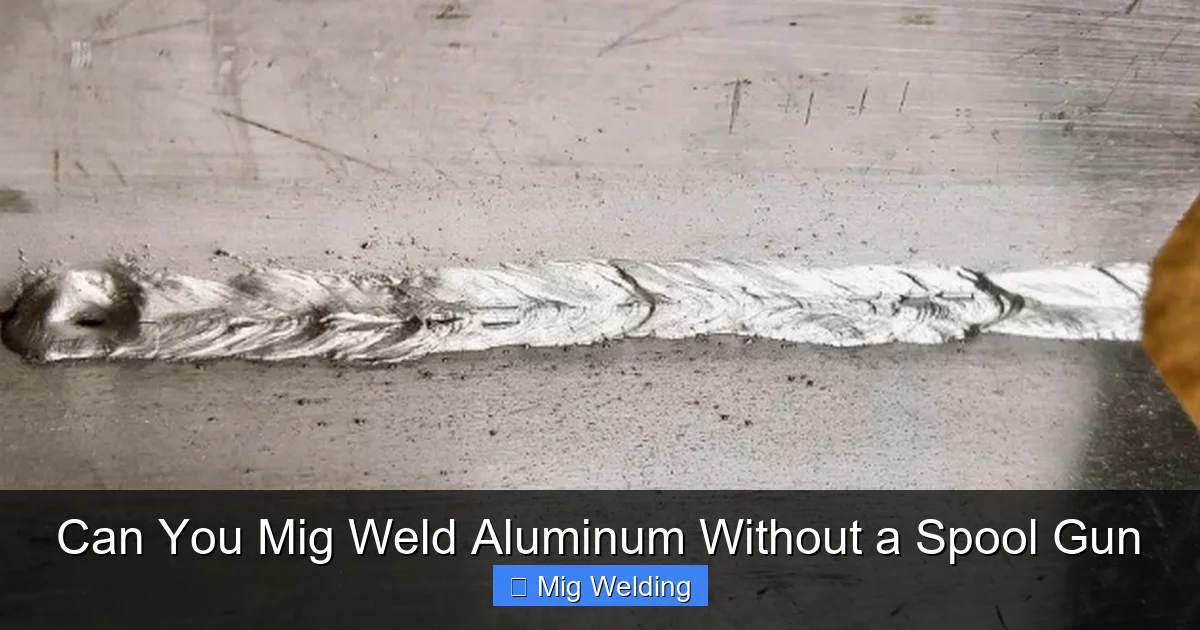
Once cool, inspect the weld for signs of porosity, cracks, or lack of fusion. A good aluminum weld should be shiny and smooth. If it’s dull or pitted, you likely had contamination or improper gas coverage.
Clean the weld with your stainless steel brush to remove any surface oxidation.
Troubleshooting Common Problems
Birdnesting or Wire Jams
This is the most common issue when welding aluminum without a spool gun. It happens when the wire kinks or binds in the liner.
Solutions:
- Check wire tension—reduce it if too tight.
- Ensure the liner is clean and undamaged.
- Use a shorter liner or a push-pull feeder to reduce feeding distance.
- Make sure the spool spins freely.
Poor Arc Start or Inconsistent Weld
If the arc is unstable or the wire doesn’t feed smoothly, check:
- Wire feed speed—increase slightly if the wire curls up.
- Voltage—too low causes poor penetration; too high causes spatter.
- Gas flow—set to 20–25 CFH for proper coverage.
Porosity in the Weld
Porosity (tiny holes in the weld) is usually caused by contamination or poor gas shielding.
How to fix it:
- Clean the base metal and wire thoroughly.
- Ensure your gas cylinder is full and the regulator is working.
- Check for drafts—argon is heavier than air and can be blown away.
- Use a gas lens or longer nozzle for better coverage.
Tips for Success
- Practice on scrap aluminum first. Dial in your settings before welding your actual project.
- Use a push-pull feeder if possible. It greatly improves wire feeding reliability.
- Keep your gun liner short. The shorter the distance the wire travels, the less chance of jamming.
- Preheat thick aluminum. For pieces over ¼ inch, preheating to 300–400°F helps with penetration and reduces cracking.
- Store aluminum wire properly. Keep it in a dry, sealed container to prevent moisture absorption.
Conclusion
So, can you MIG weld aluminum without a spool gun? Absolutely. While a spool gun makes the process easier and more reliable, it’s not the only way. With the right wire, proper gas, clean materials, and careful machine setup, you can produce strong, clean aluminum welds using your standard MIG welder.
The key is patience and attention to detail. Aluminum demands respect—cleanliness, correct settings, and smooth wire feeding are essential. Start with small projects, practice your technique, and gradually take on more complex jobs.
By following this guide, you’ll expand your welding skills and save money by avoiding the cost of a spool gun. Whether you’re fixing a trailer, building a custom frame, or just experimenting in the garage, MIG welding aluminum without a spool gun is a valuable skill that’s well within reach.
