

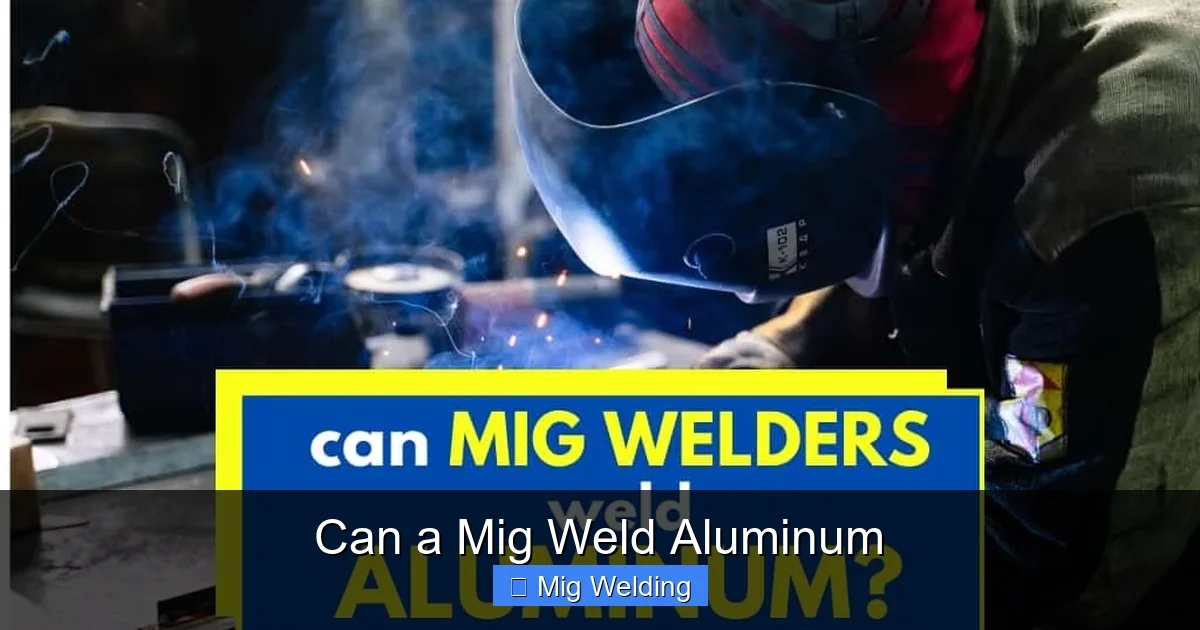
Yes, you can MIG weld aluminum, but it requires the right equipment, settings, and techniques. This guide walks you through everything you need to know—from choosing the correct wire and gas to troubleshooting common issues—so you can achieve strong, clean welds on aluminum with confidence.
Key Takeaways
- Aluminum can be MIG welded with the right setup, including a spool gun or push-pull system to prevent wire feeding issues.
- Use 100% argon shielding gas—never mix it with CO2—to protect the weld pool and prevent contamination.
- Choose the correct filler wire, typically ER4043 or ER5356, depending on the base metal and application.
- Clean the aluminum thoroughly before welding to remove oxides and oils that can ruin the weld.
- Preheat thick aluminum (over 1/4 inch) to reduce cracking and improve penetration.
- Use a push technique and maintain a consistent travel speed for smooth, even beads.
- Troubleshoot common problems like porosity, burn-through, and poor fusion with simple adjustments.
Can a MIG Weld Aluminum? A Complete How-To Guide
If you’ve ever wondered, “Can a MIG weld aluminum?” the short answer is yes—but it’s not as simple as welding steel. Aluminum has unique properties that make it more challenging, especially when using MIG (Metal Inert Gas) welding. However, with the right tools, techniques, and preparation, you can produce strong, professional-quality aluminum welds at home or in the shop.
In this guide, you’ll learn everything you need to know about MIG welding aluminum, from equipment requirements to step-by-step instructions and troubleshooting tips. Whether you’re a beginner or an experienced welder, this guide will help you master the art of welding aluminum with confidence.
Why Aluminum Is Tricky to Weld
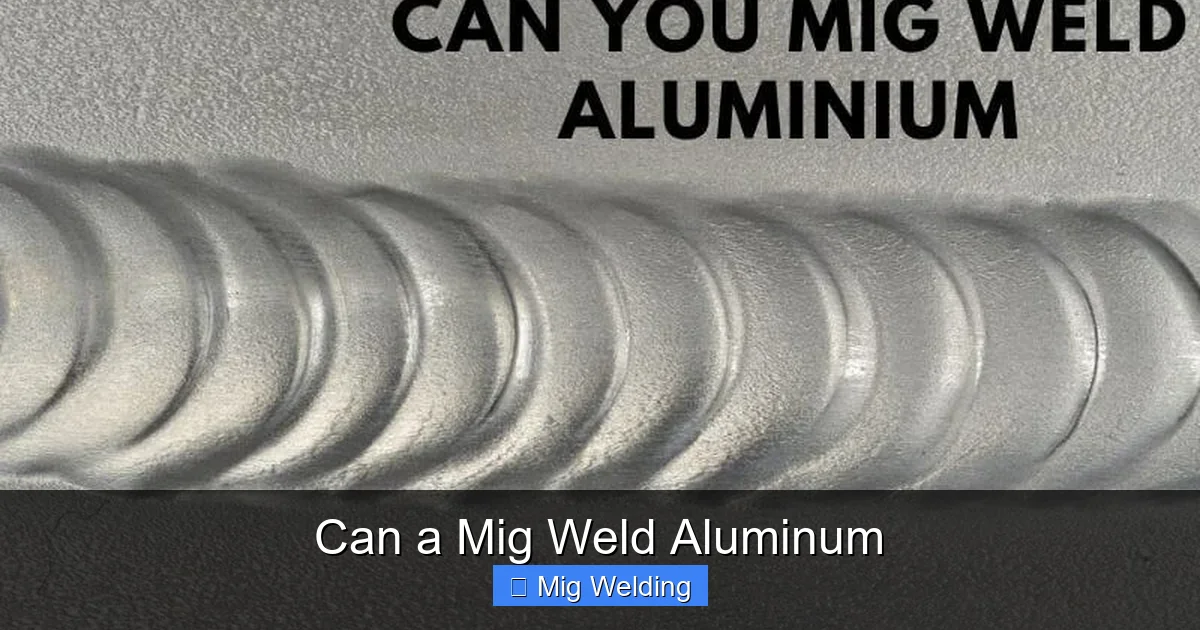
Visual guide about Can a Mig Weld Aluminum
Image source: electronicshub.org
Before diving into the how-to, it’s important to understand why aluminum behaves differently than steel during welding. Aluminum has a low melting point (around 1,220°F), high thermal conductivity, and forms a tough oxide layer when exposed to air. This oxide layer melts at a much higher temperature than the base metal, which can trap contaminants and lead to weak, porous welds.
Additionally, aluminum wire is softer and more prone to birdnesting—when the wire jams in the liner—making it difficult to feed through a standard MIG gun. These challenges mean you can’t just swap out your steel wire and start welding aluminum. You’ll need to adjust your setup and technique.
Essential Equipment for MIG Welding Aluminum
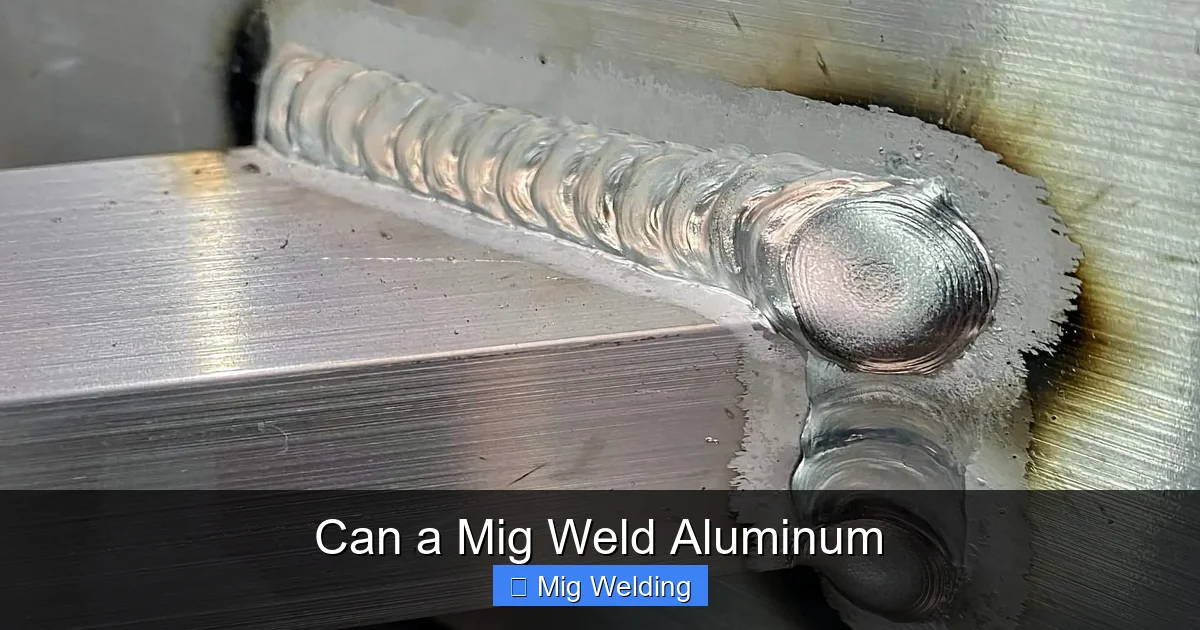
Visual guide about Can a Mig Weld Aluminum
Image source: weldguru.com
To successfully MIG weld aluminum, you’ll need more than just a standard MIG welder. Here’s what you’ll need:
1. A MIG Welder with AC/DC Capability (or DC with Pulse)
Most standard MIG welders run on DC (Direct Current), which works well for steel but isn’t ideal for aluminum. Aluminum welding benefits from AC (Alternating Current) or pulsed DC, which helps break through the oxide layer. While true AC MIG welders are rare, many modern machines offer pulse MIG modes that simulate AC-like cleaning action.
If you don’t have a pulse MIG welder, you can still weld aluminum with DC, but you’ll need extra care in cleaning and technique.
2. Spool Gun or Push-Pull System
Aluminum wire is soft and bends easily, so feeding it through a long liner can cause birdnesting. A spool gun mounts directly on the MIG gun and holds a small spool of wire, eliminating feeding issues. Alternatively, a push-pull system uses a motor in the gun to pull the wire while the welder pushes it, reducing friction.
For occasional aluminum welding, a spool gun is the most affordable and effective solution.
3. 100% Argon Shielding Gas
Never use CO2 or argon-CO2 mixes when welding aluminum. CO2 reacts with aluminum and causes porosity and brittleness. Use 100% argon at a flow rate of 20–30 CFH (cubic feet per hour). A flow meter and regulator are essential to maintain consistent gas coverage.
4. Correct Filler Wire
The two most common aluminum filler wires are:
– ER4043: Silicon-based, good for general-purpose welding, lower melting point, and less prone to cracking. Best for welding 6061 aluminum.
– ER5356: Magnesium-based, stronger and more ductile, ideal for structural applications and welding 5000-series aluminum.
Choose based on your base metal and strength requirements.
5. Clean Wire Feeder and Liner
Use a U-groove drive roll (not V-groove) to avoid crushing the soft aluminum wire. Replace your steel liner with a Teflon or plastic liner designed for aluminum to reduce friction.
Step-by-Step Guide to MIG Welding Aluminum
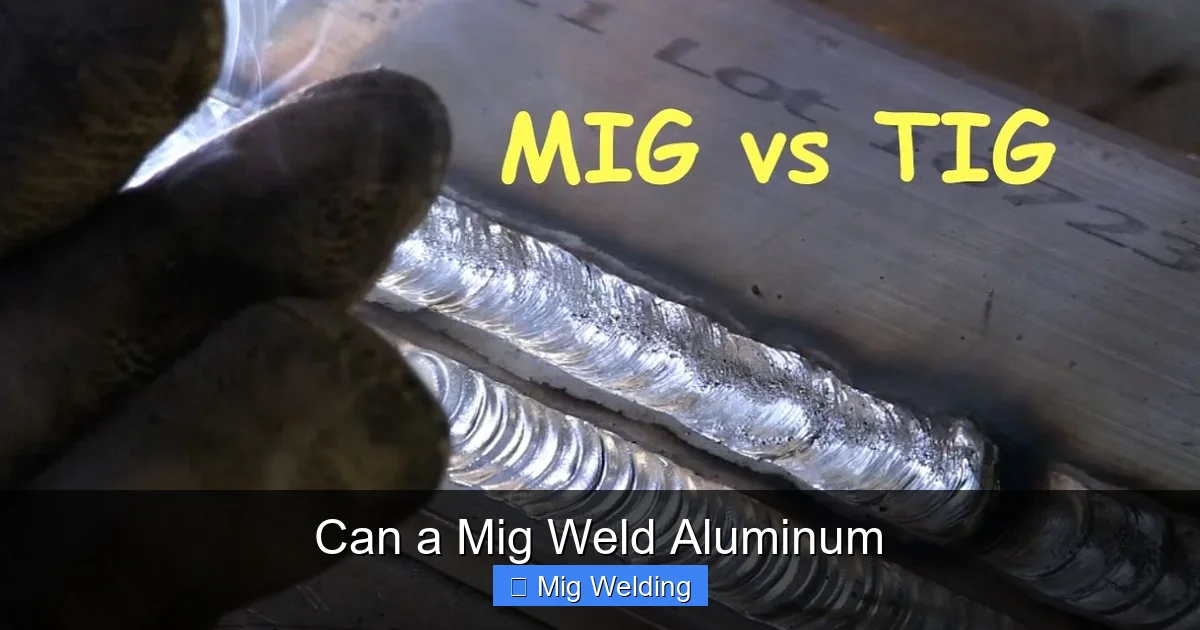
Visual guide about Can a Mig Weld Aluminum
Image source: i.ytimg.com
Now that you have the right equipment, let’s walk through the welding process.
Step 1: Prepare the Aluminum
Cleanliness is critical. Aluminum oxidizes quickly, and any oil, dirt, or oxide will ruin your weld.
– Use a stainless steel wire brush (dedicated to aluminum only) to scrub the surface.
– Wipe the area with acetone or a specialized aluminum cleaner to remove oils.
– Avoid touching the cleaned surface with bare hands—oils from your skin can contaminate the weld.
Step 2: Set Up Your Welder
– Install the aluminum wire into the spool gun or push-pull system.
– Replace the drive roll with a U-groove type.
– Install a Teflon or plastic liner if not already in place.
– Connect the 100% argon gas tank and set the flow rate to 20–30 CFH.
Step 3: Adjust Welding Parameters
Aluminum requires higher voltage and wire feed speed than steel. Start with these general settings (adjust based on material thickness):
| Thickness | Voltage (DC) | Wire Feed Speed (IPM) |
|———-|————–|————————|
| 1/8 inch | 18–20 V | 200–250 IPM |
| 1/4 inch | 20–22 V | 250–300 IPM |
| 3/8 inch | 22–24 V | 300–350 IPM |
Use a push technique (gun pointed in the direction of travel) to improve gas coverage and penetration.
Step 4: Preheat Thick Aluminum (Optional)
For aluminum over 1/4 inch thick, preheating to 300–400°F reduces thermal shock and prevents cracking. Use a torch or preheating blanket.
Step 5: Start Welding
– Hold the gun at a 10–15 degree angle, pushing the weld.
– Maintain a short arc length—too long and you’ll lose shielding gas.
– Move steadily; too slow causes burn-through, too fast leads to lack of fusion.
– Watch for a smooth, shiny bead with minimal spatter.
Step 6: Post-Weld Cleaning
After welding, brush the weld with a stainless steel brush to remove any surface oxides. This improves appearance and corrosion resistance.
Troubleshooting Common Aluminum MIG Welding Problems
Even with the best setup, issues can arise. Here’s how to fix the most common problems:
Porosity (Air Pockets in the Weld)
Cause: Contamination, poor gas coverage, or moisture.
Solution: Clean the metal thoroughly, check gas flow, and ensure the nozzle isn’t clogged. Store filler wire in a dry place.
Burn-Through
Cause: Too much heat or slow travel speed.
Solution: Reduce voltage or wire feed speed. Use a heat sink or backer bar to absorb excess heat.
Poor Fusion or Lack of Penetration
Cause: Insufficient heat or wrong technique.
Solution: Increase voltage slightly, ensure proper joint fit-up, and use the push technique.
Wire Feeding Problems (Birdnesting)
Cause: Wrong drive roll, liner, or tension.
Solution: Use U-groove drive rolls, Teflon liner, and proper tension. Avoid excessive bends in the gun cable.
Cracking
Cause: Rapid cooling, contamination, or wrong filler metal.
Solution: Preheat thick sections, use ER4043 for crack-prone alloys, and avoid quenching with water.
Tips for Success
– Practice on scrap aluminum before working on your project.
– Keep your welding area draft-free to protect the argon shield.
– Use a welding table with a non-conductive surface to avoid grounding issues.
– Store aluminum filler wire in a sealed container with desiccant to prevent moisture absorption.
Conclusion
So, can a MIG weld aluminum? Absolutely—but success depends on using the right equipment, proper preparation, and correct technique. While aluminum is more finicky than steel, the results are worth the effort. With a spool gun, 100% argon, clean materials, and the right settings, you can produce strong, clean aluminum welds for automotive, marine, or fabrication projects.
Don’t be discouraged by initial challenges. Every welder struggles with aluminum at first. With practice and patience, you’ll master the process and expand your welding capabilities. Now grab your gear, clean that aluminum, and start welding with confidence!
