
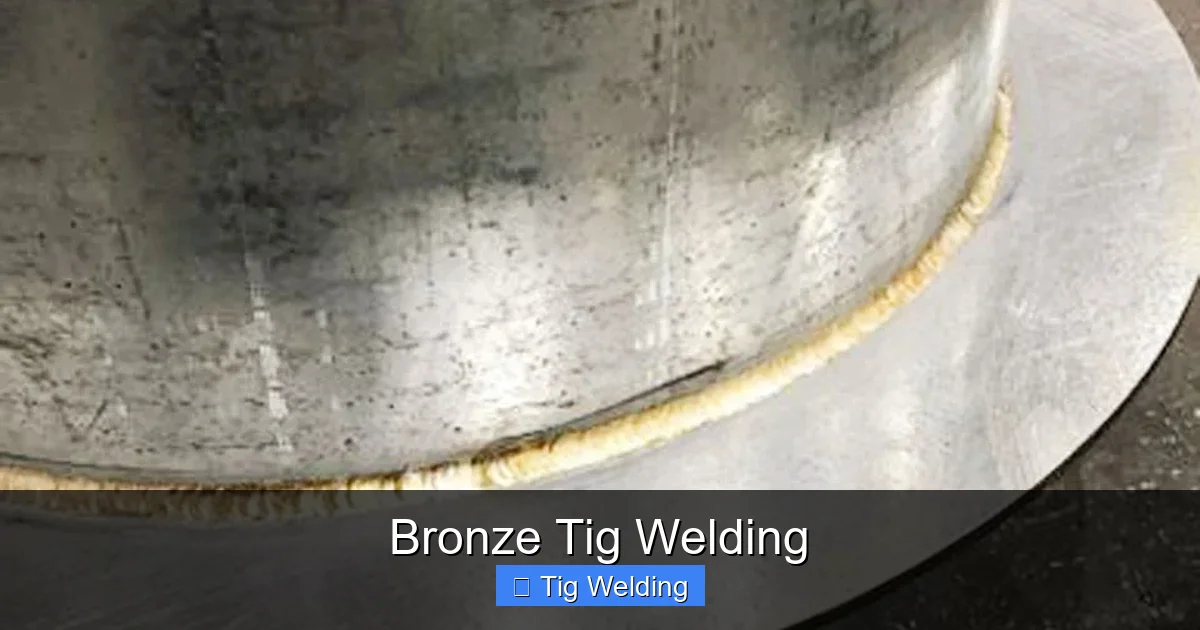
Bronze TIG welding is a versatile and reliable method for joining bronze and other metals. It offers excellent strength and corrosion resistance, making it ideal for many industrial and artistic projects. Mastering this technique can enhance your welding skills and expand your project possibilities.
Key Takeaways
- Versatility: Bronze TIG welding can be used on various bronze alloys and other metals, offering flexibility for different projects.
- High-Quality Joints: Produces clean, precise welds with excellent strength and corrosion resistance.
- Preparation: Proper cleaning and fitting of materials are essential for optimal results.
- Technique: Maintaining the correct torch angle, filler rod, and consistent heat is key to successful bronze TIG welding.
- Equipment: Requires a TIG welder, compatible tungsten electrodes, and bronze filler rods.
- Applications: Widely used in marine, art, jewelry, and repair work due to its durability and aesthetic appeal.
Quick Answers to Common Questions
Question 1?
What is bronze TIG welding?
Bronze TIG welding is a precise welding process using a tungsten electrode to join bronze and similar metals, resulting in clean, strong, and corrosion-resistant joints.
Question 2?
What equipment do I need for bronze TIG welding?
You need a TIG welder capable of fine control, tungsten electrodes (thoriated, ceriated, or lanthanated), bronze filler rods, a protective helmet, gloves, and cleaning supplies.
Question 3?
How do I prepare bronze for welding?
Thoroughly clean the surface with a wire brush or abrasive pad, remove oxidation, grease, and paint to ensure a good, contamination-free weld.
Question 4?
What are common challenges in bronze TIG welding?
Common challenges include porosity, cracking, and oxidation. Proper cleaning, heat control, and technique help mitigate these issues.
Question 5?
What are typical applications of bronze TIG welding?
Bronze TIG welding is used in marine repairs, art and sculpture, jewelry making, and industrial repairs where strong, aesthetic, and corrosion-resistant joints are needed.
📑 Table of Contents
Introduction to Bronze TIG Welding
Imagine creating strong, beautiful welds on bronze parts that will last for decades. That’s what bronze TIG welding is all about. It’s a precise welding process that uses a tungsten electrode to produce clean, high-quality joints on bronze and similar metals.
Whether you’re repairing marine fittings, crafting artistic sculptures, or working on jewelry, mastering bronze TIG welding opens up a world of possibilities. It combines the advantages of TIG welding—such as control, minimal heat distortion, and beautiful finishes—with the unique properties of bronze alloys.
Understanding Bronze and Its Welding Challenges
What Is Bronze?
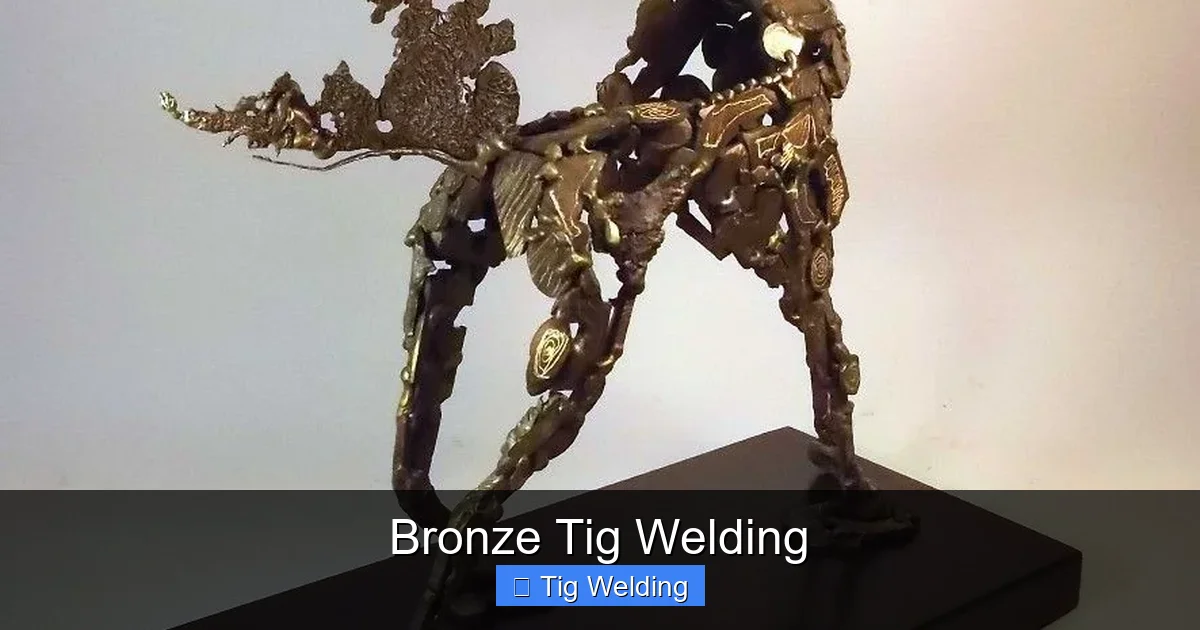
Bronze is an alloy primarily made of copper and tin, though it can contain other elements like phosphorus, aluminum, or silicon. It’s valued for its strength, corrosion resistance, and attractive appearance. That’s why it’s popular in marine applications, sculptures, and decorative items.
Visual guide about Bronze Tig Welding
Image source: i.pinimg.com
Why Weld Bronze?
Welding bronze is often necessary for repairs, fabrication, or artistic projects. However, working with bronze presents some challenges. Its high thermal conductivity means it dissipates heat quickly, which can lead to warping or weak welds if not managed properly. Also, bronze’s melting point and alloy composition require careful control during welding.
Common Problems in Bronze Welding
- Porosity: Trapped gases can weaken the weld.
- Cracking: Rapid cooling or improper heat input can cause cracks.
- Oxidation: Oxides can form if the metal is not clean, leading to poor weld quality.
How TIG Welding Helps
Unlike other welding methods, TIG welding provides precise control over heat and filler addition. This makes it easier to produce high-quality bronze welds with minimal defects. Additionally, TIG welding allows for beautiful, clean finishes suitable for decorative purposes.
Equipment and Materials Needed
TIG Welding Machine
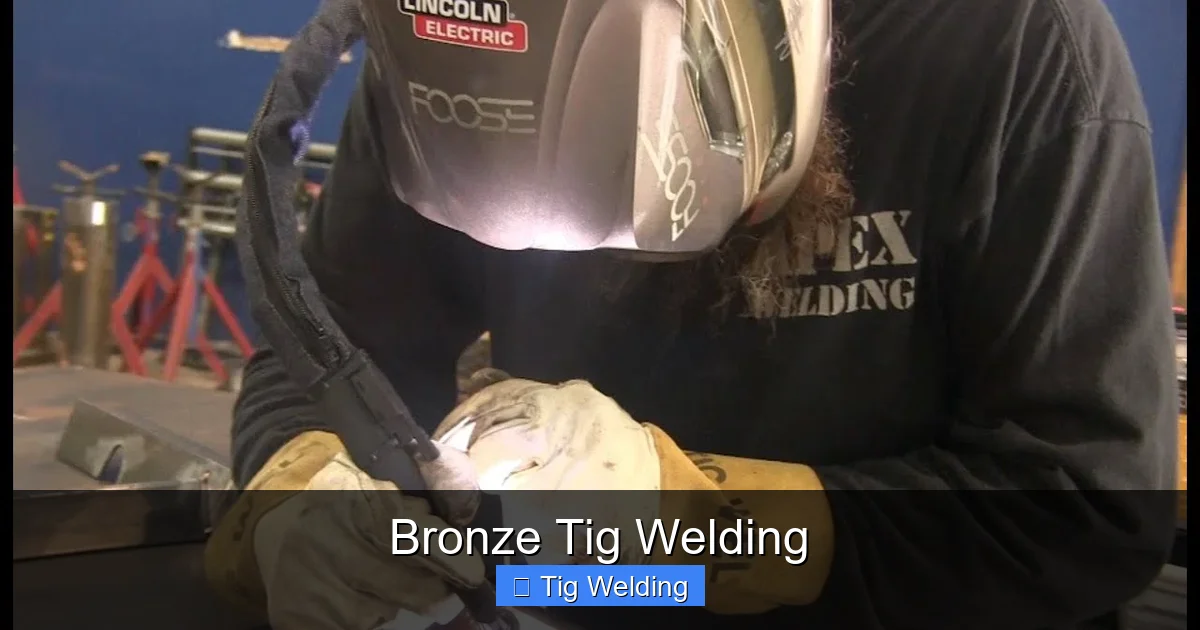
A high-frequency TIG welder with adjustable amperage is ideal. You’ll need a machine capable of fine control to manage the heat input, especially for thin bronze sheets or intricate projects.
Visual guide about Bronze Tig Welding
Image source: i.ytimg.com
Electrodes and Filler Rods
- Tungsten Electrodes: Use thoriated, ceriated, or lanthanated tungsten electrodes depending on your preference and safety considerations.
- Bronze Filler Rods: Use bronze filler rods compatible with your base material. Common types include silicon bronze or phosphor bronze rods.
Additional Supplies
- Protective Gear: Welding helmet, gloves, protective clothing.
- Cleaning Supplies: Wire brushes, acid pickling solution, or abrasive pads to prepare surfaces.
- Clamps and Fixtures: To hold parts securely during welding.
Preparing for Bronze TIG Welding
Material Preparation
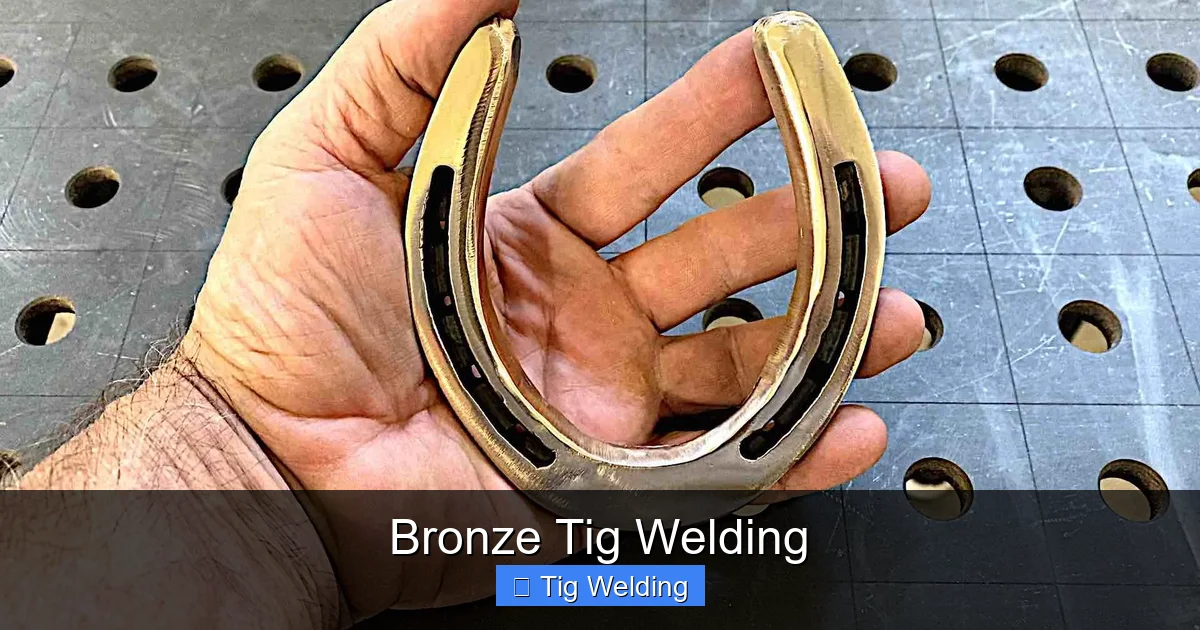
Start by thoroughly cleaning the bronze surfaces. Remove any dirt, grease, oxidation, or paint. Use a wire brush or abrasive pad specifically for metals. Cleanliness is crucial to prevent porosity and ensure good fusion.
Visual guide about Bronze Tig Welding
Image source: weldingtipsandtricks.com
Fit-Up and Clamping
Ensure the parts to be welded are properly aligned and clamped securely. Gaps should be minimal but consistent to allow for even heat distribution and proper filler flow.
Setting Up Your Equipment
Adjust your TIG welder according to the thickness and type of bronze. Set the amperage slightly above the minimum needed to maintain a stable arc. Use high-frequency start for clean striking of the arc without contamination.
Bronze TIG Welding Technique
Choosing the Right Tungsten Electrode
For bronze welding, a thoriated tungsten electrode (red tip) is common, but ceriated or lanthanated electrodes are safer alternatives. Use a pointed or slightly rounded tip for better arc control.
Setting the Correct Amperage
Typically, use about 30-70 amps for thin bronze sheets, and higher amps for thicker material. Always start with a lower setting and increase gradually to avoid overheating.
Welding Process
- Strike the Arc: Use high-frequency start to initiate the arc without touching the metal.
- Maintain the Torch Angle: Hold the torch at about 15-20 degrees from perpendicular to the workpiece.
- Feed the Filler Rod: Add filler material steadily into the molten pool, keeping a consistent speed and angle.
- Control Heat: Move the torch smoothly along the joint, avoiding excessive heat buildup.
Cooling and Finishing
Allow the weld to cool naturally. For a clean finish, you can lightly polish or brush the weld area once cooled to enhance appearance.
Practical Tips for Successful Bronze TIG Welding
- Practice on scrap: Before working on your main project, practice welding on scrap bronze to get comfortable with settings and technique.
- Maintain cleanliness: Always clean your materials thoroughly before welding.
- Use proper shielding gas: Pure argon or argon-helium mixtures provide good protection for bronze TIG welding.
- Adjust heat carefully: Too much heat can cause warping, too little can cause poor fusion. Find the right balance.
- Keep a steady hand: Smooth, deliberate movements lead to better welds.
Applications and Benefits of Bronze TIG Welding
Bronze TIG welding is popular in many fields:
- Marine industry: Repairing fittings, propellers, and ship parts that require corrosion resistance.
- Art and sculpture: Creating intricate designs with clean, aesthetically pleasing welds.
- Jewelry making: Joining delicate bronze components with precision.
- Industrial repairs: Fixing bronze machinery parts without compromising the material’s integrity.
The benefits include high-quality, visually appealing welds, minimal post-weld finishing, and excellent corrosion resistance of the joints.
Conclusion
Mastering bronze TIG welding opens up many opportunities for craftsmen, artists, and professionals. While it requires attention to detail, proper equipment, and technique, the results are worth it. With practice, you can produce durable, beautiful welds that stand the test of time. Whether repairing delicate jewelry or building sturdy marine parts, bronze TIG welding is a skill that combines precision with versatility.
Final Thoughts
Remember, patience and preparation are key. Always ensure your materials are clean, your equipment is set correctly, and your technique is steady. Over time, you’ll develop the skill to produce flawless bronze welds that meet your project’s needs. Happy welding!
Frequently Asked Questions
Can I weld bronze with a regular TIG welder?
Yes, a standard TIG welder with adjustable amperage and high-frequency start can weld bronze effectively, provided it is equipped with suitable tungsten electrodes and shielding gas.
Is bronze TIG welding safe?
Welding always involves risks, so proper protective gear like helmets, gloves, and ventilation is essential. Also, use appropriate electrodes and follow safety guidelines to prevent accidents.
What type of filler rod is best for bronze TIG welding?
Use bronze filler rods that match your base material, such as silicon bronze or phosphor bronze, to ensure compatibility and strong welds.
How do I prevent porosity in my bronze welds?
Ensure the materials are clean, use proper shielding gas (argon or argon-helium mix), and maintain a steady, controlled arc to reduce trapped gases and porosity.
What finishing is needed after bronze TIG welding?
Typically, no extensive finishing is needed. Light polishing or brushing can improve appearance, especially in artistic or jewelry applications.
Can bronze TIG welding be used on thin sheets?
Yes, with appropriate settings and careful control of heat, bronze TIG welding is suitable for thin sheets, allowing precise and clean welds without warping.
