
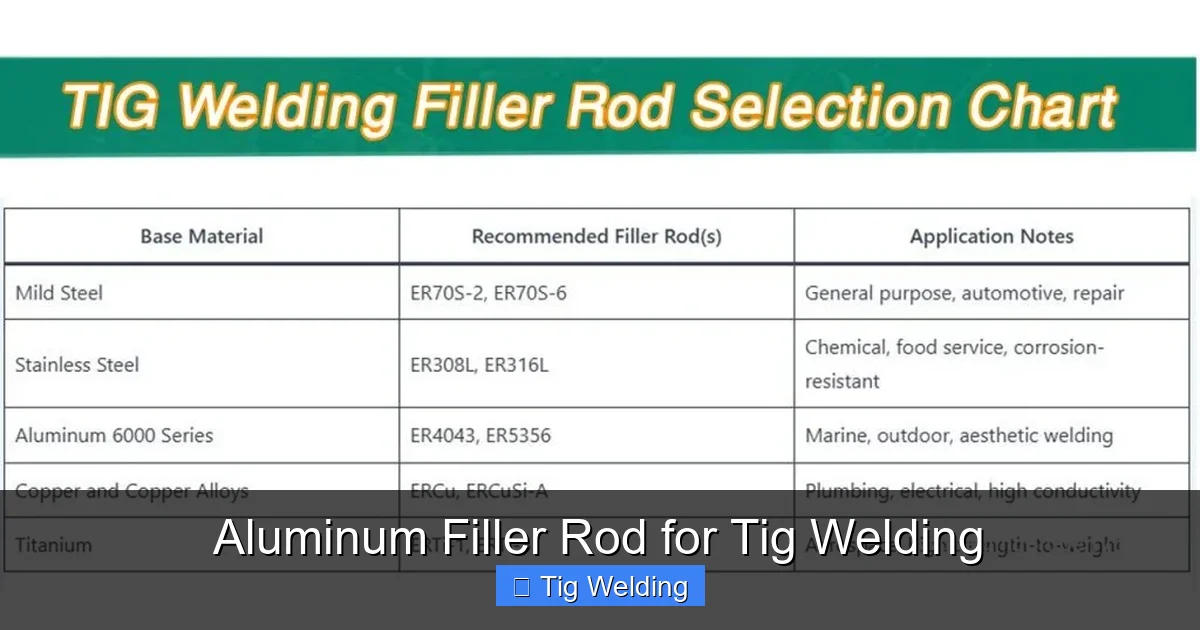
Aluminum filler rods are essential for TIG welding aluminum, providing the necessary material to create strong, durable joints. Choosing the right filler rod depends on the aluminum alloy and specific project needs. Whether you’re a beginner or an experienced welder, understanding the types and techniques for aluminum filler rods will improve your weld quality and efficiency.
Key Takeaways
- Type of Filler Rods: Aluminum filler rods come in various alloys tailored for different aluminum base metals and applications.
- Compatibility: Selecting the right filler rod ensures compatibility with the base aluminum for strong, corrosion-resistant welds.
- Welding Technique: Proper TIG welding techniques combined with the correct filler rod improve weld quality and reduce defects.
- Common Alloys: 4043 and 5356 are the most popular aluminum filler rods, each offering specific benefits.
- Storage & Handling: Keep filler rods dry and clean to prevent contamination and ensure optimal welding performance.
- Cost & Availability: Aluminum filler rods are widely available and vary in price depending on alloy and diameter.
Quick Answers to Common Questions
Question 1?
What is the most common aluminum filler rod used in TIG welding?
The most common is 4043 aluminum filler rod, valued for its excellent flow and corrosion resistance.
Question 2?
How do I choose the right filler rod for my aluminum project?
Match the filler alloy to your base metal and project requirements—use 4043 for general purpose, 5356 for high strength and marine environments.
Question 3?
Can I use the same filler rod for different aluminum alloys?
It’s best to select a filler rod compatible with your base metal, although 4043 and 5356 are versatile for many common alloys.
Question 4?
How should I store aluminum filler rods?
Keep them in a dry, moisture-free environment, preferably in sealed containers or plastic bags, to prevent oxidation and contamination.
Question 5?
What are some common challenges when welding aluminum with filler rods?
Porosity, cracking, and poor fusion are common challenges, often caused by contamination, improper settings, or incorrect filler selection.
📑 Table of Contents
Introduction to Aluminum Filler Rods for TIG Welding
If you’re into welding aluminum, you know how critical it is to choose the right filler rod. These rods are the “filling” material that melts into the joint, creating a strong bond between metal pieces. In TIG welding, or Tungsten Inert Gas welding, the filler rod plays an essential role in ensuring your welds are durable, corrosion-resistant, and look professional.
Aluminum welding is different from steel or other metals because of its unique properties—lightweight, high thermal conductivity, and tendency to oxidize quickly. That’s why selecting the right aluminum filler rod is crucial. It not only affects the strength of your weld but also impacts how easy or difficult the process is. Whether you’re repairing a bicycle frame, building aircraft parts, or crafting custom aluminum furniture, understanding aluminum filler rods will help you get the best results.
In this guide, we’ll explore the different types of aluminum filler rods, how to choose the right one, and tips for welding aluminum successfully with TIG. Let’s get started!
Understanding Aluminum Filler Rods
What Are Aluminum Filler Rods?
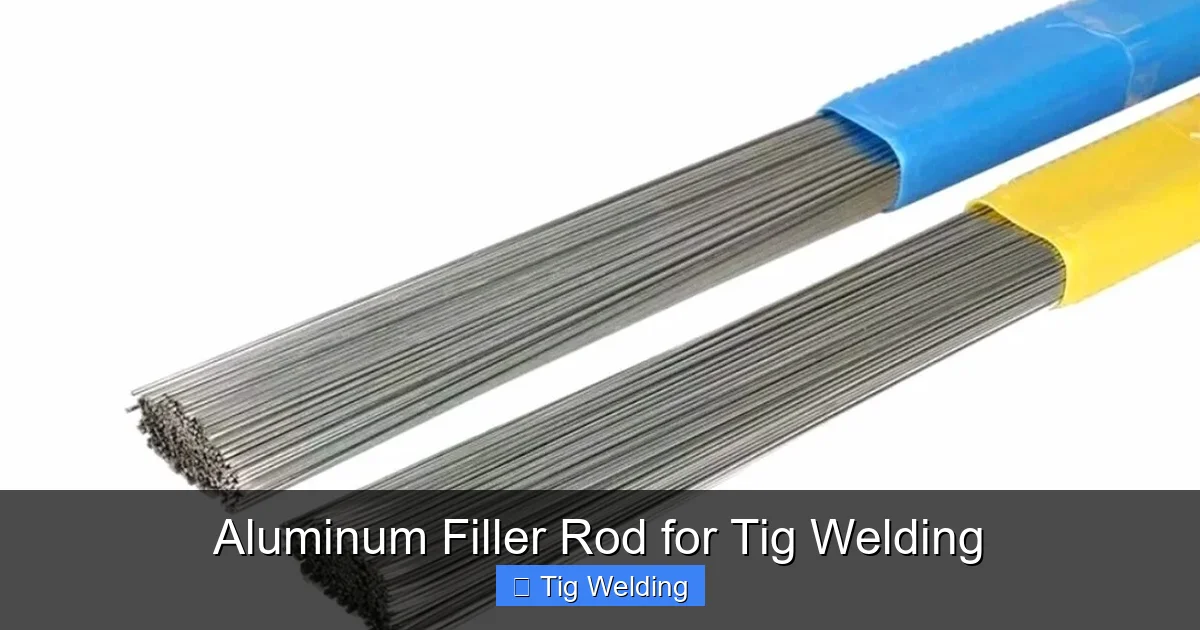
Aluminum filler rods are thin metallic rods made primarily of aluminum alloys. They are used in TIG welding to fill gaps and create strong joints between aluminum pieces. These rods melt when heated and fuse with the base metal, forming a seamless bond.
Visual guide about Aluminum Filler Rod for Tig Welding
Image source: filebroker-cdn.lazada.com.ph
Filler rods come in various diameters and alloys, each suited for specific applications. They are typically coated or cleaned to prevent oxidation and contamination during welding.
Why Use Filler Rods in TIG Welding?
While TIG welding often involves welding without filler (for thin sheets), many projects require adding filler material to build up thicker joints or fill gaps. The filler rod provides the necessary material to strengthen the weld, ensure proper fusion, and achieve the desired shape and size.
Using the correct filler rod ensures compatibility with the base aluminum, prevents cracking, and enhances corrosion resistance.
Types of Aluminum Filler Rods
Common Alloy Types
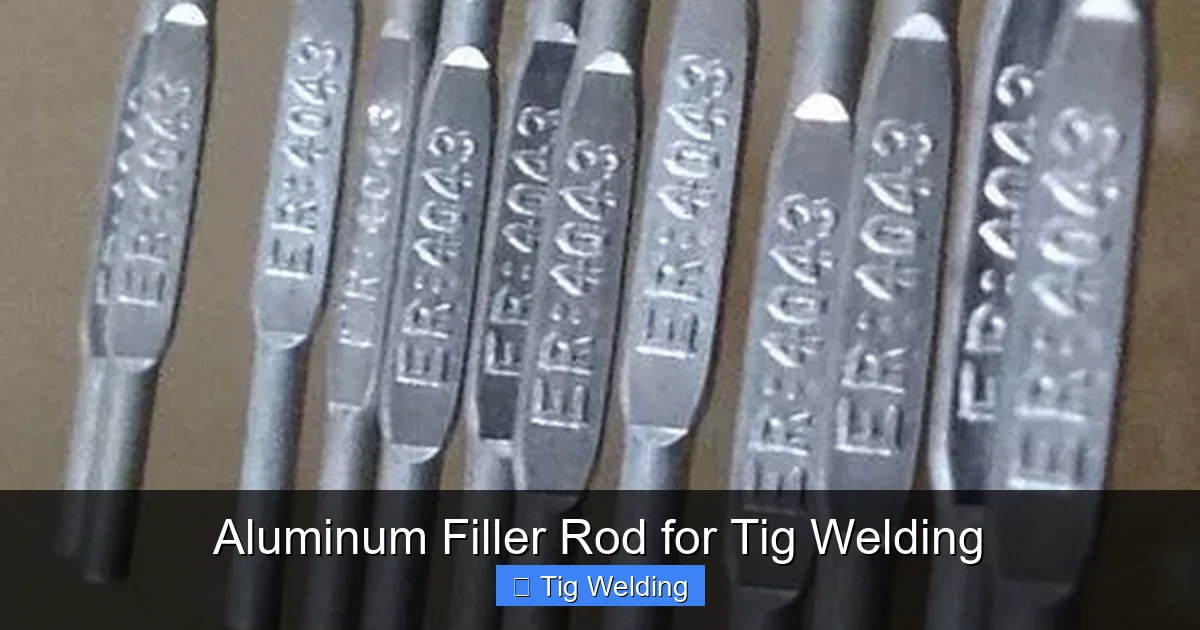
- 4043 Aluminum Filler Rod: This is the most popular aluminum filler rod. It’s an aluminum-silicon alloy that offers excellent corrosion resistance and good flow characteristics. It’s ideal for welding castings, thin sheets, and general-purpose applications.
- 5356 Aluminum Filler Rod: Made from aluminum-magnesium alloy, 5356 provides higher strength and better corrosion resistance in marine environments. It’s often used for structural components and thicker materials.
- 4047 and 5183: Less common, but used for specific applications like high-temperature environments or aerospace-grade welding.
Diameter Options
Filler rods come in various diameters, typically ranging from 1/16 inch (1.6 mm) to 1/8 inch (3.2 mm). The choice depends on the thickness of the base aluminum and the nature of the weld. Thinner rods (1/16″) are suitable for delicate work, while thicker rods (1/8″) are better for heavy-duty applications.
Visual guide about Aluminum Filler Rod for Tig Welding
Image source: 5.imimg.com
How to Choose the Right Aluminum Filler Rod
Matching the Alloy to Your Base Metal
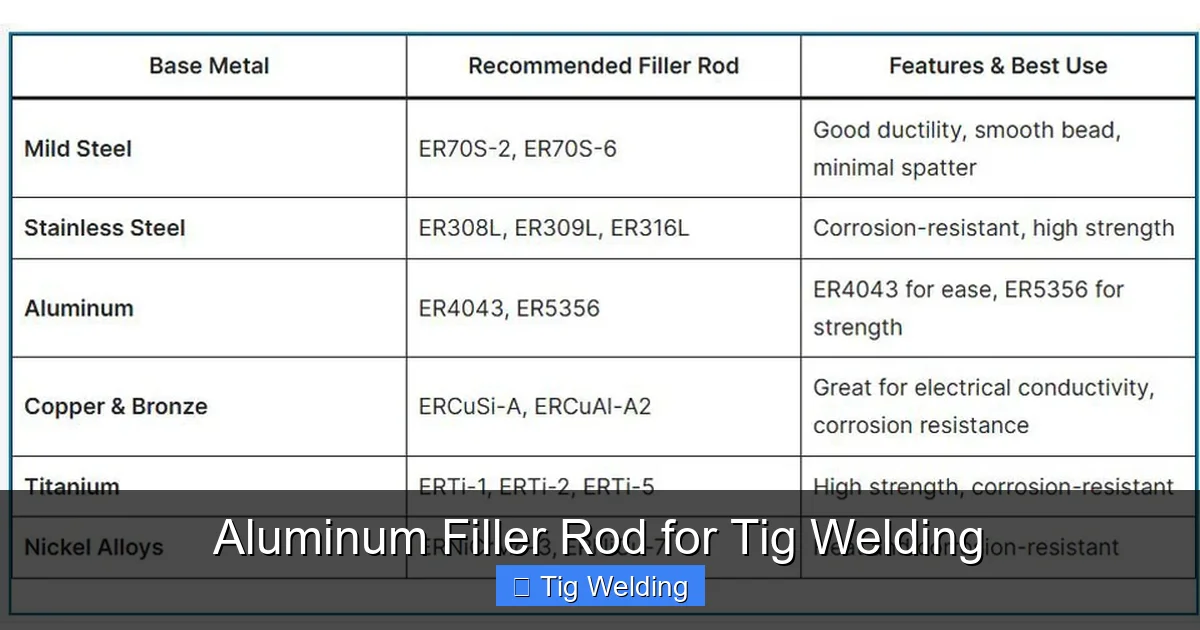
The first step is to identify the alloy of your base aluminum. For example, if you’re welding 6061 aluminum, 4043 is often a good choice because it matches well and produces a clean, strong weld. For aluminum alloys with higher strength requirements, like 5052 or 5083, 5356 might be better due to its higher strength characteristics.
Visual guide about Aluminum Filler Rod for Tig Welding
Image source: giftendow.com
Consider the Application
- Structural components: Use 5356 for high strength and durability.
- Thin sheets or castings: 4043 offers better flow and less cracking risk.
- Corrosion-prone environments: 5356 provides better corrosion resistance, especially in marine settings.
Check the Welding Specifications
Always refer to the manufacturer’s recommendations for your specific project. Some applications require specific filler alloys to meet safety and performance standards.
Practical Tips for Welding Aluminum with Filler Rods
Preparation is Key
Clean your aluminum thoroughly before welding. Use a stainless steel brush dedicated for aluminum to remove oxidation, dirt, and grease. Proper cleaning ensures better fusion and reduces porosity.
Proper Filler Rod Handling
Keep filler rods dry and store them in a moisture-free environment. Moisture can cause porosity and weaken your welds. Use gloves to avoid contamination from oils or dirt from your hands.
Adjusting the TIG Settings
Set your TIG welder to an appropriate amperage based on the diameter of the filler rod and the thickness of the aluminum. Use a steady hand and maintain a consistent travel speed for even welds.
Welding Technique
Use a smooth, steady motion. Keep the tungsten electrode close to the weld pool but avoid touching the molten metal. Feed the filler rod into the leading edge of the weld pool at a consistent rate for uniform fills.
Common Challenges and How to Overcome Them
Porosity
Porosity occurs due to contamination or moisture. Prevent this by cleaning thoroughly and storing filler rods properly.
Cracking
Using the correct filler alloy and controlling heat input can prevent cracking. Avoid overheating the material.
Poor Fusion
Ensure proper cleaning, correct torch angle, and appropriate amperage. Practice steady hand movements.
Conclusion
Choosing the right aluminum filler rod for TIG welding is crucial to achieving strong, clean, and durable welds. Understanding the different alloys—particularly 4043 and 5356—and matching them to your project needs will greatly enhance your results. Remember to prep your materials properly, handle your filler rods carefully, and fine-tune your welding settings. With practice and the right materials, you’ll master aluminum TIG welding in no time!
Happy welding!
Frequently Asked Questions
What is aluminum filler rod used for in TIG welding?
It is used to fill gaps and add material during the welding process, creating strong, durable joints between aluminum pieces.
Which aluminum filler alloy is best for marine applications?
5356 aluminum filler rod is preferred for marine environments due to its higher corrosion resistance and strength.
How do I know what diameter of filler rod to use?
Choose a diameter based on your aluminum workpiece thickness—smaller for thin sheets and larger for thicker or structural projects.
Can I weld different aluminum alloys with the same filler rod?
While some fillers are versatile, it’s best to match the filler alloy to your base metal for optimal results.
What are the main benefits of using 4043 over 5356?
4043 offers better flow, easier welding on thin materials, and a smoother finish, while 5356 provides higher strength and corrosion resistance.
How do I prevent porosity in my aluminum welds?
Ensure thorough cleaning, keep filler rods dry, and control your welding environment to reduce contamination and moisture buildup.
