

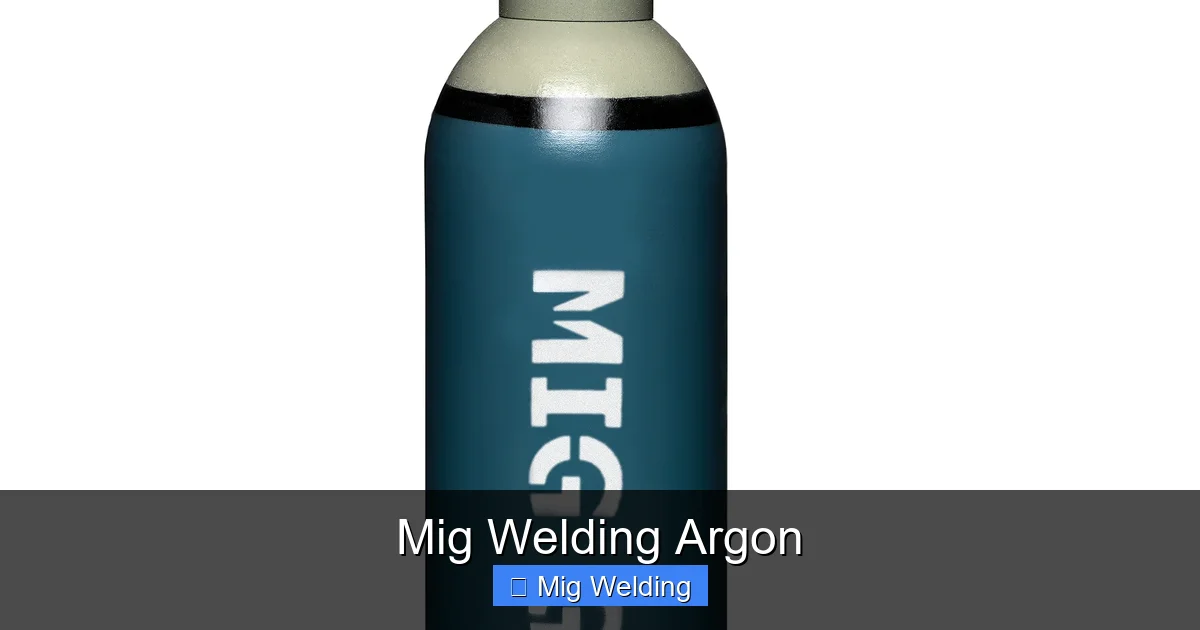
MIG welding with argon delivers smooth, spatter-free results ideal for steel, stainless steel, and aluminum. This guide walks you through gas selection, machine setup, welding techniques, and common fixes to help you weld like a pro—even as a beginner.
Key Takeaways
- Argon is essential for clean MIG welds: It shields the weld pool from contamination, reducing spatter and improving bead appearance.
- Use the right gas mix: For mild steel, a 75% argon / 25% CO₂ blend works best; pure argon is ideal for aluminum.
- Proper machine settings matter: Adjust voltage, wire speed, and gas flow (15–25 CFH) based on material thickness and type.
- Maintain correct torch angle and travel speed: A 10–15° push angle and steady pace prevent porosity and undercutting.
- Clean your materials first: Remove rust, oil, and paint to avoid weld defects when using argon-based shielding gas.
- Troubleshoot common issues: Porosity, poor penetration, and wire feed problems often stem from gas leaks or incorrect settings.
- Safety first: Always wear a welding helmet, gloves, and work in a well-ventilated area—even with inert gases like argon.
What Is MIG Welding with Argon?
MIG welding—short for Metal Inert Gas welding—uses a continuous wire electrode and shielding gas to join metals. When you use argon as your shielding gas, you’re creating a protective barrier around the weld pool that prevents oxygen and nitrogen from contaminating the molten metal. This results in cleaner, stronger, and more visually appealing welds.
Argon is an inert (non-reactive) gas, which means it doesn’t chemically interact with the metal. It’s commonly used alone for aluminum welding or blended with other gases like CO₂ or oxygen for steel. The most popular mix for mild steel is 75% argon and 25% CO₂—often called C25 gas. This blend gives you the smooth arc stability of argon with the deeper penetration of CO₂.
In this guide, you’ll learn how to set up your MIG welder for argon, choose the right gas mix, dial in the correct settings, and execute strong, professional-quality welds on various materials. Whether you’re fixing a trailer, building a custom frame, or working on automotive repairs, mastering MIG welding with argon will elevate your skills.
Choosing the Right Gas Mix for MIG Welding
Not all argon mixes are created equal. The right blend depends on the material you’re welding and the results you want.
Visual guide about Mig Welding Argon
Image source: kingdaflex.com
For Mild Steel
Use a 75% argon / 25% CO₂ mixture (C25). This is the industry standard for most steel projects. The argon stabilizes the arc and reduces spatter, while the CO₂ increases penetration and heat. Avoid pure argon on steel—it can cause an unstable arc and poor fusion.
For Stainless Steel
A tri-mix of 90% helium, 7.5% argon, and 2.5% CO₂ is common, but a simpler 98% argon / 2% oxygen blend also works well. Oxygen helps with arc stability and fluidity, but use it sparingly to avoid oxidation.
For Aluminum
Use 100% argon. Pure argon provides excellent arc initiation and a clean, smooth weld pool. It’s essential for aluminum because it prevents the formation of oxides that can weaken the weld.
Pro Tip: Always check your welding wire manufacturer’s recommendations—they often suggest the ideal gas mix for their products.
Setting Up Your MIG Welder for Argon
Before you strike an arc, proper setup is crucial. Here’s how to get your machine ready for argon-based MIG welding.
Visual guide about Mig Welding Argon
Image source: img.lazcdn.com
Step 1: Install the Gas Cylinder
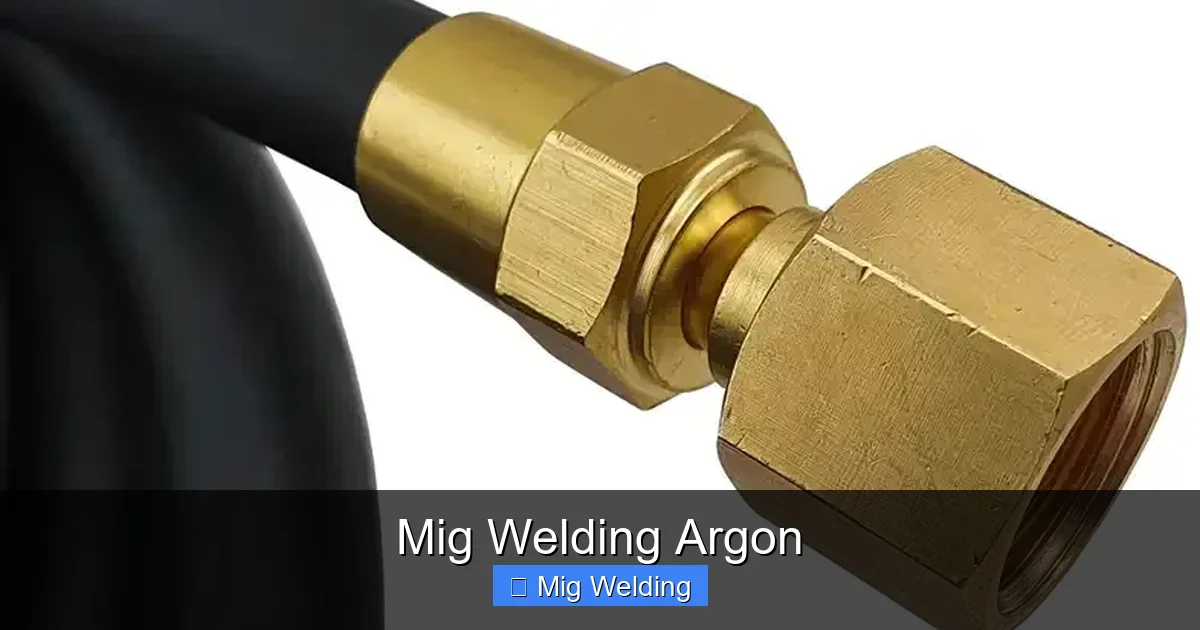
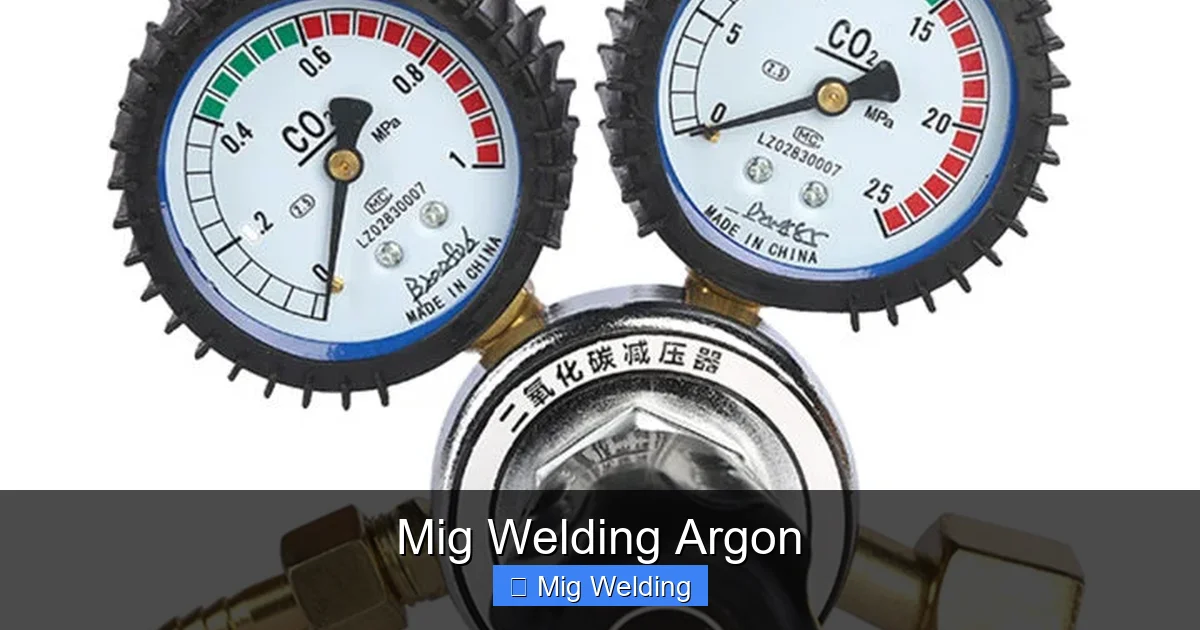
Secure your argon (or argon blend) cylinder upright in a cart or with a chain. Attach the regulator and hose, then open the valve slowly. Set the flow rate to 15–25 cubic feet per hour (CFH). Too little gas won’t protect the weld; too much can cause turbulence and draw in air.
Step 2: Load the Wire
Choose the correct wire for your material:
- ER70S-6 for mild steel
- ER308L or ER309L for stainless steel
- ER4043 or ER5356 for aluminum
Feed the wire through the liner and into the drive rolls. Make sure the tension is snug but not too tight—over-tightening can deform the wire.
Step 3: Set Voltage and Wire Speed
Refer to your welder’s chart or use these general guidelines:
- 18-gauge steel: 16–18 volts, 100–150 IPM (inches per minute)
- 1/8-inch steel: 19–21 volts, 180–220 IPM
- 1/4-inch steel: 22–24 volts, 250–300 IPM
Start low and adjust based on sound and bead appearance. A good weld should sound like bacon frying—steady and consistent.
Step 4: Check Ground Connection
Attach the ground clamp as close to the weld area as possible. Clean the contact surface to ensure a solid electrical connection. A poor ground causes erratic arcs and poor penetration.
Welding Techniques for Clean, Strong Welds
Even with perfect settings, your technique determines weld quality. Follow these best practices when MIG welding with argon.
Torch Angle and Position
Hold the MIG gun at a 10–15° push angle (pointing slightly in the direction of travel). This helps the gas shield flow over the weld pool and improves visibility. Avoid a drag angle unless you’re welding thick materials and need deeper penetration.
Travel Speed
Move at a steady, consistent pace. Too slow = burn-through or excessive buildup. Too fast = lack of fusion or a thin, uneven bead. Practice on scrap metal to find the sweet spot.
Welding Position
For flat (downhand) welding, use a slight weave or straight bead depending on joint width. For vertical welding, go vertical-up to control the pool and prevent sagging. Overhead welding requires a shorter arc and slower travel speed.
Pro Tip: Keep the nozzle 1/2 to 3/4 inch from the workpiece. Too close can block gas flow; too far reduces shielding effectiveness.
Common Problems and How to Fix Them
Even experienced welders run into issues. Here’s how to troubleshoot the most common problems when using argon in MIG welding.
Porosity (Air Pockets in the Weld)
Cause: Contaminated base metal, low gas flow, wind, or leaks in the gas line.
Solution: Clean the metal thoroughly with a wire brush or grinder. Check for loose fittings or damaged hoses. Increase gas flow slightly and weld in a sheltered area.
Poor Penetration
Cause: Low voltage, slow wire speed, or incorrect gas mix.
Solution: Increase voltage or wire speed. Ensure you’re using the right gas blend—C25 for steel, not pure argon.
Excessive Spatter
Cause: High voltage, fast wire speed, or damp wire.
Solution: Reduce voltage or wire speed. Store wire in a dry place and use a wire feeder with proper tension.
Wire Feeding Issues
Cause: Dirty liner, wrong drive roll size, or worn contact tip.
Solution: Clean or replace the liner. Use U-groove rolls for aluminum, V-groove for steel. Replace the contact tip if it’s worn or clogged.
Unstable Arc or Stubbing
Cause: Incorrect voltage, dirty material, or poor ground.
Solution: Adjust voltage up slightly. Clean the workpiece and reattach the ground clamp to bare metal.
Safety Tips for MIG Welding with Argon
Welding is safe when done correctly, but argon introduces some unique considerations.
- Wear proper PPE: Use a welding helmet with auto-darkening lens, flame-resistant clothing, gloves, and closed-toe shoes.
- Ensure ventilation: While argon is non-toxic, it can displace oxygen in confined spaces. Work in a well-ventilated area or use an exhaust fan.
- Secure gas cylinders: Always chain or strap cylinders to prevent tipping. Store them away from heat and direct sunlight.
- Check for leaks: Use soapy water on connections—bubbles indicate a leak. Never use a flame to test.
- Keep a fire extinguisher nearby: Sparks can ignite flammable materials up to 35 feet away.
Conclusion
MIG welding with argon is a versatile, efficient, and beginner-friendly process—when you know how to do it right. By selecting the correct gas mix, setting up your machine properly, and using solid welding techniques, you’ll produce clean, strong, and professional-looking welds every time.
Remember: practice makes perfect. Start with scrap metal, experiment with settings, and don’t be afraid to adjust as you go. Whether you’re working on automotive projects, home repairs, or custom fabrication, mastering argon-based MIG welding will give you the confidence and skill to tackle any job.
Now grab your welder, hook up that argon tank, and start building something amazing.
