

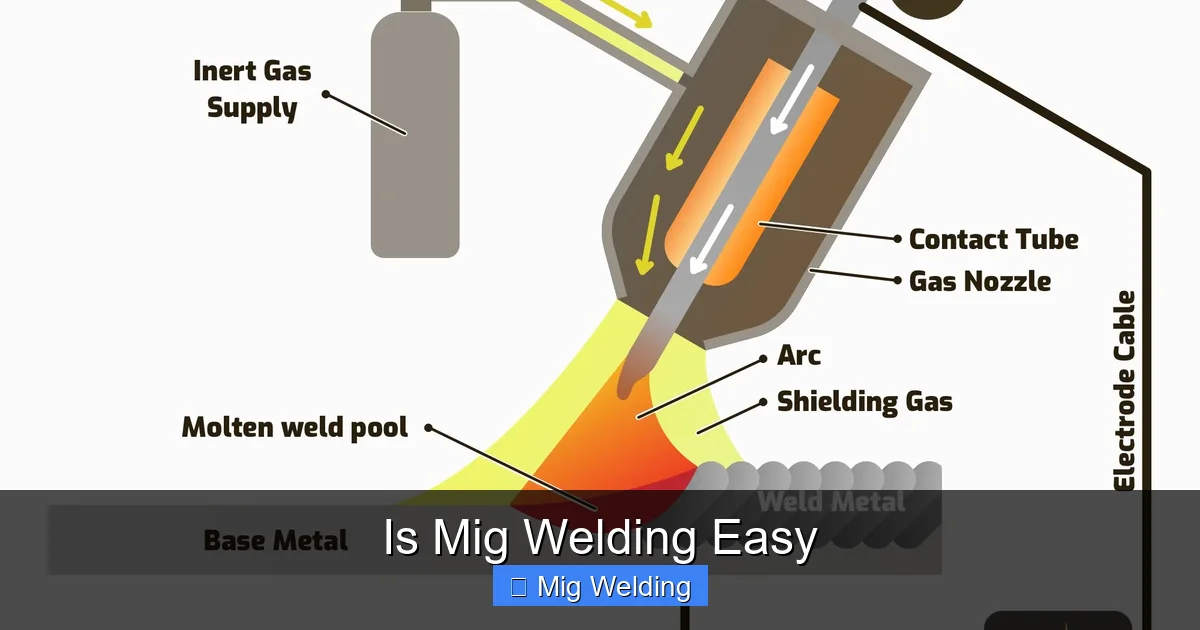
MIG welding is one of the easiest welding methods for beginners to learn, thanks to its simple setup and forgiving nature. With the right equipment, safety gear, and basic techniques, anyone can produce strong, clean welds in just a few practice sessions.
Key Takeaways
- MIG welding is beginner-friendly: It uses a continuous wire feed and shielding gas, making it easier to control than other welding types.
- Proper setup is crucial: Correct voltage, wire speed, and gas flow ensure smooth, consistent welds.
- Safety comes first: Always wear a welding helmet, gloves, and flame-resistant clothing to protect yourself.
- Practice makes perfect: Start with scrap metal to build confidence and improve your technique before tackling real projects.
- Troubleshooting is normal: Issues like spatter or weak welds are common—adjust settings and technique to fix them.
- Quality equipment matters: A reliable MIG welder with adjustable settings gives you better control and results.
- Clean materials = better welds: Always remove rust, paint, and dirt from the metal surface before welding.
Is MIG Welding Easy? A Beginner’s Guide to Getting Started
If you’re wondering, “Is MIG welding easy?” the short answer is: yes—especially for beginners. MIG (Metal Inert Gas) welding, also known as GMAW (Gas Metal Arc Welding), is widely considered the most user-friendly welding process. It’s popular among hobbyists, DIYers, and even professional fabricators because it’s fast, clean, and relatively simple to learn.
In this guide, you’ll discover why MIG welding is a great starting point, how to set up your equipment, basic techniques for strong welds, and common mistakes to avoid. Whether you’re fixing a lawnmower, building a metal shelf, or just curious about welding, this step-by-step guide will help you get started with confidence.
Why MIG Welding Is Easier Than Other Methods
Visual guide about Is Mig Welding Easy
Image source: weldguru.com
Unlike TIG welding, which requires precise hand coordination and a foot pedal, or stick welding, which uses a messy electrode that needs frequent replacement, MIG welding automates much of the process. Here’s what makes it beginner-friendly:
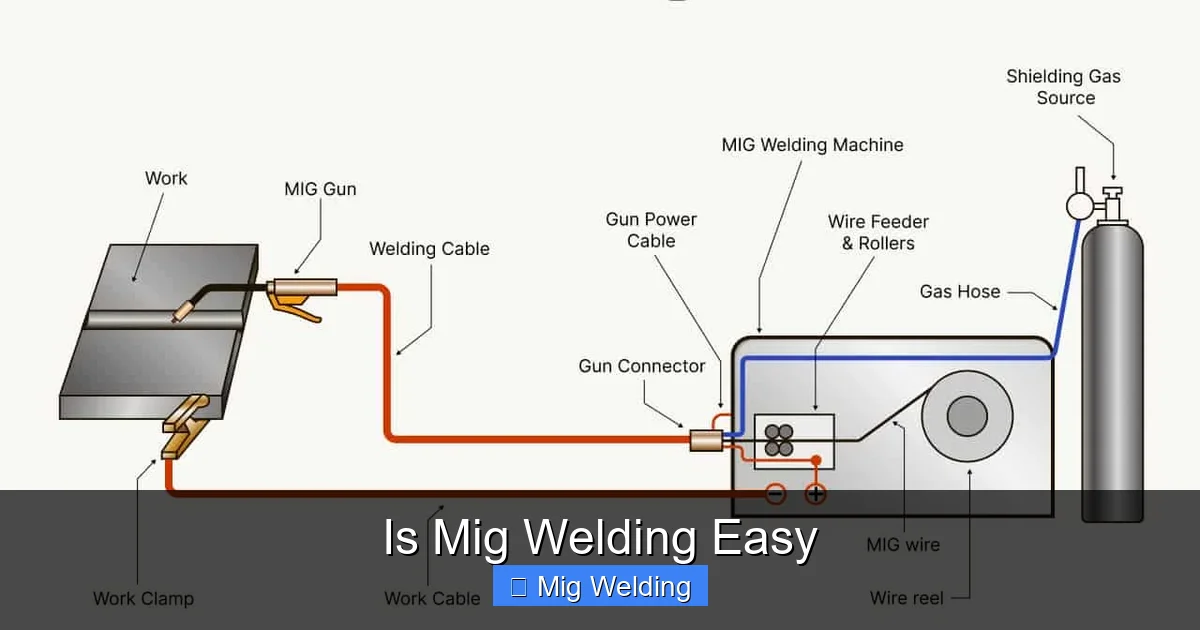
- Continuous wire feed: The welder feeds a spool of wire automatically, so you don’t have to keep replacing rods.
- Shielding gas protection: A flow of inert gas (like argon or CO₂) protects the weld pool from contamination, reducing the chance of defects.
- Simple arc initiation: Just pull the trigger on the welding gun, and the arc starts instantly.
- Smooth, clean welds: MIG produces minimal slag, so there’s less cleanup compared to stick welding.
Because of these features, MIG welding is often the first method taught in welding schools and workshops.
What You’ll Need to Start MIG Welding
Visual guide about Is Mig Welding Easy
Image source: weldguru.com
Before you begin, make sure you have the right tools and safety gear. Here’s a basic checklist:
Essential Equipment
- MIG welder: Look for a machine with adjustable voltage and wire speed. Entry-level models like the Hobart Handler 140 or Lincoln Electric K2185-1 are great for beginners.
- Welding gun and cable: Comes with most welders—make sure it’s in good condition.
- Wire feed system: Holds the spool of welding wire and feeds it smoothly.
- Shielding gas tank and regulator: A 75% argon / 25% CO₂ mix (C25) works well for most mild steel projects.
- Ground clamp: Attaches to your workpiece to complete the electrical circuit.
Safety Gear
- Auto-darkening welding helmet: Protects your eyes from UV rays and bright arcs.
- Welding gloves: Heat-resistant and durable—leather is ideal.
- Flame-resistant clothing: Avoid synthetic fabrics; wear cotton or welding-specific jackets.
- Welding boots and safety glasses: For full-body protection.
- Ventilation or fume extractor: Welding produces harmful fumes—work in a well-ventilated area.
Step-by-Step: How to Set Up Your MIG Welder
Proper setup is key to easy and successful MIG welding. Follow these steps to get your machine ready:
1. Choose the Right Welding Wire
For mild steel, use ER70S-6 solid wire in 0.030” or 0.035” diameter. Thinner wire is easier for beginners and works well on thinner metals.
2. Install the Wire Spool
Open the wire feeder compartment, insert the spool, and thread the wire through the guide tubes into the drive roll. Make sure the tension is snug but not too tight—over-tightening can deform the wire.
3. Connect the Shielding Gas
Attach the gas regulator to your CO₂ or C25 tank. Open the valve slowly and set the flow rate to 20–25 cubic feet per hour (CFH). Use a soap solution to check for leaks at connections.
4. Set Voltage and Wire Speed
Most MIG welders have a chart inside the door that recommends settings based on metal thickness. For example:
- 18-gauge steel: 14–16 volts, 150–200 IPM (inches per minute)
- 1/8” steel: 18–20 volts, 250–300 IPM
Start in the middle of the range and adjust as needed.
5. Attach the Ground Clamp
Clamp the ground lead to your workpiece or welding table. A solid connection ensures a stable arc.
Basic MIG Welding Technique for Beginners
Now that your machine is set up, it’s time to weld. Follow these steps for a clean, strong bead:
1. Prepare Your Workpiece
Clean the metal surface with a wire brush or grinder. Remove rust, paint, oil, and dirt—contaminants cause porosity and weak welds.
2. Hold the Welding Gun Correctly
Hold the gun at a 10–15 degree angle, pointing in the direction of travel. Keep the nozzle ½ inch from the metal.
3. Use the Right Travel Speed
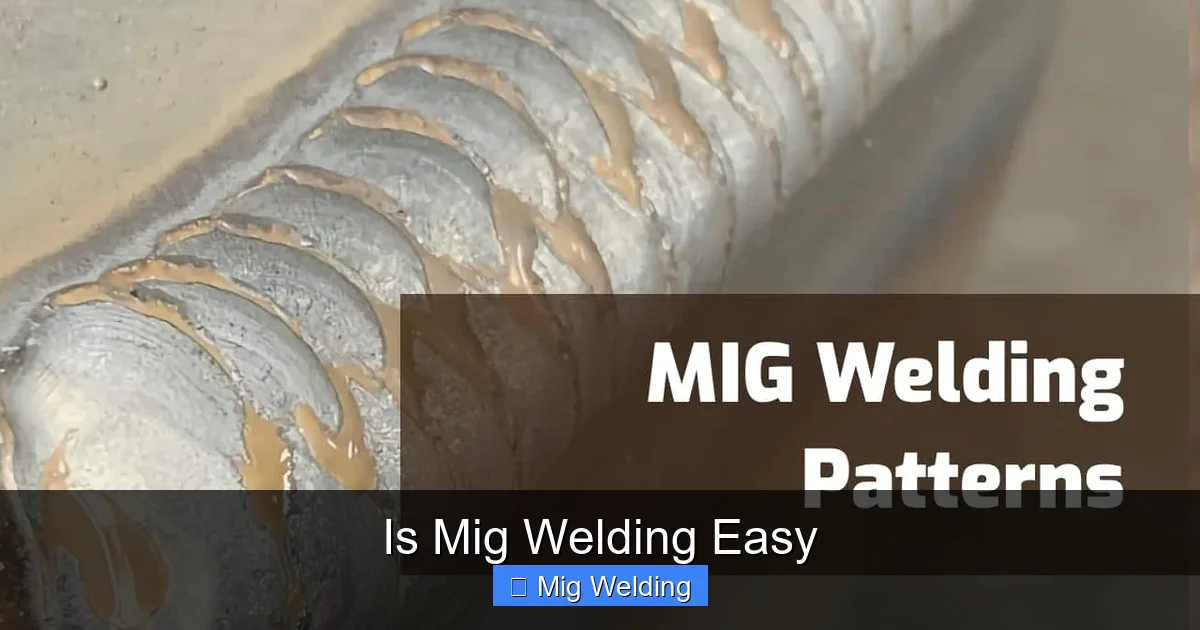
Move the gun steadily forward. Too slow = burn-through; too fast = weak, uneven welds. A consistent pace creates a smooth, uniform bead.
4. Maintain a Short Arc Length
Keep the arc close to the puddle. A long arc causes spatter and poor penetration.
5. Practice on Scrap Metal
Start with short bead welds on scrap pieces. Try different angles and speeds to see how they affect the weld.
Common MIG Welding Problems and How to Fix Them
Even with the best setup, issues can happen. Here’s how to troubleshoot the most common problems:
Excessive Spatter
Cause: Too high voltage, too fast wire speed, or dirty metal.
Solution: Lower voltage or wire speed slightly. Clean the metal thoroughly. Use anti-spatter spray if needed.
Poor Penetration
Cause: Too low voltage or slow travel speed.
Solution: Increase voltage or slow down your travel speed. Ensure proper joint fit-up.
Porosity (Air Bubbles in the Weld)
Cause: Contaminated metal, wind, or low gas flow.
Solution: Clean the metal, shield the weld area from drafts, and check gas flow.
Wire Sticking to the Workpiece
Cause: Too slow wire speed or gun too close.
Solution: Increase wire speed or pull the trigger faster. Keep the gun ½ inch away.
Burn-Through
Cause: Too high voltage or slow travel on thin metal.
Solution: Reduce voltage, increase travel speed, or use a lower-amperage setting.
Tips for Better MIG Welding Results
Want to improve your welds? Try these pro tips:
- Use a push technique for flat welds: Pushing the gun (rather than dragging) gives better gas coverage and cleaner beads.
- Keep your gun nozzle clean: Spatter buildup can block gas flow—clean it regularly with a nozzle cleaning tool.
- Preheat thick metals: For steel over ¼ inch, preheating reduces cracking risk.
- Use a welding table with a ground connection: This improves arc stability.
- Watch your posture: Stand comfortably and support your arms to reduce fatigue and improve control.
Is MIG Welding Easy for Long-Term Projects?
Yes—once you master the basics, MIG welding becomes even easier. It’s ideal for:
- Automotive repairs
- Farm equipment maintenance
- Metal furniture building
- Art and sculpture projects
- Home improvement tasks
Because it’s fast and versatile, many welders stick with MIG for years—even as they learn other techniques.
Conclusion: Yes, MIG Welding Is Easy (With Practice)
So, is MIG welding easy? Absolutely—especially when you start with the right mindset and tools. It’s one of the most accessible welding methods for beginners, offering quick learning curves and reliable results. With proper setup, safety precautions, and a little practice, you’ll be laying down strong, professional-looking welds in no time.
Don’t be discouraged by early mistakes. Every welder started where you are now. Focus on consistency, keep your equipment maintained, and always prioritize safety. Before you know it, you’ll be tackling bigger projects with confidence.
Ready to give it a try? Grab your gear, find some scrap metal, and start welding today.
