

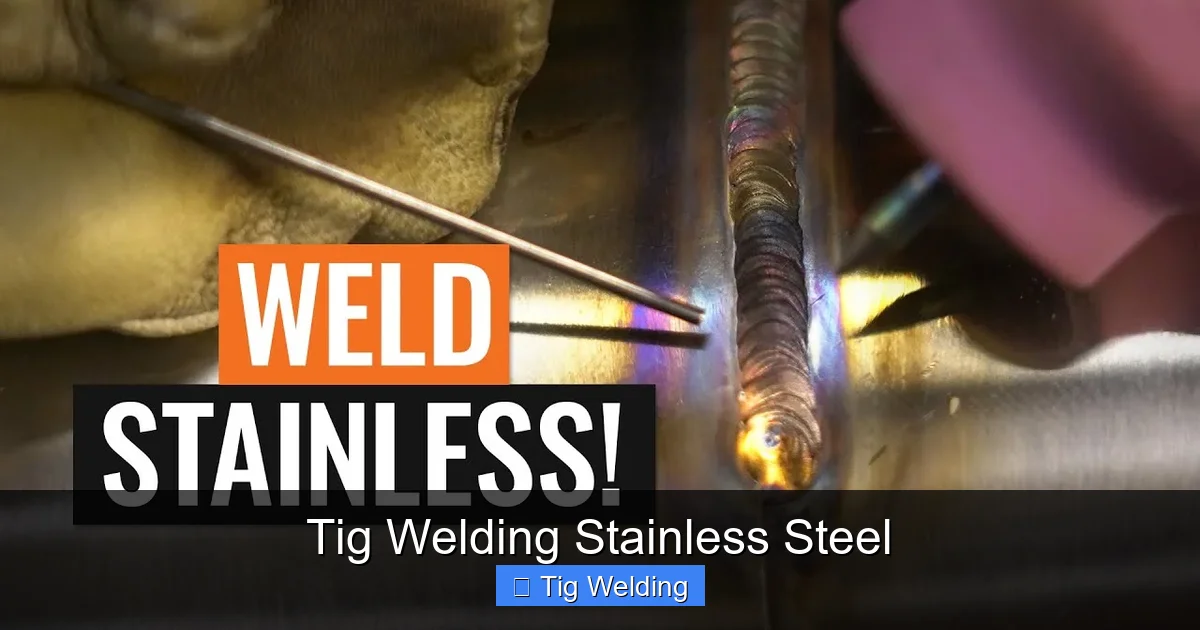
This guide provides a comprehensive overview of TIG welding stainless steel, covering everything from preparation to finishing. You’ll learn about the unique challenges of welding this material, the optimal settings and techniques, and how to achieve clean, strong, and aesthetically pleasing welds. Whether you’re a beginner or looking to refine your skills, this guide offers practical advice for success.
Tig Welding Stainless Steel
TIG welding stainless steel is a skill that can elevate your fabrication projects. While it shares fundamental principles with TIG welding other metals, stainless steel presents unique challenges and requires specific techniques to achieve high-quality results. This comprehensive guide will walk you through everything you need to know to successfully weld stainless steel using the TIG process. From understanding its properties to mastering advanced techniques, you’ll gain the knowledge to create strong, clean, and corrosion-resistant welds.
Stainless steel’s popularity stems from its excellent corrosion resistance, strength, and aesthetic appeal. However, these desirable qualities also make it trickier to weld. Its lower thermal conductivity means heat dissipates more slowly, increasing the risk of warping and burn-through. Additionally, improper welding can degrade its corrosion resistance, turning that beautiful polished finish into a weakness. But don’t worry! With the right approach, you can overcome these challenges and produce welds that are as functional as they are beautiful.
Key Takeaways
- Material Properties: Stainless steel is more challenging to weld than mild steel due to its lower thermal conductivity and tendency to warp. Proper heat control is crucial.
- Tungsten Electrode Choice: Pure tungsten is generally avoided for stainless steel. Lanthanated (blue) or Ceriated (grey) tungsten electrodes are recommended for their stability and arc characteristics.
- Shielding Gas: A higher flow rate of pure Argon is typically used for stainless steel TIG welding. It effectively shields the weld puddle from atmospheric contamination.
- Filler Metal Selection: Always match the filler metal to the base stainless steel alloy. Using the wrong filler can compromise the weld’s corrosion resistance and mechanical properties.
- Heat Input Management: Excessive heat can lead to excessive grain growth, loss of corrosion resistance, and distortion. Pulsed TIG welding is an excellent technique for controlling heat.
- Post-Weld Cleaning: Proper cleaning after welding is essential to remove heat tint and preserve the stainless steel’s corrosion resistance. Brushing with stainless steel brushes and passivation are key steps.
Understanding Stainless Steel
Before you even strike an arc, it’s important to understand what makes stainless steel different. The primary alloying element is chromium, typically at least 10.5%, which forms a passive oxide layer on the surface. This layer is what provides stainless steel with its corrosion resistance. However, this oxide layer also has a higher melting point than the base metal, which can affect arc initiation and stability.
Stainless steels are broadly categorized into several families, with the most common for welding being:
- Austenitic: These are the most common types, including 304 and 316 stainless steel. They are non-magnetic, highly formable, and offer excellent corrosion resistance. They are generally the easiest to TIG weld.
- Ferritic: These are magnetic and typically contain less nickel than austenitic grades. They can be prone to grain growth and cracking if not welded carefully.
- Martensitic: These are magnetic and can be heat-treated to high hardness. They are more prone to cracking and require preheating and post-heating.
- Duplex: These are a combination of austenitic and ferritic structures, offering high strength and good corrosion resistance. They require careful control of heat input.
For most hobbyists and general fabrication, you’ll likely be working with austenitic stainless steels like 304 or 316. This guide will primarily focus on welding these popular grades.
Essential Equipment and Setup
While a TIG welder is the core piece of equipment, several other factors contribute to a successful stainless steel TIG weld:
Visual guide about Tig Welding Stainless Steel
Image source: weldersmanual.com
TIG Welder Selection
Most modern AC/DC TIG welders are capable of welding stainless steel. For stainless steel, you’ll primarily be using the DC (Direct Current) electrode negative (DCEN) setting. However, if you’re welding thinner stainless steel and want faster travel speeds, AC can be used, but it’s less common for stainless than for aluminum.
Tungsten Electrode
The choice of tungsten electrode is critical for stable arc control. Avoid using pure tungsten (green band) as it contaminates easily and produces an unstable arc. Recommended tungsten electrodes for stainless steel include:
- Lanthanated (Blue Band): 2% Lanthanated tungsten is an excellent all-around choice for DC welding. It offers good arc starting, stability, and longevity.
- Ceriated (Grey Band): 2% Ceriated tungsten is also a great option for DC welding, particularly at lower amperages. It provides a stable, focused arc.
Grind your tungsten to a fine point for DC welding to create a focused arc. A pointed tungsten helps direct the heat where you need it, minimizing heat-affected zones.
Shielding Gas
Pure Argon is the standard shielding gas for TIG welding stainless steel. It provides excellent cleaning action and arc stability. For stainless steel, you’ll typically use a slightly higher flow rate than you might for mild steel to ensure adequate protection against oxidation. A flow rate of 15-25 CFH (cubic feet per hour) is a good starting point, adjusted based on your welding environment and joint configuration.
Filler Metal
Selecting the correct filler metal is paramount for maintaining the corrosion resistance and mechanical properties of the stainless steel weld. The general rule is to match the filler metal to the base metal. For example:
- 304 Stainless Steel: ER308 or ER308L (L indicates low carbon, which helps prevent carbide precipitation and maintain corrosion resistance).
- 316 Stainless Steel: ER316 or ER316L.
Always consult filler metal charts or your material supplier if you’re unsure about the specific grade of stainless steel you’re working with.
Gas Lens
A gas lens is highly recommended for TIG welding stainless steel. It helps to create a broader, more stable stream of shielding gas, significantly reducing the risk of contamination and porosity in your weld. This is especially important when welding stainless steel, as it is very sensitive to atmospheric impurities.
Preparation is Key
Proper preparation of stainless steel surfaces is as crucial as the welding process itself. Contamination is the enemy of stainless steel, leading to poor weld quality and reduced corrosion resistance.
Visual guide about Tig Welding Stainless Steel
Image source: weldingpros.net
Cleaning the Base Metal
All oils, grease, paint, dirt, and any other surface contaminants must be thoroughly removed from the areas to be welded and surrounding surfaces. Use a dedicated stainless steel cleaner or acetone and a clean, lint-free cloth. Never use the same rags or brushes you use for carbon steel, as this will introduce contaminants.
Removing Heat Tint and Scale
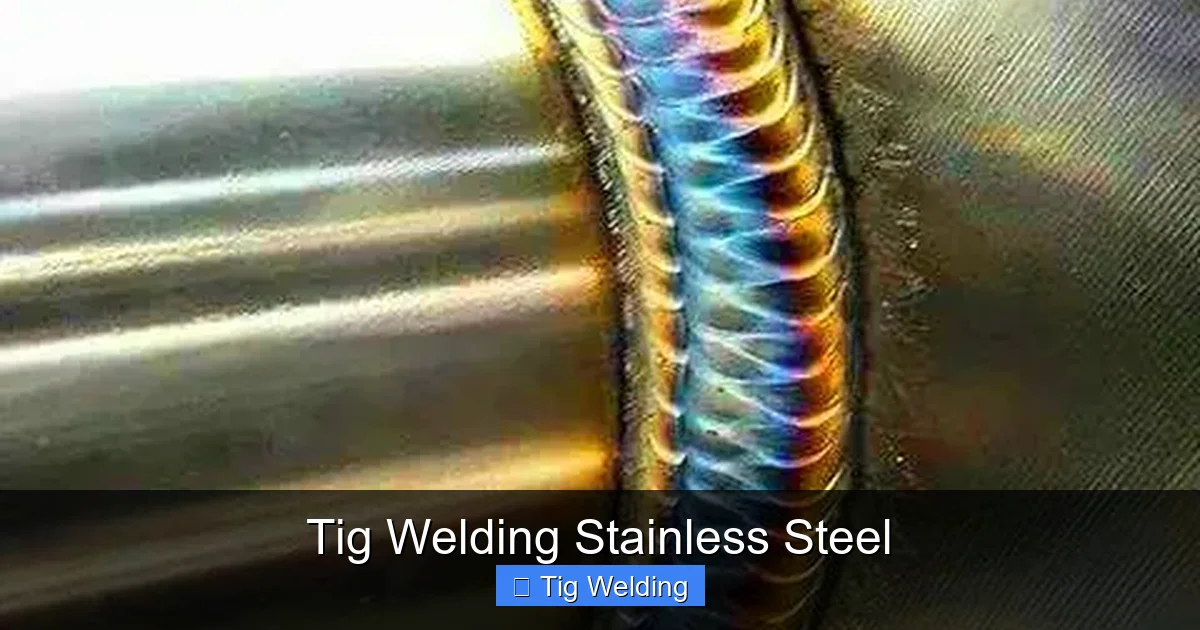
If your stainless steel has any existing heat tint or scale (which often appears as a bluish or brown discoloration after forming or prior welding), it must be removed. This can be done using:
- Stainless Steel Brushes: Use a brush specifically designated for stainless steel.
- Abrasive Pads: Use clean, non-metallic abrasive pads.
- Chemical Pickling/Passivation: For critical applications, professional pickling and passivation treatments are recommended to restore the chromium-rich oxide layer.
Grinding can be used, but it should be done carefully to avoid creating a rough surface and to ensure you don’t introduce carbon steel contaminants.
Fit-Up
Ensure a clean, tight fit-up of the joint. Gaps can lead to excessive weld metal deposition and increased heat input. For butt joints, ensure the edges are square and square. For fillet welds, ensure the parts are in good contact.
TIG Welding Technique for Stainless Steel
Now that your materials are prepped, it’s time to weld. Here’s how to approach the process:
Visual guide about Tig Welding Stainless Steel
Image source: blog.red-d-arc.com
Machine Settings
Settings will vary based on the thickness of the stainless steel, but here are general guidelines:
- Amperage: This is highly dependent on the material thickness. For thin stainless steel (e.g., 20 gauge, 0.035 inches), you might be around 30-60 amps. For thicker material (e.g., 1/4 inch), you could be upwards of 150-200 amps. It’s always best to practice on scrap pieces to dial in your settings.
- Polarity: DCEN (Direct Current Electrode Negative).
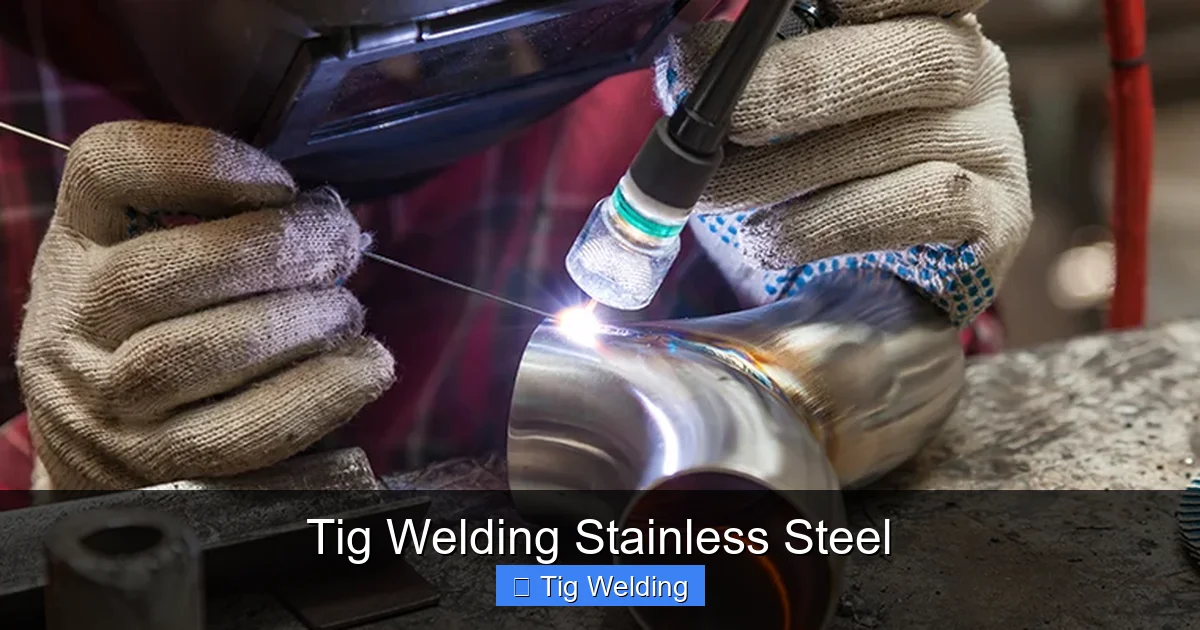
- Torch Angle: Aim for a torch angle of about 5-15 degrees in the direction of travel.
- Filler Rod Angle: Keep the filler rod at a shallow angle, about 10-20 degrees, and lightly dip it into the leading edge of the weld puddle. Avoid “dunking” the filler rod into the puddle, which can introduce porosity.
Arc Initiation and Control
When starting an arc, briefly touch the tungsten to the workpiece and immediately pull it away to establish the arc. Modern welders with high-frequency starts make this easier. As you weld, maintain a consistent arc length—typically the diameter of your tungsten electrode. A longer arc length leads to a wider, less controlled puddle and increased risk of contamination.
Pulsed TIG Welding
Pulsed TIG welding is a highly effective technique for stainless steel, especially for thinner materials or when minimizing heat input is critical. Pulsing allows the weld puddle to cool slightly between high-current peaks, reducing distortion and preventing burn-through. You’ll set a peak amperage (for melting) and a background amperage (for cooling), along with a pulse frequency and pulse width (duty cycle).
Example Pulsed Settings:
- Peak Amperage: Your standard welding amperage.
- Background Amperage: Typically 30-50% of peak amperage.
- Pulse Frequency (PPS – Pulses Per Second): For stainless steel, a slower pulse rate (0.5-5 PPS) can create a noticeable “stack of dimes” appearance and help with puddle control. Faster pulses (50-200 PPS) can provide finer bead appearance and improved heat control.
- Pulse Width (Duty Cycle): The percentage of time the machine is at peak amperage. A common starting point is 50% for even heat input.
Experimentation with pulsed settings is key to finding what works best for your specific application.
Adding Filler Metal
Feed the filler metal into the leading edge of the weld puddle. The goal is to add just enough filler to create a smooth, slightly convex bead. Over-filling can lead to a weak, undercut weld.
Travel Speed
Maintain a consistent and moderate travel speed. Too fast, and you won’t get proper fusion. Too slow, and you’ll introduce excessive heat, leading to warping and potential loss of corrosion resistance.
Post-Weld Treatment
Once your weld is complete, the process isn’t finished. Proper post-weld treatment is crucial for maintaining the integrity and appearance of stainless steel.
Cooling
Allow the weld to cool naturally. For some applications, rapid cooling might be required, but generally, natural cooling is preferred.
Cleaning the Weld Area
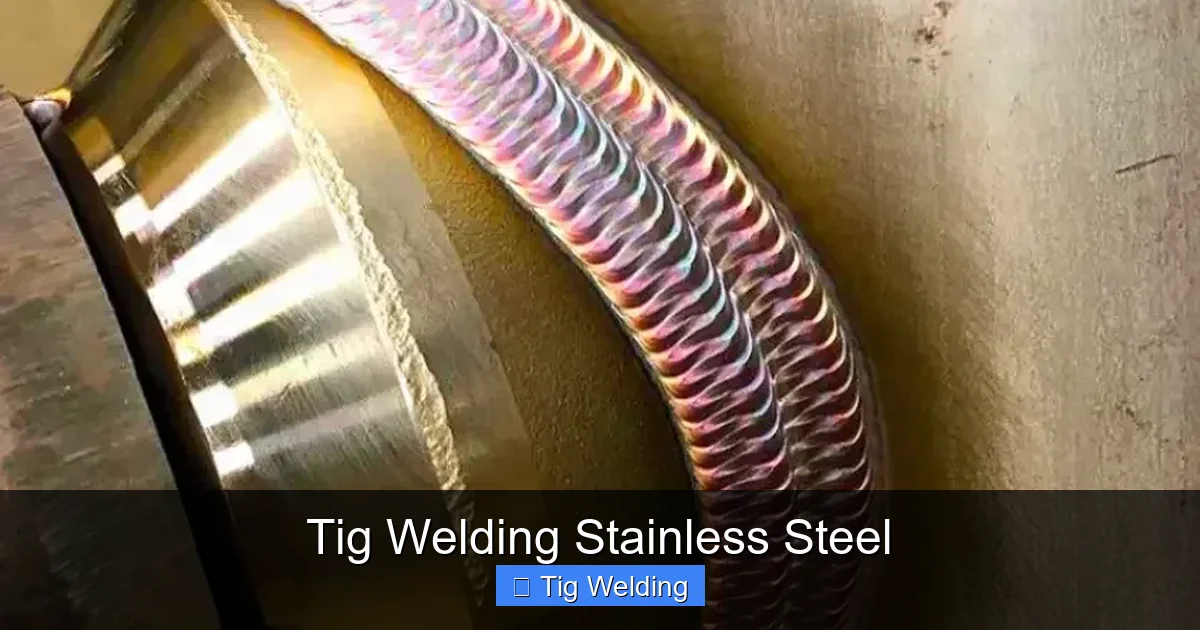
After cooling, you’ll likely see some heat tint (a bluish or straw-colored discoloration) around the weld. This is a form of chromium oxide and can reduce corrosion resistance. It must be removed.
- Mechanical Cleaning: Use a stainless steel wire brush (never a carbon steel brush) or a clean abrasive pad to remove the heat tint.
- Chemical Cleaning: For more thorough cleaning and to restore the passive layer, consider using a stainless steel pickling paste or solution. Follow the manufacturer’s instructions carefully, as these are often aggressive chemicals.
Passivation
Passivation is a chemical process that removes free iron from the surface and promotes the formation of a new, uniform, chromium-rich passive oxide layer. This significantly enhances corrosion resistance. While some pickling pastes also passivate, a dedicated passivation process is often recommended for critical applications. Again, follow manufacturer instructions or consult a professional.
Troubleshooting Common Issues
Even with careful preparation, you might encounter problems. Here are some common issues and their solutions:
Porosity
Cause: Contamination of the weld puddle from dirt, oil, moisture, or insufficient shielding gas.
Solution: Thoroughly clean the base metal and filler rod. Ensure adequate gas flow and that your shielding gas is not being blown away by drafts. Check your gas lens for damage.
Lack of Fusion or Incomplete Penetration
Cause: Insufficient amperage, travel speed too fast, or poor joint preparation.
Solution: Increase amperage, slow down your travel speed, and ensure your joint edges are properly prepared and fit.
Warping and Distortion
Cause: Excessive heat input, improper clamping, or welding too quickly.
Solution: Use pulsed TIG, minimize heat input by using the lowest effective amperage, tack weld thoroughly, and consider using clamping and back-purging techniques to counteract stresses.
Cracking
Cause: Using the wrong filler metal, contamination, or excessive grain growth due to overheating.
Solution: Ensure you’re using the correct filler metal for your base stainless steel. Practice proper cleaning and heat control. For certain alloys, preheating and post-heating might be necessary.
Burn-Through
Cause: Amperage too high for the material thickness, or travel speed too slow.
Solution: Reduce amperage, increase travel speed, or use pulsed TIG welding with a lower background amperage.
Conclusion
TIG welding stainless steel is a rewarding skill that opens up a world of possibilities for creating durable, functional, and aesthetically pleasing metalwork. By understanding the unique properties of stainless steel, preparing your materials meticulously, and employing the correct techniques with your TIG welder, you can achieve exceptional results. Remember to prioritize cleanliness, control your heat input, and always use the appropriate filler metal and shielding gas. With practice and attention to detail, you’ll soon be confidently TIG welding stainless steel to a professional standard.
