

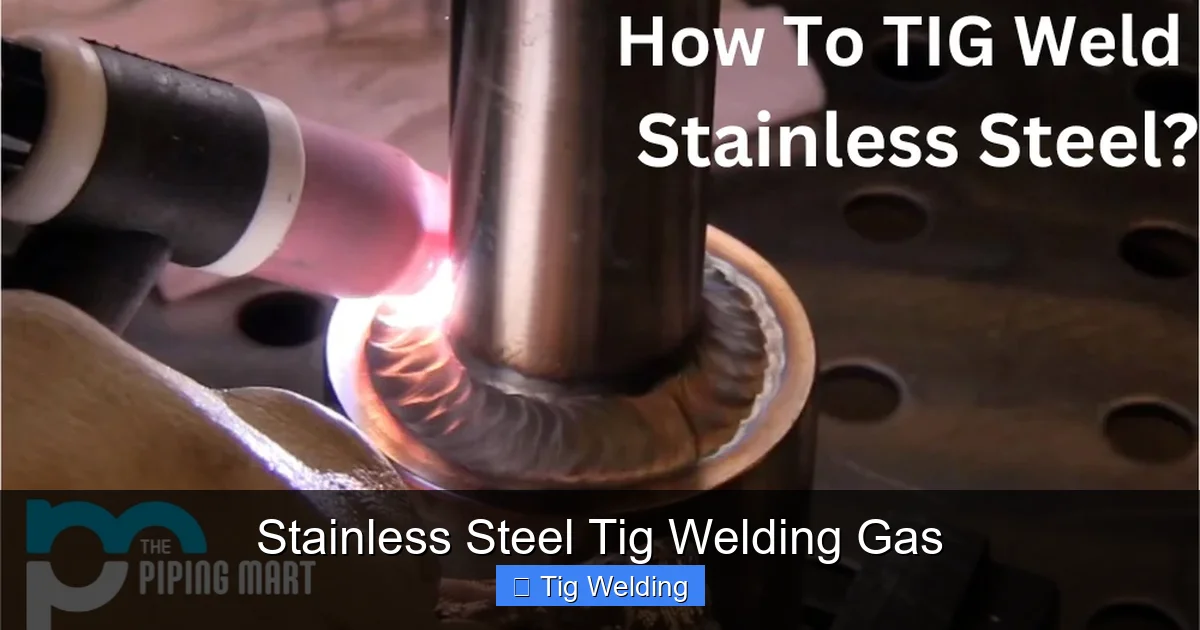
Choosing the right shielding gas is crucial for successful stainless steel TIG welding. This guide explores the properties of common gases like argon, helium, and their mixtures, explaining how each affects weld puddle fluidity, arc stability, and the final weld appearance. Learn to select the optimal gas for various stainless steel grades and joint types to achieve strong, clean, and visually appealing welds.
Stainless Steel TIG Welding Gas: Your Essential Guide
When it comes to TIG welding stainless steel, precision and control are paramount. You want welds that are not only structurally sound but also look clean and professional. One of the most significant factors influencing the quality of your stainless steel TIG welds is the shielding gas you choose. Get it wrong, and you’ll face issues like porosity, oxidation, and a lackluster finish. Get it right, and you’ll unlock the full potential of your stainless steel projects.
This comprehensive guide will walk you through everything you need to know about TIG welding gases for stainless steel. We’ll delve into the properties of common gases, explain how they interact with stainless steel, and provide practical advice on selecting the perfect gas for your specific needs. By the end of this guide, you’ll be equipped to make informed decisions and achieve superior results in your stainless steel TIG welding endeavors.
Key Takeaways
- Argon (Ar) is the most common TIG welding gas for stainless steel due to its excellent arc stability, low cost, and ability to produce clean welds.
- Helium (He) increases heat input, making it ideal for thicker stainless steel sections or when faster travel speeds are desired, but can lead to oxidation if not managed carefully.
- Carbon Dioxide (CO2) is generally NOT recommended for TIG welding stainless steel as it can cause excessive oxidation, reduce arc stability, and lead to brittle welds.
- Argon-Helium blends offer a balance of arc stability and heat input, improving puddle control and penetration for specific applications.
- Argon-Nitrogen (Ar-N2) blends are used for certain austenitic stainless steels, like 300 series, to improve mechanical properties, but require careful control to avoid nitrogen embrittlement.
- Gas flow rate is critical; too low and the weld is exposed to contamination, too high and it causes turbulence and waste.
- Proper nozzle size and distance from the tungsten electrode play a significant role in effective gas coverage and weld quality.
Understanding the Role of Shielding Gas
Before we dive into specific gases, let’s understand why shielding gas is so vital in TIG welding. The TIG (Tungsten Inert Gas) welding process uses a non-consumable tungsten electrode to create an arc that melts the base metal. This arc operates at extremely high temperatures, and the molten metal is highly susceptible to contamination from the surrounding atmosphere. Oxygen and nitrogen in the air can react with the molten weld pool, leading to a host of defects.
Shielding gas serves as a protective blanket, displacing atmospheric contaminants and preventing them from reaching the molten weld pool and the hot tungsten electrode. This inert shield ensures that the weld solidifies with the desired metallurgical properties, resulting in a clean, strong, and visually appealing weld bead.
The Primary Shielding Gases for Stainless Steel TIG Welding
For stainless steel TIG welding, the goal is to use an inert gas or a mixture of gases that will not react with the weld pool. The most common and effective gases are Argon and Helium, often used in various combinations.
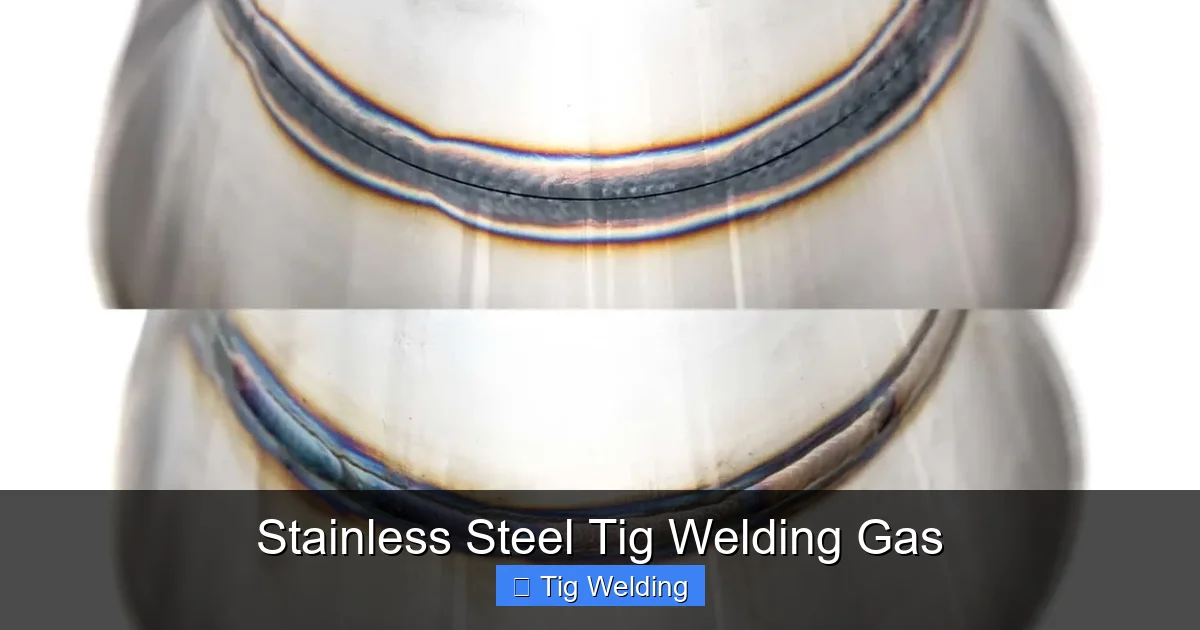
Visual guide about Stainless Steel Tig Welding Gas
Image source: weldguru.com
Argon (Ar): The Go-To Choice
Argon is the most widely used shielding gas for TIG welding, and for good reason. It’s an inert gas, meaning it doesn’t readily react with the metals being welded. Here’s why it’s so popular for stainless steel:
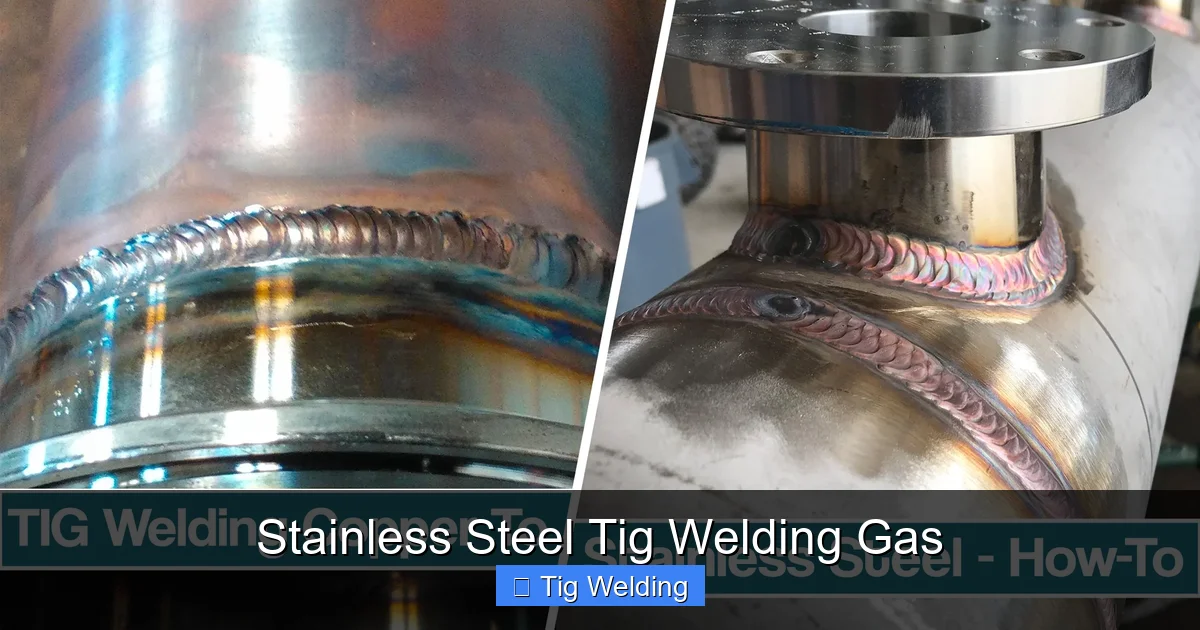
Visual guide about Stainless Steel Tig Welding Gas
Image source: weldingpros.net
- Excellent Arc Stability: Argon produces a smooth, stable arc that is easy to control, making it ideal for beginners and experienced welders alike. This stability allows for precise manipulation of the weld puddle.
- Good Cleaning Action: Argon provides sufficient “cleaning action” on the weld surface, helping to break up minor oxides and surface contaminants. This contributes to a cleaner weld bead.
- Lower Cost: Compared to helium, argon is generally more affordable, making it an economical choice for everyday welding tasks.
- Suitable for Thin Materials: Its moderate heat input makes argon an excellent choice for welding thinner stainless steel gauges where excessive heat can cause burn-through.
- Good for All Positions: Argon performs well in all welding positions, including flat, horizontal, vertical, and overhead.
When to use pure Argon:
- General purpose TIG welding of stainless steel.
- Welding thin to medium thickness stainless steel.
- Achieving a clean, shiny weld appearance.
- When budget is a consideration.
Helium (He): For Increased Heat and Speed
Helium is another inert gas that can be used for TIG welding stainless steel. It has different properties than argon, which can be advantageous in specific situations.
Visual guide about Stainless Steel Tig Welding Gas
Image source: weldingwatch.com
- Higher Heat Input: Helium conducts heat more efficiently than argon. This means it will introduce more heat into the weld puddle, resulting in a wider, flatter bead and faster travel speeds.
- Deeper Penetration: The increased heat from helium can lead to deeper penetration into the base metal, which is beneficial for thicker stainless steel sections.
- Less Cleaning Action: Helium has less inherent cleaning action compared to argon. This means that for heavily oxidized or contaminated stainless steel, you might need to rely more on proper cleaning techniques.
- Higher Cost: Helium is typically more expensive than argon.
- More Turbulence: Helium gas tends to be lighter and more diffusive, which can sometimes lead to more turbulence in the gas stream if not managed properly, potentially causing contamination.
When to use Helium:
- Welding thicker stainless steel sections (above 1/4 inch or 6mm).
- When faster welding speeds are required.
- To achieve a wider, flatter weld bead.
- For applications where higher heat input is necessary to combat heat sink in large parts.
Argon-Helium Blends: The Best of Both Worlds
Often, the ideal solution for stainless steel TIG welding lies in a blend of argon and helium. These mixtures allow welders to fine-tune the heat input and arc characteristics to suit the specific application.
- Increased Heat and Penetration: Adding helium to argon increases the overall heat input and penetration. Common blends range from 25% to 75% helium.
- Improved Puddle Fluidity: The extra heat can make the weld puddle more fluid and easier to control, especially on thicker materials or when bridging gaps.
- Faster Travel Speeds: With increased heat, you can often achieve faster travel speeds, boosting productivity.
- Balance of Arc Stability: While helium can cause more turbulence, a blend still retains much of the arc stability that argon provides.
Common Argon-Helium Blends and Their Uses:
- 75% Ar / 25% He: A good starting point for general stainless steel welding that requires a bit more heat than pure argon.
- 50% Ar / 50% He: Offers significant heat input for thicker materials.
- 25% Ar / 75% He: Provides maximum heat and penetration for very thick stainless steel sections.
Tips for using Ar-He blends:
- Experimentation is key: The optimal blend will depend on the specific stainless steel alloy, thickness, and joint design.
- Monitor for oxidation: While blends are generally good, be mindful of potential oxidation, especially with higher helium content. Ensure adequate gas coverage.
Argon-Nitrogen (Ar-N2) Blends: Specific Applications
While not as common as Argon or Argon-Helium blends for general stainless steel TIG welding, Argon-Nitrogen blends are used for specific applications, particularly with austenitic stainless steels (like 300 series).
- Improved Mechanical Properties: Nitrogen can enhance the strength and ductility of certain austenitic stainless steels.
- Arc Characteristics: Nitrogen can sometimes help stabilize the arc.
- Risk of Embrittlement: The key concern with nitrogen is the risk of forming brittle nitrides within the weld metal if not controlled properly. This is especially true for some grades of stainless steel or if excessive nitrogen is used.
When to use Ar-N2 blends:
- Primarily for specific grades of austenitic stainless steels (e.g., 304L, 316L) where improved mechanical properties are desired.
- When specified by engineering requirements for critical applications.
- Caution is advised: Always consult material specifications and welding procedures. Incorrect use can lead to weld defects.
Gases to AVOID for Stainless Steel TIG Welding
It’s crucial to understand which gases are detrimental to stainless steel TIG welding. The most important one to avoid is Carbon Dioxide (CO2).
- Carbon Dioxide (CO2): CO2 is reactive and will readily oxidize the molten weld pool and the tungsten electrode. This leads to:
- Excessive porosity (bubbles in the weld metal).
- Poor weld appearance (dull, rough, and oxidized surface).
- Reduced corrosion resistance of the stainless steel.
- Brittle welds that are prone to cracking.
While CO2 is used in MIG welding for some steels, it is generally unsuitable for TIG welding stainless steel.
Selecting the Right Gas: Key Considerations
Choosing the correct shielding gas involves evaluating several factors:
1. Stainless Steel Type
Different grades of stainless steel have varying alloying elements and sensitivities to oxidation. While argon is a safe bet for most, understanding the specific alloy can inform your choice. For example, some austenitic stainless steels might benefit from minor additions of nitrogen in specific applications, but this requires expertise.
2. Material Thickness
As discussed, thicker materials generally require more heat. This often points towards using helium or argon-helium blends to achieve adequate penetration and faster welding speeds.
3. Joint Design and Fit-up
For joints with larger gaps or when bridging, a more fluid puddle provided by increased heat (from helium) can be advantageous. Good fit-up, however, is always ideal to minimize the need for excessive filler or complex puddle manipulation.
4. Welding Position
While most common gases work in all positions, the increased fluidity from helium might make it slightly more challenging to control in vertical-up or overhead positions without specific technique adjustments.
5. Desired Weld Appearance
Pure argon typically yields the brightest, cleanest “stack of dimes” appearance on stainless steel. Adding helium can sometimes result in a slightly duller finish, although still acceptable.
6. Cost and Availability
Argon is readily available and cost-effective. Helium and blends are generally more expensive and might be less accessible in some areas.
Setting Up Your Gas Flow Rate
Once you’ve chosen your gas, setting the correct flow rate is crucial. This is arguably one of the most critical parameters for effective shielding.
General Guidelines for Flow Rate:
The ideal flow rate depends on several factors, including the nozzle size, torch height, and ambient conditions (e.g., drafts).
- Nozzle Size: Larger nozzles require higher flow rates to provide adequate coverage.
- Ambient Conditions: In windy environments or drafty workshops, you’ll need a higher flow rate to counteract the disruption.
- Torch Height: The distance from the tungsten to the workpiece also influences how well the gas blankets the weld.
Typical flow rates for stainless steel TIG welding are usually between 15 to 25 cubic feet per hour (CFH), or approximately 7 to 12 liters per minute (LPM).
How to Determine the Right Flow Rate:
- Start with the manufacturer’s recommendation: Your welding machine or gas supplier might have recommended flow rates for your specific setup.
- Use a flowmeter: Always use a flowmeter on your regulator to accurately measure the gas flow. Do not rely on pressure gauges alone.
- Perform a “finger test” (carefully): With the gas flowing, hold your gloved finger at the tip of the nozzle (without touching the tungsten). You should feel a gentle, consistent flow of gas. Too much will be turbulent, too little will feel weak.
- Visual inspection: After striking an arc, observe the weld area. If you see any discoloration (graying or browning), it indicates oxidation, and you likely need to increase your flow rate or check for drafts. A good weld will have a bright, shiny appearance.
- Listen to the arc: An improperly shielded arc might sound “spitty” or unstable. Proper shielding will result in a smooth, consistent arc sound.
Too low a flow rate will result in contamination of the tungsten and the weld, leading to porosity and poor weld quality. Too high a flow rate can cause excessive turbulence, drawing in atmospheric contaminants, and it’s wasteful, increasing your gas consumption.
Nozzle Size and Distance: Complementing Gas Coverage
The gas lens and the nozzle size you use are integral to effective gas coverage. A gas lens diffuses the shielding gas in a laminar (smooth, non-turbulent) flow, providing a wider, more consistent blanket over the weld pool. This is particularly beneficial for stainless steel, where cleanliness is key.
General Guidelines:
- Use the appropriate nozzle size for your gas lens and tungsten stick-out. Larger nozzles generally allow for higher gas flow rates and better coverage.
- Maintain a consistent tungsten stick-out. A common recommendation for stainless steel is to have the tungsten electrode extend about the diameter of the tungsten electrode beyond the nozzle. For example, if you’re using a 3/32″ tungsten, aim for about 3/32″ extension.
- Keep the nozzle at a consistent distance from the workpiece. Generally, the nozzle should be close enough to provide a concentrated shield but not so close that it touches the weld puddle or filler rod.
Troubleshooting Common Gas-Related Issues
Even with the best intentions, you might encounter issues. Here’s how to troubleshoot gas-related problems:
Problem: Porosity (pinholes or bubbles in the weld)
- Cause: Insufficient gas flow, drafts, contaminated base metal, improper gas lens setup, or wrong gas.
- Solution: Increase gas flow rate, use a draft shield, clean the base metal thoroughly, ensure the gas lens is properly assembled, and verify you’re using the correct gas (e.g., not CO2).
Problem: Tungsten Contamination (tungsten particles in the weld or on the electrode)
- Cause: Arc too long, insufficient gas flow, tungsten touching the weld puddle, or arc starting/stopping improperly.
- Solution: Reduce arc length, increase gas flow, maintain proper torch distance, and practice controlled arc starts and stops.
Problem: Discoloration (gray or brown tint on the weld bead)
- Cause: Oxidation due to insufficient shielding gas coverage.
- Solution: Increase gas flow rate, use a larger nozzle or gas lens, ensure no drafts are affecting the weld area, and reduce travel speed slightly to allow adequate shielding.
Problem: Poor Penetration or Narrow Weld Bead
- Cause: Insufficient heat input.
- Solution: Consider switching to a higher helium content blend or increasing amperage. Ensure your gas flow isn’t excessively high, as this can sometimes cool the arc.
Conclusion
Mastering stainless steel TIG welding gas selection is a cornerstone of achieving high-quality welds. While pure argon remains the reliable workhorse for most applications, understanding the benefits of helium and argon-helium blends opens up possibilities for welding thicker materials and increasing efficiency. Always remember the importance of proper setup, including gas flow rate, nozzle size, and torch distance, as these elements work in concert with your chosen gas to provide the essential protective shield.
By carefully considering your material, joint design, and desired outcome, and by paying close attention to the practical aspects of gas management, you can significantly elevate the quality, strength, and appearance of your stainless steel TIG welds. Happy welding!
