

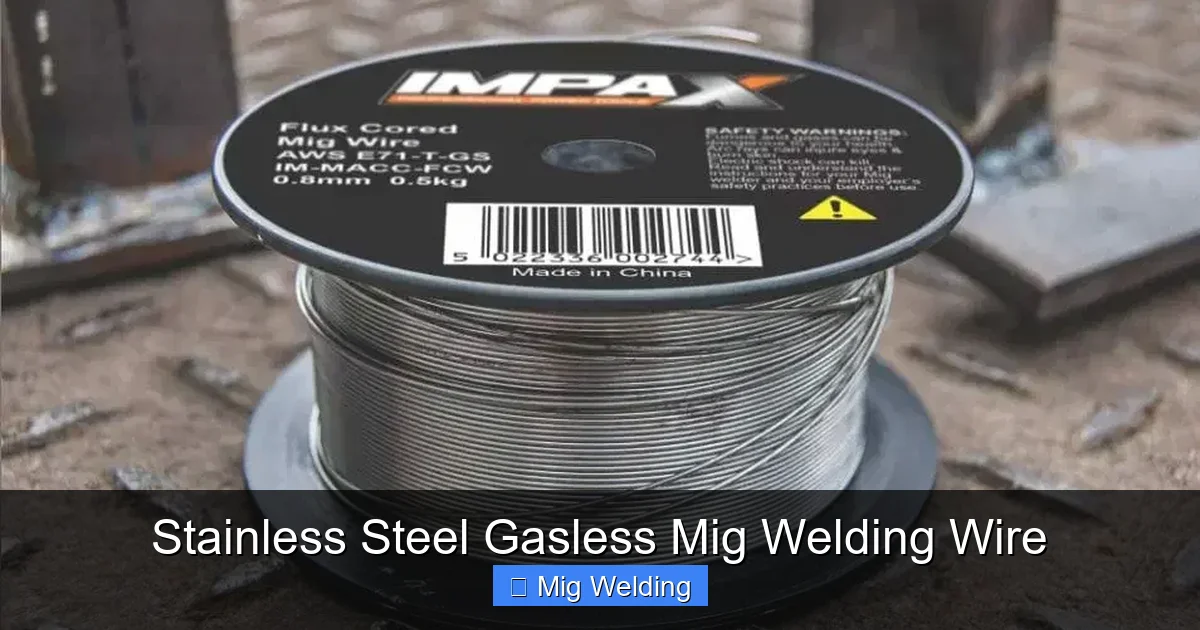
Stainless steel gasless MIG welding wire lets you weld outdoors or in drafty areas without needing shielding gas. This guide covers everything from setup to troubleshooting, helping you achieve clean, strong welds on stainless steel with ease.
Key Takeaways
- Gasless welding works outdoors: No shielding gas means you can weld in windy or drafty conditions without losing weld quality.
- Choose the right wire diameter: Common sizes are 0.030″ and 0.035″—match the wire to your material thickness and welder capacity.
- Use a MIG welder with flux-core capability: Not all MIG welders support gasless welding—check your machine’s specs before starting.
- Clean the base metal thoroughly: Stainless steel must be free of oil, rust, and dirt to prevent contamination and ensure strong welds.
- Adjust voltage and wire feed speed: Proper settings prevent spatter, porosity, and weak joints—start with manufacturer recommendations and fine-tune.
- Weld in short bursts with a push technique: This helps control heat and reduces distortion on thin stainless steel.
- Post-weld cleanup is essential: Remove slag and discoloration with a stainless steel wire brush or pickling paste to maintain corrosion resistance.
What Is Stainless Steel Gasless MIG Welding Wire?
Stainless steel gasless MIG welding wire, also known as flux-cored stainless steel wire, is a self-shielding welding electrode designed for MIG (Metal Inert Gas) welding without the need for external shielding gas. Unlike solid wire that requires argon or argon-CO2 mix, this wire contains a flux compound inside its hollow core. When heated, the flux creates a protective gas shield and forms a slag layer over the weld pool, preventing contamination from oxygen and nitrogen in the air.
This makes it ideal for outdoor welding, repair work, or environments where wind or drafts would disrupt gas flow. It’s commonly used on 304, 316, and 409 stainless steel grades in applications like automotive exhaust systems, food processing equipment, and outdoor railings.
Why Choose Gasless MIG Welding for Stainless Steel?
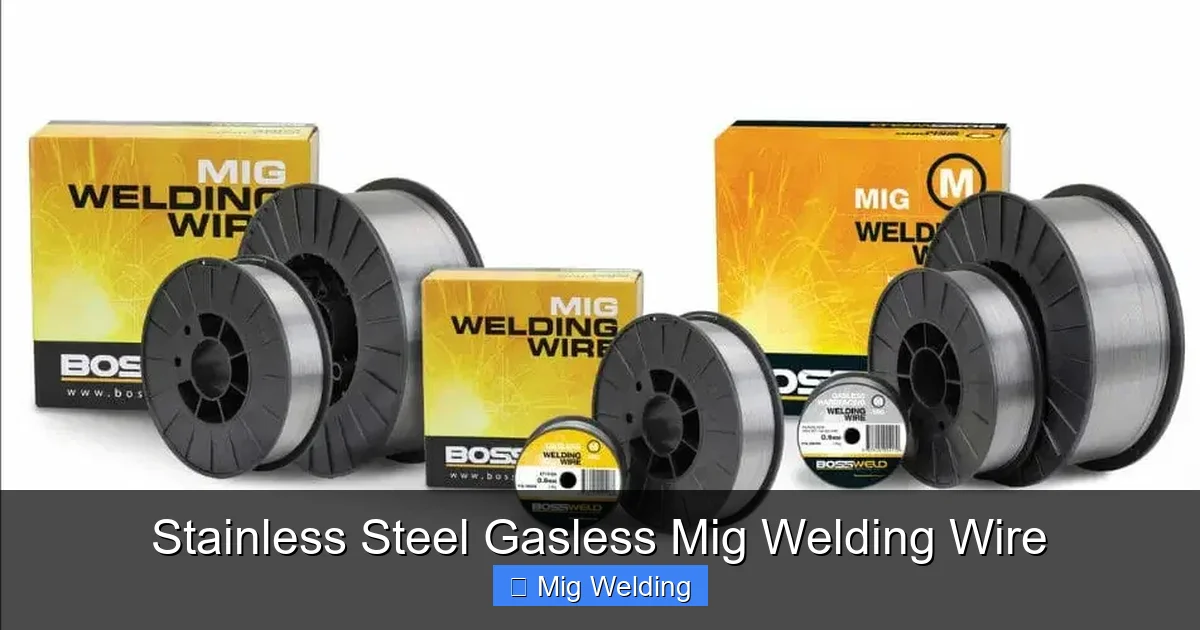
Visual guide about Stainless Steel Gasless Mig Welding Wire
Image source: cdn.sheetstainlesssteel.com
Gasless MIG welding offers several advantages, especially when working with stainless steel in less-than-ideal conditions.
No Shielding Gas Needed
You don’t need to carry heavy gas cylinders or worry about gas flow being disrupted by wind. This makes it perfect for field repairs, farm equipment, or construction sites.
Portability and Convenience
With no gas setup, your welding rig becomes more mobile. Just plug in your welder, load the wire, and start welding—ideal for quick fixes or remote jobs.
Cost-Effective for Small Projects
While gasless wire can be slightly more expensive per pound than solid wire, you save on gas costs and equipment. For hobbyists or small shops, this balance makes sense.
Good Penetration and Strength
Modern flux-cored stainless wires deliver deep penetration and strong mechanical properties, suitable for structural and decorative welds alike.
Equipment and Materials You’ll Need
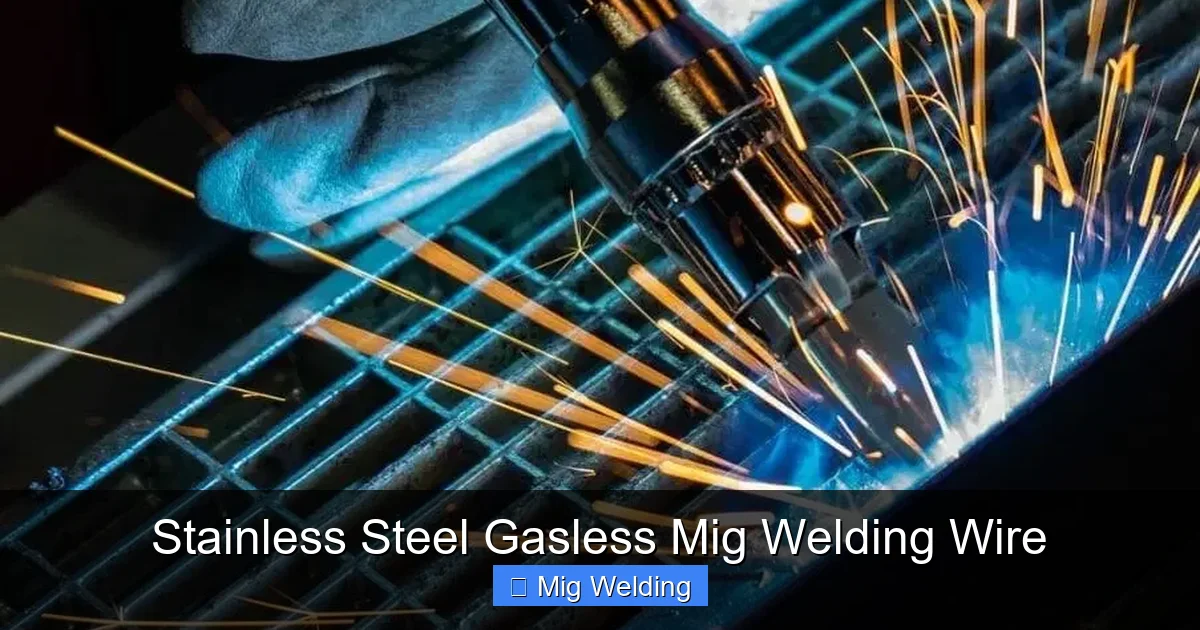
Visual guide about Stainless Steel Gasless Mig Welding Wire
Image source: cdn.sheetstainlesssteel.com
Before you begin, make sure you have the right tools and materials.
MIG Welder with Flux-Core Mode
Not all MIG welders can handle flux-cored wire. Check your machine’s manual—it must support “flux-core” or “gasless” welding. Most modern MIG welders have a switch or setting for this.
Stainless Steel Gasless Wire
Look for wires labeled E308LT-1, E309LT-1, or E316LT-1. These are common flux-cored stainless steel wires compatible with different base metals. Choose 0.030″ for thin materials (18–14 gauge) and 0.035″ for thicker steel (12 gauge and up).
Wire Feeder and Drive Rolls
Use V-groove or U-groove drive rolls designed for flux-cored wire. Knurled rolls can crush the soft flux core. Ensure your liner is clean and compatible.
Safety Gear
Always wear a welding helmet with auto-darkening lens, flame-resistant gloves, long sleeves, and closed-toe shoes. Work in a well-ventilated area—flux fumes can be harmful.
Cleaning Tools
Have a stainless steel wire brush, grinder, or pickling paste on hand to clean the weld area and post-weld slag.
Step-by-Step Guide to Welding with Gasless Stainless Steel Wire
Follow these steps for strong, clean welds every time.
Step 1: Prepare the Workpiece
Clean the stainless steel surface thoroughly. Remove oil, grease, paint, rust, or mill scale using a degreaser and stainless steel brush. Avoid carbon steel brushes—they can contaminate the stainless surface. Let the metal dry completely.
Step 2: Set Up Your Welder
Turn off the welder and install the gasless wire. Thread it through the liner and into the drive rolls. Use the correct polarity: flux-cored wire typically runs on DC electrode negative (DCEN), also called straight polarity. Check your wire manufacturer’s recommendation.
Set the wire feed speed and voltage according to the wire specs and material thickness. For example:
– 0.030″ wire on 16-gauge steel: 200–240 IPM wire speed, 18–20 volts
– 0.035″ wire on 12-gauge steel: 260–300 IPM, 20–22 volts
Start with the lower end and adjust as needed.
Step 3: Adjust Travel Speed and Technique
Use a push technique (nozzle pointing in the direction of travel) to improve visibility and reduce spatter. Hold the gun at a 10–15 degree angle. Move steadily—too slow causes burn-through; too fast leads to lack of fusion.
For thin stainless steel, use short weld bursts (2–3 seconds) with pauses to control heat buildup and prevent warping.
Step 4: Start Welding
Strike an arc by tapping the gun against the metal or using a scratch start. Begin at one end of the joint and move smoothly along the seam. Keep the arc length short—about 1/4 inch from the workpiece.
Listen for a steady “frying” sound. If it’s too loud or sputtering, adjust voltage or wire speed.
Step 5: Overlap Weld Passes (If Needed)
For thicker materials, use multiple passes. Clean slag between passes with a wire brush. Overlap each pass by about 1/3 to ensure full fusion.
Troubleshooting Common Issues
Even with the best setup, problems can arise. Here’s how to fix them.
Porosity (Holes in the Weld)
Caused by moisture, oil, or wind disrupting the flux shield. Solution: Clean the base metal, weld in sheltered areas, and ensure the wire isn’t damp.
Excessive Spatter
Often due to high voltage or incorrect wire feed speed. Reduce voltage slightly or increase wire speed. Also, check for proper grounding.
Weak or Incomplete Fusion
Happens when travel speed is too fast or voltage too low. Slow down and increase voltage. Ensure the joint fit-up is tight.
Wire Feeding Problems
Flux-cored wire is softer and can birdnest or jam. Use the right drive rolls, keep the liner clean, and avoid sharp bends in the cable.
Discoloration or Oxidation
Stainless steel can discolor if overheated. Use lower heat input, shorter welds, and post-weld cleaning. Avoid excessive weaving.
Post-Weld Cleaning and Finishing
After welding, the slag must be removed to restore corrosion resistance and appearance.
Remove Slag
Use a stainless steel wire brush (dedicated to stainless only) to chip off the slag. Do not use a hammer—it can embed carbon steel particles.
Clean the Surface
Wipe the weld with a clean cloth and mild solvent. For heavy oxidation, apply stainless steel pickling paste, let it react, then rinse and dry.
Polish (Optional)
For aesthetic finishes, use a flap disc or polishing wheel to blend the weld with the surrounding metal. Always follow the grain direction.
Safety Tips and Best Practices
Welding stainless steel gasless still involves risks. Stay safe with these tips.
- Always wear proper PPE—helmet, gloves, and protective clothing.
- Work in a well-ventilated area or use an exhaust fan. Flux fumes contain manganese and chromium, which can be harmful if inhaled.
- Never weld on galvanized steel with stainless wire—zinc fumes are toxic.
- Keep a fire extinguisher nearby. Sparks can travel far.
- Inspect your equipment regularly for worn parts or loose connections.
When to Use Gasless vs. Gas-Shielded Wire
Gasless wire is great for outdoor or drafty environments, but it’s not always the best choice.
Use gasless when:
– Welding outdoors or in windy conditions
– Portability is important
– You’re doing repair work or light fabrication
Use gas-shielded (solid) wire when:
– You need a cleaner, slag-free weld
– Working indoors with controlled conditions
– Aesthetic finish is critical (e.g., kitchen equipment)
For most hobbyists and field welders, gasless offers a practical balance of performance and convenience.
Conclusion
Stainless steel gasless MIG welding wire opens up new possibilities for welding stainless steel without the hassle of shielding gas. With the right equipment, settings, and technique, you can produce strong, durable welds even in challenging environments. Remember to clean your material, adjust your welder properly, and take your time with travel speed and heat control. Post-weld cleanup is just as important—don’t skip the brushing and pickling steps. Whether you’re fixing a trailer, building a railing, or repairing farm equipment, mastering gasless MIG welding gives you flexibility and confidence. Practice on scrap metal first, and soon you’ll be welding stainless steel like a pro—no gas tank required.
