

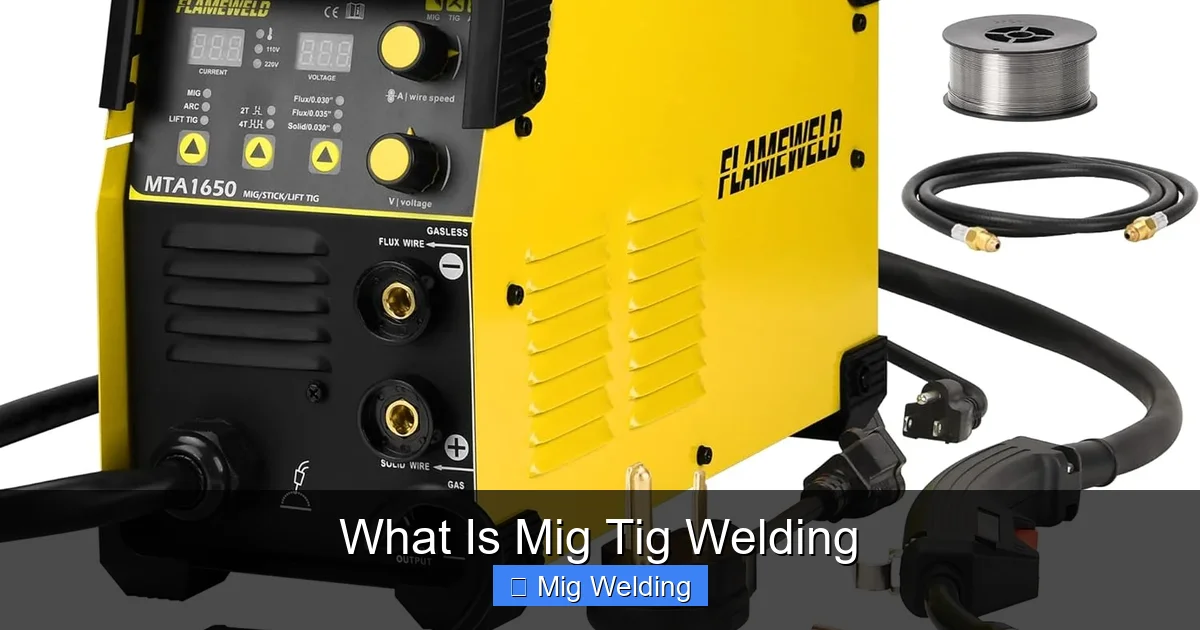
MIG and TIG welding are two popular methods used in metal fabrication. This guide explains what each process is, how they work, and provides step-by-step instructions for beginners. Whether you’re a hobbyist or a professional, you’ll find valuable tips to improve your welding skills.
Key Takeaways
- MIG and TIG welding are distinct processes with different techniques and applications.
- MIG welding uses a consumable wire electrode and is known for its speed and ease of use.
- TIG welding employs a non-consumable tungsten electrode, offering precision and clean welds.
- Choosing between MIG and TIG depends on the project type, material, and desired finish.
- Safety precautions are essential; always wear protective gear and work in a well-ventilated area.
- Practice and proper setup are key to mastering both welding techniques.
What Is MIG TIG Welding?
Welding is a crucial skill in metalworking, construction, and manufacturing. Among the many welding techniques, MIG (Metal Inert Gas) and TIG (Tungsten Inert Gas) welding are two of the most popular. While they share some similarities, they are quite different in how they work, what they are best used for, and their results. This guide will explain what each process entails, how they differ, and how you can get started with them.
Understanding the Basics of MIG and TIG Welding
Before diving into the step-by-step instructions, let’s clarify what each process involves.
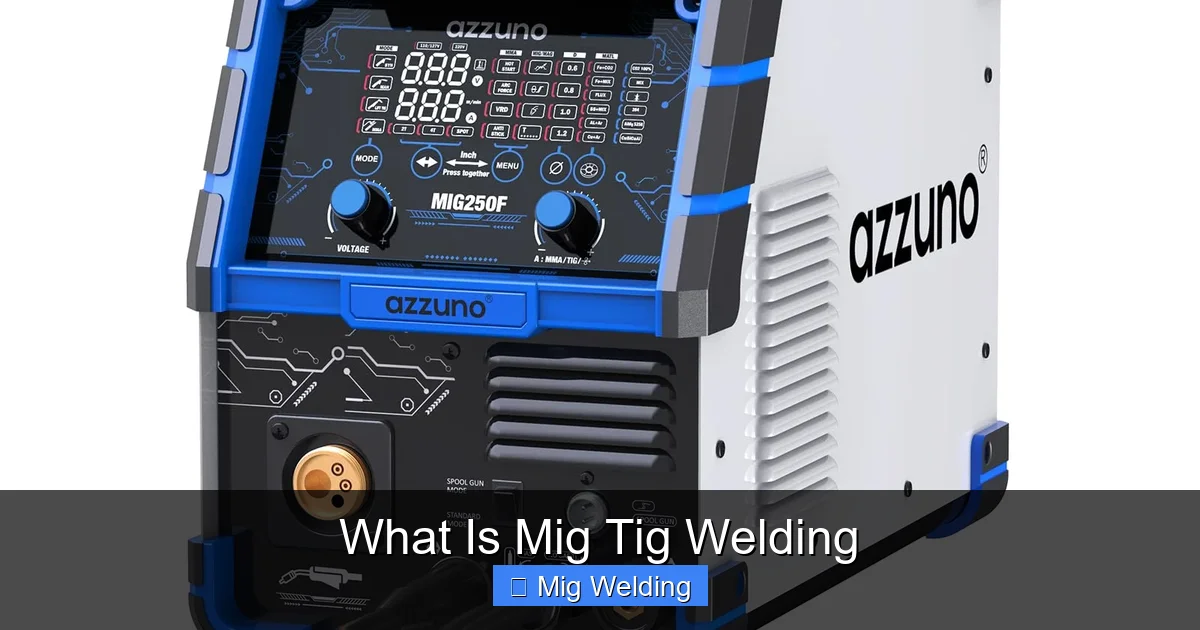
Visual guide about What Is Mig Tig Welding
Image source: m.media-amazon.com
MIG Welding
MIG welding, also called Gas Metal Arc Welding (GMAW), uses a continuous wire electrode that acts as both the filler material and the electrode. The process involves feeding this wire through a welding gun into the weld pool, where it melts and fuses the base metals together. An inert shielding gas, typically argon or a mixture, protects the weld from contamination.
TIG Welding
TIG welding, or Gas Tungsten Arc Welding (GTAW), uses a non-consumable tungsten electrode to produce the weld. The welder manually feeds a separate filler rod into the weld pool if needed. Shielding gas, often pure argon, surrounds the tungsten electrode to prevent oxidation and contamination, resulting in precise, clean welds.
Key Differences Between MIG and TIG Welding
- Ease of Use: MIG welding is simpler for beginners, while TIG requires more skill and control.
- Speed: MIG is faster, making it suitable for larger projects.
- Precision: TIG offers superior precision and cleaner welds, ideal for detailed work.
- Materials: MIG works well on thicker metals; TIG is better for thin materials and specialty metals like aluminum and stainless steel.
- Equipment Cost: TIG equipment tends to be more expensive and complex.
Getting Started with MIG Welding
If you’re new to welding, MIG is a great place to start because of its simplicity and forgiving nature. Here’s a step-by-step guide to help you get started with MIG welding.
Step 1: Gather Your Equipment
- Welding machine: Ensure it supports MIG welding and has adjustable settings.
- Welding gun: Comes with the machine, usually with a trigger.
- Wire electrode: Choose the appropriate wire type (e.g., ER70S-6 for mild steel).
- Shielding gas: Typically 75% argon / 25% CO2 mix for mild steel.
- Protective gear: Helmet, gloves, apron, and safety glasses.
Step 2: Set Up the Machine
- Install the wire spool: Make sure the wire feeds smoothly without tangles.
- Connect the gas supply: Attach the shielding gas hose to your regulator and turn it on.
- Adjust settings: Set the voltage and wire feed speed according to the thickness of your material (refer to the machine manual).
Step 3: Prepare Your Workspace
- Clean the metal: Remove rust, paint, or oil to ensure good weld quality.
- Secure your materials: Clamp the pieces together to prevent movement.
- Wear safety gear: Always protect yourself before starting.
Step 4: Start Welding
- Position the gun: Hold it at a 10-15 degree angle to the workpiece.
- Begin the arc: Squeeze the trigger to start the wire feed and create the arc.
- Move steadily: Maintain a consistent speed and distance from the workpiece for even welds.
- Adjust as needed: Modify speed or angle if the weld is too thin, thick, or uneven.
Step 5: Finish and Inspect
- Stop the weld: Release the trigger and let the weld cool.
- Inspect the weld: Look for smooth, uniform beads without cracks or porosity.
- Clean the weld: Remove slag or spatter with a wire brush if necessary.
Getting Started with TIG Welding
TIG welding provides excellent control and is perfect for delicate or high-quality work. Here’s how to begin:
Step 1: Gather Your Equipment
- TIG welding machine: Ensure it supports TIG welding with adjustable current.
- Tungsten electrode: Choose the correct type (e.g., 2% thoriated for steel, lanthanated for aluminum).
- Filler rod: Select compatible with your base material.
- Shielding gas: Usually pure argon.
- Protective gear: Helmet, gloves, apron, safety glasses.
Step 2: Set Up the Equipment
- Insert the tungsten: Secure it in the torch, with the tip sharpened to a point or slightly rounded.
- Connect the gas: Turn on the argon supply and check for leaks.
- Adjust the settings: Set the amperage based on material thickness.
Step 3: Prepare Your Workspace
- Clean the materials: Remove dirt, oil, and oxidation.
- Clamp and secure: Prevent movement during welding.
- Wear safety gear: Always prioritize safety.
Step 4: Start Welding
- Initiate the arc: Hold the tungsten close to the workpiece without touching it.
- Maintain a steady hand: Keep a consistent distance, usually about 1/8 inch from the tungsten tip to the workpiece.
- Feed filler rod: As the weld pool forms, feed the filler material smoothly into the molten metal.
- Control the heat: Move slowly and steadily for clean, precise welds.
Step 5: Finish and Clean
- Turn off the arc: Once complete, release the trigger and allow the weld to cool.
- Inspect the weld: Look for a smooth, shiny bead with no cracks or porosity.
- Clean the area: Remove any slag or spatter with a wire brush.
Practical Tips for Successful Welding
- Practice regularly: Welding is a skill that improves with time.
- Use the right equipment: Match your tools and settings to your project.
- Maintain proper safety: Always wear protective gear and work in a ventilated area.
- Adjust your technique: Small changes in angle, speed, and distance can greatly affect weld quality.
- Clean materials: Clean, rust-free surfaces lead to better welds.
- Learn from mistakes: Analyze bad welds to improve your technique.
Troubleshooting Common Welding Problems
- Porosity (holes in weld): Caused by contaminated gas or dirty surfaces. Fix by cleaning materials and checking the shielding gas flow.
- Cracks or weak welds: May result from incorrect heat settings or poor technique. Adjust heat and slow down your movement.
- Spatter: Excessive spatter indicates improper wire speed or angle. Fine-tune your settings and technique.
- Undercut (groove along weld): Increase the voltage or slow down movement for a better weld bead.
Conclusion
Both MIG and TIG welding are valuable skills for anyone working with metals. MIG welding offers ease and speed, making it perfect for beginners and large projects. TIG welding provides precision and a high-quality finish, suited for detailed or delicate work. By understanding the basics, setting up your equipment correctly, and practicing regularly, you can master both techniques. Remember, safety always comes first, so wear protective gear and work in a safe environment. With patience and practice, you’ll soon be creating strong, beautiful welds in your projects.
