

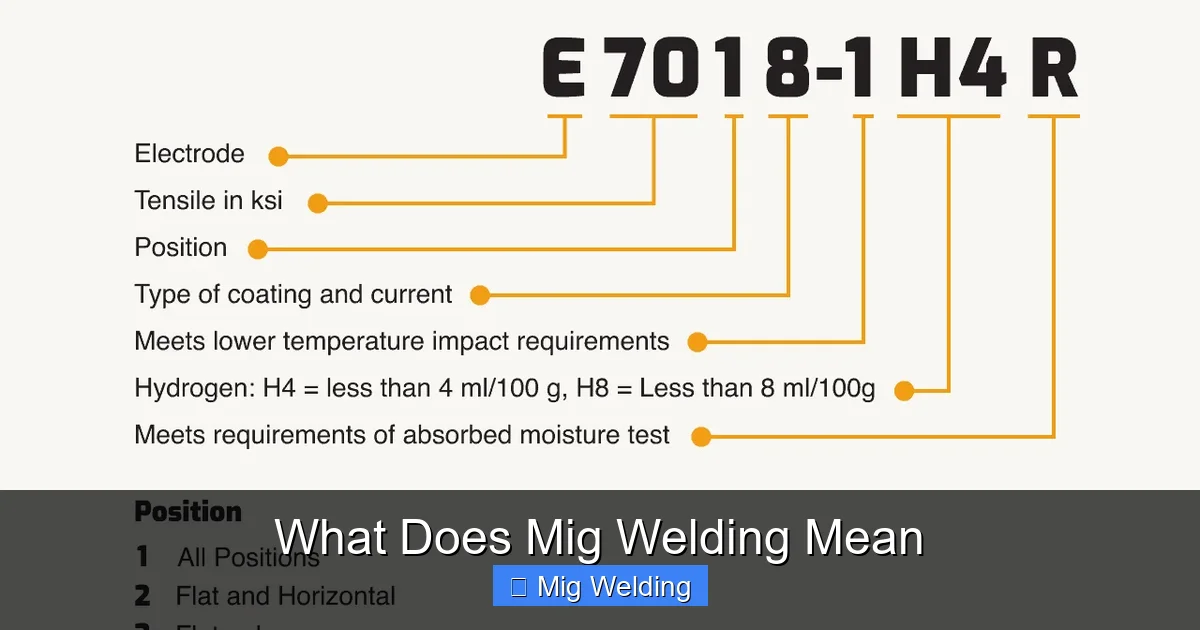
MIG welding, also known as Gas Metal Arc Welding (GMAW), is a popular welding process that uses a continuous wire electrode and shielding gas to join metals. In this guide, you’ll learn what MIG welding means, how it works, and tips for getting started or improving your skills.
What Does MIG Welding Mean
If you’re interested in welding or looking to improve your skills, understanding the basics is essential. One of the most popular welding processes today is MIG welding. But what exactly does MIG welding mean? In this guide, we’ll explore the ins and outs of MIG welding, how it works, and how you can get started or enhance your technique.
Key Takeaways
- MIG welding stands for Metal Inert Gas welding: It uses a wire electrode fed through a welding gun and shielded by an inert or semi-inert gas.
- It’s a versatile and user-friendly welding method: Ideal for beginners and professionals, suitable for various metals like steel, aluminum, and stainless steel.
- The process involves creating an electric arc: Between the wire electrode and the workpiece, melting both to form a strong weld.
- Proper equipment and safety gear are essential: Including a welding machine, wire feed system, shielding gas, and protective gear.
- Mastering MIG welding involves understanding settings and techniques: Such as voltage, wire speed, and travel angle for optimal results.
- Common issues include porosity and weld spatter: Troubleshooting involves checking gas flow, wire quality, and technique.
- MIG welding is widely used in industries: From automotive repairs to manufacturing, thanks to its efficiency and ease of use.
Introduction to MIG Welding
MIG welding stands for Metal Inert Gas welding. It is also known as Gas Metal Arc Welding (GMAW). This process uses a continuous wire electrode fed through a welding gun. The wire acts as both the electrode and the filler metal, melting to join metals together. Shielding gas surrounds the weld area to prevent contamination and ensure a clean, strong weld.
This method is popular because it’s fast, versatile, and easier to learn compared to other welding techniques. Whether you’re working on a car, making furniture, or repairing steel structures, MIG welding can be your go-to method.
Understanding the Basics of MIG Welding
Components of a MIG Welding Setup
- Welding Machine: Provides the power needed to create the electric arc.
- Wire Feed System: Delivers a continuous wire electrode to the welding gun.
- Welding Gun: The handheld device that directs the wire and shielding gas to the weld area.
- Shielding Gas: Usually argon, carbon dioxide, or a mix, which protects the weld from atmospheric contamination.
- Ground Clamp: Completes the electrical circuit and ensures safety.
How MIG Welding Works
The process involves creating an electric arc between the continuously fed wire electrode and the metal workpiece. The heat from the arc melts both the wire and the base metal, forming a weld pool. The shielding gas flows around the weld area, preventing oxidation and contamination. As the wire melts, it fills the joint, creating a strong bond once cooled.
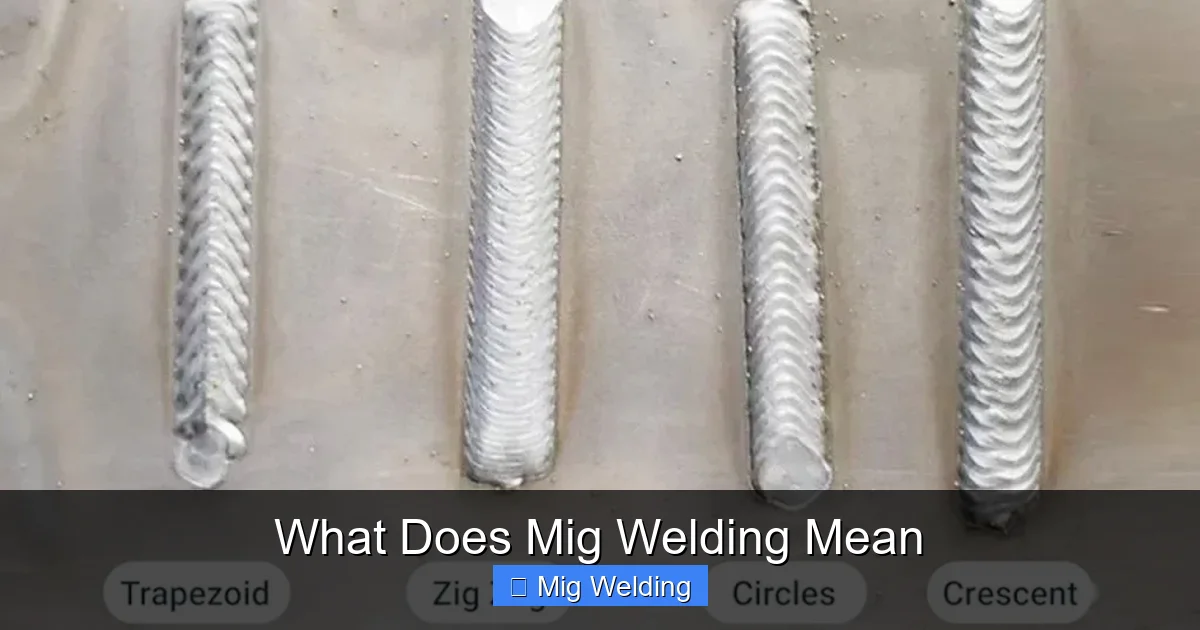
Visual guide about What Does Mig Welding Mean
Image source: weldingproperty.com
Step-by-Step Guide to MIG Welding
Step 1: Prepare Your Workspace and Materials
Start by choosing a well-ventilated area. Clear the workspace of flammable materials. Gather your materials: MIG welder, appropriate wire, shielding gas, safety gear (helmet, gloves, apron). Ensure your workpieces are clean and free of rust, oil, or paint.
Step 2: Set Up Your Welding Equipment
Connect the Power and Gas
- Plug in your MIG welder and connect the grounding clamp to your workpiece or worktable.
- Attach the gas hose to the regulator and ensure there are no leaks.
- Set the correct flow rate of shielding gas, usually 20-30 CFH (cubic feet per hour).
Load the Wire and Adjust Settings
- Insert the wire spool into the wire feed mechanism.
- Adjust the wire feed speed based on the wire diameter and material thickness.
- Set the voltage according to the metal type and thickness (consult your welder’s manual).
Step 3: Wear Safety Gear
Always wear a welding helmet with the appropriate shade, gloves, long sleeves, and protective boots. Proper safety gear protects you from sparks, UV rays, and hot metal splatter.
Step 4: Practice Your Technique
Before starting on your main project, practice on scrap metal. Hold the gun at a 10-15 degree angle, about ¼ inch from the workpiece. Use consistent speed and keep the arc steady.
Step 5: Start Welding
- Pull the trigger to start the wire feed and create the arc.
- Move the gun steadily along the joint, maintaining a consistent travel speed.
- Keep the arc length (distance from the gun to the weld pool) steady for good penetration.
Step 6: Finishing and Cleanup
Once finished, release the trigger and let the wire stop feeding. Allow the weld to cool. Clean the weld area with a wire brush to remove slag or spatter. Inspect your weld for defects and practice for improvement.
Practical Tips for Better MIG Welding
- Maintain proper shielding gas flow to prevent porosity.
- Use the right wire type and diameter for your material.
- Keep a steady hand and consistent speed.
- Adjust your settings based on material thickness and type.
- Avoid welding in windy conditions—shielding gas can escape, causing weld contamination.
Common Problems and Troubleshooting
Porosity (holes in the weld)
This occurs when the shielding gas doesn’t fully protect the weld pool. Increase gas flow rate or check for leaks.
Spatter
Spatter can be caused by incorrect wire speed or voltage. Fine-tune your settings and ensure proper gun angle.
Inconsistent Weld Bead
Maintain a steady hand and uniform travel speed. Check for loose wire feed or electrical issues.
Conclusion
MIG welding is a versatile, efficient, and beginner-friendly welding process perfect for many projects. Understanding what MIG welding means and how to set up and operate the equipment will help you produce strong, clean welds. Practice regularly, follow safety protocols, and keep learning to master this valuable skill.
Additional Resources
- Welding safety tips
- Recommended MIG welding machines for beginners
- Video tutorials for MIG welding techniques
