

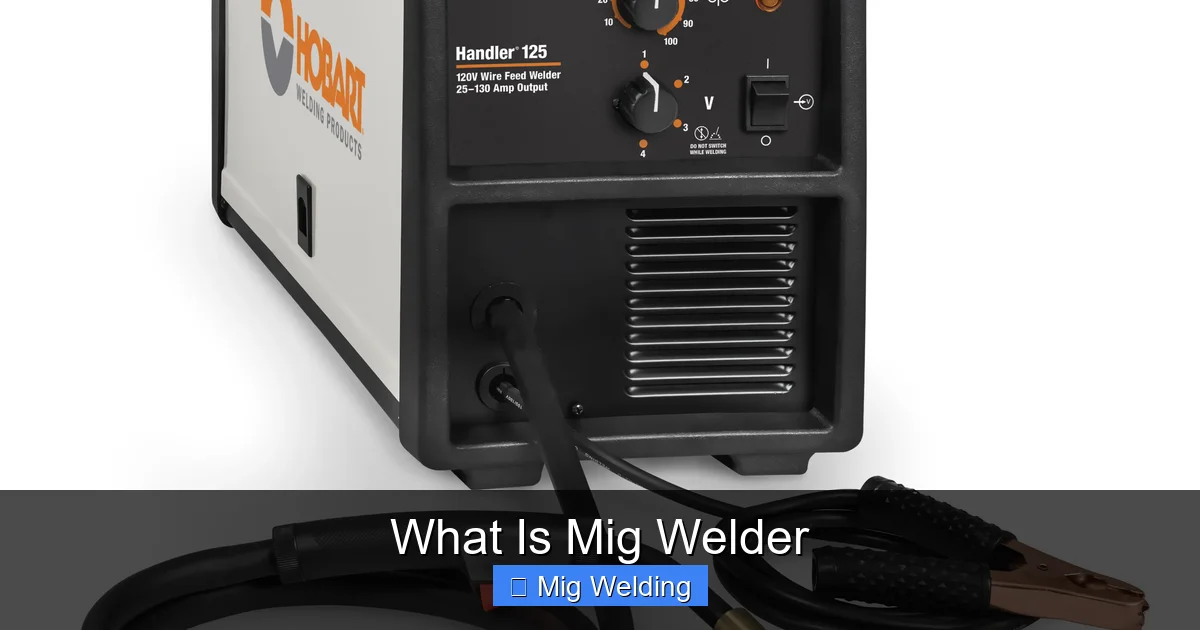
A MIG welder is a popular welding machine that uses a continuous wire feed and shielding gas to create strong, clean welds. Ideal for beginners and professionals alike, it offers ease of use and versatility. In this guide, you’ll learn what a MIG welder is, how it works, and how to get started with it.
What Is MIG Welder
If you’re interested in welding, you’ve probably heard of a MIG welder. But what exactly is it? How does it work? And why is it so popular? In this guide, we’ll explore everything you need to know about MIG welding machines. Whether you’re a beginner or an experienced welder, understanding the basics of a MIG welder will help you get started confidently and produce quality welds.
Key Takeaways
- MIG welding stands for Metal Inert Gas welding, a process that uses a wire electrode fed through a welding gun.
- Advantages of MIG welders include ease of use, fast welding speeds, and clean welds, making them perfect for both beginners and professionals.
- Essential components include the power source, wire feed system, shielding gas, and welding gun.
- Getting started with a MIG welder involves selecting the right machine, preparing your workspace, and understanding safety precautions.
- Common applications include automotive repairs, metal fabrication, and home DIY projects.
- Tips for better MIG welding include maintaining proper wire feed tension, selecting the right gas, and practicing steady hand movements.
- Troubleshooting common issues like porosity, bird nesting, or weak welds by checking gas flow, wire feed, and proper technique.
Introduction to MIG Welding
MIG welding, or Metal Inert Gas welding, is a process that uses a continuous wire electrode fed through a welding gun. It combines electricity, heat, and shielding gas to fuse metals together. This type of welding is widely used in automotive, construction, and metal fabrication industries because it’s fast, efficient, and produces clean welds.
In this guide, you’ll learn what a MIG welder is, how it functions, the key components, safety tips, and step-by-step instructions for getting started. We’ll also cover troubleshooting common problems and share practical tips to improve your welding skills.
What Is a MIG Welder?
Definition and Basic Concept
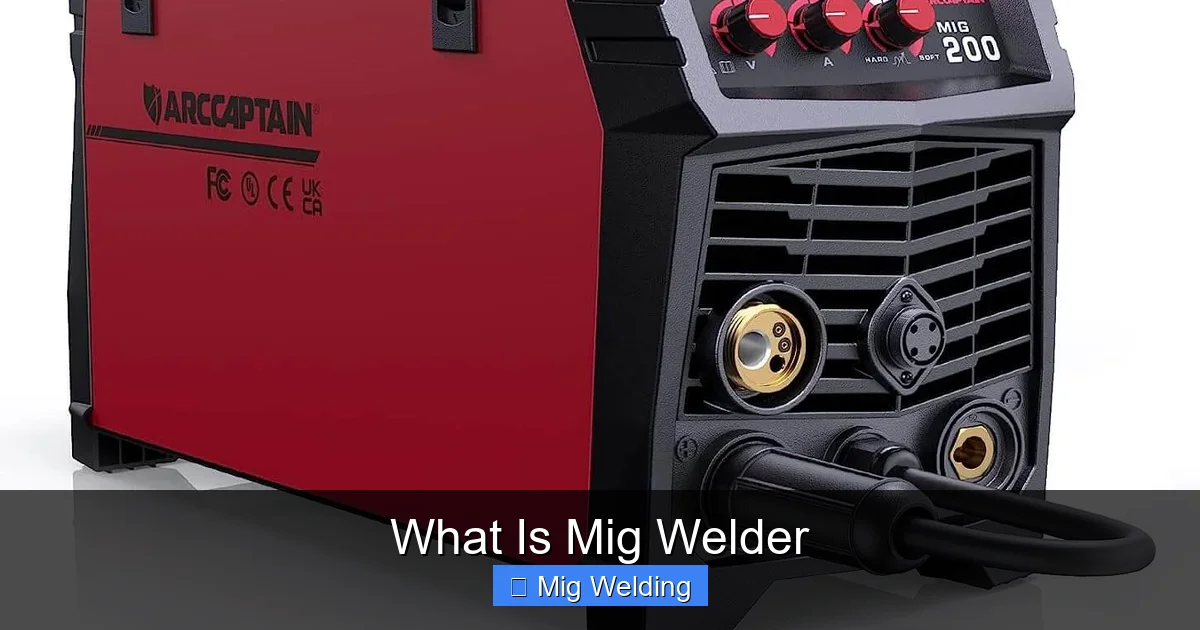
A MIG welder is a welding machine that uses a process called Gas Metal Arc Welding (GMAW). It feeds a spool of consumable wire through a welding gun, which acts as the electrode. When you press the trigger, an electric arc forms between the wire and the metal, melting both to create a strong bond.
Visual guide about What Is Mig Welder
Image source: media.smallbiztrends.com
The process is shielded by a flow of inert or semi-inert gases, such as argon or carbon dioxide, which protect the weld pool from contamination. This results in smooth, clean welds with minimal post-weld cleaning.
Why Is It Popular?
- Ease of use: MIG welding is beginner-friendly, with straightforward controls and fewer technique complexities.
- Speed: It allows for faster welding compared to traditional stick or TIG welding.
- Versatility: Suitable for a wide range of metals and thicknesses.
- Clean Results: Produces neat, professional-looking welds with minimal spatter.
How Does a MIG Welder Work?
The Basic Working Principle
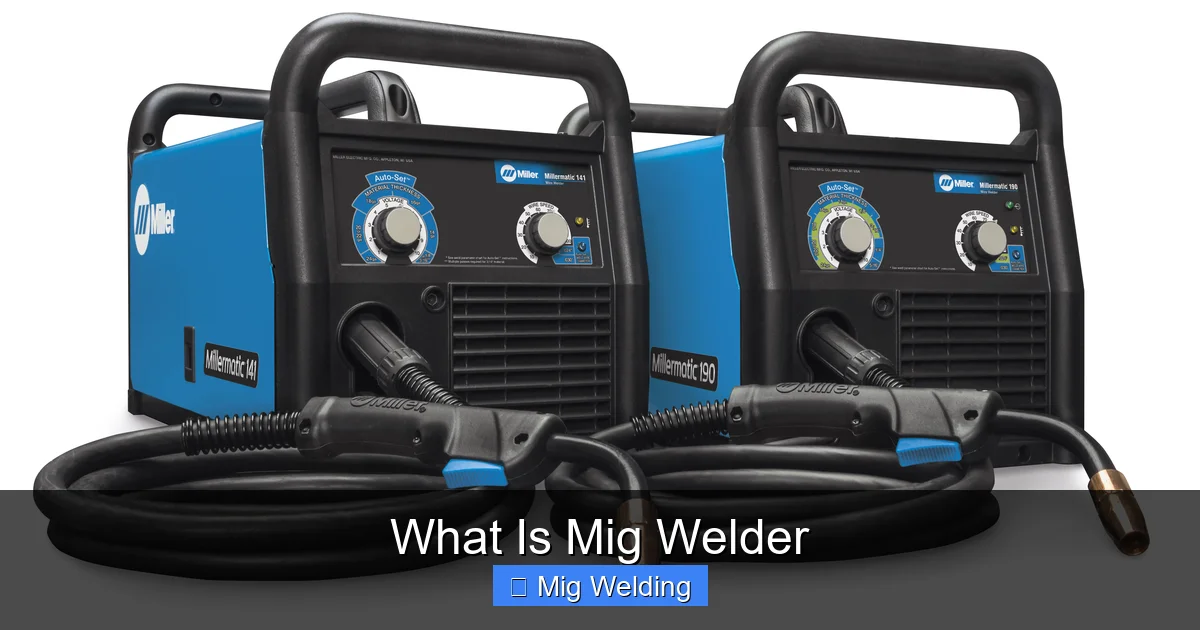
At its core, a MIG welder combines several components working together:
Visual guide about What Is Mig Welder
Image source: compactequip.com
- Power source: Provides the electricity needed to create the arc.
- Wire feed system: Supplies continuous wire to the welding gun.
- Welding gun: Directs the wire and shielding gas to the workpiece.
- Shielding gas: Protects the molten weld pool from atmospheric contamination.
When you pull the trigger, the power source energizes the wire, creating an electric arc. The heat melts the wire and the base metal, fusing them together. The shielding gas surrounds the weld pool, preventing oxidation and impurities. The wire feed mechanism ensures a steady supply of filler material, resulting in a strong weld.
Key Components of a MIG Welder
1. Power Supply
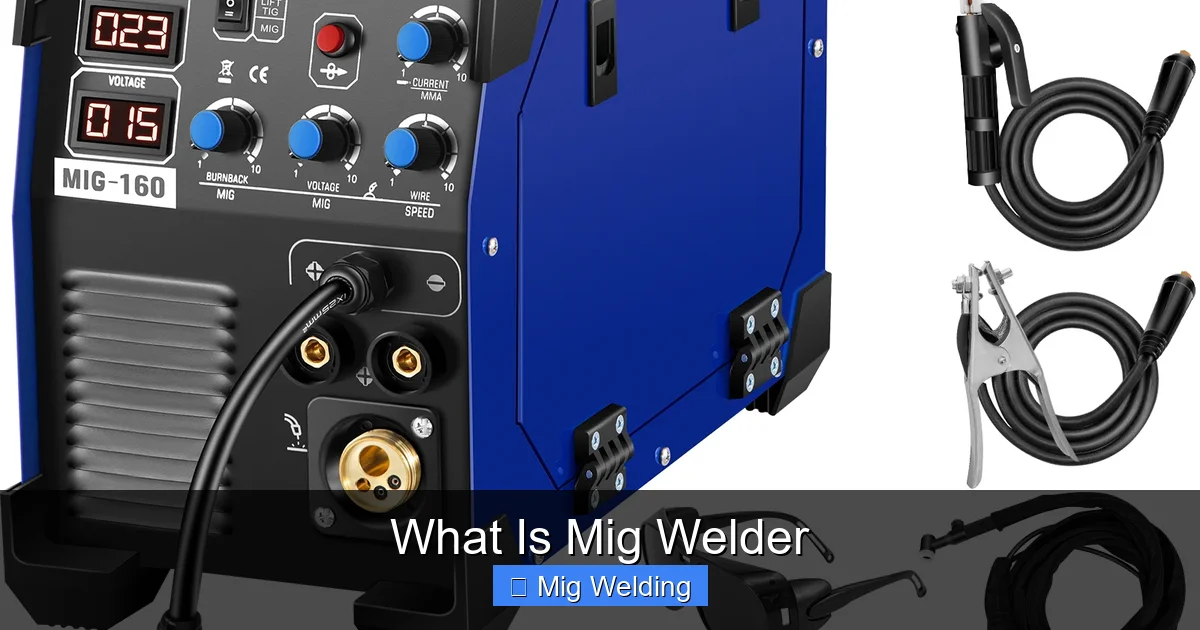
The power supply converts AC or DC current to provide the necessary voltage and amperage for welding. It influences the weld quality and the types of metals you can weld.
Visual guide about What Is Mig Welder
Image source: d2qc09rl1gfuof.cloudfront.net
2. Wire Feed System
This component feeds the consumable wire continuously through the gun at a controlled speed. Proper tension and feed rate are vital for consistent welds.
3. Welding Gun
The tool you hold to direct the wire and gas onto the workpiece. It includes a trigger, contact tip, and nozzle.
4. Shielding Gas
Inert gases like argon or a mixture of gases like argon and carbon dioxide are used to shield the weld from contamination. The choice depends on the material and weld type.
5. Ground Clamp
Ensures a complete electrical circuit between the welder and the workpiece.
Choosing the Right MIG Welder
When selecting a MIG welder, consider:
- Power output: Match it to the thickness of materials you’ll work with.
- Portability: Size and weight matter if you plan to move it around.
- Features: Look for adjustable voltage, wire speed, and preset modes.
- Compatibility: Ensure it supports different wire types and gas options.
Getting Started with MIG Welding
Step 1: Prepare Your Workspace
Choose a well-ventilated area free of flammable materials. Set up a sturdy workbench and ensure good lighting.
Step 2: Gather Your Equipment and Materials
- MIG welder
- Protective gear: Welding helmet, gloves, apron, safety glasses
- Welding wire: Select based on your material (steel, aluminum, etc.)
- Shielding gas: Argon, CO2, or a mix
- Metal pieces: Clean and cut to size
Step 3: Set Up the Machine
- Install the wire spool: Follow the manufacturer’s instructions.
- Connect the gas: Attach the shielding gas cylinder and regulator.
- Adjust wire feed and voltage: Set according to the thickness of your metal and wire type.
Step 4: Prepare Your Metal
Clean the surfaces to remove rust, paint, or dirt. Use a wire brush or grinder for best results. Proper preparation ensures strong, clean welds.
Step 5: Practice Your Technique
Before welding your actual pieces, practice on scrap metal. Keep a steady hand, maintain proper distance (about ¼ inch), and move at a consistent speed.
Performing the Weld
Step 1: Position the Metal
Secure your workpieces with clamps. Maintain the correct angle (typically 15-20 degrees) for optimal penetration.
Step 2: Start Welding
- Hold the welding gun steadily.
- Press the trigger to start the arc.
- Maintain a consistent speed and distance from the workpiece.
- Move along the joint smoothly.
Step 3: Finish and Cool
Once the weld is complete, release the trigger. Allow the weld to cool naturally. Inspect for any defects.
Safety Tips for MIG Welding
- Wear protective gear: Always use a welding helmet, gloves, and proper clothing.
- Work in a ventilated area: Shield yourself from harmful fumes.
- Avoid flammable materials: Keep your workspace free of combustible substances.
- Check equipment: Regularly inspect cables, connections, and gas cylinders.
- Follow manufacturer instructions: Proper setup and operation are key to safety.
Troubleshooting Common MIG Welding Problems
Porosity or Holes in the Weld
Caused by contaminated surface, insufficient shielding gas, or poor technique. Ensure your metal is clean, gas flow is steady, and maintain consistent movement.
Bird Nesting (Wire Tangles)
Results from incorrect wire tension or feed speed. Adjust the tension and check for obstructions in the wire spool.
Weak or Uneven Welds
Often due to incorrect voltage or travel speed. Increase voltage or slow down your movement for better penetration.
Conclusion
A MIG welder is a versatile, user-friendly machine perfect for a variety of metalworking projects. By understanding its components and proper techniques, you can produce strong, clean welds with confidence. Remember to prioritize safety, practice regularly, and troubleshoot issues as they arise. Happy welding!
Final Tips
- Always keep your equipment well-maintained.
- Practice on scrap before tackling important projects.
- Learn and follow safety guidelines at all times.
- Experiment with different settings to find what works best for your materials.
