

Welding aluminum with MIG is a valuable skill for many projects. In this guide, you’ll learn the essential steps, equipment setup, and techniques needed to produce strong, clean aluminum welds. Whether you’re a beginner or looking to refine your skills, this comprehensive tutorial will help you succeed.
How to Weld Aluminum with MIG
Welding aluminum with MIG (Metal Inert Gas) welding is a handy skill that can open up many project opportunities. Aluminum is lightweight, corrosion-resistant, and has a beautiful finish when welded properly. However, welding aluminum requires specific equipment, techniques, and preparation. In this comprehensive guide, you’ll learn step-by-step how to MIG weld aluminum successfully. Whether you’re a hobbyist or a professional, these tips will help you produce strong, clean welds.
Key Takeaways
- Use the right equipment: Select a MIG welder capable of handling aluminum and use a spool gun for better control.
- Choose the proper wire and shielding gas: Use 100% argon or a mix like 98% argon/2% oxygen, along with aluminum-specific wire.
- Prepare your materials: Clean the aluminum thoroughly to remove dirt, oil, and oxidation before welding.
- Adjust your settings: Set appropriate voltage, wire feed speed, and shielding gas flow for aluminum welding.
- Practice proper technique: Maintain a steady hand, use correct travel speed, and keep the torch at the right angle.
- Address common issues: Troubleshoot porosity, weak welds, or burn-through by adjusting settings and cleaning materials.
Understanding MIG Welding for Aluminum
MIG welding is a process where a continuous wire feeds through a welding gun, creating an electric arc that melts the wire and base metal. For aluminum, MIG welding is popular because it’s fast, efficient, and produces clean welds. But aluminum’s properties—its high thermal conductivity and oxide layer—make it a bit more challenging than steel. That’s why the right equipment and technique are crucial.
Essential Equipment and Materials
1. MIG Welder Capable of Aluminum Welding
Not all MIG welders can handle aluminum. Look for a machine with adjustable voltage and wire feed controls. Many hobbyist welders can handle small projects, but for thicker aluminum, a high-powered machine is better.
Visual guide about How to Weld Aluminum with Mig
Image source: americanindustrialsupl.com
2. Spool Gun or Push-Pull Gun
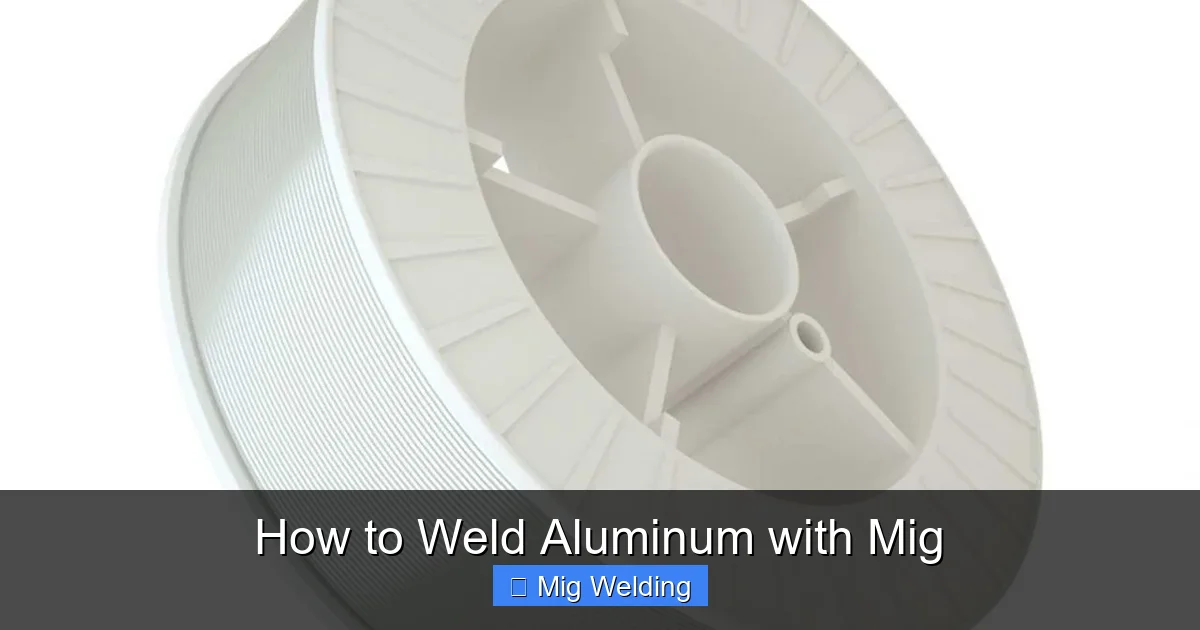
Using a spool gun makes aluminum welding easier by reducing wire feeding issues. It also helps prevent wire tangles and ensures a steady feed of soft aluminum wire.
3. Aluminum Welding Wire
Use 4043 or 5356 aluminum wire. 4043 is easier to work with and produces a smooth weld, while 5356 offers higher strength but is a bit more difficult to weld.
4. Shielding Gas
Use 100% argon or a mix of 98% argon and 2% oxygen. Pure argon provides the best shielding, preventing oxidation and porosity.
5. Personal Protective Equipment (PPE)
- Welding helmet with proper shade
- Welding gloves
- Protective clothing to prevent burns
- Safety glasses
Preparing Your Materials
Proper preparation is key to good aluminum welds. Follow these steps:
Visual guide about How to Weld Aluminum with Mig
Image source: weldingtipsandtricks.com
1. Clean the Aluminum
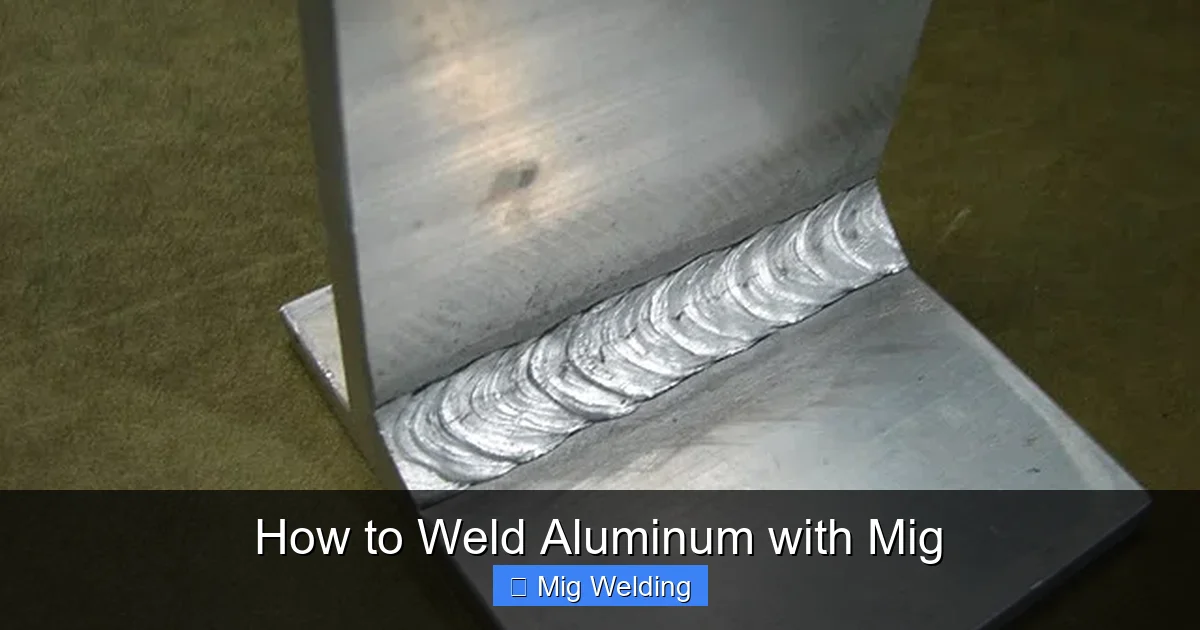
Use a stainless steel wire brush or a dedicated aluminum brush to remove dirt, grease, oil, and oxidation. Never use the same brush for steel and aluminum.
2. Remove Oxide Layer
Aluminum forms a tough oxide layer that melts at a higher temperature than the metal beneath. Mechanical cleaning or chemical etching can help remove this layer for a cleaner weld.
3. Cut and Fit
Ensure your pieces fit well with tight joints. Use clamps to hold parts securely during welding.
Setting Up the MIG Welder for Aluminum
1. Select the Right Wire and Gas
Install the aluminum wire spool on your spool gun or welder. Attach the appropriate shielding gas—usually 100% argon.
Visual guide about How to Weld Aluminum with Mig
Image source: blog.red-d-arc.com
2. Adjust the Settings
- Voltage: Set according to your material thickness (consult your welder’s manual).
- Wire Feed Speed: Increase it gradually until you see smooth, steady wire feed.
- Shielding Gas Flow Rate: Typically 20-25 CFH (cubic feet per hour).
3. Test Your Settings
Practice on scrap aluminum to fine-tune your settings before starting your actual project.
Welding Technique for Aluminum with MIG
1. Positioning
Maintain a comfortable stance. Keep the gun at approximately 10-15 degrees from perpendicular to the workpiece. Maintain a consistent travel speed.
2. Starting the Weld
Hold the gun close to the joint, about 1/4 inch away. Initiate the arc by pressing the trigger, then move steadily along the joint.
3. Moving the Gun
Use a weaving or circular motion if needed for wider joints. Keep the torch at a consistent angle and distance from the metal.
4. Maintaining the Weld Pool
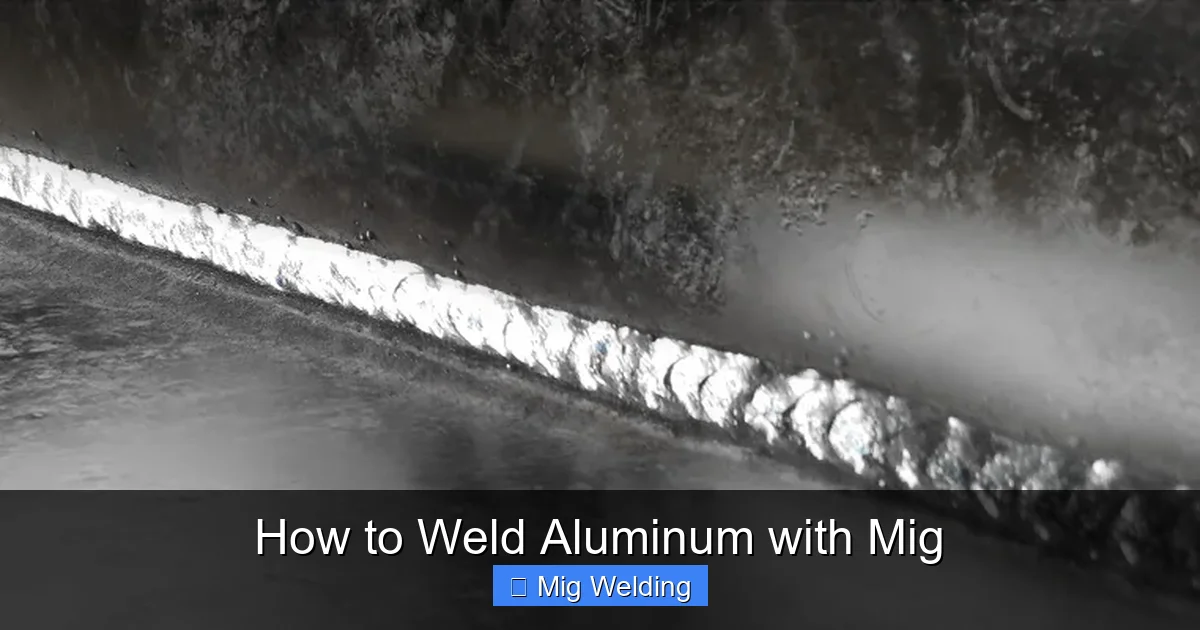
Watch the molten pool closely. Adjust your speed to ensure proper fusion and avoid burn-through or weak spots.
Practical Tips and Best Practices
- Preheat thicker aluminum: Slight preheating can improve weld quality and reduce cracking.
- Use a backer or backing strip: Helps support the weld and prevent burn-through.
- Keep everything clean: Dirty or oxidized surfaces lead to poor welds.
- Move steadily: Avoid rushing or lingering too long at any point.
- Practice makes perfect: Spend time practicing on scrap pieces to refine your technique.
Troubleshooting Common Problems
1. Porosity in the Weld
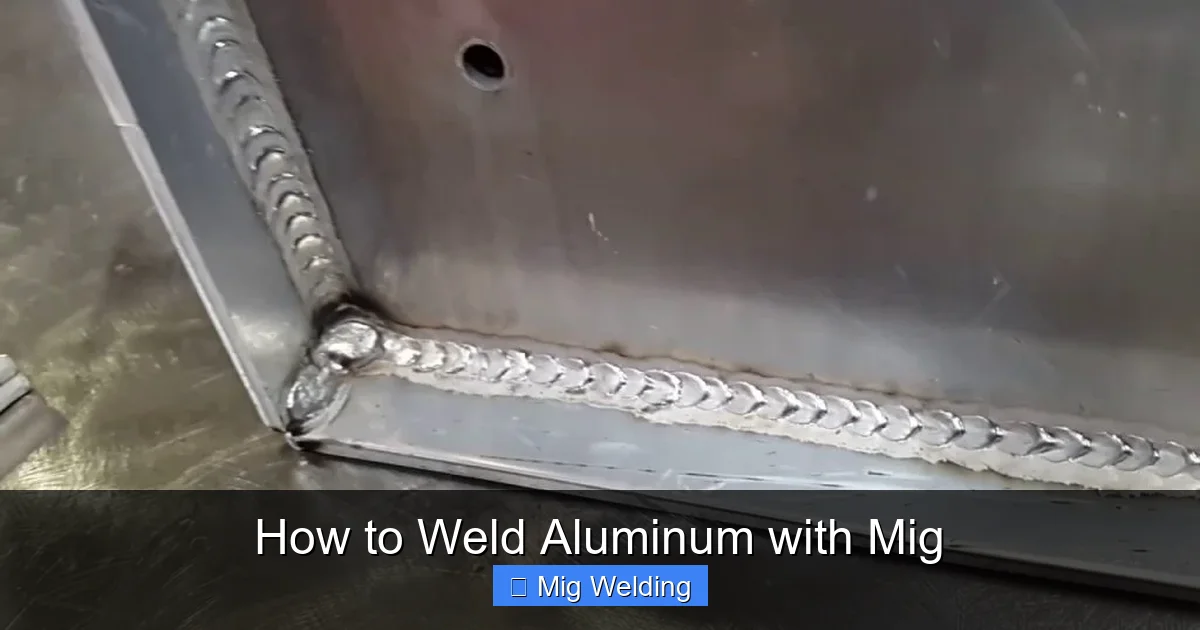
This often results from contaminated surfaces or insufficient shielding gas. Clean the aluminum thoroughly and check for leaks in your gas line.
2. Weak or Cracked Welds
Adjust your voltage and wire feed. Also, ensure proper joint fit-up and avoid overheating the material.
3. Burn-Through
Reduce heat input by lowering voltage or travel speed. Use a backing strip for support on thin metal.
Conclusion
Welding aluminum with MIG is a rewarding skill that requires patience, the right setup, and proper technique. By understanding the materials, preparing thoroughly, and practicing consistently, you can produce strong, clean welds. Remember to stay safe and enjoy your welding projects!
Final Tips
- Always wear appropriate PPE.
- Practice on scrap aluminum before working on your main project.
- Keep your work area clean and organized for best results.
