

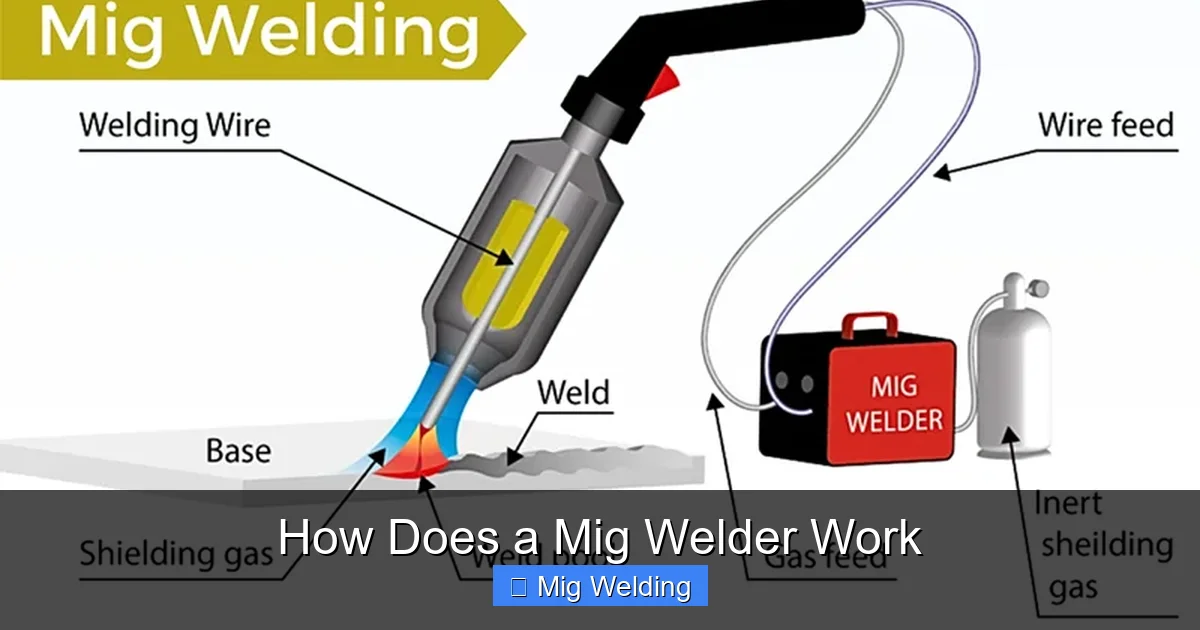
MIG welding is a popular method for joining metals quickly and efficiently. In this guide, you’ll learn how a MIG welder works, the components involved, and step-by-step instructions to get started with MIG welding. Whether you’re a beginner or looking to refine your skills, this article provides clear, practical information to help you master MIG welding techniques.
How Does a MIG Welder Work
If you’re interested in metal fabrication or DIY projects, understanding how a MIG welder works is essential. This guide takes you through the basics, the components involved, and practical steps to start welding confidently. Whether you’re repairing a fence or building a metal sculpture, knowing how MIG welding operates will help you achieve strong, clean results.
Key Takeaways
- Understanding MIG welding: MIG welding uses a continuous wire feed and shielding gas to create strong, clean welds.
- Major components: A MIG welder consists of a power supply, wire feeder, welding gun, and shielding gas system.
- How it works: The welder melts the wire and base metal with an electric arc, protected by shielding gas, to form a weld.
- Step-by-step process: Preparation, setting up the machine, welding technique, and safety precautions are essential for quality welds.
- Practical tips: Maintain proper wire tension, keep a steady hand, and use the correct shielding gas for best results.
- Troubleshooting: Common issues like porosity or weak welds often stem from gas flow problems or improper settings.
What is MIG Welding?
MIG welding, or Metal Inert Gas welding, is a type of arc welding that joins metals by melting them with an electric arc. It’s popular because it’s fast, versatile, and produces high-quality welds. The process uses a continuously fed wire that acts as both the electrode and the filler material. Shielding gas surrounds the weld pool, protecting it from contamination.
Components of a MIG Welder
To understand how a MIG welder works, first get familiar with its main parts:
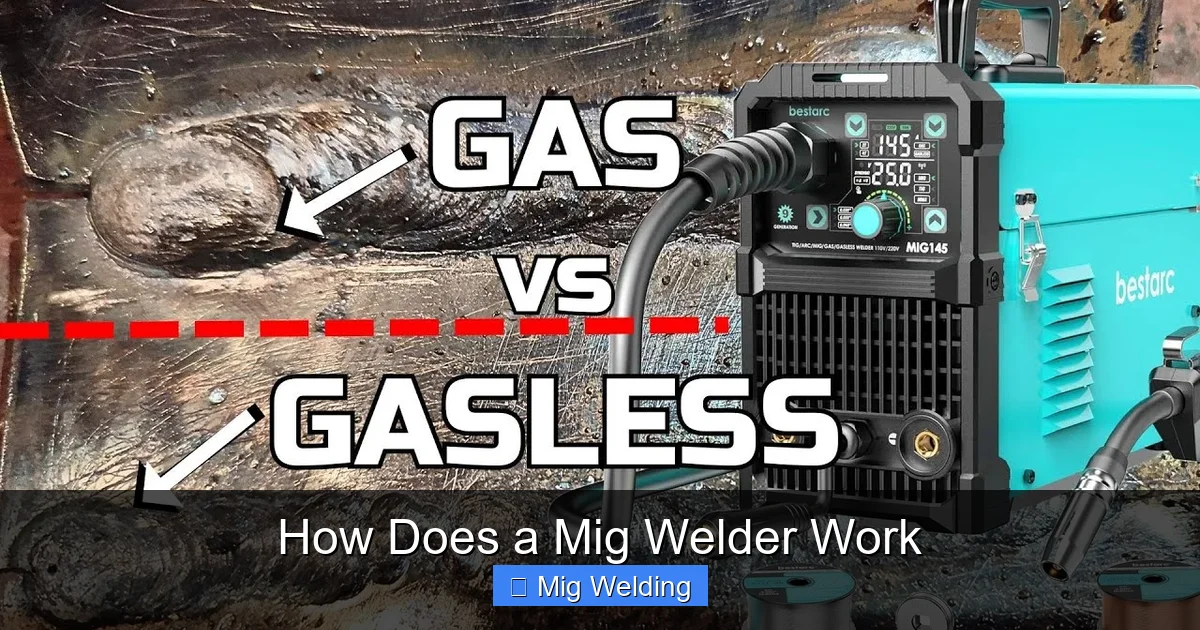
Visual guide about How Does a Mig Welder Work
Image source: i.ytimg.com
- Power Supply: Provides the electrical energy needed to create the arc.
- Wire Feeder: Pushes the consumable wire through the gun at a steady rate.
- Welding Gun: The tool held by the operator, which directs the wire and shielding gas to the weld pool.
- Shielding Gas System: Supplies inert or semi-inert gas (like argon or CO2) to protect the weld from contamination.
- Control Panel: Allows you to adjust settings such as wire speed and voltage.
How Does a MIG Welder Work? Step-by-Step
Step 1: Preparation
Before welding, gather your materials and safety gear. Clean the metal surfaces to remove rust, oil, or dirt. This ensures better weld quality and reduces defects.
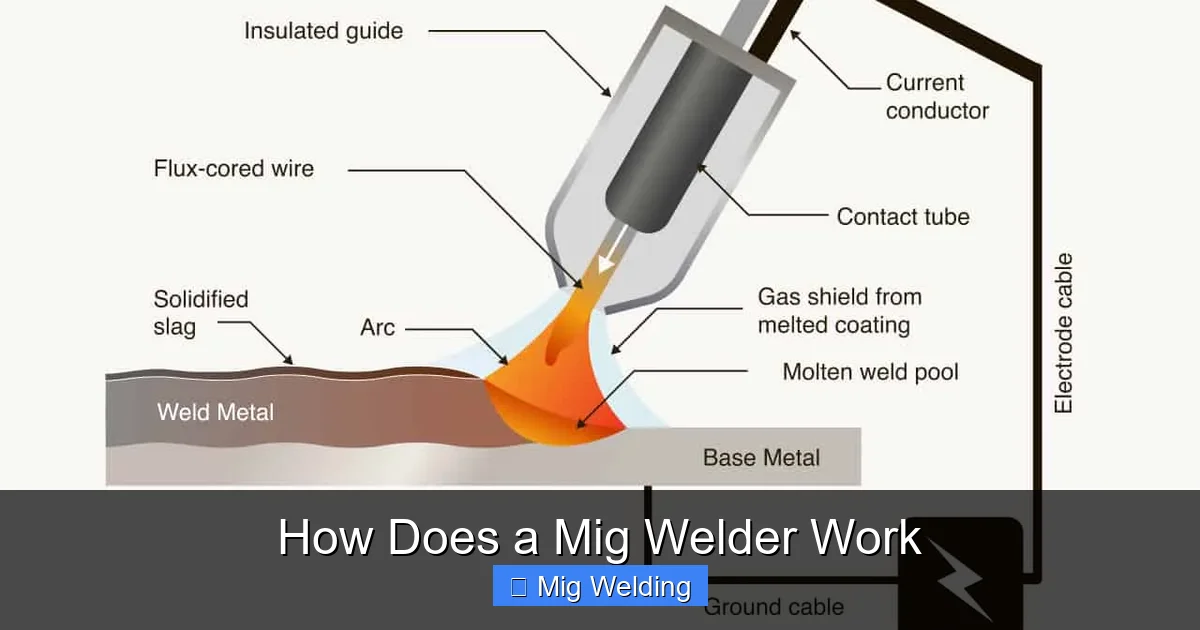
Visual guide about How Does a Mig Welder Work
Image source: weldguru.com
Step 2: Set Up the Equipment
- Connect the power: Plug in the welder and turn it on.
- Install the wire spool: Ensure the wire is feeding smoothly without tangles.
- Adjust settings: Set the voltage and wire feed speed based on your metal thickness and type.
- Connect the shielding gas: Attach the gas cylinder and regulator, and open the gas flow.
Step 3: Prepare Your Workspace
Ensure good ventilation, a clean workspace, and proper safety gear like gloves, helmet, and protective clothing.
Step 4: Practice Your Technique
Hold the welding gun at a consistent angle (about 10-15 degrees), with a steady hand. Practice small, controlled welds on scrap metal to get comfortable with the process.
Step 5: Starting to Weld
- Strike an arc: Similar to striking a match, tap the wire tip against the metal to create an initial arc.
- Maintain a steady travel speed: Move the gun smoothly along the joint to ensure even welds.
- Adjust as needed: If the weld looks too thin or too thick, tweak the voltage or wire speed.
Step 6: Finishing and Inspection
Once the weld is complete, release the trigger and move the gun away smoothly. Inspect the weld for uniformity, penetration, and absence of defects like porosity or cracks.
Practical Tips for Successful MIG Welding
- Maintain proper wire tension: Too tight or loose tension can cause feeding issues.
- Keep the gun at a consistent angle: This helps produce even welds.
- Use the right shielding gas: For steel, CO2 or a mix of CO2 and argon works well. For aluminum, use pure argon.
- Adjust settings for metal thickness: Thicker materials need higher voltage and slower travel speeds.
- Practice safety: Always wear protective gear and weld in a well-ventilated area.
Troubleshooting Common MIG Welding Issues
Porosity in Welds
This occurs when gas doesn’t fully shield the weld pool. Check for leaks in the gas line, ensure proper gas flow, and clean the metal surface thoroughly.
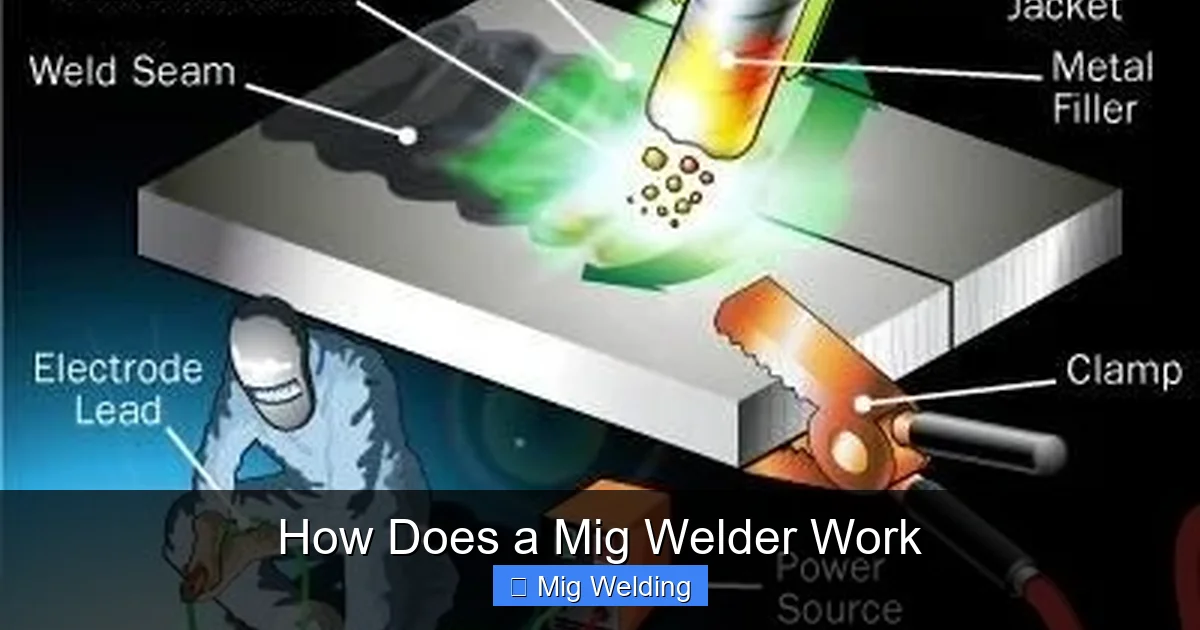
Visual guide about How Does a Mig Welder Work
Image source: i.pinimg.com
Inconsistent Wire Feed
Ensure the wire spool is not tangled and that tension is properly set. Replace worn rollers if needed.
Weak or Poor Penetration
Increase voltage or decrease travel speed to improve penetration. Make sure the ground clamp has a good connection.
Spatter and Excessive Smoke
Use the correct wire type and shielding gas. Adjust voltage and wire feed for optimal arc stability.
Conclusion
Understanding how a MIG welder works helps you become a better welder. From setting up the machine to executing clean welds, each step is important. Practice regularly, follow safety tips, and troubleshoot issues promptly. With time and patience, you’ll be able to produce strong, professional-quality welds for any project.
Final Thoughts
MIG welding is a versatile and efficient method for joining metals. Knowing how it works empowers you to tackle various metalworking projects with confidence. Keep practicing, stay safe, and enjoy welding!
