

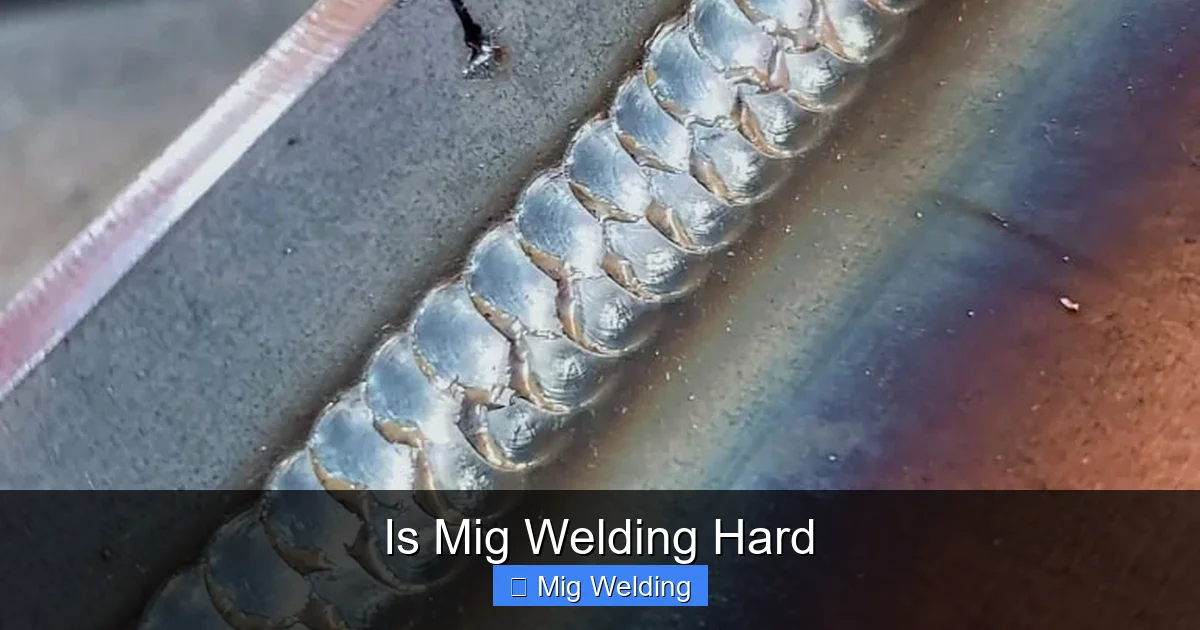
MIG welding is a popular and versatile welding method, but many wonder if it is hard to learn. This guide breaks down the process, offers practical tips, and helps you understand what to expect, making MIG welding accessible for beginners and seasoned welders alike.
Is MIG Welding Hard?
If you’re new to welding, you might wonder, “Is MIG welding hard?” The short answer is: it depends. For many beginners, MIG (Metal Inert Gas) welding is one of the easiest welding methods to learn, thanks to its user-friendly equipment and forgiving nature. However, like any skill, it requires practice, patience, and proper technique to master. In this guide, you’ll learn what makes MIG welding accessible, the challenges you might face, and step-by-step instructions to get started confidently.
Key Takeaways
- MIG welding is beginner-friendly: With proper instruction, most people can learn the basics quickly.
- Practice is essential: Like any skill, consistent practice improves your welding quality and confidence.
- Equipment matters: Using the right welding machine and safety gear makes the process easier and safer.
- Understanding materials: Different metals require different settings and techniques, impacting difficulty.
- Common challenges: Issues like porosity, undercut, or slag can occur but are manageable with proper technique.
- Learning resources: Tutorials, classes, and online videos can accelerate your learning curve.
What is MIG Welding?
MIG welding, also known as Gas Metal Arc Welding (GMAW), uses a continuous wire feed as an electrode to join metals. It is popular because it produces clean, strong welds and is relatively easy to learn. It’s used in automotive repair, construction, and hobby projects. Its simplicity and speed make it a favorite for beginners and professionals alike.
Is MIG Welding Hard to Learn?
Many beginners ask whether MIG welding is difficult. The truth is, it’s generally considered one of the easiest welding techniques to pick up. Unlike TIG welding, which requires precise hand control, or Stick welding, which can be messier, MIG welding offers a more forgiving process. With the right equipment and some practice, most people can produce decent welds within a few sessions.
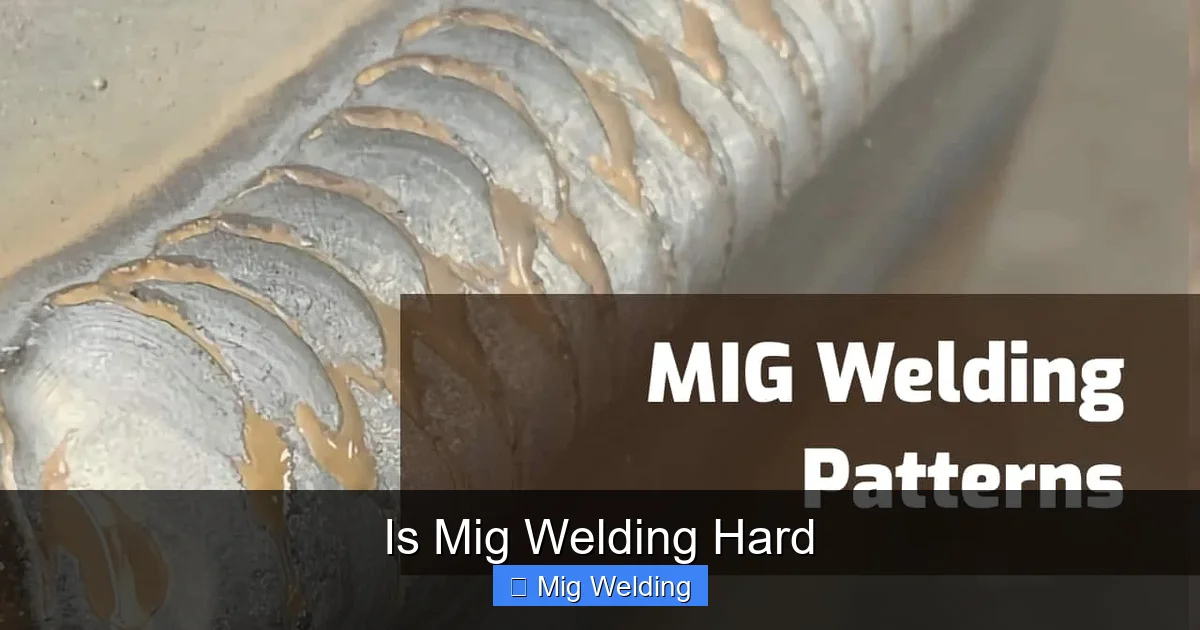
Visual guide about Is Mig Welding Hard
Image source: weldguru.com
What Makes MIG Welding Easier?
- Automatic Wire Feed: The machine feeds the wire automatically, reducing hand fatigue and improving consistency.
- Less Skill-Intensive: Compared to other types, MIG welding is less technical initially, making it ideal for beginners.
- Fewer Variables: Settings like voltage and wire speed are easier to manage, especially with good equipment.
- Clean Process: It produces less spatter and requires less cleaning afterward.
Challenges You Might Encounter
While MIG welding is beginner-friendly, it does come with challenges, especially if you don’t use the correct technique or equipment:
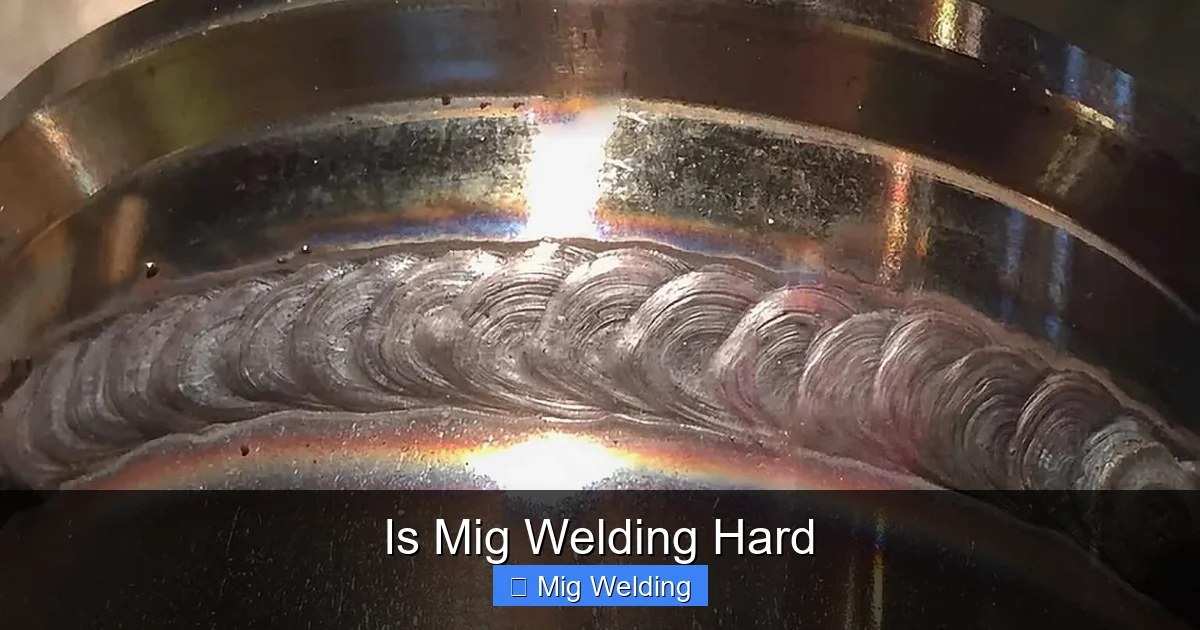
Visual guide about Is Mig Welding Hard
Image source: weldguru.com
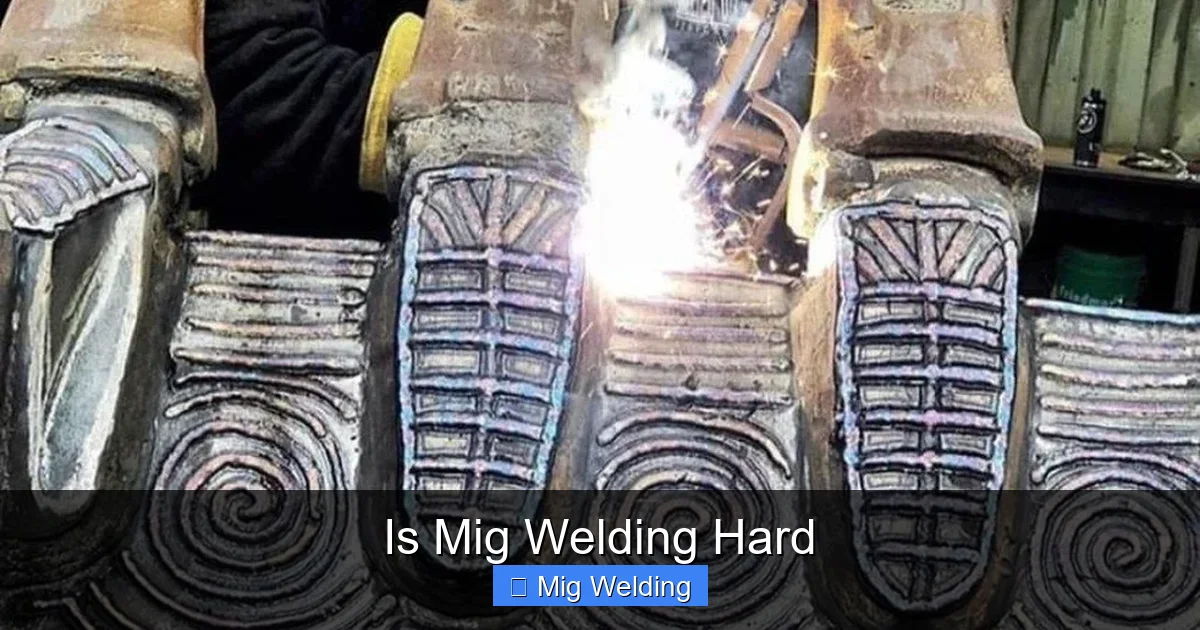
Visual guide about Is Mig Welding Hard
Image source: 5.imimg.com
- Porosity: Small holes in the weld caused by contamination or improper shielding gas.
- Undercut: A groove at the base metal’s edge, which weakens the weld.
- Inconsistent Bead: Wobbly or uneven weld bead due to improper technique or machine settings.
- Burn-through: Melting through thin materials if settings are too high.
Getting Started with MIG Welding: Step-by-Step Guide
Preparation
- Choose the right equipment: Select a MIG welder suitable for your project, along with safety gear like gloves, helmet, and apron.
- Gather materials: Decide on the metals you will weld, such as steel, aluminum, or stainless steel.
- Work in a safe environment: Ensure good ventilation, a clean workspace, and no flammable materials nearby.
Step 1: Set Up Your MIG Welder
Follow the manufacturer’s instructions to assemble and connect your welder. Adjust the settings based on your material and thickness:
- Wire type and size: Use the appropriate wire (e.g., ER70S-6 for steel).
- Voltage and wire speed: Set according to thickness; thinner metals require lower settings.
- Gas flow rate: Typically 20-30 CFH (cubic feet per hour) of shielding gas like argon or a mix.
Step 2: Prepare the Metal
Clean the metal surface thoroughly. Remove rust, paint, or grease to prevent contamination. Use a wire brush or grinder if needed.
Step 3: Position Your Workpiece
Clamp the metal securely in place. Ensure you have a comfortable stance. Maintain a steady hand and proper distance (about ¼ to ½ inch) from the tip to the workpiece.
Step 4: Initiate the Arc and Begin Welding
Follow these sub-steps:
- Striking the arc: Touch the wire tip lightly to the metal and pull away slightly to start the arc.
- Maintain a steady travel speed: Move smoothly along the joint, keeping a consistent speed to avoid defects.
- Keep the correct angle: Hold the gun at about 10-15 degrees to the workpiece for optimal bead formation.
Step 5: Monitor and Adjust
Watch your weld pool. Adjust your speed and machine settings if the weld is too thin, too thick, or if spatter occurs. Practice makes perfect!
Practical Tips for Successful MIG Welding
- Practice on scrap metal: Before working on your main project, test your settings on scrap pieces.
- Keep a steady hand: Movement consistency is key to a good weld bead.
- Use proper shielding gas: Always ensure your gas flow is steady to prevent porosity.
- Maintain your equipment: Regularly inspect and clean your gun, wire, and lens.
- Work in good lighting: Proper visibility helps you make precise welds.
Troubleshooting Common Problems
Porosity in the Weld
Cause: Contaminated surface, poor shielding gas, or drafts.
Solution: Clean the metal thoroughly, check gas flow, and shield the weld area from drafts.
Weld Bead Wobbles or Is Uneven
Cause: Inconsistent travel speed or improper gun angle.
Solution: Practice moving steadily and keep the gun at a consistent angle.
Undercut or Weak Edges
Cause: Excessive heat or wrong angle.
Solution: Adjust your settings, reduce heat, and maintain proper angle and distance.
Conclusion
To answer the initial question, MIG welding is not inherently hard. It’s one of the more accessible welding methods, especially for beginners. With the right equipment, a clean workspace, and a willingness to practice, you can quickly become proficient. Remember, every welder starts somewhere, and patience along with consistent practice will help you master MIG welding over time.
Whether you’re repairing a bike, building a metal sculpture, or working on automotive projects, MIG welding offers a straightforward way to achieve strong, clean welds. So don’t be discouraged — start small, learn steadily, and enjoy the process!
