

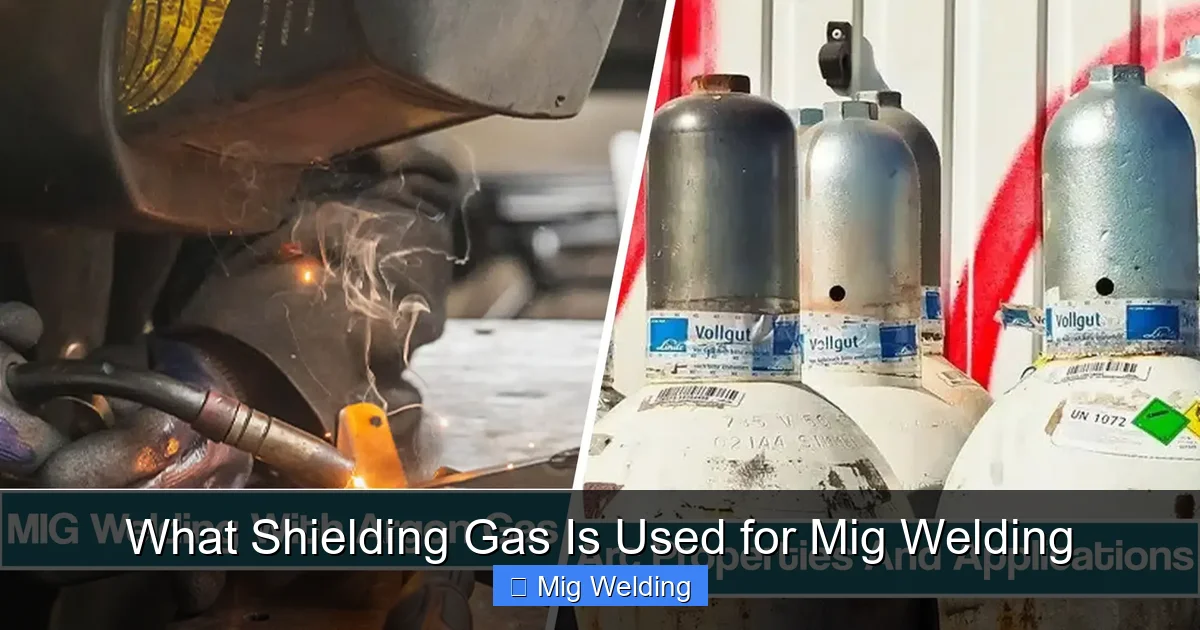
Shielding gases play a vital role in MIG welding by protecting the weld pool from contamination. This guide explains the most common shielding gases, their uses, and how to select the right gas for your welding project, ensuring strong and clean welds every time.
What Shielding Gas Is Used for MIG Welding
If you’re new to MIG welding, you may wonder what shielding gases are and why they matter. Shielding gases protect the weld area from contamination by atmospheric gases like oxygen, nitrogen, and moisture. This ensures a clean, strong weld with minimal defects. In this guide, we’ll explore the most common shielding gases used in MIG welding, how to choose the right one, and tips for getting the best results.
Key Takeaways
- Most common shielding gases: Argon, CO2, and mixtures are widely used for MIG welding.
- Pure Argon: Ideal for welding non-ferrous metals like aluminum and magnesium, providing a smooth, high-quality weld.
- Carbon Dioxide (CO2): Cost-effective and produces deeper penetration, suitable for steel welding.
- Gas Mixtures: Combining gases like Argon and CO2 offers benefits of both, improving weld quality and stability.
- Choosing the right gas: Depends on the type of metal, weld quality requirements, and budget.
- Safety tip: Always handle shielding gases with care and ensure proper ventilation during welding.
Understanding MIG Welding and the Role of Shielding Gas
MIG (Metal Inert Gas) welding, also known as Gas Metal Arc Welding (GMAW), involves feeding a continuous wire electrode through a welding gun. As the wire melts, a shielding gas surrounds the weld pool, preventing oxidation and contamination. This gas acts as a protective barrier, ensuring the weld is smooth, strong, and free from defects.
Choosing the right shielding gas depends on several factors, including the type of metal you’re welding, the desired weld quality, and your budget. Let’s dive into the most common gases used in MIG welding and their specific applications.
Common Shielding Gases Used in MIG Welding
1. Argon (Ar)
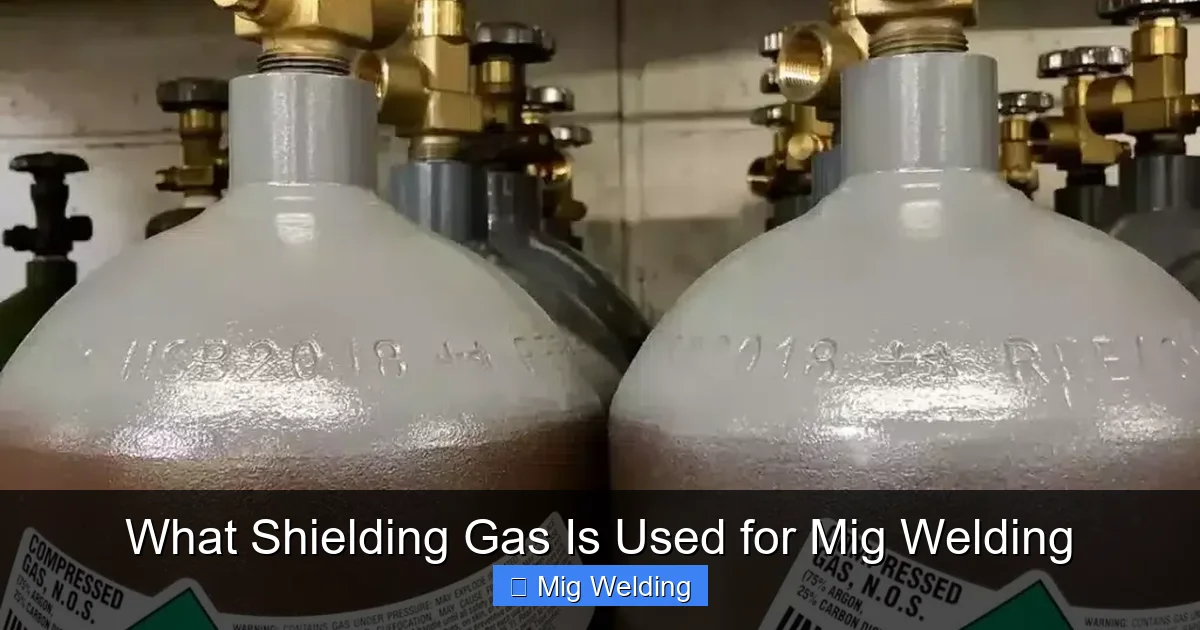
Argon is an inert gas, meaning it does not react with metals. It’s the most widely used shielding gas in MIG welding, especially for non-ferrous metals like aluminum, magnesium, and copper alloys. Argon provides a stable arc, smooth welds, and excellent bead appearance.
Visual guide about What Shielding Gas Is Used for Mig Welding
Image source: weldingpros.net
Advantages:
- Produces a clean, high-quality weld
- Excellent for thin materials and delicate metals
- Less spatter compared to other gases
Practical tip: Use pure argon when welding aluminum or other non-ferrous metals for the best results.
2. Carbon Dioxide (CO2)
CO2 is an active, reactive gas that’s more affordable than argon. It’s commonly used in MIG welding of steel, especially in outdoor settings because it’s less affected by wind.
Advantages:
- Cost-effective
- Deep penetration and strong welds
- Good for thicker steel materials
Practical tip: Because pure CO2 can produce more spatter and a rougher weld bead, many welders prefer to use a CO2/argon mixture for a better finish.
3. Argon-CO2 Mixtures
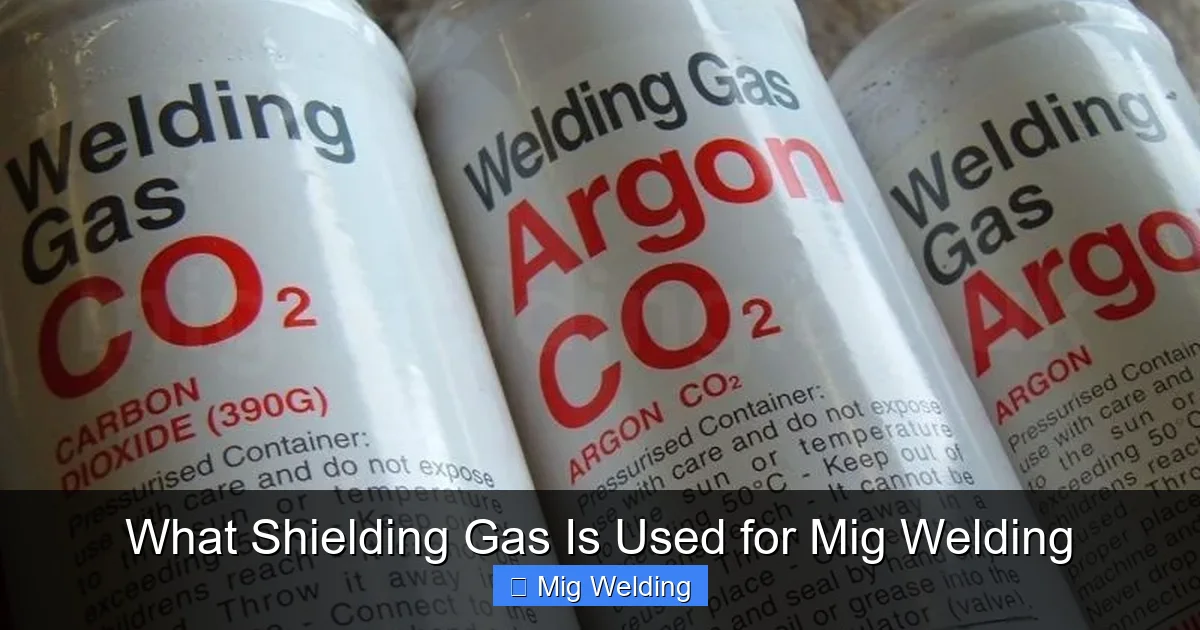
Mixing argon with CO2 combines the benefits of both gases. Common mixtures include 75% argon / 25% CO2 and 90% argon / 10% CO2. These blends are popular because they offer better arc stability, less spatter, and cleaner welds than pure CO2.
Advantages:
- Improved weld quality
- Reduced spatter
- Versatile for various metals and thicknesses
Practical tip: Use a 75/25 Argon/CO2 mix for general steel welding and a higher Argon content for aluminum.
4. Helium (He)
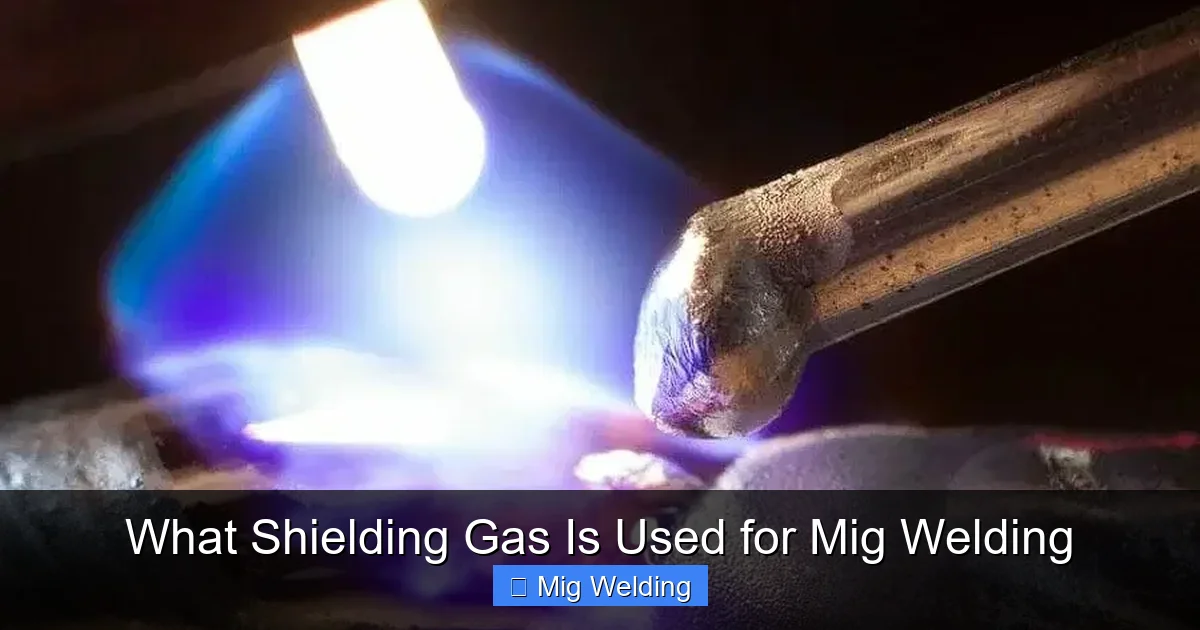
Helium is an inert gas like argon but provides a hotter arc. It’s often mixed with argon to increase heat input, making it suitable for welding thicker materials or metals like stainless steel.
Advantages:
- Deeper penetration
- Faster welding speeds
- Good for high-temperature alloys
Practical tip: Use helium-argon blends for specialized applications requiring increased heat and penetration.
How to Choose the Right Shielding Gas for MIG Welding
Selecting the perfect shielding gas depends on several factors:
Visual guide about What Shielding Gas Is Used for Mig Welding
Image source: cdn.sheetstainlesssteel.com
- Type of metal: Use argon for aluminum, helium for stainless steel, CO2 for steel.
- Weld quality: For cleaner welds with minimal spatter, opt for argon or argon mixtures.
- Cost considerations: CO2 is cheaper but may require additional cleaning or finishing.
- Working environment: Outdoor welding often benefits from CO2 or mixtures that resist wind disturbances.
- Welding position and thickness: Thicker materials or specific positions may need gases with higher heat input capabilities.
Practical Tips for Using Shielding Gases Effectively
- Check your equipment: Ensure your MIG welder is compatible with the chosen shielding gas.
- Use proper flow rates: Typically, 20-30 cubic feet per hour (CFH) for most applications.
- Store gases safely: Keep cylinders upright in well-ventilated areas and handle with care.
- Adjust your settings: Match your wire feed speed and voltage to the type of shielding gas used.
- Practice safety: Always wear appropriate protective gear and ensure good ventilation during welding.
Troubleshooting Common Shielding Gas Issues
- Porosity in welds: Caused by contaminated or improperly flowing shielding gas. Check for leaks and ensure proper flow rate.
- Spatter: Excessive spatter may result from using the wrong gas or too high a flow rate. Adjust accordingly.
- Porous or weak welds: Insufficient shielding or drafts can cause contamination. Shield the area better and increase flow rate if needed.
- Inconsistent arc: Gases with impurities or incompatible equipment can cause instability. Use high-quality cylinders and check connections.
Conclusion
Choosing the right shielding gas is essential for achieving high-quality MIG welds. Whether you’re welding steel, aluminum, or stainless steel, understanding the properties of gases like argon, CO2, and their mixtures helps you make informed decisions. Experimenting with different gases and settings can lead to better welds, increased efficiency, and safer work practices. Remember, safety always comes first—handle gases carefully and work in well-ventilated areas.
Visual guide about What Shielding Gas Is Used for Mig Welding
Image source: weldingofwelders.com
Final Words
Now that you know what shielding gases are used for MIG welding and how to select them, you’re ready to improve your welding skills. Keep practicing, and don’t hesitate to consult your equipment manufacturer or experienced welders for additional tips. Happy welding!
