

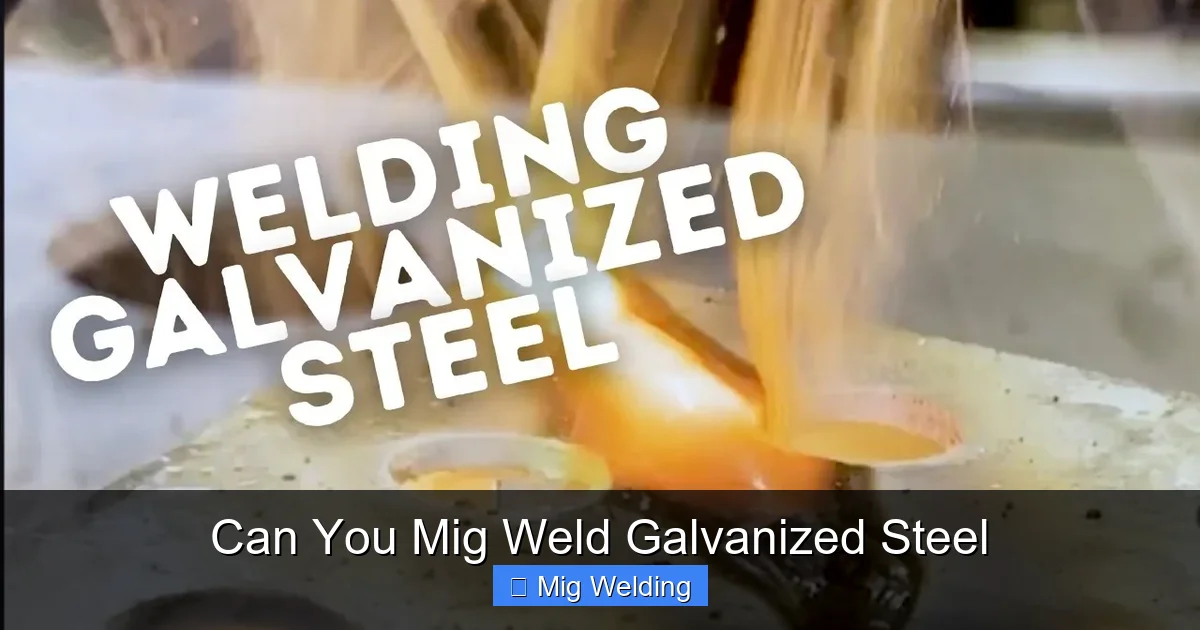
Welding galvanized steel with a MIG welder is possible, but it requires precautions to handle the zinc coating safely. This guide covers the essential steps, safety tips, and best practices to achieve strong, clean welds on galvanized steel materials.
Key Takeaways
- Galvanized steel contains zinc: The zinc coating on steel can produce toxic fumes when welding, so safety precautions are essential.
- Preparation is key: Proper cleaning and pre-welding steps help ensure quality welds and safety.
- Use proper settings: Adjust your MIG welder’s voltage, wire feed, and shielding gas for optimal results on galvanized steel.
- Safety gear is a must: Always use respiratory protection, gloves, and eye protection when welding galvanized steel.
- Post-weld cleaning helps: Removing zinc fumes and residue post-welding improves safety and weld appearance.
- Troubleshooting common issues: Learn how to address porosity, weak welds, or excessive spatter when MIG welding galvanized steel.
Introduction
Welding galvanized steel can be a bit tricky, but it’s definitely doable with the right techniques and safety measures. Galvanized steel, coated with zinc, is popular in construction and manufacturing because of its corrosion resistance. However, the zinc coating presents unique challenges during welding, mainly because it releases toxic fumes when heated. In this comprehensive guide, you’ll learn whether you can MIG weld galvanized steel, how to do it safely, and tips to achieve strong, clean welds.
Whether you’re a hobbyist or a professional, understanding the process and precautions is key. So, let’s dive into how to MIG weld galvanized steel effectively and safely.
Can You MIG Weld Galvanized Steel?
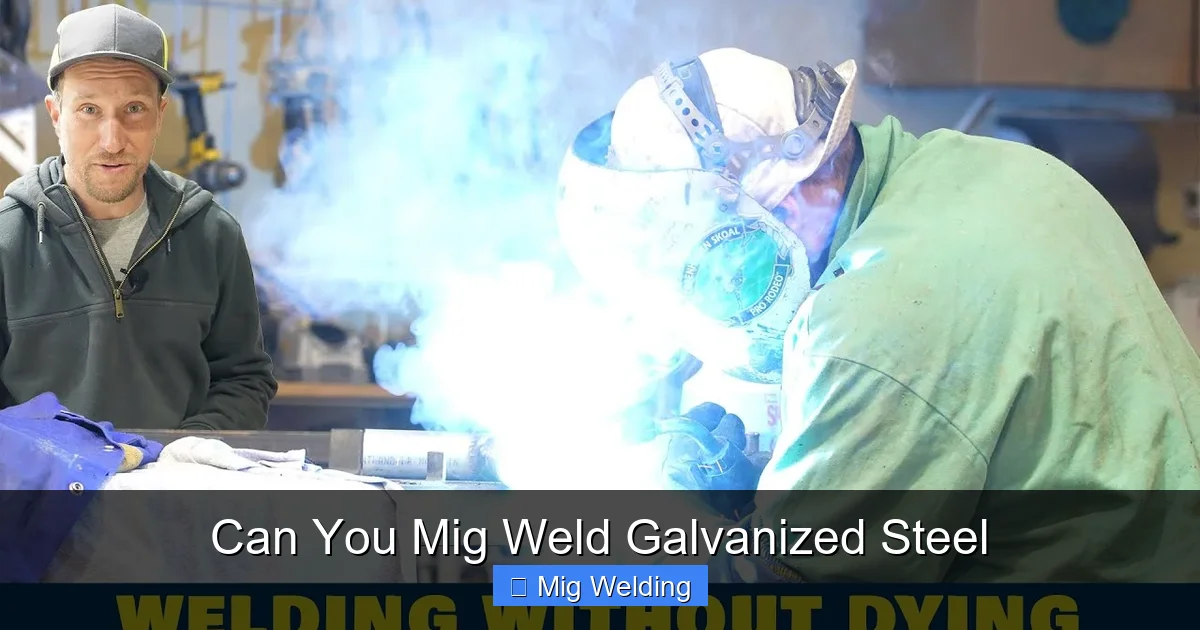
Yes, you can MIG weld galvanized steel, but it requires special precautions. The zinc coating melts during welding, releasing toxic fumes that can harm your health. Therefore, safety measures like proper ventilation, protective gear, and post-weld cleaning are essential. Additionally, adjusting your welding settings and preparing the material correctly can help produce quality welds without health risks.
Visual guide about Can You Mig Weld Galvanized Steel
Image source: i.ytimg.com
Preparing for MIG Welding Galvanized Steel
1. Safety First: Gear Up
Before starting, ensure you have the right safety equipment:
Visual guide about Can You Mig Weld Galvanized Steel
Image source: utvsportsmag.com
- Respirator Mask: Use a respirator rated for welding fumes to protect against inhaling zinc vapor.
- Protective Clothing: Wear flame-resistant gloves, long sleeves, and welding helmet with a proper shade.
- Ventilation: Work in a well-ventilated area or use local exhaust extraction to remove fumes.
Remember, zinc fumes are hazardous and can cause metal fume fever, so never skip safety gear.
2. Material Preparation
Proper preparation helps you get a clean weld:
- Clean the Surface: Remove any dirt, oil, or rust using a wire brush or grinder. Focus on the area to be welded.
- Remove the Zinc Coating (Optional but Recommended): To reduce fumes, grind away the zinc coating in the weld area. Use a grinder with a wire wheel or flap disc.
- Clamp and Secure: Fix the pieces firmly to prevent movement during welding.
Setting Up Your MIG Welder for Galvanized Steel
1. Choose the Right Wire and Shielding Gas
- Wire: Use ER70S-6 or ER70S-3 wire, which work well with steel and help penetrate galvanized material.
- Gas: Use a mix of 75% Argon and 25% CO2 (commonly called C25). This provides good arc stability and clean welds.
2. Adjust Welding Parameters
Proper settings are crucial:
Visual guide about Can You Mig Weld Galvanized Steel
Image source: assets.isu.pub
- Voltage: Set according to your material thickness; typically around 16-20 volts for thinner galvanized steel.
- Wire Feed Speed: Start with around 200-300 inches per minute (ipm), adjusting for your machine and material thickness.
- Amperage: Match your wire feed and voltage settings; higher for thicker materials.
Always refer to your welder’s manual for specific recommendations.
Welding Technique and Process
1. Practice on Scrap Pieces
Before working on your actual project, practice on scrap galvanized steel to dial in your settings and technique.
2. Start Welding
Follow these steps:
- Positioning: Keep a steady hand and maintain proper angle (typically 10-15 degrees from vertical).
- Speed: Weld at a consistent pace to ensure even penetration and minimal spatter.
- Short Circuits: Use short, controlled welds to reduce heat buildup and fumes.
3. Handling Fumes and Smoke
Because zinc fumes are hazardous, ensure proper ventilation. If possible, weld outdoors or in a fume extraction hood.
Take breaks to ventilate the area and avoid inhaling fumes directly.
Post-Welding Steps
1. Clean the Weld Area
After welding, use a wire brush or grinder to remove any zinc residue, slag, or spatter. This reduces health risks and improves weld appearance.
2. Inspect the Weld
Check for porosity, cracks, or weak spots. Good welds should be smooth, uniform, and free of holes.
3. Optional: Apply a Protective Coating
If the galvanized steel will be exposed to the elements, consider applying a paint or sealant over the weld to prevent corrosion.
Troubleshooting Common Problems
1. Porosity in Welds
Cause: Contaminants or excessive moisture. Solution: Clean the surface thoroughly, ensure proper shielding gas flow, and avoid welding in humid conditions.
2. Excessive Spatter
Cause: Incorrect wire feed or voltage. Solution: Adjust your settings, reduce voltage slightly, and ensure proper torch angle.
3. Weak or Incomplete Penetration
Cause: Low heat or incorrect angle. Solution: Increase voltage, ensure proper torch angle, and use appropriate wire feed speed.
Conclusion
MIG welding galvanized steel is achievable with the right safety precautions, preparation, and technique. Remember to grind away zinc coating in the weld area, use proper PPE, and work in a well-ventilated space. Practice on scrap pieces first to perfect your settings. By following these steps, you can produce strong, clean welds while keeping yourself safe from harmful fumes.
Welding galvanized steel opens up many possibilities for your projects—just do it safely and correctly!
